Punarnava Herb (Boerhavia Diffusa): Uses, Dosage, Side Effects & More

Punarnava is a fascinating indigenous plant celebrated for its powerful medicinal properties and its incredible ability to regenerate. Its name comes from the Sanskrit words ‘Punar’, meaning “again” and ‘Nava’ meaning “new,” perfectly capturing the essence of the plant.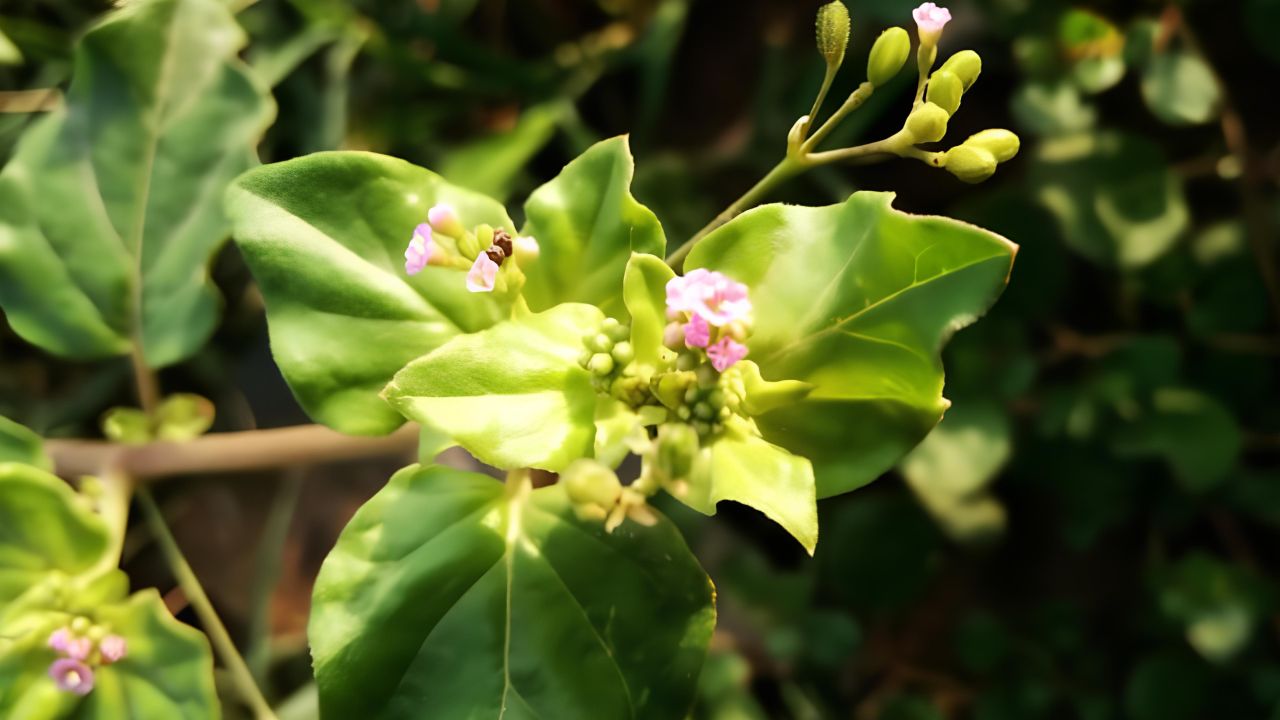 What makes Punarnava truly unique is its life cycle. During the hot summer months, the aerial parts of the plant wither and dry up. But with the arrival of the rainy season, it springs back to life, lush, green, and full of vitality.
This natural renewal is not just a visual transformation; it also reflects the plant’s traditional role in Ayurveda, where it is used to restore balance, detoxify the body, and support overall wellness.
Whether you’re a plant lover, a nature enthusiast, or someone exploring herbal remedies, Punarnava is a beautiful reminder of nature’s resilience and healing power.
Punarnava (Boerhavia diffusa) is widely recognized across different cultures and languages. Its many names reflect its deep-rooted presence in traditional medicine and local ecosystems throughout the world.
Common English Names:
Spreading Hogweed, Red Hogweed, Horse Purslane, Pigweed, Red Spiderling, Tarvine
Regional Names in India:
- Telugu: Atikamamidi, Punar-nava, Gulijeru (white variety)
- Tamil: Mukaratte Kirai, Mukkurttaikkoti, Mukaratee-Kirei
- Hindi: Gadha-cand, Gadahpurna, Gadah Bindo
- Marathi: Ghetuli, Ghetoli, Ghetula, Punarnava, Vasu
- Malayalam: Talutama, Tavilama, Thazhuthama
- Kannada: Komme
- Gujarati: Satodi
- Punjabi: Itsit
- Bengali: Punarnova
- Assamese: Pananua
- Nepali: Punarnava
- Konkani: Punarnava
- Urdu: Tukhm-i-Ispast, Tukhm-e-Ispat
International Names:
- Chinese: Huang Xi Xin
- French (French Guiana): Ipecacuanha de Cayenne
- Portuguese (Brazil): Agarra-pinto, Celidônia, Pega-pinto
- Spanish: Hierba de Cabro
Punarnava is a revered herb in Ayurveda, not just for its health benefits, but also for its deep symbolic meaning rooted in the Sanskrit language.
- Punar means “again”, and Nava means *“new.”
- The name reflects the plant’s unique ability to regenerate: it dies back each year, yet regrows from the same root during the next rainy season.
- In Ayurveda, Punarnava is also valued as a potent rejuvenative or anti-aging herb—literally making the body “new again.”
Other Sanskrit Names and Their Meanings:
- Katilla / Kathillaka / Jatila / Vruscheera – Traditional names used in Ayurvedic texts
- Shilatika / Shivatika / Varshabhu – Variants mentioned in different classical sources
- Shophaghni / Shothaghni – “The one that reduces swelling”; refers to Punarnava’s well-known anti-inflammatory properties
These many names speak to the plant’s versatility in treating various conditions and its esteemed status in ancient healing traditions.
Punarnava holds an important place in classical Ayurvedic texts, where it is grouped under various categories based on its therapeutic properties.
In Charaka Samhita:
- Vayahsthapana – Anti-aging group:
Punarnava is listed among the herbs that help preserve youthfulness and slow down aging. - Kasahara – Cough-relieving group:
Useful in managing respiratory conditions like cough, bronchitis, and asthma. - Anuvasanopaga – Supportive herbs for oil-based enemas:
Helps enhance the effects of oil enemas (Anuvasana Basti), which are used in Panchakarma detoxification therapies. - Svedopaga – Supportive in fomentation/sweating therapy:
Assists in inducing therapeutic sweating (Svedana), which helps relieve stiffness and cleanse the body through sweat.
In Sushruta Samhita:
- Vidarigandhadi Gana – A group of herbs known for nourishing and rejuvenating the body, especially used in strengthening therapies and treatment of urinary and kidney disorders.
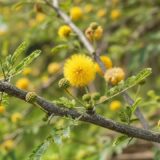
Punarnava, commonly known as Hogweed, exists in different varieties that are identified based on the color of their stem and flowers. Each variety holds significance in Ayurvedic medicine, with variations in potency and therapeutic use.
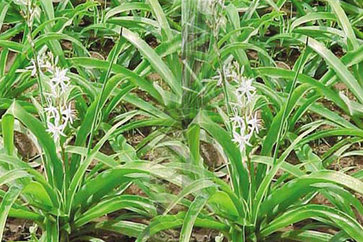
- Botanical Name: Trianthema portulacastrum Linn
- Family: Aizoaceae
- Also Known As: Varshabhu
- Features: White or pale-colored flowers and stem
- Traditional Use: While beneficial, it is considered milder in medicinal strength compared to the red variety.
- Botanical Name: Boerhaavia diffusa
- Family: Nyctaginaceae
- Features: Red or purplish stems and flowers
- Clinical Importance: Most widely used in Ayurveda for its potent anti-inflammatory, diuretic, and rejuvenative properties. Considered the more effective variety in therapeutic applications.
- Mentioned in Raja Nighantu (a classical Ayurvedic text), this rare variety is described as having blue flowers.
- Not commonly found or widely studied in modern contexts.
| Punarnava Variety | Primary Ayurvedic Applications |
|---|---|
| White Punarnava (Shweta) |
|
| Red Punarnava (Rakta) |
|
| Blue Punarnava (Neela) |
|
Distribution: Punarnava grows widely across India, particularly during the rainy season, as well as in other tropical and subtropical regions worldwide. It thrives in wastelands, roadsides, and cultivated fields—truly a resilient and self-renewing plant.
| Compound | Type | Therapeutic Effects |
|---|---|---|
| Punarnavine-1 & 2 | Alkaloids | Diuretic, anti-inflammatory |
| Punarnavoside | Glycoside | Anti-fibrotic, liver-protective |
| Boeravinones (A, B, C, G, H) | Rotenoids | Hepatoprotective, antioxidant, and immune support |
| β-Sitosterol, α-2-sitosterol | Phytosterols | Anti-inflammatory, cholesterol-lowering |
| Palmitic, Stearic, Arachidic acids | Fatty acids | Anti-inflammatory, skin health |
| Hentriacontane, Triacontanol | Hydrocarbons | Anti-inflammatory, promotes wound healing |
| Oxalic acid, D-Glucose | Organic acids & sugars | Energy source, metabolic roles |
| Trianthemine | Alkaloid (White variety) | Mild diuretic, regenerative |
| Ecdysterone, β-Ecdysone | Phytohormones | Tissue regeneration, anti-aging |
Reference: Illustrated Dravyaguna Vijnana, Vol. II, by Dr. JLN Shastry
Rakta Punarnava is a versatile herb widely valued in Ayurveda for its extensive therapeutic properties. Below are some of its key medicinal uses:
Primary Therapeutic Actions
- Shotha Nashana, Shophahara — Reduces swelling and inflammation
- Panduhara — Helps treat anemia and the early stages of liver disorders
- Hrudrogajit — Supports heart health and cardiac disorders
- Diuretic — Promotes urine output; helpful in managing high blood pressure requiring diuretic therapy
Respiratory and Chest Benefits
- Kasanut — Useful in cough and cold
- Kaphapaha — Relieves excess sputum
- Urakshata — Aids recovery from chest injuries
Pain and Digestive Support
- Shulanut — Eases pain and abdominal colic
- Deepani — Improves digestive strength
- Ruchya — Enhances appetite and taste; useful in anorexia
Women’s Health and Wound Care
- Raktapradaradoshaghna — Effective in heavy menstrual bleeding (menorrhagia)
- Arsha — Treats hemorrhoids
- Vranahara — Speeds up wound healing
Fluid Balance and Detoxification
- Udarahara — Helpful in ascites (fluid accumulation in the abdomen)
- Gara Visha — Useful in chronic toxic conditions
- Relieves urine retention (when no structural cause exists) and water retention, including side effects from long-term steroid use
Additional Uses
- Seeds are traditionally used as an aphrodisiac
- Root decoction (Kashaya) is used for treating snake bites and rat bites
Other Properties
- Kshara — Slightly alkaline with scraping and cutting qualities
- Kaphapaha — Clears mucus and phlegm buildup
Rakta Punarnava’s broad spectrum of actions makes it an essential herb in Ayurveda, especially valued for its anti-inflammatory, diuretic, and detoxifying effects.
(Varshabhu – White Variety – Trianthema portulacastrum Linn)
Properties:
- Ushna (hot)
- Tikta (bitter)
- Kaphahara (relieves sputum)
- Most qualities and uses are quite similar to the red variety (Boerhaavia diffusa).
- The ancient text Raja Nighantu also mentions Neela Punarnava (blue variety), which shares almost similar qualities and uses.
Punarnava is a prized ingredient in many traditional Ayurvedic formulations, thanks to its diverse healing properties. Here are some well-known Ayurvedic medicines that incorporate Punarnava:
- A popular iron-based tablet with Punarnava as a main ingredient
- Used primarily to treat anemia, splenomegaly (enlarged spleen), piles, and fever
- Especially beneficial for children due to its mild and effective nature
- Used for managing gout, sciatica, and low back pain
- Combines Punarnava with Guggulu (Commiphora mukul) for enhanced anti-inflammatory and pain-relieving effects
3. Narayan Oil
- A topical oil for neuro-muscular and skeletal conditions
- Effective in relieving symptoms of arthritis, neuralgia, and muscle stiffness
4. Sukumaram Kashayam
- A herbal decoction is helpful for constipation and menstrual pain
- Supports digestive and reproductive health
5. Amritaprasha Ghrita
- A medicated ghee formulation
- Used to treat burning sensations, fever, bleeding disorders, and cough
- Nourishing and balancing for the body
These medicines showcase how Punarnava supports a wide range of health issues, from blood disorders to musculoskeletal and digestive complaints.
Punarnava exerts a wide range of systemic effects through both external and internal applications, making it a powerful herb in Ayurvedic medicine.
External Application
- Edema Treatment: Punarnava helps reduce edema (fluid retention) through its scraping (kshara) action on the body.
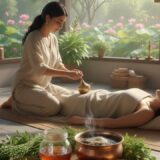
- Sweating Therapy: It can be used as a poultice, paste, or oil preparation to promote sweating and reduce swelling.
- Eye Disorders: The fresh juice of Punarnava is beneficial in treating certain eye ailments.
| System | Effects and Indications |
|---|---|
| Digestive System | Carminative, normalizes dosha movement, induces purgation. Indicated in indigestion, ascites, and constipation. An overdose may cause vomiting. |
| Circulatory System | Cardiac stimulant promotes RBC production. Beneficial in edema, anemia, and heart diseases. |
| Respiratory System | Useful for cough, breathing disorders, and chest injuries. |
| Reproductive System | Seeds are aphrodisiac; the red variety root helps in menorrhagia. |
| Excretory System | Indicated in dysuria, UTI; increases urine output. |
| Tapakrama (Fever) | Effective in chaturthaka jvara (quaternary type fever). |
| Tvak (Skin) | Used for skin disorders. |
| Satmikarana (Detoxification) | Anti-poisonous and rejuvenative; indicated in animal poisoning. |
Punarnava’s multifaceted actions make it a valuable remedy for a spectrum of health concerns, from internal organ support to skin and detoxification therapies.
Punarnava is a versatile herb with numerous home remedies for various ailments. Below are some traditional and effective ways to use it:
1. Dysuria & Pedal Edema
Punarnava Root Decoction
- Take 15-20 grams of Punarnava roots and prepare a decoction.
- Dose: 30-40 ml twice or thrice daily.
- Effective in dysuria, urinary obstruction, and pedal edema.
Decoction Preparation:
- Add 1 tablespoon (10 grams) of coarse herb powder to 2 cups of water.
- Boil in open air until reduced to 1 cup.
- Filter and consume.
2. Abdominal Distension & Burping
Punarnava Whole Plant Juice with Baking Soda
- Fresh juice from the whole plant.
- Dose: 20-30 ml mixed with a pinch of baking soda.
- Relieves abdominal distension and acid burping.
3. Urinary Calculi
Punarnava Seeds Decoction
- Take 1-2 grams of fine powdered seeds or 30-40 ml of seed decoction daily.
- Continue for 10-12 days.
- Helps flush out urinary stones sized 5-8 mm.
4. Recurrent Urinary Tract Infection (UTI)
Punarnava, Tribulus, and Coriander Hot Infusion
- Mix equal parts of the three herbs.
- Prepare a hot infusion or decoction.
- Administer 2-3 times daily.
- Effective against burning urination, dysuria, and recurrent UTI.
5. Eye Swelling
Leaf Paste Application
- Fresh leaves were made into a fine paste.
- Apply to closed eyes for a cooling effect and to reduce swelling.
6. Conjunctivitis
Fresh Leaf Juice Eye Drops
- Instill 2-3 drops of fresh Punarnava leaf juice in the eyes.
- Useful in conjunctivitis and purulent eye discharge.
7. Pedal Edema
Poultice of Whole Plant
- Make a warm paste of the whole plant.
- Apply to swollen extremities regularly.
- Helps reduce swelling.
8. Urinary Calculi, Dysuria & Biliary Stones
Paste with Tender Coconut Water
- Mix 1-2 grams of fresh plant paste with tender coconut water.
- Filter and drink regularly.
- Beneficial for urinary calculi, UTI, burning urination, biliary stones, and menopausal symptoms.
9. Leucorrhoea & Amenorrhoea
Root Powder with Rice-Washed Water
- Take 1-2 grams of root or whole plant powder.
- Consume with rice-washed water or boiled rice gruel supernatant.
- Acts as a natural haematinic and helps in leucorrhoea and amenorrhea.
10. Jaundice
Hot Infusion or Decoction with Bhumyamalaki (Phyllanthus niruri)
- Administer 30-40 ml twice daily in adults (20 ml in children).
- Effective in obstructive jaundice and acts as a cholegogue.
Note:
Punarnava is also consumed as a vegetable in many parts of India, beneficial especially for heart disease and anemia. Increasing its popularity as a vegetable could support those looking for therapeutic diet options.
| Punarnava Form | Recommended Dosage |
|---|---|
| Punarnava Juice | 1-2 teaspoons once or twice a day |
| Punarnava Churna (Powder) | ¼ – ½ teaspoon twice a day |
| Punarnava Capsule | 1-2 capsules twice a day |
| Punarnava Tablet | 1-2 tablets twice a day |
Punarnava can be used in various ways. Listed below are some of the most common methods of using it
- Take 1-2 teaspoons of fresh Punarnava leaf juice.
- Add an equal amount of water.
- Consume once a day to improve liver function and aid fast recovery from jaundice.
- Take ½ to 1 teaspoon of Punarnava root or leaf paste.
- Mix with cow’s milk and consume.
- Use twice daily to support the female reproductive system.
- Take ¼ to ½ teaspoon of Punarnava churna.
- Add cow’s milk or honey.
- Use once or twice a day to enhance reproductive health in both males and females.
- Take ½ to 1 teaspoon of Punarnava powder.
- Boil with 2 cups of water until the volume reduces to ½ cup. This is the Punarnava Kwath.
- Take 3-4 teaspoons of the Kwath and add an equal amount of water before drinking.
- Consume once or twice a day to manage jaundice, conjunctivitis, and improve respiratory and urinary system health.
Punarnava (Boerhavia diffusa) is a potent medicinal herb widely used in traditional Ayurvedic and folk medicine. Known for its rejuvenating and anti-inflammatory properties, it is especially valued for its role in treating kidney disorders, liver ailments, and edema due to its strong diuretic and detoxifying effects.
References:
- Bihari Dora B, Dora BB, Gupta S, Sital S, Pastore A. Punarnava (Boerhavia diffusa): A Promising Indigenous Herbal Drug and Its Effect on Different Disease Conditions. 2015 [cited 2022 Feb 15];21–4. Available from: (1)
- Abbi C, Kumar V, Kumar S, Kumar D. Punarnava (Boerhavia diffusa): A promising indigenous herbal drug. Int Res J Pharm. 2013;4(3):85–89. Available from:(2)
- Umamaheswari A, Nuni A, Shreevidya R. Evaluation of antibacterial activity of Boerhaavia diffusa L. leaves. Int J Green Pharm. 2010;4(2):88–92. Available from:(3)
- Rao PP. Ophthalmic uses of Boerhaavia diffusa L. (Punarnava): Review. J Med Plants Stud. 2016;4(2):78–80.Available from:(4)
- Rajendran K, Raj C D, Ramakrishnan V, Krishnan UM. Therapeutic efficacy of Punarnavadi mandura against phenylhydrazine-induced hemolytic anemia in rats. J Tradit Complement Med. 2025;15(1):93–104. Available from:(5)
- Patil GG, Shettar RV. Evaluation of the efficacy of Punarnavadi Guggulu & Mahamashadi Taila Kati Basti in the management of Gridhrasi (Sciatica). J Ayurveda Integr Med Sci. 2019;4(2):15–23. Available from:(6)
- Shah VN, Shah MB, Bhatt PA. Hepatoprotective activity of punarnavashtak kwath, an Ayurvedic formulation, against CCl₄-induced hepatotoxicity in rats and on the HepG2 cell line. Pharm Biol. 2011;49(4):408–15. doi:10.3109/13880209.2010.521162. PMID: 21391842. Available from:(7)
- Mishra S, Aeri V, Gaur PK, Jachak SM. Phytochemical, therapeutic, and ethnopharmacological overview for a traditionally important herb: Boerhavia diffusa Linn. Biomed Res Int. 2014;2014:808302. doi:10.1155/2014/808302. Epub 2014 May 14. PMID: 24949473; PMCID: PMC4053255. Available from:(8)