Vajikarana Therapy: Indian Approaches to Treating Sexual Dysfunctions

In an era dominated by pharmaceutical solutions for sexual dysfunction—often targeting symptoms while neglecting root causes—Ayurveda offers a radically holistic alternative. Vajikarana (वाजीकरण), one of the eight clinical branches of Ayurveda, transcends mere aphrodisiac therapy.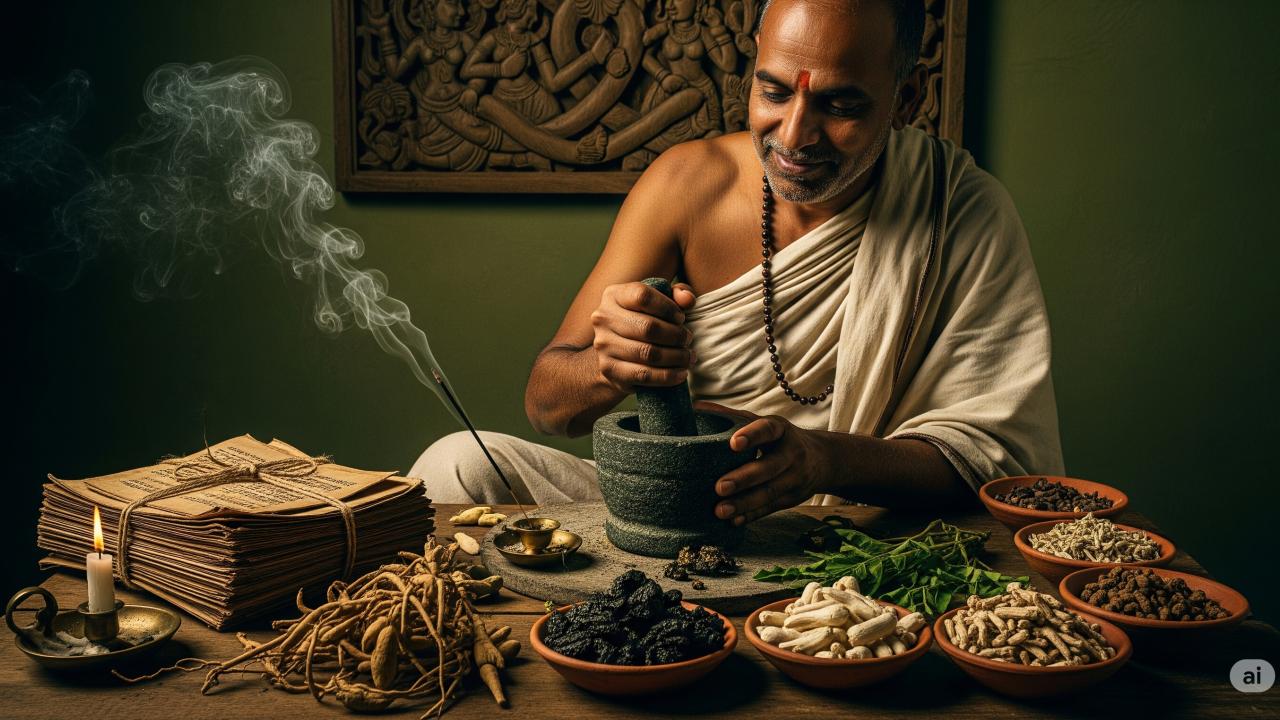 Rooted in 3,500-year-old texts like the Charak Samhita and Sushruta Samhita, it integrates sexual health with physical vitality, mental clarity, and spiritual harmony. The term Vajikarana derives from Vaji (horse, symbolizing virility) and Karana (to produce), aiming to confer “horse-like vigor.”
Yet its scope is profoundly human: to restore Shukra (reproductive essence), fortify Ojas (vital immunity), and harmonize the individual within cosmic and social duties (Dharma).
Vajikarana in Historical and Philosophical Text
Origins in Classical Texts: Vajikarana’s principles are meticulously detailed in Ayurveda’s foundational texts:
- Charak Samhita (1500 BCE): Prescribes Vajikarana for Shukra Kshaya (semen depletion) and Klaibya (impotence), linking sexual health to Ayus (longevity).
- Sushruta Samhita (600 BCE): Classifies 30 sexual dysfunctions, emphasizing Shodhana (purification) before rejuvenation.
- Kamasutra (3rd century CE): Integrates Vajikarana with erotic arts, prescribing diets and herbs for endurance.
Philosophical Underpinnings: Sexuality in Ayurveda is neither indulgent nor ascetic but a sacred pillar of Purushartha (life goals):
- Progeny (Praja): Healthy offspring ensure lineage continuity.
- Duty (Dharma): Marital intimacy sustains social order.
- Vitality (Prana): Sexual energy fuels creativity and spiritual evolution.
“Where Shukra is depleted, life itself withers like a tree without sap.” — Charak Samhita, Chikitsa Sthana 2:46
Diagnosis and Treatment of Sexual Energy Imbalances
Outlined below are traditional Ayurvedic approaches to the diagnosis and treatment of imbalances in sexual energy (Kāma Shakti).
1. The Tridosha System: Foundations of Sexual Function
According to Ayurveda, sexual health is governed by the balance of the three Doshas (bioenergetic forces):
- Vata – Governs nerve impulses, arousal, and ejaculatory control.
Imbalance effects: Premature ejaculation, erectile dysfunction, or hypersensitivity. - Pitta – Controls metabolic heat and hormonal function.
Imbalance effects: Inflammatory disorders such as prostatitis or excessive sexual drive. - Kapha – Provides structural stability, lubrication, and sexual endurance.
Imbalance effects: Low libido, sluggishness, or delayed ejaculation.
A harmonious interplay of these Doshas supports optimal reproductive performance, desire, and satisfaction.
2. Shukra Dhatu: The Essence of Reproduction
Shukra, the seventh and most refined of the seven Dhatus (bodily tissues), represents the reproductive tissue—responsible for semen in males and ovum in females.
Formation Pathway (Dhatu Parinama):
Rasa (plasma) → Rakta (blood) → Mamsa (muscle) → Meda (fat) → Asthi (bone) → Majja (marrow) → Shukra
This transformation takes approximately 30–35 days, illustrating the importance of sustained nourishment for reproductive strength.
Signs of Healthy Shukra:
- Optimal semen volume and sperm motility
- Healthy sexual desire (Kama)
- Potential for strong (Bala) and intelligent (Medha) offspring
3. Ojas: The Vital Reserve
Ojas is the subtle, vital essence derived from Shukra and other Dhatus. It is considered the core of immunity, vitality, and mental-emotional resilience.
- Functions: Sustains energy, immunity, clarity, and longevity
- Depletion causes: Sexual overindulgence, stress, or chronic illness
- Symptoms of low Ojas: Fatigue, poor immunity, low stamina, anxiety
Vajikarana and Ojas Restoration:
Vajikarana therapies aim to nourish and preserve Ojas through:
- Brumhana (deeply nourishing tonics and food)
- Rasayana (rejuvenative herbs like ashwagandha, shilajit, and kapikacchu)
Diagnosis: Mapping Imbalances
Presented below are several methods of Parīkṣā: Vikṛti Saṅkhyāna (Assessment and Mapping of Imbalances).
1. Prakriti–Vikriti Assessment
A foundational step in Ayurvedic diagnosis is understanding the individual’s Prakriti (inherent constitution) and Vikriti (current imbalance):
- Vata-dominant: Typically slender, mentally active, and anxiety-prone; predisposed to neurological dysfunctions such as premature ejaculation or erectile dysfunction due to erratic nerve impulses.
- Pitta-dominant: Medium build, perfectionist nature, prone to hormonal imbalances and inflammatory conditions like prostatitis.
- Kapha-dominant: Sturdy physique, calm but lethargic temperament; more susceptible to low libido, delayed ejaculation, or emotional suppression.
Vikriti identifies pathological shifts from baseline Prakriti, such as:
- Vataja Klaibya: Erectile dysfunction associated with fear, worry, and instability.
2. Clinical Evaluation
Shukra Pareeksha (Semen Analysis):
Analyzes semen volume, consistency, pH, and motility. Classical Ayurvedic texts describe abnormalities such as:
- Chala – excessively watery semen
- Pichchhila – overly sticky or viscous semen
Agni (Digestive Fire):
A weak digestive fire (Mandagni) impairs nutrient transformation, leading to poor Shukra Dhatu formation and reduced fertility.
Srotas (Bodily Channels):
Obstruction in the Shukravaha Srotas (reproductive channels) can result in infertility, decreased sexual potency, and Shukra depletion.
3. Psychological Factors (Manasika Nidana)
Mental and emotional imbalances contribute significantly to sexual dysfunction:
- Chinta (Anxiety): Disturbs Vata → nervous system dysfunction
- Krodha (Anger): Aggravates Pitta → hormonal and metabolic disturbances
- Lobha (Greed/attachment): Elevates Kapha → emotional stagnation and low libido
4. Therapeutic Protocols: The Fourfold Vajikarana Approach
Shodhana (Purification)
“A vessel must be cleansed before it can hold nectar.”
— Sushruta Samhita
Detoxification through Panchakarma is essential prior to Vajikarana therapy to ensure proper assimilation of rejuvenative agents:
- Vamana (Emesis): Eliminates excess Kapha from upper gastrointestinal tract
- Virechana (Purgation): Clears Pitta toxins from the liver and intestines
- Basti (Enema Therapy): Administers medicated oils to correct Vata-related dysfunctions
Pre-Vajikarana Purification is crucial for restoring Dosha balance, unblocking reproductive channels, and enhancing the efficacy of aphrodisiac (Vajikarana) formulations.
Aushadhi (Pharmacotherapy)
| 🌿 Herb | 💡 Action (Ayurvedic View) | 🔬 Biomedical Mechanism |
|---|---|---|
| Ashwagandha | Balances Vata, boosts Shukra | ↑ Testosterone, ↓ Cortisol (PMID: 23125505) |
| Shatavari | Nourishes Shukra, supports female fertility | Phytoestrogenic; Galactagogue |
| Kapikachhu (Mucuna) | Treats premature ejaculation | L-DOPA → Dopamine → Modulates Prolactin |
| Gokshura | Diuretic; Supports prostate health | 5α-reductase inhibition |
| Safed Musli | Enhances stamina, increases sperm count | Alkaloids stimulate spermatogenesis |
Table: Key Vajikarana Herbs and Actions
Classic Formulations:
- Chyawanprash: Rejuvenative jam with 40+ herbs (Amalaki, Ashwagandha).
- Kaamdev Ghrita: Ghee infused with Shatavari, Vidari for lubrication.
- Vajikarana Rasayana: Herbo-mineral blends like Makardhwaja (mercury-sulfur compound, detoxified via Samskara).
Safety Note: Bhasmas (calcined metals) require expert preparation to avoid lead/arsenic toxicity.
Ahara-Vihara (Diet and Conduct)
Dietary Rules:
- Pathya (Compatible): Milk, ghee, dates, nuts, onions, eggs, lean meats.
- Apathya (Incompatible): Alcohol, fermented foods, leftovers.
- Medicated Diets: Ksheerapaka (milk decoctions), Mamsarasa (meat broths).
Behavioral Codes:
- Ritucharya: Seasonal adjustments (e.g., spring detox before conception).
- Maithuna Vidhi: Ethical intercourse guidelines:
- Frequency: 1-4x/month based on Dosha (Kapha: infrequent; Pitta: moderate).
- Partner: Emotionally compatible, non-consanguineous.
- Avoid: Daytime sex, forced retention, or unnatural practices.
Satvavajaya (Mind Therapies)
- Yoga: Mula Bandha (root lock) for pelvic strength; Nadi Shodhana (alternate nostril breathing) for stress.
- Meditation: Enhances Sattva (mental purity), reducing performance anxiety.
- Counseling: Addresses Hridaya Daurbalya (emotional fragility) or Prajnaparadha (intellectual errors about sex).
Clinical Applications: Treating Modern Dysfunctions
1. Erectile Dysfunction (Klaibya)
- Vata Type: Dry skin, anxiety. Treatment: Ashwagandha + Bala oil massage.
- Pitta Type: Inflammation, anger. Treatment: Chandraprabha Vati + cooling diet.
- Kapha Type: Obesity, lethargy. Treatment: Guggulu + honey therapy.
2. Premature Ejaculation (Shukragata Vata)
- Key Herb: Kapikachhu seeds (300 mg/day) prolongs ejaculatory latency via serotonin modulation.
3. Infertility (Bandhyatva)
- Male: Gokshura + zinc-rich diet for oligospermia.
- Female: Shatavari + Lodhra for hormonal balance.
4. Low Libido (Virya Kshaya)
- Causes: Ojas depletion, chronic stress.
- Treatment: Chyawanprash + Shilajit to restore HPA axis function.
Modern Research and Challenges
Evidence Base
- Ashwagandha: RCTs show 167% ↑ sperm count, 53% ↑ semen volume (PMID: 23125505).
- Mucuna pruriens: 71% improvement in ED vs. placebo (Phytomedicine, 2020).
- Shilajit: ↑ Testosterone by 23.5% in oligospermic men (Andrologia, 2016).
Critical Challenges
1. Standardization: Herb quality varies; adulteration is common.
2. Toxicity: Unregulated herbo-mineral formulations risk heavy metal exposure.
3. Cultural Barriers: Misconceptions labeling Vajikarana as “esoteric” or “unscientific.”
4. Research Gaps: Few longitudinal studies on progeny outcomes.
Integration with Biomedicine: A Path Forward
Synergistic Models
- Phytopharmacology: Isolating active compounds (e.g., Withaferin-A from Ashwagandha).
- Psychosexual Counseling: Combining CBT with Satvavajaya.
- Preventive Protocols: Vajikarana diet/lifestyle for aging populations.
Global Initiatives
- WHO Traditional Medicine Strategy (2025–2035) promoting Ayurveda integration.
- NIH-funded trials on Tinospora cordifolia for radiation-induced infertility.
Vajikarana’s genius lies in reframing sexual health as a mirror of holistic well-being—where Shukra, Ojas, and Doshas intertwine with mind, relationships, and purpose.
References