
Why Lemongrass Is a Super Herb: Top 10 Health Benefits

Lemongrass, scientifically known as Cymbopogon citratus, is a tall, perennial grass known for its refreshing lemony aroma and citrus flavor. Native to India and tropical Asia, this versatile plant is widely cultivated in warm climates around the world. It has become a staple not only in culinary traditions but also in herbal medicine, skincare, and aromatherapy.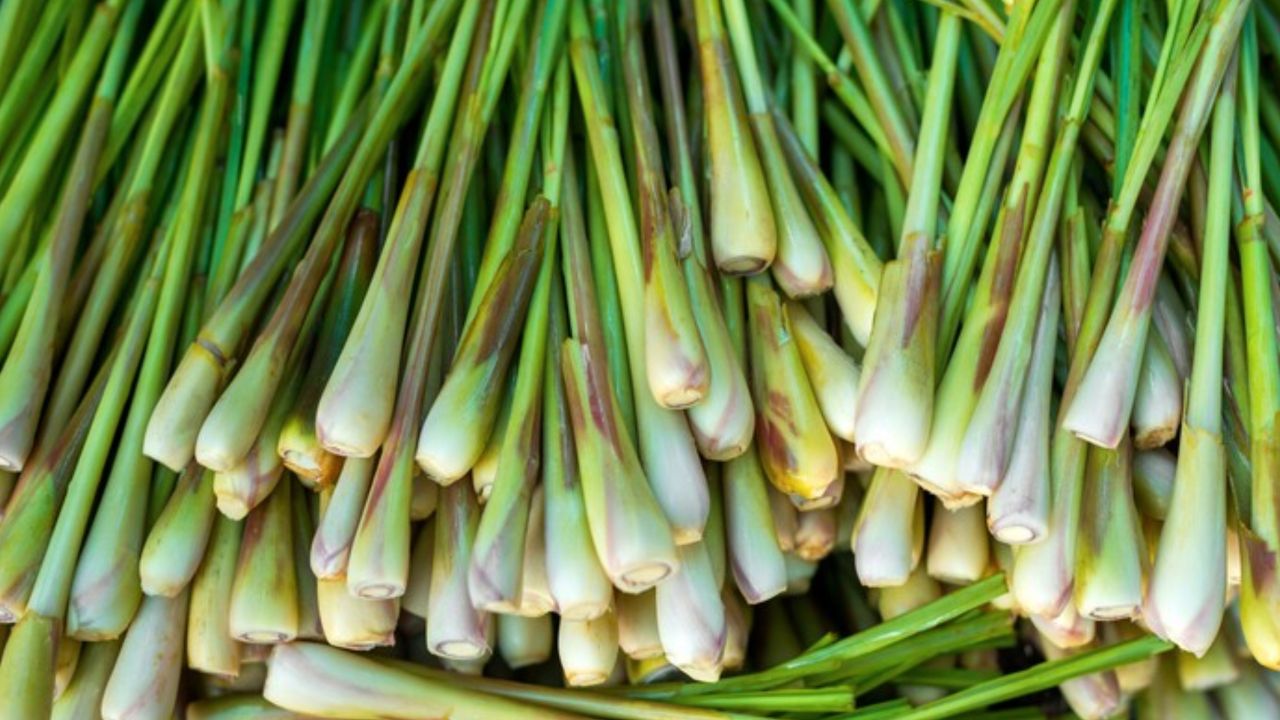 What makes lemongrass truly special is its unique combination of flavor and therapeutic benefits. It contains essential oils rich in citral, which is responsible for its distinct lemon scent and many of its medicinal properties. These oils have antimicrobial, anti-inflammatory, and antioxidant qualities, making lemongrass a natural remedy for a wide range of ailments.
In traditional medicine, lemongrass has been used to treat digestive issues, fever, infections, and even stress-related conditions. Its calming properties can help reduce anxiety and promote better sleep, while its antibacterial nature makes it useful in supporting immune health.
Lemongrass is also a great addition to detox routines. It acts as a natural diuretic, helping the body flush out toxins and excess fluid, and its mild astringent qualities support healthy skin.
Whether sipped as a tea, used in essential oil form, or added fresh to dishes, lemongrass continues to prove itself as a powerful and natural health ally.
What is lemongrass?
Lemongrass, scientifically known as Cymbopogon citratus, is a tropical plant belonging to the Poaceae family—the same botanical family as grasses and cereals. It is a perennial, aromatic, and robust herb known for its distinct citrusy fragrance and healing properties. This grass spreads in thick clumps and grows upright, resembling tall blades, and thrives in warm, humid climates.
Commonly known by a variety of names across cultures, lemongrass is also referred to as Malabar grass, Cochin grass, fever grass, citronella grass, or simply lemon tea grass. In India, it is most widely recognized as Gandhatrina, meaning “fragrant grass,” reflecting its deeply aromatic nature.
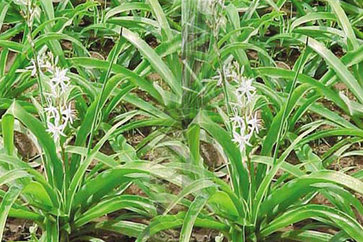
What Does the Lemongrass Plant Look Like?
The lemongrass plant is visually striking and highly aromatic, making it a favorite in both herbal gardens and landscapes.
Key Features:
- Growth Pattern: Lemongrass grows in dense, upright clumps that can reach up to 3 to 6 feet in height.
- Leaves: The leaves are long, narrow, and blade-like, with a rough texture and light green color. When crushed, they release a strong lemony fragrance.
- Stems: The stems are thick and fibrous, resembling small canes at the base.
- Flowers: Lemongrass rarely flowers, but when it does, it produces spikelets—small flowering units about 30 to 60 centimeters long, grouped into clusters resembling folded leaves.
Description:
From a distance, lemongrass looks like a large ornamental grass with graceful, arching leaves. The plant emerges from the ground in thick tufts, forming dense bushes.
Its vibrant green color and lemony scent make it instantly recognizable. The leaves grow vertically but tend to droop slightly at the ends, creating a soft, flowing appearance.
This beautiful and functional plant adds not only aesthetic value but also therapeutic benefits to any space where it’s grown.
What Does Science Say About Lemongrass?
According to the scientific and botanical research carried out on lemongrass, it has been found to an antiseptic, digestive, and bronchiolitis properties.
In addition, it can also be used as a repellent against insects. The other benefits and properties of lemongrass are that it can help you improve your digestion, as it has analgesic and antibacterial properties.[1]
Lemongrass in Ayurveda: Uses and Healing Benefits
In Ayurveda, lemongrass is considered a powerful herb with multiple therapeutic properties. It is described as having the following characteristics:
- Rasa (Taste): Bitter and pungent
- Vipaka (Post-digestive effect): Pungent
- Virya (Potency): Cool
Lemongrass is widely used in Ayurvedic medicine to treat various ailments. Some of its key uses include:
Ayurvedic Uses, Benefits & Applications of Lemongrass
- Arochaka (Loss of appetite or anorexia) – Stimulates appetite and promotes digestion.
- Bhuta Badha (Mental diseases) – Known for its calming effects, it can help alleviate mental stress and anxiety.
- Dadru (Ringworm) – Helps treat fungal infections like ringworm due to its antibacterial and antifungal properties.
- Jalan (Burning sensation) – Reduces internal heat and burning sensations in the body.
- Kasa (Cough, Bronchitis) – Acts as an expectorant, helping to clear congestion and ease respiratory issues.
- Krimi (Worms) – Used as a remedy for intestinal worms.
- Kushtha (Skin diseases) – Helps treat skin conditions, including rashes and eczema, due to its antimicrobial properties.
- Santap (Heat) – Reduces excessive body heat, promoting a cooling effect.
- Shvas (Asthma) – Soothes and opens the airways, providing relief from asthma and breathing difficulties.
- Udara (Abdominal disorders) – Aids in digestion and alleviates bloating and other digestive discomforts.
- Vami (Vomiting) – Helps reduce nausea and vomiting by balancing the digestive system.
Lemongrass, with its cooling and therapeutic qualities, is an essential herb in Ayurvedic medicine for promoting overall balance and well-being.
Ayurvedic Properties of Bhustrina (Lemongrass) in Classical Nighantus
| SN | Nighantu | Rasa | Guna | Virya | Vipaka | Karma / Rogaghnata |
|---|---|---|---|---|---|---|
| 1 | Bhavaprakasha | Katu, Tikta | Teekshna, Ushna, Rechana | Ushna | Katu | Swedajanana, Mutrajanana, Jwaraghna, Uttejaka, Vatanulomana, Chetanakaraka, Udvestananirodhi, Mukhashuddhikaraka, Kaphavatahara, Deepana, Pachana, Ruchya. Indicated in: Pratishyaya, Jwara, Vamana, Atisara, Aadhmana, Shoola, Aakshepa, Visoochika. |
| 2 | Kayyadeva Nighantu | Katu, Tikta | Teekshna, Laghu, Ruksha | Ushna | Katu | Vidaha, Teekshna, Ruchikaraka, Ruksha, Agnideepaka, Mukhashodhana, Avrushya, Raktapittakaraka. Useful in: Krimi, Kasa, Shwasa, Dadru. |
| 3 | Raja Nighantu | Katu, Tikta | – | – | – | Hanti Bhutagraha, Vishadoshanashana, Vatasantapanasha. |
| 4 | Dhanvantari Nighantu | – | Laghu, Ushna, Ruksha | – | – | Useful in: Sleshma, Aama, Jantusamutthan conditions. |
| 5 | Madanapala Nighantu | Katu, Tikta | – | – | – | Vatashamana, Sleshmaghna, Kushtanashana, Arochaka, Krimighna, Udardashamana. |
| 6 | Adarsha Nighantu | Katu, Tikta, Kashaya | – | – | – | – |
| 7 | Madhava Dravyaguna | Katu | Teekshna | – | – | Vaktrashodhana |
| 8 | Siddhasara Nighantu | Tikta | Ushna | – | – | – |
Top 10 Ayurvedic Benefits of Lemongrass
Lemongrass (Bhustrina in Sanskrit) is a revered herb in Ayurveda, celebrated for its deepana (digestive stimulant), pachana (detoxifying), and srotoshodhana (channel-cleansing) properties.
This fragrant grass balances Kapha and Vata doshas while gently supporting Pitta when used appropriately.
Here are 10 Ayurvedic benefits of lemongrass for holistic health and wellness:
1. Enhances Digestion (Deepana & Pachana)
Lemongrass stimulates agni (digestive fire), aiding the breakdown of food and assimilation of nutrients. Its ushna virya (heating energy) helps pacify sluggish digestion, reduces ama (toxins), and relieves bloating, gas, and indigestion.
2. Detoxifies the Body (Shodhana Karma)
With its natural diuretic action, lemongrass supports the elimination of toxins through urine, promoting purification of rakta dhatu (blood) and cleansing the liver and kidneys. This helps maintain internal clarity and balance in the body’s metabolic systems.
3. Strengthens Immunity (Ojas Vardhaka)
Rich in antioxidants and rasayana (rejuvenative) properties, lemongrass enhances ojas—the essence of vitality and immunity. It protects against infections, strengthens the body’s natural defenses, and supports seasonal wellness.
4. Calms the Mind (Manas Shanti)
Lemongrass oil has a grounding aroma that soothes Vata imbalances in the mind, reducing anxiety, restlessness, and mental fatigue. Its aroma nourishes the senses, promoting sattva (clarity, calmness), and encouraging restful sleep.
5. Promotes Radiant Skin (Twachya)
Thanks to its kandughna (anti-itch), antibacterial, and anti-inflammatory properties, lemongrass is beneficial for skin disorders such as acne, eczema, and infections. It purifies the blood and supports a clear, healthy complexion from within.
6. Supports Respiratory Health (Shwasa-Kasa Hara)
Lemongrass helps clear Kapha from the respiratory tract, making it useful in conditions like cough, bronchitis, and asthma. Its warming and cleansing qualities open the chest, ease breathing, and soothe irritated airways.
7. Nourishes Hair and Scalp (Keshya)
With its antimicrobial and circulation-boosting properties, lemongrass oil strengthens the scalp, reduces dandruff, and promotes healthy hair growth. It helps maintain keshya bala (strength of the hair) and shine naturally.
8. Combats Infections (Krimighna)
In Ayurveda, lemongrass is known to counter krimi (pathogens and harmful microbes). It offers potent protection against bacterial, fungal, and viral infections, making it valuable for maintaining overall wellness and supporting the body’s healing process.
9. Eases Inflammation (Shothahara)
Its anti-inflammatory action helps pacify Vata in joints and muscles, relieving pain, swelling, and stiffness. Lemongrass is commonly used in Ayurvedic massage oils to soothe arthritis and other inflammatory conditions.
10. Acts as a Natural Insect Repellent (Kita Nashaka)
Lemongrass’s strong aroma, rich in citronella, serves as a natural deterrent to insects. It is used in Ayurvedic formulations as a safe, prakritik (natural) alternative to chemical repellents for protecting the body and environment.
Additional Properties of Lemongrass & Its Benefits
- Citral: This compound is the primary active ingredient responsible for many of lemongrass’ therapeutic effects, including its anti-inflammatory, antibacterial, and antifungal properties.
- Flavonoids: These plant compounds provide antioxidant and anti-inflammatory effects, contributing to skin health and reducing oxidative stress.
- Essential Oils: Rich in geraniol and neral, the essential oils of lemongrass have calming, stress-relieving effects that can enhance both physical and mental well-being.
- Vitamins and Minerals: Lemongrass is a good source of vitamin A, C, folate, and potassium, which support overall health, skin rejuvenation, and immune function.
Lemongrass is not only a flavorful addition to food but also a powerful herb that can improve health and enhance well-being in multiple ways, from digestion to skin care and immune support.
Lemongrass: Safety, Side Effects, and Who Should Avoid It
While lemongrass is generally considered safe for most people when consumed in recommended doses, there are some important considerations and potential risks to be aware of:
- Possible Skin Reactions: In rare cases, some individuals may experience skin rashes or irritation after consuming lemongrass, particularly when used in tea or topical applications. If this occurs, it is advisable to discontinue use and consult a healthcare professional.
- Consultation with Your GP: If you have any pre-existing health conditions or are taking medications, it is crucial to consult with your doctor before incorporating lemongrass into your routine. This is particularly important if you’re using it for medicinal purposes or to control specific health issues.
- Report Abnormal Symptoms: If you experience any abnormal symptoms (such as dizziness, nausea, or stomach discomfort) after consuming lemongrass, you should stop using it immediately and seek medical advice. Always report any unexpected side effects to your doctor.
- Special Caution for Advanced Diseases: Individuals with chronic or advanced health conditions should be cautious when using lemongrass. If the condition is not well-controlled or if you’re undergoing treatment, it’s important to consult with a healthcare professional before consuming lemongrass to avoid any adverse interactions or complications.
- Pregnancy Concerns: Lemongrass may stimulate menstrual flow, so it is generally recommended to avoid its consumption during pregnancy, especially in high quantities. In some cases, it may potentially increase the risk of miscarriage. Always seek guidance from your healthcare provider before using lemongrass during pregnancy.
- Not a Substitute for Medical Treatment: Lemongrass should not be used as a substitute for prescribed medications or professional medical treatments. It is meant to support overall wellness, but in cases of serious illness or medical conditions, it’s best to follow the advice of a healthcare specialist.
(FAQ’s)
1. What is the use of lemongrass in Ayurveda?
In Ayurveda, lemongrass (Bhustrina) is valued for its deepana (digestive stimulant), pachana (detoxifier), and krimighna (antimicrobial) properties. It helps balance Kapha and Vata doshas and is used to support digestion, detoxification, respiratory health, and mental clarity.
2. Is lemongrass good for Pitta dosha?
Lemongrass has a mild heating nature (ushna virya), so it may aggravate Pitta if consumed in excess. However, in moderate amounts (like in tea), it can be suitable for Pitta types, especially when combined with cooling herbs like mint.
3. Is lemongrass tea heaty or cooling?
Lemongrass tea is generally considered warming due to its ushna virya (heating potency). It stimulates digestion and circulation, making it beneficial in cold or damp conditions but best consumed mindfully in hot weather or by Pitta-dominant individuals.
4. What disease is cured by lemongrass?
Lemongrass is traditionally used to support conditions related to digestion, fever, colds, skin infections, and respiratory issues. While not a “cure,” it helps manage symptoms through its antimicrobial, anti-inflammatory, and detoxifying actions.
5. Who should avoid lemongrass?
Pregnant women, individuals with hyperacidity or high Pitta, and those on diuretics or blood pressure medications should consult a healthcare provider before using lemongrass, especially in concentrated forms like oils or extracts.
6. Which herb is best for reducing Pitta?
Herbs like brahmi, shatavari, amla, licorice, and coriander are ideal for reducing excess Pitta. These herbs have cooling, soothing, and nourishing effects that balance heat and inflammation in the body.
7. Is it safe to drink lemongrass every day?
In moderate amounts (like 1–2 cups of tea daily), lemongrass is generally safe for most people. However, long-term use should be monitored, especially in people with Pitta imbalances or kidney issues due to its diuretic nature.
8. What are the side effects of lemongrass?
Possible side effects include allergic reactions, dry mouth, increased urination, and in some cases, acidity or skin irritation (from topical use). Overuse may aggravate Pitta or strain the kidneys.
9. Can lemongrass lower creatinine?
Some studies suggest lemongrass may support kidney function due to its diuretic and antioxidant properties, but there’s no definitive clinical evidence proving it reduces creatinine levels. Consult an Ayurvedic practitioner for personalized advice.
10. What is the best time to drink lemongrass tea?
The best time is in the morning or after meals, when its digestive and energizing properties can be most beneficial. Avoid drinking it late at night if you’re sensitive to stimulation or prone to acidity.
11. What are 5 uses for lemongrass?
- Supports digestion
- Relieves anxiety and stress
- Aids detoxification
- Helps treat infections
- Acts as a natural insect repellent
12. Can lemongrass be eaten raw?
Yes, the tender inner stalk of lemongrass can be finely chopped and added to salads or raw preparations. However, it’s fibrous and pungent, so it’s more commonly used in teas or cooked dishes.
13. What does lemongrass repel?
Lemongrass contains citronella, which naturally repels mosquitoes, ticks, flies, and other insects. It is widely used in natural repellents, sprays, and incense.
14. Does lemongrass contain caffeine?
No, lemongrass is naturally caffeine-free. It’s an excellent alternative to black or green tea, especially for people looking to reduce caffeine intake.
15. Is lemongrass good for your liver?
Yes, in Ayurveda, lemongrass is believed to support liver cleansing and function due to its detoxifying and antioxidant properties. It may assist in flushing toxins and maintaining liver health when used moderately.
Lemongrass is more than just a fragrant herb—it’s a natural remedy packed with health benefits. From boosting immunity and aiding digestion to reducing stress and inflammation, incorporating lemongrass into your diet or wellness routine can support your overall well-being.























very useful information.this article providing lots of genuine information.normal lemongrass have lots of benefits its magic.
thank u for sharing