
What Is Vipassana Meditation? A Journey into Self-Discovery

In a world overflowing with mindfulness apps and quick-fix stress solutions, Vipassana meditation offers something different. It’s not just a way to relax or momentarily escape life’s chaos.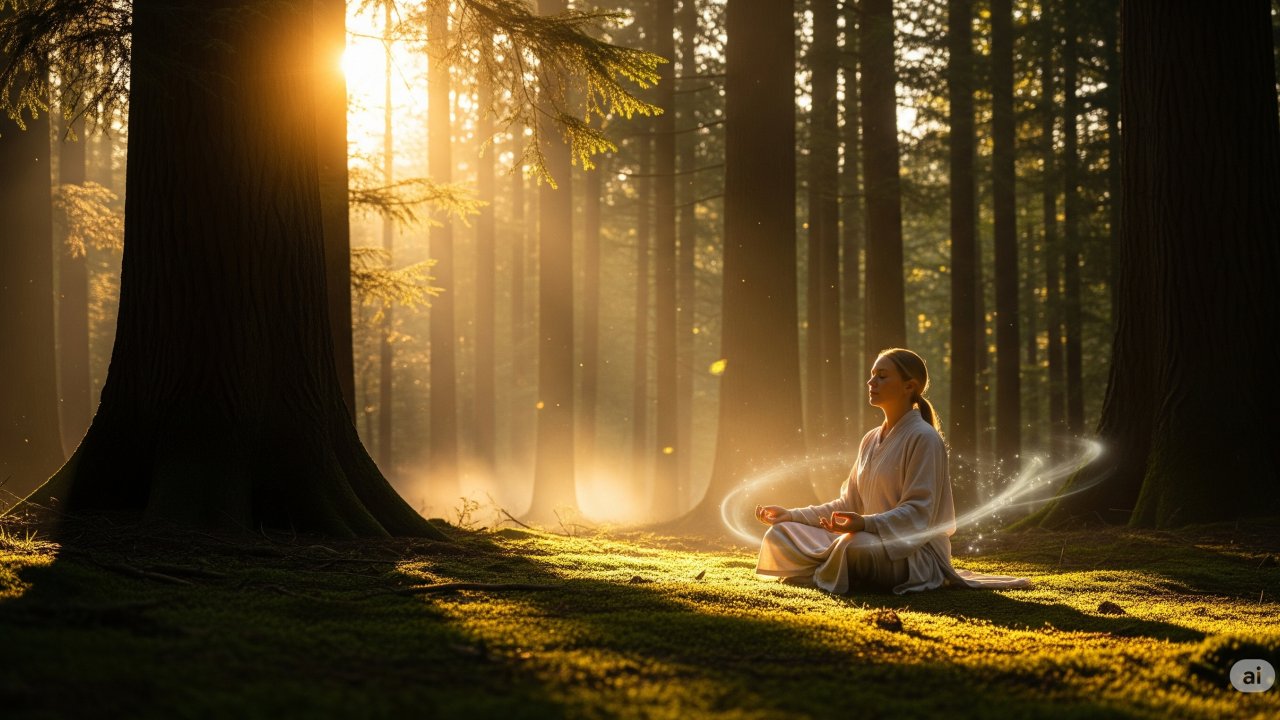 Vipassana—which means “clear seeing” or “insight” in the ancient Pali language—is a deep, disciplined practice of self-observation. Rooted in the earliest teachings of the Buddha, it’s a powerful tool for looking directly into the nature of your own body and mind.
Rather than offering surface-level calm, Vipassana guides you into the heart of your experience—to see things as they truly are. The goal? To uncover the roots of suffering and move toward lasting inner freedom.
The Origins and Meaning of Vipassana
Vipassana meditation traces its roots back to the moment of the Buddha’s enlightenment. After years of extreme ascetic practices that brought no lasting peace, Siddhartha Gautama turned toward what he called the “Middle Way.”
Under the Bodhi tree, he experienced a profound insight—vipassanā, or “clear seeing”—into the true nature of existence.
This realization became the foundation of his first teaching: the Dhammacakkappavattana Sutta (“Setting the Wheel of Dhamma in Motion”).
Vipassana became a core practice in the Theravada Buddhist tradition, preserved for centuries in the Pali Canon, the earliest collection of the Buddha’s teachings. One of the most important texts for Vipassana is the Satipaṭṭhāna Sutta, which outlines the Four Foundations of Mindfulness:
- The body
- Sensations
- The mind
- Mental objects or contents
These four areas form the basis for systematic self-observation and insight.
What Does “Vipassanā” Really Mean?
Vipassana isn’t about escaping or zoning out. Unlike Samatha practices (which focus on calm and concentration, often leading to deep meditative absorption or jhāna), Vipassana is about direct insight—paññā, or wisdom.
Through close observation, the practitioner comes to understand three core truths—known as the Three Marks of Existence:
- Anicca (Impermanence): Everything is constantly changing—thoughts, emotions, bodily sensations, even entire identities. Vipassana trains the mind to observe this flow in real-time, often at the level of subtle bodily sensations.
- Dukkha (Suffering or Unsatisfactoriness): Because we crave permanence in an impermanent world, we suffer. Insight into impermanence reveals the root of this struggle.
- Anattā (Non-Self): We often assume there’s a fixed “I” behind our thoughts and experiences. Vipassana shows that what we call “self” is just a collection of ever-changing processes—liberating us from attachment to ego and identity.
The Modern Revival: Although Vipassana was preserved in monastic settings for centuries, it was revitalized in the 20th century, especially in Myanmar (Burma). One of the key figures in bringing the practice to a global audience was S.N. Goenka (1924–2013), a student of Sayagyi U Ba Khin.
Goenka’s approach—offered through non-sectarian, donation-based 10-day retreats—made the practice accessible to people of all backgrounds.
His emphasis on direct experience, observation of bodily sensations, and scientific inquiry helped establish a global network of meditation centers. Today, organizations like the Vipassana Research Institute and Dhamma.org continue to share this timeless method with the world.
How Suffering Works—and How to Find Relief
Vipassana isn’t built on belief or dogma. It’s based on direct experience and the universal law of cause and effect. It invites you to observe reality for yourself—not to accept anything blindly, but to see clearly what’s actually happening in your own body and mind.
The Four Noble Truths: The Foundation
Everything in Vipassana is rooted in the Buddha’s core insight into human experience, known as the Four Noble Truths:
1. The Truth of Suffering (Dukkha): Life involves discomfort, dissatisfaction, and unease—not just in obvious pain, but even in our subtle resistance to change or our craving for more.
2. The Cause of Suffering (Samudaya): This suffering arises from within—through craving (taṇhā) and aversion (dosa). We constantly grasp at pleasure and push away pain, creating tension and conflict inside ourselves.
3. The Cessation of Suffering (Nirodha): When we stop reacting—when we let go of craving and aversion—suffering naturally fades. This is not theory; it’s something you can experience for yourself.
4. The Path (Magga): The way out is the Noble Eightfold Path—a framework for living and meditating wisely. Vipassana directly cultivates two of its central pillars:
- Right Mindfulness (Sammā Sati)
- Right Concentration (Sammā Samādhi)
Mindfulness: Observing Without Judging
In Vipassana, mindfulness (sati) isn’t about thinking deeply. It’s about being fully present—watching each moment as it unfolds, without trying to change it. Like a flashlight, mindfulness shines light on what’s really going on inside: the sensations, thoughts, emotions, and reactions that make up our inner world.
The Four Foundations of Mindfulness (Satipaṭṭhāna):
These are the four main areas we observe in Vipassana:
1. Mindfulness of the Body (Kāyānupassanā): Observing breathing, posture, movement, body parts, and elements. The breath and body sensations are often the entry point.
2. Mindfulness of Sensations (Vedanānupassanā): Watching physical sensations—pleasant, unpleasant, or neutral—as they come and go. This is the heart of Vipassana, revealing how we unconsciously react to even the subtlest feelings.
3. Mindfulness of the Mind (Cittānupassanā): Noticing the state of your mind: Is it restless? Focused? Angry? Peaceful? You’re learning to observe the mind like you would watch the sky—without trying to control the weather.
4. Mindfulness of Mental Objects (Dhammānupassanā): Observing deeper patterns like the Five Hindrances, the Aggregates, and the Noble Truths themselves. This is where insight deepens into how the mind functions.
Why We Suffer: The Chain of Dependent Origination
Vipassana helps you see the mechanics of suffering in real time. Here’s how it typically unfolds:
- Contact (Phassa): A sense organ (like the eye or skin) meets an object (a sound, sight, sensation), and consciousness arises—this is contact.
- Sensation (Vedanā): Every contact gives rise to a feeling: pleasant, unpleasant, or neutral.
- Craving/Aversion (Taṇhā): Instinctively, we cling to what feels good and resist what feels bad. This reaction happens fast—often beneath conscious awareness.
- Suffering (Dukkha): That automatic reaction is where suffering is born. It keeps the cycle going, shaping our habits and shaping our future.
Equanimity (Upekkhā): The Golden Key
Equanimity is what breaks the cycle. It means balanced, clear awareness—feeling every sensation, pleasant or painful, without getting hooked. It’s not cold or detached—it’s a deep acceptance of what is, just as it is.
With equanimity, you stop reacting blindly. You respond with wisdom. And in that space between sensation and reaction, freedom begins.
How to Train Your Mind for Clear Seeing
Vipassana is not just a philosophy—it’s a practical training. It’s a disciplined method for developing mindfulness and concentration to the point where deep, transformative insight can arise.
1. Building a Strong Ethical Foundation (Sīla)
Before diving into meditation, the practice begins with ethics. Why? Because peace of mind starts with peace in action.
At the start of every traditional Vipassana course, participants commit to the Five Precepts:
- No killing
- No stealing
- No sexual misconduct
- No false speech
- No intoxicants
This ethical commitment isn’t religious—it’s practical. It supports a calmer mind, reduces guilt or agitation, and creates the stable base needed for real introspection.
2. Calming the Mind with Ānāpāna (Breath Awareness)
For the first few days of a typical course, all attention is placed on the natural breath—usually observing the subtle sensations at the nostrils or the rise and fall of the abdomen.
This isn’t about controlling the breath, but watching it just as it is.
Why?
- Because the mind is often scattered, restless, and reactive. Ānāpāna helps settle that storm.
What it develops:
- Calm (samatha)
- Focused attention (ekaggatā – one-pointedness)
- Present-moment awareness
This gentle training prepares the mind for the more refined work of Vipassana.
3. The Heart of the Practice: Vipassana Body Scan
Once the mind is relatively still, the core technique begins: systematic observation of bodily sensations.
How it works:
- You slowly scan your attention across the body—from head to feet, and back again.
- You observe whatever sensation is present:
- Obvious ones like itching, pain, heat, or cold
- Subtle ones like tingling, pulsing, vibration, energy flow
There’s no judgment, no analysis—just pure observation.
The deeper purpose:
- These sensations are not random. They’re the physical expression of changing elements—earth (solidity), water (cohesion), fire (temperature), and air (movement).
- Observing them shows you anicca—impermanence—at a cellular level.
- You realize that even “pain” or “bliss” isn’t solid or permanent. It’s just patterns of sensation, constantly changing.
4. Equanimity in Practice: The Power of Non-Reaction
As you scan the body, you’ll inevitably encounter both discomfort and pleasure. The task is to observe without reacting—no craving, no aversion.
- When pain arises, you don’t resist.
- When bliss arises, you don’t cling.
You simply note: “This too shall pass.”
This is the cultivation of Upekkhā, or equanimity. Over time, it breaks the deep-rooted habit of automatic reaction (saṅkhāra), and with it, the cycle of suffering.
5. Watching the Mind Itself
As concentration deepens, awareness expands beyond the body. You begin to observe:
- Mental states: anger, joy, restlessness, concentration, doubt
- Thoughts: not as stories to believe, but as passing events
- Mind-body connection: how a thought can trigger a sensation—and vice versa
Eventually, the rigid boundary between “body” and “mind” starts to dissolve. Everything is seen as part of a unified flow of experience.
6. Noble Silence (Ariya Tuṇhībhāva): Turning Inward
One of the most powerful supports in a traditional retreat is noble silence—a complete pause from all speech, gestures, and communication with fellow meditators.
It’s not a punishment. It’s a tool.
- It prevents distraction
- Conserves mental energy
- Deepens inner focus
Communication is still allowed with the teacher or course management for questions or practical needs.
What Happens in a 10-Day Vipassana Course
The classic 10-day Vipassana retreat isn’t a vacation. It’s a deep, immersive training—like stepping into a crucible designed to burn off distractions, habits, and illusions so you can begin to see clearly.
It’s challenging, yes—but also profoundly transformative.
A Supportive, Distraction-Free Setting: Courses take place in dedicated Dhamma centers around the world (dhamma.org). These centers are often tucked away in quiet, rural areas to support complete withdrawal from daily life.
You hand over your phone. You stop speaking. You let the world pause—so you can tune in, deeply.
A Day in the Life: The Schedule: Expect to meditate for about 10 hours each day, divided into:
- Group sittings in the hall
- Individual sessions in your room or designated cell
- Breaks for meals, light walking, and rest
The day begins early—4:00 AM—with the sound of a gong. It’s strict, but it works: the structure helps you develop discipline and dive deeper than you thought possible.
The Journey, Day by Day
The retreat unfolds in carefully planned stages:
1. Days 0–3: Ānāpāna – Training the Mind: You start by focusing on the breath—just the natural inhale and exhale. It seems simple, but it’s a powerful way to sharpen concentration and settle the restless mind.
2. Day 4: The Real Work Begins – Vipassana: Now you begin the core technique: body scanning. You observe bodily sensations—from gross pain to the subtlest tingling—with complete equanimity. No craving. No resistance. Just awareness.
3. Days 5–9: Deepening the Practice
These are the most intense days.
- You scan the body more precisely and swiftly.
- You begin to feel the body as a field of energy (called kalāpas in the Pali tradition).
- You may face discomfort or bliss—but you learn to observe everything with balance.
- You witness how the mind reacts, and you practice letting go.
4. Day 10: Mettā Bhāvanā – Loving-Kindness: After days of deep inner work, you’re introduced to Mettā—a practice of radiating goodwill, kindness, and compassion toward all beings.
This helps soften the edges, dissolve any lingering negativity, and gently transition you back into daily life with an open heart.
Support from Teachers: You’re not left alone in silence. Experienced teachers are available for daily Q&A sessions or short interviews. Their job is to guide—not to preach—and help you stay on track or work through confusion as it arises.
Simple, Intentional Living
- Vegetarian meals, twice a day (breakfast and lunch).
- Noble silence: No speaking, no gestures, no eye contact with other meditators.
- No phones, no books, no writing.
The idea is to strip away all external input, so your attention naturally turns inward. You live simply, deliberately—creating space for deep observation and personal insight.
In short: it’s hard, and it’s worth it. The 10-day course offers a rare opportunity: to step outside your mental autopilot and begin seeing things as they are—starting with yourself.
How Vipassana Transforms Us
Vipassana’s impact isn’t theoretical—it’s deeply personal. The change begins not in the future, but in the present moment, with each breath you observe and each sensation you meet without reaction. It’s a practice that grounds you in reality, instead of pulling you away from it.
1. Mental & Emotional Clarity
- Stress Loses Its Grip: You stop feeding anxiety and reactivity by simply observing, not resisting. You begin to respond to life with calm awareness instead of automatic fear.
- Balanced Emotions: Moods still arise, but they no longer control you. You learn to witness emotions without being ruled by them.
- Sharper Focus: Mental noise quiets, clarity grows. Concentration improves, and your mind becomes more stable and present.
- Self-Awareness: You begin to see your patterns clearly—and let go. This awareness helps you break cycles that no longer serve you.
- Freedom to Respond: You create space between trigger and reaction. That space allows for conscious choice, not conditioned reaction.
2. Wisdom in the Body
- Truth, Felt Directly: You experience impermanence, dissatisfaction, and non-self—not as ideas, but lived reality. These truths become clear not through thinking, but through direct experience.
- Old Patterns Fade: Deep conditioning softens and dissolves. You start releasing emotional baggage you didn’t even realize you were carrying.
- Equanimity Grows: You stay balanced in both pain and joy. This inner balance becomes your anchor in an unpredictable world.
3. Living with Integrity
- Natural Ethics: With awareness, harmful actions feel out of sync. Right action begins to flow naturally from inner clarity.
- Real Compassion: You recognize shared suffering, and empathy deepens. Seeing others clearly, you respond with genuine kindness.
- Healthier Relationships: Less reactivity, more presence and patience. You communicate with more understanding and less defensiveness.
4. Spiritual Depth
- Vipassana cultivates the core qualities of awakening—mindfulness, energy, calm, concentration, and equanimity.
These qualities strengthen gradually, forming the path to inner freedom. - It points toward Nibbāna: not as escape, but freedom from inner suffering. Freedom here means living without clinging, resisting, or delusion.
5. Backed by Science
- Brain Changes: Increased gray matter, reduced fear responses. Neuroscience shows that meditation physically reshapes the brain.
- Lower Stress: Reduced cortisol, better nervous system regulation. Your body learns to rest, recover, and regulate itself more effectively.
- Proven Benefits: Effective for anxiety, depression, trauma, and more. Modern therapy increasingly draws from these ancient insights.
6. Transformation Through Practice
Vipassana isn’t a quick fix—it’s a discipline. But with patience, it reshapes how you live, relate, and respond. The transformation is gradual, but it runs deep and lasts.
What Makes Vipassana Hard (and Why It’s Worth It)
Vipassana is a powerful tool—but it’s not a shortcut, a spa day, or a spiritual bypass. Its strength lies in its honesty. You’re not adding anything new—you’re stripping things away. That process can be uncomfortable, even confronting. But that’s where the real change begins.
The Real Challenges
- Physical Discomfort: Sitting still for long periods isn’t easy. Knees ache, backs throb, legs go numb. But learning to sit with that discomfort—without immediately reacting—is part of the training. Pain becomes the teacher.
- Emotional Waves: As the noise of daily life fades, buried emotions rise. Anger, grief, fear—feelings long pushed aside—can surface with surprising intensity. The practice is to stay grounded in the body, to feel them as sensations without drowning in the story.
- Restlessness and Boredom: The untrained mind hates stillness. It itches for distraction, drama, stimulation. You’ll likely feel this rebellion. But observing that restlessness instead of acting on it builds deep resilience.
- Doubt Creeps In: You might wonder: “Am I doing this right? Does this even work? Is this for me?” Doubt is natural. Keep practicing anyway—Vipassana isn’t built on belief, but direct experience.
- Nothing Feels Happening: At first, subtle sensations may be hard to perceive. That can feel frustrating. But like tuning an instrument, awareness sharpens over time.
- Existential Discomfort: Coming face-to-face with impermanence (Anicca) and the lack of a fixed self (Anattā) can feel unsettling at first. But what begins as disorientation can open the door to freedom.
- After the Retreat: The retreat ends—but life doesn’t. Integrating the clarity and equanimity of Vipassana into your everyday routines, relationships, and responsibilities is an ongoing journey. And it’s where the practice truly comes alive.
Common Misconceptions, Debunked
- “It’s Just Relaxation”: While Vipassana may bring calm, it’s not about soothing yourself—it’s about seeing reality clearly. Sometimes that means confronting things you’d rather avoid.
- “It’s Escapism”: Quite the opposite. Vipassana teaches you to turn toward reality, not away from it. You learn to face both inner and outer life with presence and honesty.
- “It’s Religious or Sectarian”: Though rooted in the Buddha’s teachings, Vipassana as taught by S.N. Goenka is non-sectarian and grounded in universal truths—breath, body, sensation, impermanence. No dogma, no belief required. Just practice.
- “It Means Stopping Thoughts”: Thoughts don’t vanish—and that’s okay. The goal isn’t silence, but a shift in your relationship to thinking. You see thoughts as passing events, not facts. They come and go like clouds in the sky.
- “It’s a One-Time Fix”: Vipassana is not a quick hack. It’s a path. Real transformation unfolds slowly, through patient, persistent practice. Like tending a fire, it requires regular attention to stay alive.
Why Vipassana Still Matters Today
Vipassana, though thousands of years old, remains deeply relevant today—not by changing, but by offering exactly what modern life often lacks: stillness, clarity, and balance.
Practical and Secular: Its core principles—mindful awareness and non-reactivity—now form the basis of popular therapies like MBSR and MBCT, helping people manage anxiety, depression, and stress, no matter their background.
Backed by Science: Research in neuroscience and psychology continues to confirm what practitioners have long experienced: Vipassana reshapes how we relate to thoughts, emotions, and stress—both mentally and physically.
A Response to Modern Overload: In a world of constant noise and distraction, Vipassana offers a pause. It trains focus, emotional resilience, and inner calm—skills we desperately need today.
Global and Accessible: Taught in over 170 centers worldwide, Vipassana courses are free and run on donations, making the practice available to all—sustained by generosity, not profit.
Taking Vipassana into Everyday Life
The real power of Vipassana isn’t just what happens during a 10-day retreat. It’s what happens after. The ultimate goal is to bring mindful awareness and balanced observation into everyday life—while walking, eating, talking, working, resting. To watch sensations and responses arise and pass in real time.
Even a short daily sitting practice—20 to 60 minutes—can help maintain the clarity and calm that retreat introduces. The cushion is a training ground. Life is the real practice.
Vipassana is a practice of clear, non-judgmental awareness that helps us understand and transcend suffering. Rooted in direct experience, it encourages patience and honesty with ourselves. Though challenging, it offers lasting clarity, peace, and freedom—inviting us to return again and again to the present moment and discover true liberation.