
Top 10 Indian Medicinal Plants and Their Ayurvedic Uses

In today’s world of synthetic medications and side effects, Ayurveda is making a powerful global comeback. This ancient Indian healing tradition promotes a holistic view of wellness, focusing on harmonizing body, mind, and spirit through time-tested practices and natural remedies. At Ayurveda’s core lies a vast treasure of medicinal plants, revered for their ability to restore balance rather than merely treat symptoms. These herbs work systemically—revitalizing tissues, correcting imbalances, and awakening the body’s inner intelligence to promote deep and lasting health.
Central to Ayurveda is the concept of the three doshas: Vata, Pitta, and Kapha. Health depends on their equilibrium. Herbal treatments are tailored to an individual’s constitution and doshic imbalance, using carefully prepared botanicals infused with prana—the vital life force.
Pancha Kashaya Kalpana – Traditional Methods in Herbal Medicine
Before delving into the specific plants, it is crucial to understand the traditional methods (Pancha Kashaya Kalpana) used to prepare them. The right preparation method is paramount, as it determines the bioavailability and therapeutic action of the herb.
- Swaras (Juice): The fresh juice extracted from medicinal plants. This is considered the most potent form, retaining the plant’s full vital energy and water-soluble active compounds. It is used for its quick and strong action.
- Kalka (Paste): A fresh paste made by grinding the whole herb or part of it with a small amount of water. This form is often used for external applications, such as poultices for wounds, inflammation, or skin conditions, and sometimes for internal consumption.
- Kwath (Decoction): Prepared by boiling hard plant parts like roots, bark, or seeds in water until the volume reduces significantly. This method is ideal for extracting fat-soluble and heat-stable compounds. Decoctions form the base of many traditional Ayurvedic formulations.
- Hima (Cold Infusion): Made by soaking delicate herbs, flowers, or leaves in cool water for several hours, usually overnight. This gentle method is used for plants with heat-sensitive, aromatic, or cooling properties.
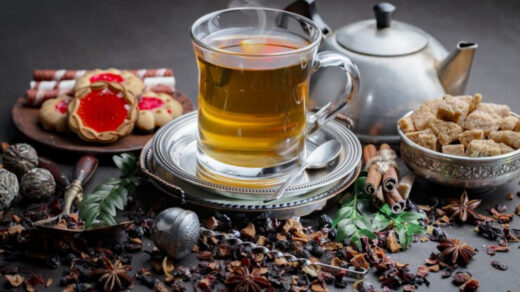
- Phanta (Hot Infusion): The Ayurvedic equivalent of herbal tea, made by steeping herbs in hot (not boiling) water. This is best for extracting volatile oils and for herbs that are meant to pacify Pitta and Kapha.
Top 10 Indian Medicinal Plants and Their Ayurvedic Uses
With this foundational understanding, let us explore a curated list of powerful Indian medicinal plants, expanding upon the original list and delving deeper into their historical, scientific, and practical applications.
1. Tulsi (Holy Basil) – The Queen of Herbs for Stress and Immunity
Often revered as “The Incomparable One,” Tulsi (Ocimum sanctum) holds a position of divine reverence in Hindu culture, found in courtyards and temples across India. It is more than a plant; it is a worshipped deity, a protector of the home, and a cornerstone of Ayurvedic medicine.
- Ayurvedic Perspective: Tulsi is considered sattvic, meaning it promotes clarity, harmony, and spiritual purity. It has a pungent and bitter taste (Katu and Tikta Rasa), a heating energy (Ushna Virya), and a pungent post-digestive effect (Katu Vipaka). It primarily pacifies Kapha and Vata doshas but can aggravate Pitta in excess due to its hot potency.
- Therapeutic Compounds: The potent adaptogenic properties of Tulsi are attributed to its unique combination of phytochemicals, including eugenol (a volatile oil), ursolic acid, rosmarinic acid, apigenin, and luteolin. These compounds work synergistically to modulate the body’s stress response.
Expanded Uses:
- Adaptogen for Stress: As an adaptogen, Tulsi helps the body adapt to physical, chemical, and emotional stress. It normalizes cortisol levels, thereby reducing anxiety and “feeling down.” Regular consumption can enhance resilience and promote a sense of calm.
- Immunomodulator: It boosts the production and activity of immune cells (T-helper cells and natural killer cells), making it a powerful ally against infections, from the common cold to more persistent ailments.
- Respiratory Health: Its expectorant and bronchodilator properties make it excellent for managing asthma, bronchitis, and allergic rhinitis.
- Metabolic Health: Studies indicate that Tulsi can help regulate blood sugar levels in type 2 diabetes and manage cholesterol levels.
How to Use:
- Tea: The simplest method. Steep 5-10 fresh leaves in a cup of hot water for 5-10 minutes. Add honey and a squeeze of lemon.
- Fresh Juice: 1-2 teaspoons of fresh Tulsi leaf juice daily is a potent tonic.
- Powder: 1-3 grams of dried leaf powder can be taken with honey or warm water.
2. Ashwagandha (Indian Ginseng) – The Rejuvenator for Vitality and Strength
The very name Ashwagandha translates to “smell of a horse,” alluding to its unique odor and its legendary ability to impart the strength and vitality of a stallion. It is the premier Rasayana (rejuvenating tonic) in Ayurveda, especially for Vata dosha.
- Ayurvedic Perspective: It is sweet, bitter, and astringent in taste, with a heating energy. It is anabolic in nature, meaning it builds tissues, particularly muscle, bone, and nerve tissue. It is the go-to herb for debility, exhaustion, and aging.
- Therapeutic Compounds: The primary active constituents are withanolides, a group of steroidal lactones that have been extensively studied for their adaptogenic, anti-inflammatory, and neuroprotective effects.
Expanded Uses:
- Adrenal Fatigue & Stress: Like Tulsi, it is a powerful adaptogen. It is particularly beneficial for burnout, chronic fatigue, and anxiety, promoting restful sleep and calming a restless mind.
- Male & Female Reproductive Health: It is renowned for boosting male fertility by improving sperm count, motility, and testosterone levels. In women, it helps balance hormones and can alleviate symptoms of PCOS.
- Cognitive Function: It supports memory, learning, and cognitive function by protecting neurons from oxidative stress and promoting the growth of neural connections.
- Muscle & Joint Health: Its anti-inflammatory and anabolic properties aid in building lean muscle mass, improving exercise performance, and reducing pain in conditions like arthritis.
How to Use:
- Powder: The most common form. Mix ½ to 1 teaspoon of Ashwagandha powder in a cup of warm milk (dairy or plant-based) with a pinch of turmeric and honey before bed.
- Capsules: Standardized extracts are widely available for convenience.
- Decoction: Can be prepared with its roots for a stronger effect.
3. Turmeric (The Golden Spice) – The Universal Anti-Inflammatory
No list of Indian medicinal plants is complete without Turmeric (Curcuma longa). This brilliant yellow rhizome is the spice that gives curry its color and a powerhouse of healing compounds.
- Ayurvedic Perspective: Turmeric is bitter, pungent, and astringent. It has a heating energy and is a master of purifying the blood and clearing toxins (ama) from the body. It balances all three doshas, though it can aggravate Pitta in excess.
- Therapeutic Compounds: The principal curcuminoid is curcumin, which is responsible for most of its vibrant color and potent anti-inflammatory, antioxidant, and antimicrobial properties. However, curcumin is poorly absorbed on its own; it is often paired with black pepper, which contains piperine, to enhance its bioavailability by up to 2,000%.
Expanded Uses:
- Joint Pain & Arthritis: As mentioned, its potent anti-inflammatory action is comparable to some pharmaceutical drugs, making it a cornerstone for managing osteoarthritis and rheumatoid arthritis.
- Digestive Health: It stimulates bile production, relieves gas and bloating, and soothes the intestinal lining.
- Skin Health: Used both internally and topically for conditions like psoriasis, eczema, and acne due to its blood-purifying and anti-inflammatory effects.
- Cognitive Protection: Emerging research links chronic inflammation to Alzheimer’s disease. Curcumin’s ability to cross the blood-brain barrier and reduce inflammation and amyloid plaques shows great promise.
How to Use:
- Golden Milk: The most famous preparation. Heat a cup of milk with ½ teaspoon of turmeric powder, a pinch of black pepper, and other spices like ginger and cinnamon.
- In Cooking: Used daily in Indian cuisine.
- Paste for Wounds: A paste made with turmeric and water or aloe vera can be applied to wounds, cuts, and skin infections to prevent sepsis and promote healing.
4. Ginger (The Universal Medicine) – For Digestion and Nausea
Known as Vishwabhesaj (the universal medicine) in Ayurveda, Ginger (Zingiber officinale) is a cornerstone for digestive and respiratory health.
- Ayurvedic Perspective: Ginger is pungent in taste and has a heating energy. It kindles the digestive fire (Agni), making it excellent for improving digestion and clearing ama (toxins). It pacifies Kapha and Vata but can increase Pitta.
- Therapeutic Compounds: The bioactive compounds gingerol and shogaol are responsible for its characteristic pungency and its powerful anti-nausea, anti-inflammatory, and carminative effects.
Expanded Uses:
- Nausea and Motion Sickness: It is exceptionally effective for pregnancy-related morning sickness (under medical guidance), chemotherapy-induced nausea, and seasickness, often outperforming pharmaceutical antiemetics.
- Digestive Aid: It relieves indigestion, cramping, and bloating by speeding up gastric emptying and relaxing the intestinal muscles.
- Anti-inflammatory: Like turmeric, it reduces inflammation and can be helpful for muscle soreness and menstrual pain.
- Respiratory Congestion: Its expectorant properties help break up phlegm and mucus in the lungs.
How to Use:
- Fresh Ginger Tea: Slice or grate a 1-inch piece of fresh ginger, steep in hot water for 10 minutes.
- With Meals: A small piece of fresh ginger with a pinch of salt and a few drops of lemon juice before a meal stimulates digestion.
- Powder: Dry ginger powder (Sunthi) is used in many formulations and is particularly good for Vata disorders.
5. Neem (The Village Pharmacy) – The Ultimate Purifier
Every part of the Neem tree (Azadirachta indica)—leaves, bark, seeds, and oil—is intensely bitter and possesses remarkable medicinal properties. It is often called “the village pharmacy” in India for its wide-ranging applications.
- Ayurvedic Perspective: Neem is the quintessential bitter herb. It is cold, light, and dry, making it exceptionally effective at pacifying Pitta and Kapha doshas. It is one of the best blood purifiers and detoxifiers in the Ayurvedic pharmacopoeia.
- Therapeutic Compounds: The key compounds include azadirachtin, nimbin, and nimbidin, which confer potent antiviral, antibacterial, antifungal, and antiseptic properties.
Expanded Uses:
- Skin Diseases: It is a first-line treatment for acne, eczema, psoriasis, and fungal infections. Neem leaf paste or oil is applied topically.
- Oral Health: Chewing on Neem twigs (a traditional practice) or using toothpaste with Neem extract fights plaque, gingivitis, and oral pathogens.
- Blood Sugar Regulation: It helps in managing diabetes by improving insulin sensitivity.
- Malaria and Fever: Traditionally used as an antipyretic (fever-reducer) and antimalarial agent.
How to Use:
- Leaf Juice: 2-4 teaspoons of fresh leaf juice daily for detoxification (extremely bitter).
- Topical Paste: For skin conditions.
- Oil: Diluted Neem oil can be applied to the scalp for dandruff or to the skin for infections.
6. Brahmi (The Brain Tonic) – For Memory and Cognition
Brahmi (Bacopa monnieri) is celebrated as the premier brain tonic in Ayurveda, used for centuries to enhance memory, learning, and concentration.
- Ayurvedic Perspective: It is bitter and astringent, with a cooling energy. It calms Vata and Pitta and is known to promote Sattva (clarity and peace). It is a Medhya Rasayana—a rejuvenator specifically for the mind.
- Therapeutic Compounds: The primary active compounds are bacosides, which have been shown to repair damaged neurons, improve neural communication, and enhance synaptic activity.
Expanded Uses:
- Memory and Learning: Numerous studies confirm its efficacy in improving memory recall, retention, and the speed of learning.
- ADHD: It is used as a natural alternative to support focus and reduce impulsivity in children with Attention Deficit Hyperactivity Disorder.
- Anxiety and Stress: It has a gentle calming effect on the nervous system without being sedative.
- Epilepsy: Traditionally used as an adjunct therapy for seizure disorders.
How to Use:
- Powder: ½ to 1 teaspoon of Brahmi powder with warm water or ghee, twice a day.
- Medicated Ghee: Brahmi Ghrita is a classical preparation for mental health.
- Capsules: Standardized extracts are widely available.
7. Triphala (The Three Fruits) – The Gentle Rejuvenating Cleanser
Triphala is not a single plant but a classic Ayurvedic formulation comprising three fruits: Amalaki (Emblica officinalis), Bibhitaki (Terminalia bellirica), and Haritaki (Terminalia chebula). It is one of the most widely used and cherished formulas.
- Ayurvedic Perspective: Triphala is considered a tridoshic rasayana, meaning it balances all three doshas. It is neither too heating nor too cooling, making it suitable for almost everyone as a daily tonic.
- Therapeutic Compounds: Each fruit contributes a powerful set of antioxidants, including a high concentration of Vitamin C from Amalaki, gallic acid, and chebulic acid.
Expanded Uses:
- Digestive Health: It gently cleanses the colon, acts as a mild laxative, and improves peristalsis without creating dependency.
- Detoxification: It is the primary herb for Panchakarma (Ayurvedic detox) as it helps remove ama (toxins) from all tissues.
- Eye Health: Used both internally and as an eye wash (Netra Tarpana) to improve eyesight and treat conjunctivitis.
- Antioxidant Powerhouse: It is one of the highest known natural sources of Vitamin C and other antioxidants, fighting free radical damage systemically.
How to Use:
- Powder: ½ to 1 teaspoon of Triphala powder steeped in a cup of hot water for 10 minutes, consumed before bed.
- Tablets: A convenient form for daily use.
8. Licorice (Yashtimadhu) – The Great Harmonizer
Licorice root (Glycyrrhiza glabra), known as Yashtimadhu in Sanskrit, is a sweet-tasting root that is both a powerful medicine in its own right and a common Anupana (vehicle) that harmonizes and enhances the effects of other herbs in a formulation.
- Ayurvedic Perspective: It is sweet in taste, cooling in energy, and has a sweet post-digestive effect. It soothes Pitta and Vata but can increase Kapha due to its heavy and unctuous qualities.
- Therapeutic Compounds: The primary compound is glycyrrhizin, which is 50 times sweeter than sucrose and gives Licorice its demulcent, expectorant, and anti-inflammatory properties.
Expanded Uses:
- Sore Throat and Cough: Its demulcent property coats and soothes irritated mucous membranes in the throat. It is an excellent expectorant for productive coughs.
- Adrenal Support: It supports adrenal gland function, making it beneficial for chronic fatigue and burnout.
- Acidity and Ulcers: It soothes the stomach lining and can help heal gastric and duodenal ulcers.
- Anti-inflammatory: It has a cortisone-like effect, useful in managing autoimmune and inflammatory conditions.
How to Use:
- Tea: Steep a small piece of the root in hot water.
- Powder: Mixed with honey for a sore throat.
- Note: Long-term, high-dose use can lead to increased blood pressure; it should be used cautiously by those with hypertension.
9. Shatavari (The Woman Who Has 100 Husbands) – The Female Tonic
Shatavari (Asparagus racemosus) is the primary rejuvenating tonic for the female reproductive system, akin to what Ashwagandha is for men. Its name humorously implies its ability to impart vitality and strength.
- Ayurvedic Perspective: It is sweet and bitter in taste, with a cooling energy. It is a nourishing tonic that balances Pitta and Vata and helps build all bodily tissues, particularly the reproductive tissue (Shukra Dhatu).
- Therapeutic Compounds: It contains saponins called shatavarins, which are believed to be responsible for its galactagogue (promoting breast milk) and phytoestrogenic effects.
Expanded Uses:
- Hormonal Balance: Used for symptoms of PMS, menopause, and to support fertility.
- Lactation: It is the most trusted herb in Ayurveda to boost and enrich breast milk production in nursing mothers.
- Digestive Health: Its cooling and moistening properties help soothe an irritated stomach and intestines, useful in hyperacidity and ulcers.
- Adaptogen: Like Ashwagandha and Tulsi, it helps the body cope with physical and emotional stress.
How to Use:
- Powder: 1 teaspoon mixed into warm milk with honey.
- Shatavari Kalpa: A traditional preparation with ghee, sugar, and honey.
10. Pippali (Long Pepper) – The Catalyst for Deep Healing
Pippali (Piper longum) is a close relative of black pepper but with a more complex and sustained pungency. It is not just a spice but a profound medicine used to transport the healing properties of other herbs deep into the tissues.
- Ayurvedic Perspective: It is pungent in taste and has a heating energy. It is a powerful kindler of the digestive fire (Agni) and a Rasayana for the lungs and reproductive system. It pacifies Kapha and Vata.
- Therapeutic Compounds: Its primary active compound is piperine, which, as mentioned, dramatically enhances the bioavailability of other compounds like curcumin.
Expanded Uses:
- Respatory Rejuvenation: It is a key ingredient in formulations like Sitopaladi Churna used for asthma, chronic bronchitis, and allergies. Unlike many expectorants that are drying, Pippali has a rejuvenating effect on the lungs.
- Digestive Catalyst: It stimulates digestion and cleanses the gastrointestinal tract of toxins.
- Ama Pachana: It is one of the strongest herbs for digesting and eliminating ama (metabolic toxins).
How to Use:
- In Formulations: It is most often used in combination with other herbs, like turmeric and ginger.
- Honey Paste: A small amount of Pippali powder mixed with honey is a traditional remedy for cough and cold.
Scientific Research on 10 Classical Ayurvedic Herbs
Based on peer-reviewed scientific evidence. For educational use only.
Integrating Herbs into Daily Life: Beyond Medicinal Use
The beauty of these plants lies in their dual role as both medicine and food. Integrating them into your daily cuisine is a gentle, sustainable way to reap their benefits.
- Tulsi: Brew into daily tea; add fresh leaves to salads.
- Turmeric & Ginger: The foundation of curries, soups, lentil dishes, and stir-fries.
- Coriander & Mint: Fresh leaves make excellent chutneys and garnishes that aid digestion.
- Curry Leaves (Kadi Patta): A staple in South Indian tempering, excellent for blood sugar management and hair health.
- Fenugreek (Methi): Seeds and leaves are used to lower cholesterol and blood sugar, and to aid digestion.
A Note of Caution
While these plants are natural and have a long history of safe use, they are potent. “Natural” does not automatically mean “safe for everyone in all quantities.”
- Consult an Expert: Self-diagnosis and treatment can be risky. Always consult with a qualified Ayurvedic practitioner or a healthcare provider knowledgeable in herbal medicine, especially if you are pregnant, nursing, on medication, or have a chronic health condition.
- Quality Matters: The potency of herbs depends on their source, growing conditions, and processing. Seek out reputable suppliers who provide organic, sustainably harvested, and pure products.
- Dosha Specificity: An herb that is wonderful for one person (e.g., a Kapha type) might be problematic for another (e.g., a Pitta type). Personalized advice is key.
FAQ’s
1. What are Indian medicinal plants used for in Ayurveda?
Indian medicinal plants are used in Ayurveda to restore balance in the body, treat various ailments, strengthen immunity, and promote overall well-being. They address the root cause of disease rather than just symptoms.
2. Which are the most commonly used Ayurvedic herbs?
Popular Ayurvedic herbs include Ashwagandha (for stress), Tulsi (immunity), Neem (skin and detox), Turmeric (inflammation), Giloy (fever and immunity), and Triphala (digestion and detox).
3. How do I know which herb is right for me?
Ayurveda recommends herbs based on your prakriti (body constitution) and dosha imbalance (Vata, Pitta, Kapha). It’s best to consult a qualified Ayurvedic practitioner for personalized advice.
4. Can Ayurvedic herbs be taken daily?
Some herbs like Tulsi, Triphala, and Turmeric can be taken daily in proper doses. However, prolonged use of strong herbs should be guided by an expert to avoid side effects or imbalance.
5. Are there side effects to using Indian medicinal plants?
Generally safe when used correctly, some herbs can have side effects if taken in excess or combined with certain medications. Always consult a professional before beginning herbal therapy.
6. What is the best way to consume Ayurvedic herbs?
They can be consumed as powders (churna), decoctions (kwath), tablets, oils, or teas. The form and dosage depend on the herb, your condition, and the desired effect.
7. Is there scientific evidence supporting Ayurvedic herbs?
Yes, many herbs like Ashwagandha, Turmeric, and Giloy have been studied for their pharmacological properties. Scientific research is growing to validate traditional Ayurvedic knowledge.
8. Can I grow Indian medicinal plants at home?
Yes, many herbs like Tulsi, Aloe Vera, Brahmi, and Neem can be easily grown in pots or gardens. They require minimal care and offer health benefits year-round.
9. Are Ayurvedic herbs safe for children and pregnant women?
Some herbs are safe, but others should be avoided during pregnancy or in children. Always seek medical or Ayurvedic advice before using herbs in such cases.
10. Where can I buy authentic Ayurvedic herbs?
Look for trusted Ayurvedic brands or certified herbal stores. Ensure the products are organically sourced, tested for purity, and free from additives or heavy metals.
Indian medicinal plants offer natural, holistic healing rooted in ancient wisdom. They restore balance, boost immunity, and promote wellness—proving that nature’s remedies remain powerful tools for health in today’s modern world.























vary good Article,i like it
Very nice blog as it has widened my area of knowledge about the powerful herbs and their effectiveness against treating various diseases. In addition to this, there are also many herbs in Ayurveda that act like wonders in boosting immunity and in reducing and also curing various types of illness such as Ashwagandha, Shatavari, amla etc.
Vary nice, I read your good article on Indian madicinal plant and thair uses, every body read about it,
Thanks
Thank you for your wonderful post about medicinal uses of plants, it was interesting to read.
Continue posting more such post regarding Ayurvedic benefits.