Sikta Taila (Beeswax Oil): Uses and Benefits in Ayurveda

Honey is widely recognized for its therapeutic properties, especially in wound healing. It possesses antibacterial, anti-inflammatory, and antioxidant effects that promote faster tissue regeneration and prevent infection. 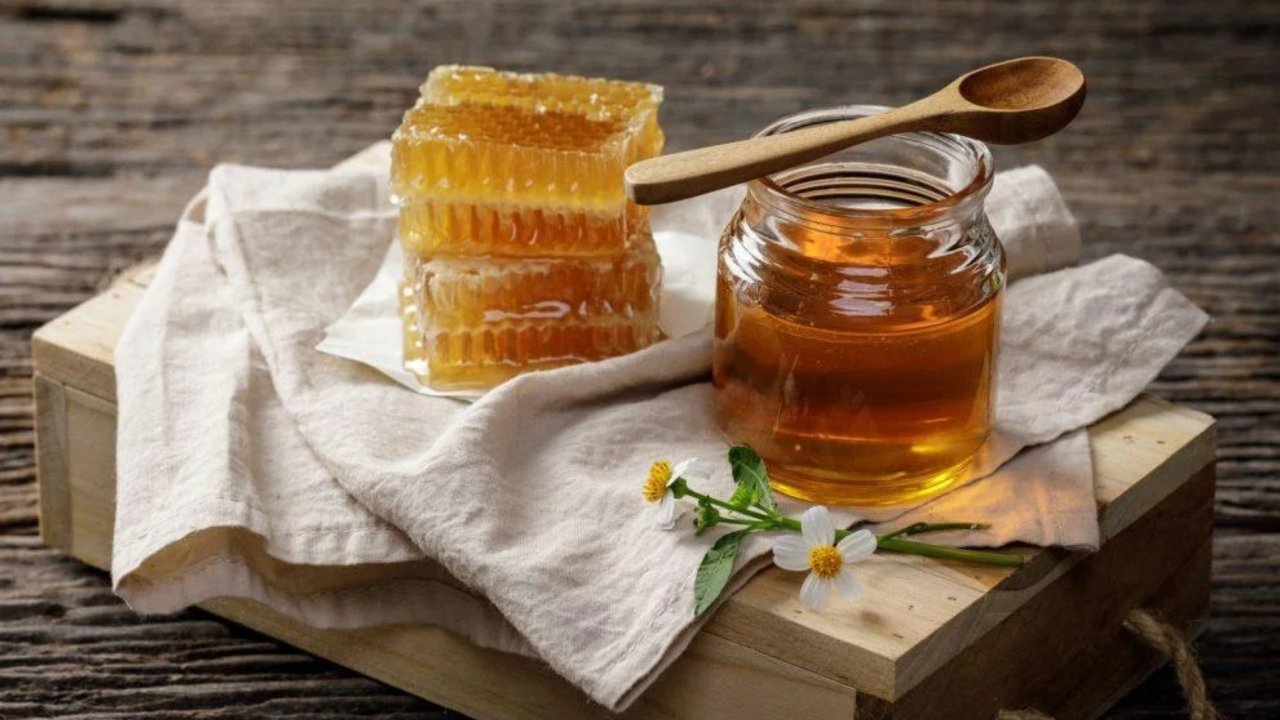 Similarly, beeswax has been traditionally used for its protective and moisturizing qualities, helping to create a barrier over wounds while supporting the skin’s natural healing process.
In Ayurvedic medicine, a combination of beeswax and sesame oil forms a preparation known as Siktha Taila. This formulation is valued for its ability to accelerate wound healing and soothe the affected area.
Siktha Taila also serves as a foundational base in the preparation of various Ayurvedic ointments, collectively referred to as Malahara Kalpana, which are used to treat a range of skin conditions and injuries.
What is Sikta Taila?
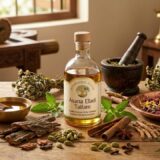
Sikta Taila is an Ayurvedic medicinal oil prepared by combining Sikta (beeswax) with Taila (oil), typically sesame oil or coconut oil. It is used externally for its soothing, emollient, and healing properties. In Sanskrit, the word Sikta refers to beeswax, while Taila means oil. This combination creates a rich, semi-solid preparation that retains the beneficial compounds of both ingredients.
Traditionally used to soothe inflamed tissues, treat wounds, and moisturize dry skin, Sikta Taila has earned its place in many Ayurvedic external therapies, especially in treating Vata disorders which are characterized by dryness, roughness, and pain.
Ayurvedic Properties of Sikta Taila
In Ayurveda, every substance is described by its Rasa (taste), Guna (qualities), Virya (potency), and Vipaka (post-digestive effect). Sikta Taila is no exception.
- Rasa (Taste): Madhura (Sweet)
- Guna (Qualities): Snigdha (Unctuous), Guru (Heavy), Mridu (Softening)
- Virya (Potency): Ushna (Heating)
- Vipaka (Post-digestive effect): Madhura
Dosha Effect: Balances Vata and Pitta due to its soothing, lubricating, and nourishing nature.
Top 10 Uses of Siktha Taila (Beeswax & Sesame Oil Ointment)
1. Wound Healing
Siktha Taila is an excellent natural remedy for wound care. The beeswax acts as a protective layer while sesame oil nourishes and aids in faster healing.
- Properties: Antibacterial, anti-inflammatory, soothing
- Benefits: Forms a barrier to prevent infection and promotes quicker tissue regeneration by keeping the wound moist and protected.
2. Burn Relief
Minor burns can be effectively treated with Siktha Taila, providing both cooling and protective effects. The oil helps reduce inflammation and accelerates recovery.
- Properties: Cooling, emollient, skin-protective
- Benefits: Alleviates pain and prevents blistering while promoting faster skin repair and reducing the risk of infection.
3. Skin Irritations (Eczema, Allergies, Rashes)
Siktha Taila soothes irritated and inflamed skin caused by eczema, rashes, or allergic reactions. Its natural healing properties calm the skin and restore its balance.
- Properties: Anti-inflammatory, antipruritic, soothing
- Benefits: Reduces itching, redness, and irritation, providing relief and healing for chronic skin conditions like eczema and dermatitis.
4. Cracked Heels and Lips
Dry, cracked skin, particularly on the heels and lips, can benefit from the moisturizing and repairing properties of Siktha Taila. It restores softness and prevents further damage.
- Properties: Emollient, lubricating, softening
- Benefits: Deeply moisturizes and heals cracked skin, softening and repairing dry, rough areas, making it especially useful for feet and lips.
5. Bed Sores (Pressure Ulcers)
Siktha Taila offers gentle healing for pressure ulcers or bed sores, common in bedridden patients. It soothes the affected areas and accelerates tissue regeneration.
- Properties: Healing promoter, barrier-forming, skin-regenerative
- Benefits: Protects against further damage, reduces inflammation, and promotes healing in sensitive areas with minimal irritation.
6. Boils and Abscesses
Siktha Taila is a powerful remedy for soothing boils and abscesses. It reduces swelling and supports the drainage of pus, helping to clear infections and accelerate recovery.
- Properties: Mild antiseptic, anti-inflammatory, drawing agent
- Benefits: Helps draw out impurities and reduce swelling while promoting faster healing and preventing further infection.
7. Hemorrhoids (Piles)
Siktha Taila can be used externally to soothe the pain and discomfort caused by hemorrhoids. It reduces inflammation and helps heal the affected area.
- Properties: Astringent, soothing, healing
- Benefits: Reduces itching, burning, and swelling associated with hemorrhoids, providing relief and promoting healing when applied topically.
8. Psoriasis and Chronic Dermatitis
This natural remedy provides relief from chronic skin conditions like psoriasis and dermatitis. It helps reduce redness, itching, and scaling, promoting smoother skin.
- Properties: Moisturizing, anti-inflammatory, antipruritic
- Benefits: Soothes irritation and controls flare-ups, improving skin texture and providing long-term relief from conditions like psoriasis.
9. Post-Surgical Healing
After surgery, Siktha Taila aids in the healing of wounds and incisions. Its antiseptic properties protect the surgical site while promoting tissue regeneration.
- Properties: Antiseptic, tissue-healing, protective
- Benefits: Speeds up recovery by protecting the incision from infection and encouraging smooth, rapid healing of surgical wounds.
10. Base for Ayurvedic Ointments (Malahara Kalpana)
Siktha Taila is commonly used as a base for various Ayurvedic ointments, offering stability and effective delivery of herbal ingredients.
- Properties: Stable, absorbent, skin-friendly
- Benefits: Enhances the effectiveness of Ayurvedic treatments by allowing the active herbal ingredients to absorb deeply into the skin, increasing their potency.
Top 10 Uses of Siktha Taila (Beeswax & Sesame Oil Ointment)
1. Healing of Wounds and Injuries
Siktha Taila is used as an effective topical treatment for cuts, bruises, and injuries. The combination of beeswax and sesame oil supports tissue regeneration and accelerates wound healing, reducing the risk of infection and promoting faster recovery.
2. Treatment of Burns
Applied to minor burns, Siktha Taila helps to soothe pain, prevent infection, and support the skin’s natural healing process. The cooling effect of sesame oil and the protective layer formed by beeswax prevent dehydration of the skin and encourage faster recovery.
3. Eczema and Dermatitis Relief
Siktha Taila has anti-inflammatory and moisturizing properties that make it ideal for treating skin conditions like eczema and dermatitis. It alleviates itching, redness, and irritation, while restoring the skin’s moisture balance and improving its texture over time.
4. Psoriasis Treatment
Used regularly, Siktha Taila can help soothe the symptoms of psoriasis, including itching, scaling, and dryness. The ointment promotes skin hydration and reduces inflammation, helping to control flare-ups and maintain skin health.
5. Cracked Skin and Chapped Lips
The emollient properties of Siktha Taila make it highly effective for treating cracked heels, lips, and other dry, rough patches of skin. It deeply moisturizes and softens, providing relief from painful fissures and preventing further dryness.
6. Hemorrhoid Relief
Siktha Taila is often used in the treatment of hemorrhoids to reduce swelling, pain, and inflammation in the anal region. It helps soothe discomfort, reduces irritation, and speeds up healing, making it an essential remedy in Ayurvedic hemorrhoid treatments.
7. Post-Surgical Care
After surgery, Siktha Taila can be applied to the incision sites to promote faster healing. The antiseptic and healing properties help reduce the risk of infection while encouraging tissue regeneration and minimizing scarring.
8. Treatment for Bed Sores (Pressure Ulcers)
For bedridden patients, Siktha Taila is used to prevent and treat bed sores by soothing the affected areas and promoting the healing of pressure ulcers. It reduces friction and protects the skin from further damage, ensuring better skin integrity.
9. Boils and Abscesses
Siktha Taila can be applied to boils and abscesses to reduce swelling and encourage drainage. The anti-inflammatory and mild antiseptic properties help prevent further infection while accelerating the healing of the affected area.
10. Hair and Scalp Health
Although more commonly used for skin conditions, Siktha Taila can also benefit the scalp and hair. It can be used as a natural treatment for dandruff, dry scalp, and hair thinning. The oil nourishes the scalp, strengthens hair follicles, and promotes overall hair health.
Traditional Ayurvedic Uses of Sikta Taila
Sikta Taila, a blend of beeswax and base oils, holds a valued place in traditional Ayurvedic practice. Its unctuous, nourishing, and protective qualities make it especially useful for Vata-pacifying therapies, wound care, and skin rejuvenation.
1. Abhyanga (Ayurvedic Oil Massage)
Sikta Taila is widely used in Abhyanga, a daily or therapeutic oil massage designed to balance the doshas and strengthen the body.
It is particularly effective for:
- Vata disorders, including dryness, anxiety, and poor circulation
- Joint stiffness due to cold, dry weather or aging
- Muscle cramps from overexertion or neurological imbalances
- General debility in the elderly or individuals with lean, dry constitutions
- Provides a protective barrier, improves skin tone, and promotes a sense of grounding and calm
The wax component adds extra lubrication and warmth, enhancing the oil’s ability to stay on the skin longer during massage.
2. Application on Non-Healing Wounds (Dushta Vrana)
In classical Ayurvedic wound management, Sikta Taila is used as a topical agent to aid in healing chronic or infected wounds. It helps to:
- Maintain an optimal level of moisture, which is crucial for wound healing
- Prevent microbial contamination due to beeswax’s natural antibacterial properties
- Encourage the formation of healthy granulation tissue and skin regeneration
- Protect the wound from external irritants and reduce scarring
- Can be used alongside herbal decoctions or powders to boost its effectiveness in complex wound care
3. Treating Skin Disorders
The soothing and anti-inflammatory nature of Sikta Taila makes it a preferred choice in managing various skin conditions, including:
- Dermatitis – reduces inflammation, redness, and dryness
- Psoriasis – softens thickened plaques and calms irritation
- Ringworm (Dadru) creates an environment less hospitable to fungal growth
- Eczema – soothes itching, cracking, and flaking skin
- Acts as a natural moisturizer and barrier, helping the skin to retain hydration and resist environmental damage
- Medicated versions may include herbs like Manjistha, Karanja, or Haridra for added therapeutic effects
4. Lip Balm or Cracked Skin Remedy
Beyond clinical use, Sikta Taila is a trusted household remedy for everyday skin issues. It is commonly applied to:
- Cracked heels to soften and heal thick, dry skin
- Chapped lips to lock in moisture and prevent further damage
- Dry elbows, knees, and hands that are prone to roughness, especially in cold or dry climates
- Useful as a natural alternative to commercial petroleum-based balms
- Its non-toxic, skin-friendly nature makes it safe for children and sensitive individuals
How to Prepare Sikta Taila at Home
While traditional Ayurvedic pharmacies offer prepared Sikta Taila, you can also make a simple version at home.
Ingredients:
- Pure beeswax – 20 grams
- Sesame oil or coconut oil – 100 ml
- Optional: Neem leaves, turmeric powder, or essential oils like lavender
Preparation Steps:
- Melt the beeswax: Place beeswax in a double boiler and melt gently over low heat.
- Add oil: Once melted, slowly add the base oil and stir well.
- Infuse herbs (optional): You can add dried neem leaves or turmeric for medicinal benefits.
- Cool and Store: Once mixed, pour into a clean glass jar. Allow it to cool and solidify. Store in a cool, dry place.
Shelf Life: 3 to 6 months if kept away from moisture and direct sunlight.
Precautions While Using Sikta Taila
While Sikta Taila is generally safe, it’s essential to follow certain precautions:
- Patch Test First: Test a small amount on the inside of your wrist before full application to rule out any allergic reactions.
- Not for Internal Use: Sikta Taila is strictly for external application only.
- Avoid on Deep or Infected Wounds: Unless advised by an Ayurvedic practitioner, do not use it on deep cuts, abscesses, or infected lesions.
- Store Properly: Ensure your preparation is stored in a sterilized, airtight container to avoid contamination.
FAQ’s
1. What is the use of Siktha (Beeswax) in Ayurveda?
In Ayurveda, Siktha (beeswax) is primarily used in Siktha Taila and as a base for ointments (lepa). It acts as a moisturizer, protective agent, and helps deliver herbal properties deep into the skin. It’s beneficial in skin healing, dryness, and wound care.
2. What is the use of Shadbindu Taila?
Shadbindu Taila is a classical nasya oil (nasal therapy oil) used to treat:
- Sinusitis and nasal congestion
- Headaches and migraines
- Hair fall and premature graying
It is administered via nasal drops to clear the head region and balance Vata and Kapha doshas.
3. What is Tila Taila used for?
Tila Taila is sesame oil, widely used in Ayurveda as a base oil for herbal preparations and massages. Its uses include:
- Abhyanga (massage) for joint pain and circulation
- Basti (enema therapy) for Vata disorders
- Promoting skin health and strengthening the body
4. What is Kanaka Taila used for?
Kanaka Taila is an Ayurvedic facial oil used primarily for:
- Skin brightening and complexion enhancement
- Reducing pigmentation, dark spots, and blemishes
- Treating conditions like melasma or dull, uneven skin
5. What is Siktha Taila’s classical reference?
Siktha Taila is mentioned in Ayurvedic pharmacopeia texts like Bhaishajya Ratnavali and Charaka Samhita as a base formulation for external use, often mixed with medicinal oils for specific skin conditions and wound care.
6. What is the Sanskrit name for beeswax?
The Sanskrit name for beeswax is Siktha. It is classified under Snehana dravyas (unctuous substances) in Ayurveda and used for external applications, ointments, and balms.
7. What is Sikata Varga in Ayurveda?
Sikata Varga is a category in Ayurvedic Materia Medica (Dravyaguna) that includes inorganic or mineral substances, especially earth-derived agents like sand, ash, and other natural abrasives used in specific formulations.
8. What is the use of Chitra?
If referring to Chitra in an Ayurvedic or herbal context, clarification is needed—Chitra can mean “variegated” or “diverse” in Sanskrit. If you meant Chitraka (Plumbago zeylanica), it is a powerful digestive and metabolism-boosting herb used in weight loss and treating indigestion.
9. What is Dugdhapashana used for?
Dugdhapashana, also known as Talcum or Soapstone, is used in Ayurveda for:
- Treating skin disorders
- As an ingredient in ointments or powders
- Reducing burning sensations and balancing Pitta dosha
10. What is the use of Cyclopex?
Cyclopex is a modern pharmaceutical product, likely an eye drop or anti-inflammatory. It is used to treat eye inflammation, pain, or post-operative recovery. (Note: Always consult a physician for medical usage.)
11. What is the Latin name for beeswax?
The Latin (botanical) name for beeswax is Cera alba (white beeswax, purified). It is derived from the honeycomb of the Apis mellifera (honeybee).
12. What is the use of Alospas?
Alospas is an allopathic medication, usually containing Dicyclomine and Paracetamol, used for:
- Abdominal cramps
- Spasmodic pain
- Often prescribed for menstrual cramps or irritable bowel syndrome
Siktha Taila, with beeswax as its base, is a time-honored component in Ayurvedic formulations, offering healing, moisturizing, and protective benefits for the skin and body. Whether used in therapeutic massage, wound care, or as part of a holistic wellness routine, it exemplifies the Ayurvedic approach of treating the body gently and naturally.
References: