Sharbat: Traditional Ayurvedic Healing Drink

In Indian culture, offering Sharbat is a warm and thoughtful way to welcome someone. It is more than a sweet drink—it reflects Atithi Devo Bhava, the belief that guests should be treated with respect and care. A glass of Sharbat creates a moment of pause, comfort, and connection.
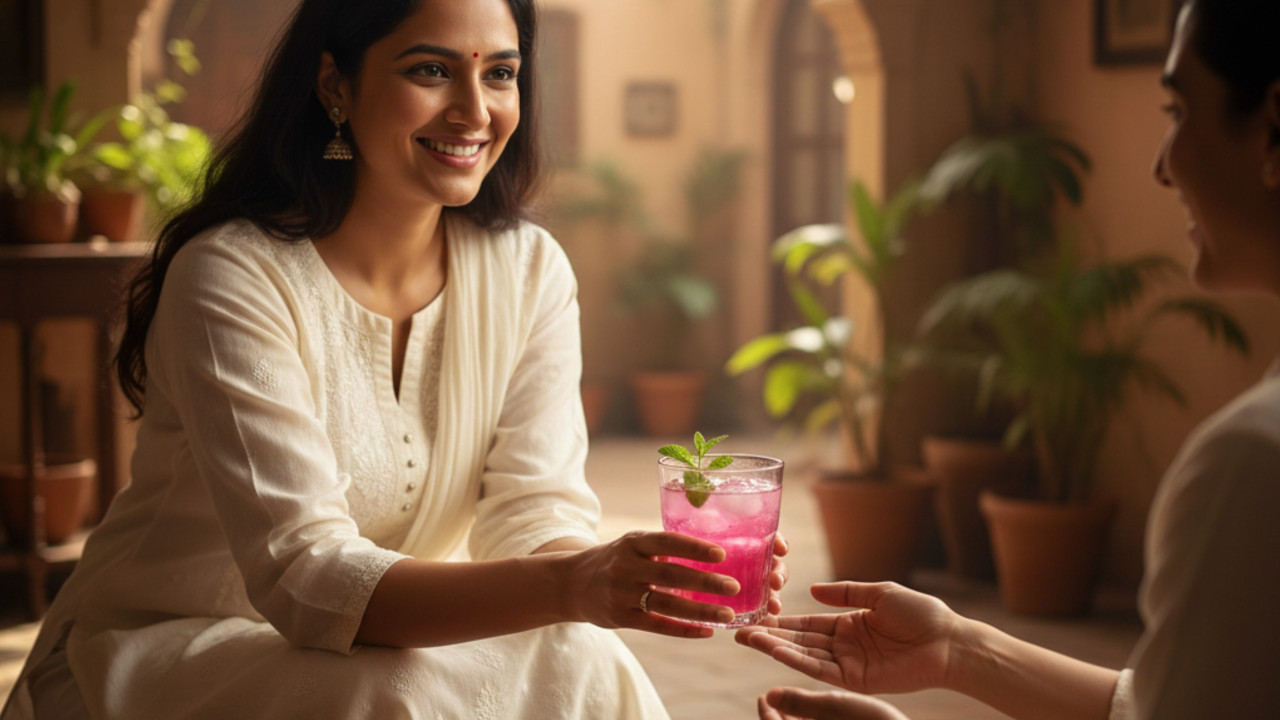 Across hot plains, coastal regions, and dry villages, Sharbat is commonly served on long summer days. Except in winter, it is a favorite way to cool the body, reduce tiredness, and bring relief from the heat.
This gesture is not just about hospitality, but about care. Sharbat helps calm the body and mind, quenches thirst, and restores energy after travel, work, or time spent in the sun.
Its roots come from Ayurveda. Known as Sharkarodaka or Sharabath, it is made using herbs, flowers, and natural syrups chosen to balance the body during hot seasons.
Unlike modern sugary drinks, traditional Sharbat supports health. It hydrates, soothes the system, and refreshes the senses. Simple and timeless, Sharbat reminds us that true refreshment comes from balance and mindful living.
The Roots of Sharbat in Ayurveda
Ayurveda is known for clearly recording everyday health practices. The preparation and use of Sharbat are explained in several classical texts, showing its value in both daily care and healing.
1. Bhavaprakasha Nighantu – A Key Ayurvedic Text
The Bhavaprakasha Nighantu, written in the 16th century by Bhava Mishra, is one of the most important Ayurvedic reference books. In the section on prepared foods (Kritanna Varga), it describes a drink called Sharkarodaka or Sharabath.
The text explains that water is mixed with sugar candy until dissolved. To this, fine powders of cardamom, clove, camphor, and pepper are added and blended well. This simple mixture is called Sharkarodaka.
Though the recipe is short, it is carefully designed. Each ingredient is chosen not just for taste, but for its specific effect on the body, creating a balanced and refreshing drink.
2. Bhojana Kutuhalam – Food as Medicine
Another important text, Bhojana Kutuhalam by Raghunathasuri, focuses on food and diet. It describes Sharbat as an easy-to-make, refreshing drink suitable for daily use. The ingredients are similar—sugar, cold water, and spices like cardamom, clove, camphor, and pepper.
The text explains Sharbat’s qualities in simple terms: it is cooling, light to digest, strengthening, tasty, and appetite-improving. It helps balance the body, especially in hot conditions, and is useful for thirst, burning sensations, nausea, faintness, and heat-related discomfort.
These classical descriptions became the foundation for many regional versions of Sharbat. Popular varieties like Gulab Sharbat, Nimbu Paani, and Jeera Sharbat all grew from this original Ayurvedic understanding of balance, cooling, and care.
The Ayurvedic Science Behind Sharbat Ingredients
To understand why Sharbat works so well, Ayurveda looks closely at each ingredient. Every substance is studied through its taste (Rasa), qualities (Guna), potency (Virya), post-digestive effect (Vipaka), and unique action (Prabhava). Together, these factors explain how Sharbat cools, refreshes, and restores balance.
1. Water (Jala)
Water is the base and carrier of the drink. Traditionally, it should be clean, cool, and ideally stored in an earthen pot, which naturally enhances its cooling effect. Water is sweet in nature, cooling, and helps balance all three doshas, especially Pitta. It hydrates the body and calms heat.
2. Rock Sugar (Mishri)
Mishri is the main sweetener and is very different from refined white sugar. It is naturally crystallized from sugarcane juice and is gentler on the body.
In Ayurveda, Mishri is sweet, cooling, slightly heavy, and nourishing. It calms Vata and Pitta, provides quick energy, and soothes dryness and heat. Unlike refined sugar, it is considered more balancing and less irritating to digestion.
3. Cardamom (Ela)
Known as the “queen of spices,” cardamom adds both flavor and balance.
It is light, mildly sweet and pungent, and cooling in effect. Cardamom supports digestion, prevents heaviness from the sugar, and keeps the drink easy to digest. It helps balance Kapha and Vata, while also gently supporting Pitta.
4. Clove (Lavanga)
Clove is warming and sharp, but it is used only in very small amounts.
Its role is to stimulate digestion and keep metabolism active. Even though Sharbat is cooling and sweet, clove ensures the digestive fire (Agni) does not become weak. It helps clear channels and prevents sluggishness.
5. Camphor (Karpura)
Camphor has a strong aroma and a powerful cooling effect.
It helps quickly reduce burning sensations, calm excess heat, and refresh the mind. Camphor is especially effective in balancing Pitta and Kapha. Its penetrating nature clears stagnation and helps relieve fatigue and faintness caused by heat.
6. Black Pepper (Maricha)
Black pepper is pungent, sharp, and warming, but again used only in a pinch.
Its main role is to improve absorption. It helps the body properly receive and use the benefits of all the ingredients. Black pepper also balances the extreme coldness of water and camphor, keeping the drink effective but gentle.
7. The Power of Combination
The true strength of Sharbat lies in how these ingredients work together. The cooling and nourishing effects of water and Mishri are carefully balanced by small amounts of digestive spices. This creates a drink that cools without harming digestion, sweetens without heaviness, and hydrates while keeping the body’s channels clear.
As a result, classical Sharbat is considered tridoshahara—supportive of all three doshas—making it both refreshing and therapeutic.
Ayurvedic Guna and How Sharbat Affects the Body
Based on the combined effect of its ingredients, classical Sharbat exhibits the following core qualities and actions:
- Sheetala (Cooling): The predominant action. It directly counters external and internal heat, making it the beverage of choice for summer (Greeshma Ritu) and for Pitta-predominant individuals.
- Sara (Motile/ Laxative): It promotes gentle downward movement in the intestines, preventing constipation (a Vata disorder) and helping eliminate excess Pitta and heat through the bowels. This is not a strong purgative but a regulating action.
- Madhura (Sweet): Nourishes all seven dhatus (tissues), starting with Rasa (plasma). This provides immediate and sustained energy, combating debility.
- Tridoshahara (Balancing to Vata, Pitta, and Kapha): While profoundly Pitta-Vata pacifying, the inclusion of spices like cardamom, clove, and pepper prevents Kapha aggravation from the sweet and heavy components, making it suitable in moderation for all constitutions, especially in hot weather.
- Rasayana (Rejuvenative): By nourishing the Rasa dhatu, it supports the sequential nourishment of all subsequent tissues (blood, muscle, fat, bone, marrow, reproductive tissue), acting as a foundational rejuvenator.
- Deepana & Pachana (Appetizer & Digestive): Stimulates Agni without increasing Pitta, preparing the digestive tract for the next meal. It clears Ama (metabolic toxins) through its subtle pungent elements.
- Brihana (Nourishing): Provides substantial caloric and subtle nourishment, ideal for the weak, emaciated, or those recovering from illness.
- Hridya (Cardiotonic & Pleasant): Comforts the heart and mind. The sweet taste and pleasant aroma are inherently satisfying and anxiety-reducing.
- Trishnahara (Thirst-Quenching): Genuinely hydrates at a deep, cellular level (dhatu level), unlike diuretic beverages that can exacerbate dehydration.
How Sharbat Supports Health: Uses and Benefits
Sharbat is more than just a refreshing drink—it’s a versatile Ayurvedic remedy. Its cooling, nourishing, and balancing properties make it helpful for a wide range of health concerns, especially those related to heat, dehydration, and Vata imbalance.
1. Cooling Pitta Disorders
- Burning sensations (Daha): Relieves heat in the eyes, skin, stomach, or palms.
- Acid reflux / Heartburn (Amlapitta/GERD): Soothes the inflamed digestive lining.
- Bleeding issues (Raktapitta): Helps with nosebleeds, bleeding gums, and other heat-related bleeding.
- Inflammatory skin conditions: Supports internal cooling for rashes, urticaria, and heat-driven skin problems.
2. Fever (Jwara)
- Effective for fevers with high heat, thirst, and restlessness.
- Cools the system and replenishes fluids lost through sweating.
- Provides easily digestible nourishment when solid food is not possible.
3. Dehydration and Fatigue
- Relieves tiredness (Shramahara): Refreshes after work, travel, or heat exposure.
- Prevents fainting (Sanyasahara): Sugar provides instant energy; camphor and spices stimulate alertness.
- Boosts strength and immunity (Balya): Acts as a tonic for children, the elderly, and recovering patients.
- Reduces general weakness (Daurbalya): Supports energy, muscle strength, and vitality.
4. Digestive Support
- Loss of appetite (Aruchi): Restores taste and desire to eat.
- Nausea and vomiting (Chardi): Soothes the stomach and calms digestive disturbances.
- Diarrhea (Atisara): Cooling and nourishing, helps manage Pitta-related loose stools and inflammation.
5. Reproductive Health and Vitality
- Aphrodisiac (Shukrala): Nourishes reproductive tissues and enhances vigor.
- Often used in Vajikarana therapy to improve vitality and strength.
6. Mental and Emotional Well-being
- Mental burnout (Manasika Daha): Cools the mind and reduces irritability, anger, and stress.
- Cognitive support (Medhya): Provides steady energy for focus, clarity, and mental alertness.
Seasonal Relevance (Ritucharya) and Preventive Healthcare
Ayurveda emphasizes living in harmony with the seasons. Sharbat is a cornerstone of Ritucharya (seasonal regimen), especially during:
- Greeshma Ritu (Summer): The predominant season for Sharbat. The intense heat and sun deplete bodily fluids, aggravate Pitta, and weaken digestion. Cool, liquid, sweet, and nourishing Sharbats are ideal to counteract this.
- Varsha Ritu (Monsoon): Digestive Agni is at its weakest. Light, digestible Sharbats with ginger or long pepper can stimulate digestion without burdening the system.
- Sharad Ritu (Autumn): Pitta accumulated over summer can manifest in autumn. Cooling Sharbats help flush out this accumulated heat.
Modern Sharbat Variations and Popular Flavors
The classical formula is a template. Over centuries, countless medicinal herbs, fruits, and flowers have been incorporated to create Sharbats for specific needs.
- Gulab Sharbat (Rose): The quintessential coolant. Rose is a supreme heart tonic (hridya) and Pitta pacifier, excellent for emotional heat and skin health.
- Khas Khas Sharbat (Vetiver): Profoundly cooling, it is a specific for high Pitta conditions, burning micturition, and sunstroke.
- Bel Sharbat (Wood Apple): A specific for gastrointestinal issues. Excellent for diarrhea, dysentery, and irritable bowel syndrome, balancing both Vata and Pitta in the gut.
- Anardana Sharbat (Pomegranate): Rich in antioxidants, it is hridya, ruchya, and excellent for blood health, anemia, and digestion.
- Nimbu Sharbat (Lemon): While lemon is acidic, when mixed with water, sugar, and salt, it becomes alkalizing and a fantastic electrolyte replacer, perfect for cramps and dehydration.
- Jeera Sharbat (Cumin): A superior digestive. Cumin kindles Agni, reduces bloating, and is excellent for pregnant women to combat nausea.
How to Prepare and Serve Sharbat the Ayurvedic Way
The method of preparation is crucial to preserving the prana (life force) and properties of the ingredients.
- Water: Use clean, filtered water. For maximum cooling effect, water can be stored overnight in an earthen pot or a copper vessel (if suitable for one’s constitution).
- Sweetener: Prefer Mishri (rock sugar), Guda (jaggery) for Vata, or honey (for Kapha, but never added to hot water). Refined white sugar should be avoided due to its inflammatory, ama-producing potential.
- Ingredients: Use fresh, high-quality spices. Grind them freshly for each preparation to preserve volatile oils.
- Mixing: Dissolve the sweetener completely in water first. Then add powdered spices and stir thoroughly.
- Serving: It should be served fresh, ideally at room temperature or slightly cool. Icy cold drinks can shock the digestive Agni and are discouraged in Ayurveda.
- Timing: The ideal time is midday, between 10 am and 2 pm, when the sun is at its peak and Pitta is naturally high. It should not be consumed with or immediately after a meal, as it can dilute digestive juices. A gap of at least 1 hour before or after meals is optimal.
- Dose: A moderate serving of 100-150 ml is sufficient. Excess can lead to Kapha aggravation, cold, or cough.
Ayurvedic Sharbat: Research & Evidence
Below is a summary of research, clinical relevance, and herbal evidence for Ayurvedic and Unani Sharbat preparations.
| Category | Sharbat / Ingredient | Traditional Use | Research / Evidence | Source URL |
|---|---|---|---|---|
| Clinical | Sharbat Habb‑ul‑Aas (Unani) | Treats leukorrhea (vaginal discharge) | A clinical study reported 76% symptom improvement | Link |
| Clinical / Respiratory | Sharbat‑e‑Nazla (Unani) | Respiratory infections, inflammation | Anti-inflammatory, antiviral, antibacterial, and bronchodilatory effects reported | Link |
| Herbal / Ayurvedic | Rose petals | Cooling, antioxidant, anti-inflammatory | Botanical review shows antioxidant, anti-inflammatory, and antimicrobial activities | Link |
| Herbal / Ayurvedic | Fennel (Foeniculum vulgare) | Digestive aid for bloating, gas, and appetite | Ethnobotanical and phytochemical review shows digestive, antioxidant, and anti-flatulent activities | Link |
| Herbal / Ayurvedic | Fennel (general use) | Digestive support, relief from gas/bloating | Traditional use cited with potential digestive effects | Link |
⚠️ Note: Most scientific evidence comes from Unani clinical studies or research on individual herbal ingredients. Direct clinical trials on classical Ayurvedic Sharbat recipes are limited.
Sharbat Precautions: Who Should Avoid It
While beneficial, Sharbat is not for everyone at all times:
- Kapha Aggravation: Individuals with high Kapha, obesity, diabetes, or congestion should consume it sparingly, using honey as a sweetener and increasing pungent spices.
- Ama (Toxicity): If one has signs of ama—heavy white tongue coating, lethargy, bloating—a simple Sharbat may be too heavy. Digestive spices like dry ginger or long pepper should be emphasized.
- Diabetes (Prameha): Must be prepared with extreme caution, using permitted sweeteners like stevia or small amounts of honey under guidance.
- Cold and Cough (Pratishyaya, Kasa): Especially if of Kapha origin, the cooling property can worsen mucus production.
In a world full of carbonated drinks, artificial juices, and caffeine-packed beverages that often drain the body, Ayurvedic Sharbat stands out as a symbol of holistic wisdom. It is a drink where enjoyment meets healing, hospitality becomes a form of care, and a simple glass helps restore the body’s natural balance with the rhythms of nature.