
Stop Hair Fall: Ayurvedic Solutions That Work

In a world overflowing with quick-fix serums and chemical-heavy treatments that promise instant results, more and more people are stepping away from the hype and turning to something far older—and wiser: Ayurveda. Instead of just masking the symptoms of hair loss, Ayurveda takes a deeper approach, getting to the root of the problem. 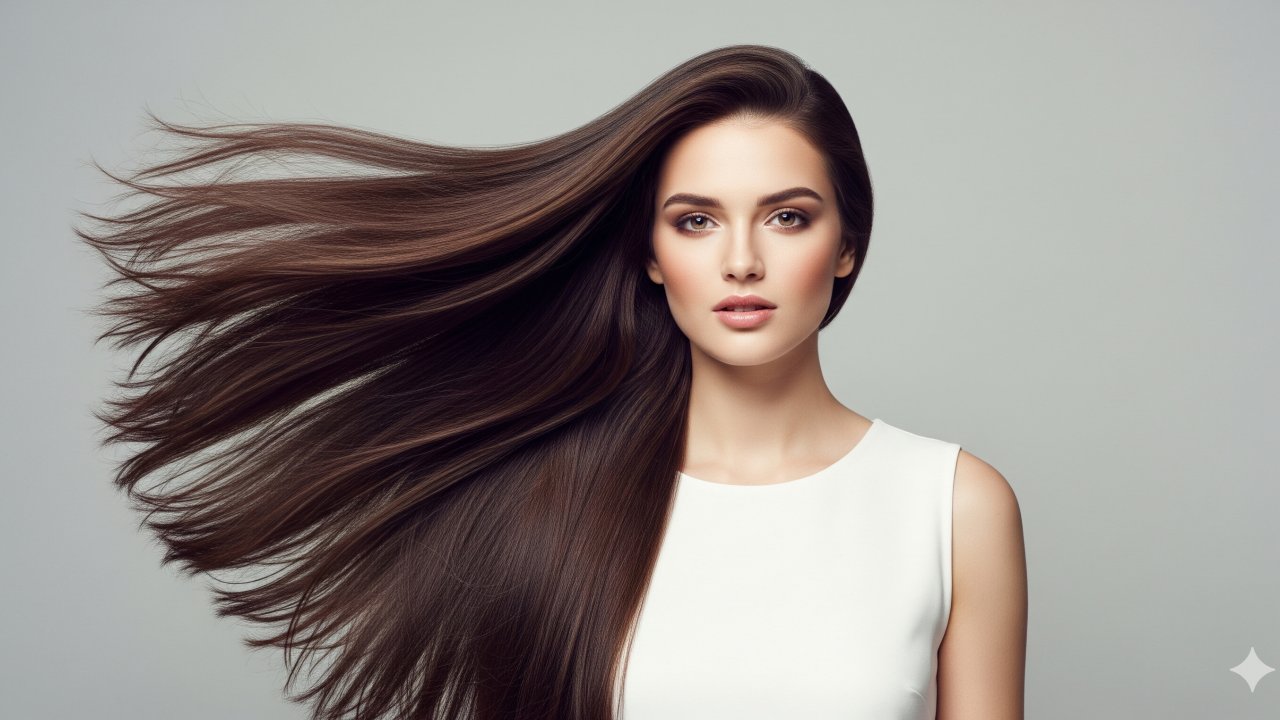 It’s not just about what you put on your scalp, but how you care for your entire body from the inside out. Ayurveda—literally meaning “the science of life” (from the Sanskrit words Ayur = life and Veda = knowledge)—teaches that real health comes from balance: between body, mind, and spirit.
According to this ancient system, your hair is more than just something to style—it’s a reflection of your internal health. Strong, shiny hair is a sign of good digestion, a peaceful mind, and overall vitality. On the flip side, thinning, dryness, or hair fall are seen as signals that something deeper is out of sync.
The Ayurvedic Approach to Hair Health
In today’s world, conventional treatments for hair loss—like minoxidil, prescription medications, or even hair transplants—tend to focus on symptoms rather than causes. While they can be effective to a degree, they often overlook a critical question: Why is the hair falling out in the first place?
Ayurveda offers a completely different perspective. Rather than isolating hair as a separate issue, it views your hair as a reflection of your internal health. The goal isn’t just to stop hair loss—it’s to restore balance in your entire system.
Hair as a Byproduct of Tissue Formation
One of the key insights Ayurveda brings to the table is the idea that hair (referred to as Kesha) is a byproduct of bone tissue formation.
Hair and Bone Connection: The Concept of Upadhatu
In Ayurveda, Upadhatu refers to secondary tissues formed as byproducts during the creation of primary tissues. Hair is considered an Upadhatu of Asthi Dhatu (bone tissue). Here’s what that means in practical terms:
- The health of your hair is deeply tied to the strength and vitality of your bones.
- When your body is efficiently producing strong bone tissue, any excess nutrition goes toward supporting healthy hair.
- If bone tissue is weak or poorly nourished, hair becomes one of the first areas to show signs of imbalance.
What This Means for You
This connection explains why Ayurveda emphasizes holistic nourishment rather than quick fixes. Supporting bone health automatically benefits your hair.
Understanding Hair Loss Through Ayurveda: Digestion, Toxins & Doshas
Hair loss isn’t just a cosmetic issue—according to Ayurveda, it’s a sign of deeper imbalances in the body. At the heart of this approach lies the health of your digestion and the balance of your unique doshas. Let’s explore how these fundamental Ayurvedic concepts relate to hair health and how they can help you find lasting solutions.
The Root of the Problem: Agni and Ama
In Ayurveda, everything begins with digestion. The strength of your Agni (digestive fire) determines how well your body absorbs nutrients and builds healthy tissues.
When Agni is Strong:
- Food is fully digested.
- Nutrients nourish the body’s tissues (Dhatus) in the correct sequence.
- Hair receives sufficient nourishment, promoting healthy growth.
When Agni is Weak:
- Digestion is incomplete.
- Undigested food turns into Ama, a toxic, sticky substance.
- Ama clogs bodily channels (Srotas), including the micro-channels that supply hair follicles.
Hair follicles become deprived of nutrition and choked by toxins, leading to:
- Weak, thinning hair
- Disrupted hair growth cycle
- Premature hair fall
Key Insight: The first step in any Ayurvedic hair care routine is not external treatments—it’s restoring your digestion.
Understanding Hair Loss Through the Doshic Lens
Ayurveda identifies three fundamental biological energies, or doshas: Vata, Pitta, and Kapha. Everyone has a unique combination of these, called their Prakriti (constitution). Hair issues arise when one or more doshas go out of balance (Vikriti).
1. Pitta Imbalance
Pitta Dosha is made of Fire and Water. It governs heat, metabolism, and transformation.
How Pitta Affects Hair:
- Generates excess heat in the scalp
- “Burns” the hair follicle, shortening the hair growth phase
- Triggers inflammation and oiliness
Signs of Pitta Hair Imbalance:
- Thinning hair (especially at crown and temples)
- Premature graying or whitening
- Early-onset baldness
- Oily, red, or inflamed scalp
Common Triggers:
- Spicy, sour, salty, or fermented foods
- Caffeine, alcohol, red meat
- Emotional stress, anger, frustration
- Sun exposure, chemical treatments
2. Vata Imbalance
Vata Dosha is composed of Air and Ether. It controls movement, circulation, and the nervous system.
How Vata Affects Hair:
- Reduces moisture and nourishment
- Disrupts circulation to hair follicles
- Leads to dryness and fragility
Signs of Vata Hair Imbalance:
- Dry, frizzy, brittle hair
- Split ends and breakage
- Hair fall spread across the scalp
- Dry, flaky dandruff
- Slower hair growth
Common Triggers:
- Irregular routines and eating habits
- Excessive travel or screen time
- Cold, dry foods (e.g., crackers, salads)
- Anxiety, fear, sleep irregularity
- Dehydration
3. Kapha Imbalance
Kapha Dosha is formed from Earth and Water. It governs structure, lubrication, and stability.
How Kapha Affects Hair:
- Increases oiliness and heaviness
- Clogs hair follicles
- Promotes fungal issues and poor circulation
Signs of Kapha Hair Imbalance:
- Excessively oily scalp and hair
- Hair appears flat or greasy
- Sticky, moist dandruff
- Sluggish hair growth
- Scalp infections or buildup
Common Triggers:
- Diet rich in dairy, fried or sugary foods
- Sedentary lifestyle, lack of movement
- Oversleeping, especially during the day
- Emotional lethargy or attachment
Finding Your Dosha Imbalance
Most people don’t fall into just one category. You may experience a combination—like a Pitta-Vata imbalance—which requires a tailored approach to healing.
Ayurvedic Self-Awareness Tip:
- Pay attention to patterns: Is your scalp oily but your hair dry? That might signal both Kapha and Vata imbalances.
- Observe your digestion, emotions, and sleep patterns—they all play a role in your doshic balance.
Diet and Lifestyle for Luscious Locks
Ayurvedic remedies are ineffective without this foundational pillar. You cannot oil your way out of a poor diet. Internal nourishment is non-negotiable.
The Ayurvedic Hair Diet: Food as Medicine
Your diet should be tailored to pacify your aggravated dosha, but some universal principles apply.
1. Pacify Pitta: Favor cool, sweet, bitter, and astringent foods.
- Enjoy: Sweet fruits (mangoes, melons, cherries, coconuts), leafy greens (spinach, kale, cilantro), vegetables (asparagus, broccoli, cauliflower), whole grains (oats, barley, wheat), and healthy fats (coconut oil, ghee, avocado).
- Avoid/Avoid: Excessive spicy, sour, and salty foods; vinegar, fermented foods, alcohol, caffeine, and red meat.
2. Soothe Vata: Favor warm, moist, nourishing, and slightly oily foods.
- Enjoy: Cooked vegetables (sweet potatoes, carrots, beets), warm soups and stews, healthy fats (sesame oil, olive oil, ghee), nuts and seeds (soaked overnight), dairy, and sweet ripe fruits.
- Avoid/Avoid: Cold, dry, and raw foods (like salads and crackers), excessive caffeine, and carbonated drinks.
3. Balance Kapha: Favor light, warm, dry, and stimulating foods.
- Enjoy: Lightly cooked vegetables (especially leafy greens, broccoli, Brussels sprouts), legumes, spices (ginger, black pepper, turmeric), apples, pears, and quinoa.
- Avoid/Avoid: Dairy, fried foods, processed sugars, excessive bread, and red meat.
Hair Superfoods for All Doshas
- Amla (Indian Gooseberry): The crown jewel of Ayurvedic hair care. Unbelievably rich in Vitamin C and antioxidants, it strengthens the hair shaft, promotes growth, and prevents premature graying. Consume the fresh fruit, powder, or juice.
- Soaked Nuts and Seeds: Almonds, walnuts, flax seeds, and pumpkin seeds are packed with Omega-3s, zinc, and biotin—all essential for hair strength. Soaking overnight makes them easier to digest.
- Ghee: Clarified butter is a supreme nourisher (Snehan) that helps carry the benefits of herbs deep into the tissues and pacifies Vata and Pitta.
- Leafy Greens: Spinach, kale, and cilantro are rich in iron, folate, and vitamins crucial for follicle health.
Lifestyle and Routine (Vihara)
1. Stress Management: Chronic stress is a primary driver of Pitta and Vata imbalance and hair fall. Incorporate:
- Yoga: Forward bends like Uttanasana (Standing Forward Bend) and Adho Mukha Svanasana (Downward-Facing Dog) increase blood flow to the scalp. Inversions like Sirsasana (Headstand) are powerful but should be learned with a teacher.
- Pranayama (Breathwork): Nadi Shodhana (Alternate Nostril Breathing) is exceptionally calming and balances both hemispheres of the brain, reducing stress.
- Meditation: Even 10 minutes a day can significantly lower cortisol levels, the stress hormone linked to hair loss.
2. Adequate Sleep: Aim for 7-8 hours of quality sleep before midnight. This is when the body repairs itself, including hair follicles.
3. Regular Exercise: Boosts overall circulation, including to the scalp. Choose exercises that suit your dosha—soothing walks for Pitta, gentle yoga for Vata, and invigorating workouts for Kapha.
External Ayurvedic Remedies
With a strong internal foundation, external treatments become profoundly more effective.
The Sacred Scalp Massage (Champi)
This is the non-negotiable, most important ritual in Ayurvedic hair care.
Benefits: Massaging the scalp with warm oil pacifies Vata dosha, reduces stress, stimulates blood circulation, nourishes the roots, strengthens the hair shaft, and creates a protective barrier against environmental damage.
How to Do It:
- Choose an oil based on your dosha (see below).
- Warm the oil slightly by placing the bottle in a bowl of hot water. It should be warm, not hot.
- Part your hair into sections.
- Using your fingertips (not nails), apply the oil to your scalp and massage in small, firm circular motions. Cover your entire scalp.
- Continue for 10-15 minutes. This is a meditation, not a race.
- Gently work the oil down the length of your hair.
- Leave the oil on for at least 30 minutes. For deep treatment, leave it overnight wrapped in a towel.
- Wash out with a gentle, natural shampoo or an herbal hair wash.
Medicinal Oil (Taila) for Hair Fall Control
1. For Pitta (Heat, Thinning): Cooling oils are best.
- Coconut Oil: The classic cooling oil. It helps reduce scalp inflammation and is light enough for fine hair.
- Brahmi Oil: Renowned for its calming properties, it cools the scalp and promotes thickness.
- Amala Oil: Cooling and strengthening.
2. For Vata (Dryness, Breakage): Nourishing, warming oils are ideal.
- Sesame Oil: The go-to Vata pacifier. It’s deeply nourishing and warming. Excellent for dry, brittle hair.
- Bhringraj Oil: The “King of Herbs” for hair. It is a potent nourisher, promotes dark pigmentation, and is fantastic for Vata-related hair loss.
3. For Kapha (Oiliness, Dandruff): Light, drying, and stimulating oils work best.
- Mustard Oil: Warming and stimulating, it helps clear Kapha congestion from the follicles. (Use in moderation and mix with a lighter oil if too strong).
- Neem Oil: Antibacterial and antifungal, it is excellent for treating Kapha-related dandruff and scalp infections. Always dilute neem oil with a carrier oil like coconut or jojoba.
Herbal Powders for Hair Washing (Uptan)
Before shampoo was invented, Indians washed their hair with these powerful herbs. They cleanse without stripping the hair of its natural oils.
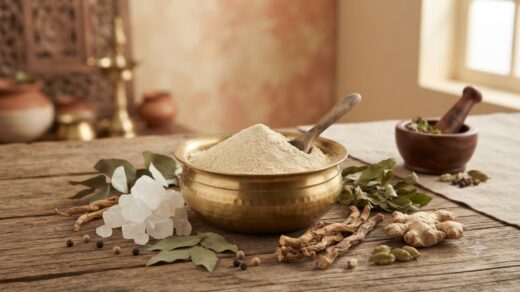
- Shikakai (“Fruit for the Hair”): A gentle, natural cleanser that creates a mild lather.
- Reetha (Soapnut): A natural surfactant that cleanses dirt and excess oil.
- Amla Powder: Conditions, adds shine, and strengthens hair.
How to Use: Mix 1-2 tablespoons of powder (e.g., 1 part Reetha, 1 part Shikakai, ½ part Amla) with warm water or yogurt to form a smooth paste. Apply to wet hair and scalp, massaging gently. Leave on for 5-7 minutes and rinse thoroughly. It will not lather like shampoo, but it will cleanse deeply.
Nourishing Herbal Hair Masks
- Amla & Brahmi Mask: Mix amla and brahmi powder with water or coconut milk to form a paste. Apply for 30 minutes. Strengthens and promotes growth.
- Fenugreek (Methi) Seed Mask: Soak fenugreek seeds overnight, grind into a paste, and apply. Excellent for conditioning and treating dandruff.
- Hibiscus Mask: Grind fresh red hibiscus flowers and leaves with a little water. This paste is a phenomenal conditioner, prevents split ends, and enhances hair’s dark color.
- Aloe Vera Gel: Pure, fresh aloe vera gel applied directly to the scalp is incredibly soothing for Pitta-related inflammation and itchiness.
Take Action: Your Ayurvedic Routine
For a Pitta-Dominant Imbalance:
- Diet: Focus on cooling foods. Drink coconut water. Take 1 tsp of amla powder with warm water daily.
- Lifestyle: Practice cooling pranayama like Sheetali (cooling breath). Avoid excessive sun exposure on your head.
- Weekly Treatment: Massage cool coconut oil infused with brahmi into your scalp 2-3 times a week. Wash with a gentle shampoo or an herbal paste. Apply aloe vera gel as a leave-in conditioner if needed.
For a Vata-Dominant Imbalance:
- Diet: Eat warm, nourishing meals. Include plenty of healthy fats. Have a handful of soaked almonds daily.
- Lifestyle: Maintain a regular routine. Prioritize sleep. Practice grounding yoga and meditation.
- Weekly Treatment: Massage warm sesame or bhringraj oil into your scalp 3 times a week. Leave it on for as long as possible. Follow with a warm towel wrapped around your head to allow deeper penetration. Wash out and use a deep conditioner like an avocado mask.
For a Kapha-Dominant Imbalance:
- Diet: Avoid oily and sugary foods. Drink warm water with ginger and lemon throughout the day.
- Lifestyle: Engage in vigorous exercise. Dry brush your body before showering to stimulate circulation.
- Weekly Treatment: Massage a light blend of neem and coconut oil into your scalp once a week. Wash your hair more frequently with a Shikakai-Reetha-Amla paste to manage oil. Use a clay mask on the scalp once a week to draw out impurities.
Important Ayurvedic Herbs for Hair
- Bhringraj (Eclipta alba): The undisputed king. It is a Rasayana (rejuvenator) for hair, promoting growth, darkening pigmentation, and preventing fall.
- Amla (Emblica officinalis): The premier source of Vitamin C, strengthening hair from root to tip and preventing premature aging.
- Brahmi (Bacopa monnieri): A powerful brain tonic and adaptogen that reduces stress-induced hair fall and nourishes the roots.
- Neem (Azadirachta indica): The ultimate purifier. Its antibacterial and antifungal properties make it indispensable for treating dandruff and scalp infections.
- Ashwagandha (Withania somnifera): An adaptogen that helps the body manage stress, balancing cortisol levels and supporting hormonal health, a key factor in hair loss.
- Gotu Kola (Centella asiatica): Stimulates collagen production, improves circulation to the scalp, and strengthens hair follicles.
Cautions and Final Considerations
As you embark on this journey, keep these points in mind:
- Patch Test: Always test new oils or herbs on a small area of your skin (like the inner arm) 24 hours before full application to check for allergic reactions.
- Quality is Paramount: Source your herbs and oils from reputable companies that offer organic, pure, and chemical-free products. The potency matters.
- Patience and Consistency: Ayurveda is not a quick fix. It is a gradual process of restoring balance. Commit to these practices for at least 3-6 months to see significant, lasting results.
- Consult a Professional: If your hair loss is severe, sudden, or accompanied by other symptoms, please consult a healthcare provider or a trained Ayurvedic practitioner. They can help you identify any underlying medical conditions and create a personalized plan (Chikitsa).
Ayurvedic solutions naturally combat hair fall by targeting root causes like stress, poor diet, and dosha imbalances, using herbs like Bhringraj, Amla, and Ashwagandha, along with practices like oil massages, balanced diet, and yoga.

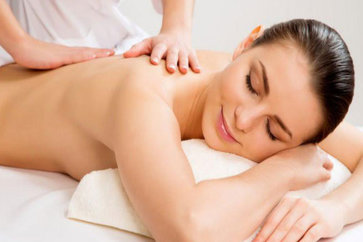
















Yes its true, I tried lots of cosmetic products to reduce hair loss but it was of no use, Then I went for the natural remedies & natural treatment like Ayurveda, its proved best
Thanks to Ayurveda