List of Top Alternative Medicine Practices You Should Know

The question, “What are the types of alternative healing methods?” is gaining attention in communities, media, and health discussions. As interest grows, more people are exploring complementary and alternative medicine (CAM) due to dissatisfaction with conventional treatments, cultural beliefs, or a desire for natural approaches to health.  CAM includes a wide range of practices, such as acupuncture, herbal remedies, massage therapy, meditation, and energy healing. What qualifies as alternative medicine varies globally—massage is alternative in the U.S. but mainstream in Canada.
While some methods are centuries old and rooted in tradition, others lack scientific validation, raising questions about safety and effectiveness. Understanding the types of alternative healing, their global recognition, and their benefits and risks helps individuals make informed decisions.
As curiosity and acceptance continue to grow, it becomes even more important to examine these therapies with an open yet critical perspective.
Defining Alternative Medicine
Alternative medicine includes healing practices that fall outside the framework of modern Western medicine. These methods often lack scientific validation according to conventional biomedical standards.
- Scientific Validity and Policy: A treatment is typically labeled “alternative” if it hasn’t been proven effective through scientific research accepted by Western medicine.
- Cultural Variability: What qualifies as alternative medicine can vary widely by region. For example, massage therapy is considered alternative in the U.S. but is part of standard care in Canada.
- Complementary vs. Alternative: If used alongside conventional treatment, it’s considered complementary; if used in place of it, it’s deemed alternative.
- Major Categories of Alternative Healing Methods
Alternative healing encompasses a wide variety of systems and practices. One of the most well-established and globally recognized categories is Traditional Medical Systems—holistic frameworks that have guided health and healing for thousands of years across different cultures.
Traditional Medical Systems
These are not isolated treatments but complete systems of health philosophy, often addressing physical, mental, and spiritual well-being. They typically use a combination of herbal medicine, dietary guidelines, physical therapies, and lifestyle changes. Here’s a closer look at some of the most influential systems:
1. Ayurveda
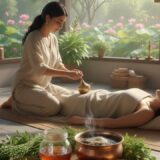
- Originating in India over 3,000 years ago, Ayurveda is a holistic healing system that aims to balance the body’s three energies or doshas: Vata (air and space), Pitta (fire and water), and Kapha (earth and water).
- Treatments include herbal remedies, dietary plans, detoxification (Panchakarma), yoga, and meditation.
- Emphasis is placed on preventive care, personal constitution, and lifestyle alignment with natural cycles.
2. Traditional Chinese Medicine (TCM)
- Developed over 2,500 years ago in China, TCM is based on the concept of Qi (vital life force) and the balance of Yin and Yang.
- It uses a variety of practices, including acupuncture, herbal medicine, Tai Chi, Qigong, cupping, and dietary therapy.
- TCM views illness as an imbalance in the body’s energy and seeks to restore harmony through individualized treatment plans.
3. Homeopathy
- Founded in the 18th century by German physician Samuel Hahnemann, homeopathy is based on the idea that “like cures like”—a substance that causes symptoms in a healthy person can, in very small doses, treat those same symptoms in a sick person.
- Remedies are made from natural substances and are highly diluted, often to the point where no molecules of the original substance remain.
- While controversial in scientific circles, homeopathy remains popular in Europe, India, and parts of Latin America.
4. Naturopathy
- Naturopathy combines traditional healing methods with modern science, focusing on the body’s innate ability to heal itself.
- Treatments often include diet and lifestyle counseling, herbal supplements, hydrotherapy, massage, and stress reduction techniques.
- Naturopathic doctors (NDs) undergo formal education and may integrate diagnostic tools from Western medicine with natural therapies.
Key Characteristics of Traditional Medical Systems
- Holistic Approach: Treats the whole person—body, mind, and spirit—rather than just isolated symptoms.
- Personalization: Therapies are tailored to the individual’s constitution, lifestyle, and environment.
- Prevention-Focused: Emphasizes maintaining health and preventing disease rather than reacting to illness.
- Natural Remedies: Relies heavily on herbs, food, and non-invasive therapies over synthetic drugs or surgeries.
Biologically-Based Practices
Biologically-based practices in alternative medicine rely on natural substances—such as herbs, foods, and nutrients—to support or restore health. These methods are among the most accessible and commonly used forms of complementary and alternative medicine (CAM) across the globe.
Unlike many conventional treatments, these approaches often focus on the body’s nutritional and chemical balance, though not all are supported by consistent scientific evidence. Some carry risks due to lack of regulation, standardization, or interaction with medications.
1. Herbal Supplements
- Derived from plants, roots, leaves, flowers, or seeds, herbal supplements are used to treat a wide variety of conditions—from anxiety and insomnia to digestive issues and chronic pain.
- Popular herbs include echinacea (for immunity), ginseng (for energy), and St. John’s Wort (for depression).
- Despite their natural origins, herbal products are often unregulated in many countries, including the U.S., leading to concerns about dosage accuracy, ingredient purity, and potential side effects or drug interactions.
2. Dietary Therapy
- This approach uses customized nutrition plans to prevent or manage illnesses like diabetes, hypertension, and autoimmune diseases.
- Methods range from elimination diets (to identify food sensitivities) to anti-inflammatory diets and raw or plant-based eating.
- Some diets used in CAM, such as the macrobiotic diet or alkaline diet, emphasize balance and cleansing, though their health claims may not be universally supported by science.
3. Vitamins and Minerals
- Micronutrients like vitamin D, vitamin C, zinc, and magnesium are essential to many bodily functions and are often taken as supplements.
- Their classification as CAM depends on how they are used. For example, vitamin C is proven effective in preventing scurvy, but its use in preventing the common cold is still debated.
- Excessive use can be harmful, especially when megadoses are taken without medical guidance or in the belief that “more is better.”
Key Considerations
- Natural ≠ Safe: Many believe natural products are automatically safe, but some herbs and supplements can be toxic or interfere with medications.
- Regulatory Gaps: In some countries, supplements are sold without rigorous testing or ingredient disclosure.
- Individualized Response: Nutrient needs and reactions to supplements vary widely between individuals.
Mind-Body Interventions
Mind-body interventions are based on the understanding that mental and emotional states can significantly influence physical health. These approaches emphasize the connection between thoughts, feelings, and physiological responses, and are often used to manage stress, chronic pain, and emotional well-being.
These techniques are not only popular in alternative medicine but are increasingly being integrated into conventional medical care due to their supportive role in healing and overall wellness.
1. Meditation and Mindfulness
- These practices involve focusing attention and awareness to achieve a mentally clear and emotionally calm state.
- Meditation techniques range from silent breathing to mantra repetition and body scanning.
- Mindfulness encourages non-judgmental awareness of the present moment and is widely used in stress reduction, anxiety relief, and even pain management.
- Scientific studies have linked these practices to lower blood pressure, reduced anxiety, and improved immune function.
2. Hypnosis
- Hypnosis is a deeply relaxed, trance-like state of focused attention often guided by a trained therapist.
- It is used to manage chronic pain, reduce anxiety, aid in smoking cessation, and overcome phobias or unwanted behaviors.
- Clinical hypnosis (also called hypnotherapy) works by bypassing conscious resistance to influence thought and behavior patterns.
- While some remain skeptical, research supports its effectiveness for specific conditions like IBS (Irritable Bowel Syndrome) and pain control during surgery or childbirth.
3. Guided Imagery and Visualization
- These techniques involve imagining peaceful, positive scenarios to reduce stress, support healing, or mentally rehearse successful outcomes.
- Often used in medical settings to ease anxiety before procedures or to help cancer patients cope with treatment.
- Visualization can also support immune function and pain relief by engaging the body’s relaxation response.
- Typically guided by a practitioner or an audio recording, these techniques blend relaxation with mental focus.
Key Benefits of Mind-Body Interventions
- Non-invasive and accessible to most people with minimal risk.
- Can be practiced alongside conventional treatments to improve outcomes.
- Promote self-awareness, emotional regulation, and resilience in coping with illness.
Manipulative and Body-Based Methods
Manipulative and body-based methods involve the physical movement or manipulation of the body to restore health, alleviate pain, and enhance overall well-being. These therapies focus on the musculoskeletal system and often integrate principles of body alignment, movement, and energy flow.
1. Chiropractic Care
- Chiropractic therapy is primarily centered on the manipulation and adjustment of the spine and joints to treat a variety of musculoskeletal issues.
- Spinal adjustments are believed to correct misalignments, or subluxations, that can disrupt the nervous system and lead to pain or dysfunction in other parts of the body.
- Chiropractors commonly treat conditions such as back pain, neck pain, headaches, and joint issues, and some also offer complementary therapies such as physical therapy and lifestyle advice.
- Chiropractic care is often considered a safe, non-invasive alternative to more traditional treatments like surgery or medication for certain conditions.
2. Massage Therapy
- Massage therapy is a hands-on technique that focuses on manipulating the muscles and soft tissues to relieve tension, reduce stress, and promote relaxation.
- Techniques vary widely, from Swedish massage (which uses long, flowing strokes for relaxation) to deep tissue massage (which targets muscle knots and chronic tension) to sports massage (aimed at athletes and injury recovery).
- Regular massage can enhance circulation, reduce muscle tension, alleviate chronic pain, and improve flexibility.
- It is also known for its psychological benefits, helping to lower stress levels and improve overall mood by promoting the body’s natural relaxation response.
3. Yoga and Tai Chi
- Yoga is an ancient practice that combines physical postures (asanas), breathing exercises (pranayama), and meditation to foster strength, flexibility, and mental clarity.
- There are many different styles of yoga, ranging from gentle (Hatha yoga) to more intense (Ashtanga or Vinyasa yoga) practices, allowing for a broad spectrum of approaches based on individual needs and abilities.
- Tai Chi, originating in China, is a form of martial arts that involves slow, deliberate movements, synchronized with deep breathing, and focuses on balance and relaxation.
- Both yoga and Tai Chi are increasingly recognized for their ability to reduce stress, improve balance, and manage conditions such as arthritis, chronic pain, and anxiety.
Key Benefits of Manipulative and Body-Based Methods
- Pain Relief and Healing: These methods can help alleviate muscle pain, joint stiffness, and chronic discomfort without the use of medication.
- Improved Flexibility and Mobility: Practices like yoga and Tai Chi promote physical wellness through movement, helping to increase flexibility, balance, and overall mobility.
- Stress Reduction: Techniques like massage, yoga, and Tai Chi encourage relaxation, reduce tension, and improve emotional health.
- Non-Invasive Treatment: These therapies are non-surgical and drug-free, providing a holistic approach to healing that focuses on the body’s natural ability to restore balance.
Energy Therapies
Energy therapies are based on the idea that healing energy flows through and around the body, influencing its health and vitality. These methods aim to balance or enhance the flow of this energy to promote physical, emotional, and spiritual healing.
Although the concept of energy is not universally accepted in scientific circles, these therapies have been practiced for centuries and are increasingly popular in CAM.
1. Reiki
- Reiki is a Japanese energy healing technique where a practitioner channels universal life force energy into the recipient by lightly placing their hands on or near the body.
- The belief is that this energy helps to remove blockages and restore balance to the body, allowing it to heal naturally.
- Reiki is often used for stress reduction, relaxation, and pain relief, as well as for emotional healing and promoting general well-being.
- While some studies suggest subjective benefits, scientific evidence for Reiki’s efficacy in terms of measurable physiological outcomes remains inconclusive.
2. Qigong
- Qigong is a traditional Chinese practice that combines movement, breathing exercises, and meditation to cultivate and balance Qi (life force energy) within the body.
- Practitioners perform slow, controlled movements while focusing on breath and intention, with the goal of enhancing energy flow and promoting healing.
- Qigong is commonly used to improve mental clarity, physical health, and to manage conditions like chronic pain, stress, and fatigue.
- Though much of its efficacy is anecdotal, studies suggest that Qigong can have positive effects on health by reducing stress and improving balance and flexibility.
3. Magnet and Light Therapies
- Magnetic Therapy uses static magnetic fields, usually applied through wearable devices or pads, with the claim that these fields can promote healing by influencing energy flow and stimulating the body’s natural processes.
- Light Therapy (also known as phototherapy) involves exposure to specific wavelengths of light, such as infrared or low-level laser therapy, to promote healing, reduce inflammation, or manage pain.
- These therapies are popular for conditions like muscle injuries, arthritis, or insomnia. Infrared light has been shown to help improve circulation and speed up the healing of tissues.
- Despite anecdotal reports and some small-scale studies, the scientific evidence supporting the effectiveness of magnet and light therapies remains mixed, and they are considered less established in conventional medical practice.
Key Considerations with Energy Therapies
- Holistic Approach: These therapies treat the body as a whole, addressing the mind-body connection and promoting overall balance.
- Individual Responses: The effectiveness of energy therapies can vary from person to person, with some experiencing profound benefits while others may not perceive any change.
- Lack of Scientific Consensus: While these methods are widely practiced, the scientific community remains divided on their validity, and many therapies are still considered experimental by Western medical standards.
- Complementary Role: Energy therapies are generally considered complementary, meaning they are best used alongside conventional treatments rather than as substitutes.
Mind-Body Therapies
Mind-body therapies are based on the concept that the mind and body are deeply interconnected, and that mental and emotional states can significantly influence physical health. These therapies aim to harness the power of the mind to promote healing, manage symptoms, and improve overall well-being.
They are widely used for stress-related conditions, chronic pain, anxiety, and enhancing the body’s natural healing processes.
1. Meditation
- Meditation involves training the mind to focus and achieve a state of mental clarity and emotional calm.
- Techniques vary from focused attention (e.g., on the breath or a mantra) to open monitoring (observing thoughts without judgment).
- Proven benefits include reduced stress, lower blood pressure, enhanced immune function, and improved emotional regulation.
- Meditation is widely accessible and can be practiced independently or with guided support.
2. Biofeedback
- Biofeedback uses electronic monitoring devices to provide real-time information about physiological functions such as heart rate, muscle tension, skin temperature, or brainwave activity.
- By becoming aware of these processes, individuals can learn to control them voluntarily, helping to manage conditions like migraines, chronic pain, anxiety, and hypertension.
- Biofeedback is often used in clinical settings and may be combined with relaxation techniques or cognitive therapies.
3. Hypnosis
- Hypnosis, or hypnotherapy, involves guiding a person into a deep state of focused relaxation where the mind is more open to suggestion.
- In this state, individuals can explore thoughts, feelings, or memories and adopt new behaviors.
- It is commonly used to address issues such as chronic pain, anxiety, phobias, smoking cessation, and irritable bowel syndrome (IBS).
- Hypnosis should be conducted by a qualified practitioner, particularly when used for therapeutic purposes.
Key Benefits of Mind-Body Therapies
- Help reduce stress, anxiety, and depression by promoting emotional balance.
- Enhance self-awareness and relaxation, supporting overall wellness.
- Can improve physical conditions by influencing nervous system responses.
- Often used as adjunct therapies to conventional treatments, especially for chronic and stress-related illnesses.
Sensory-Based Therapies
Sensory-based therapies use sight, sound, movement, and other sensory experiences to support healing, reduce stress, and enhance emotional and psychological well-being. These approaches tap into the body’s sensory systems—touch, sound, vision, smell, and movement—to stimulate healing and provide therapeutic relief.
They are particularly effective for individuals coping with trauma, mental health conditions, chronic illness, or emotional distress.
1. Art Therapy
- Art therapy involves the use of creative expression—such as drawing, painting, or sculpting—to explore emotions, improve self-awareness, and manage psychological conditions.
- It can help individuals process trauma, express feelings nonverbally, and improve self-esteem.
- Commonly used in settings involving grief counseling, mental health support, and rehabilitation.
2. Dance/Movement Therapy
- Dance therapy, or movement therapy, encourages emotional expression through body movement and rhythm.
- It helps release emotional tension, improve body awareness, and reconnect individuals to their physical selves in healing ways.
- This therapy is beneficial for people with depression, trauma, PTSD, and neurological disorders.
3. Music Therapy
- Music therapy uses listening, creating, singing, or moving to music to address emotional, cognitive, and physical needs.
- It is proven to reduce anxiety, pain, and stress, and is frequently used in hospitals, nursing homes, and mental health settings.
- Music can also help stimulate memory and communication, especially in individuals with Alzheimer’s or autism spectrum disorders.
Visualization and Guided Imagery
- This practice involves using the imagination to create positive, calming mental images that help the body relax and heal.
- Often guided by a therapist or audio recording, individuals are led to visualize peaceful scenes or healing processes.
- Used for pain management, anxiety reduction, and boosting immune function, guided imagery can have powerful effects on both the body and mind.
Key Benefits of Sensory-Based Therapies
- Engage the creative and emotional centers of the brain to foster healing and resilience.
- Provide non-verbal outlets for emotions, ideal for individuals who struggle with traditional talk therapy.
- Promote relaxation, emotional release, and personal insight.
- Effective in diverse populations, including children, seniors, and those with developmental or neurological challenges.
Global Perspectives and Policy Differences
What is labeled as alternative healing is highly influenced by geography and policy.
- U.S. Perspective: Many forms of CAM, such as herbal supplements or acupuncture, are not officially recognized as valid medical treatments by entities like the American Medical Association.
- Canada and Europe: Some alternative treatments, including massage and naturopathy, are integrated into mainstream healthcare systems.
- Policy Matters: Government recognition often impacts funding, regulation, and public trust in these therapies.
Scientific Challenges and Safety Concerns
While some alternative methods are supported by evidence, others raise valid concerns:
- Placebo vs. Proven: Just because a treatment is unproven doesn’t mean it’s ineffective—but scientific rigor is key. For example, vitamin C for scurvy is proven; its role in preventing colds remains debated.
- Regulation and Safety: Herbal supplements are not FDA-regulated in the U.S. Many don’t disclose full ingredient lists, which can lead to dangerous interactions—especially with medications like those for heart disease.
- Quality Control: Without standardized production, potency and purity vary widely in alternative products.
As interest in wellness grows, many are turning to alternative healing—either to complement conventional care or explore more natural, holistic approaches. Options range from traditional systems like Ayurveda to modern practices like energy and mind-body therapies.