Ayurvedic Weight Gain Tips for Vata-Pitta Prakriti

In Ayurveda, the human body is governed by three fundamental energies known as doshas—Vata, Pitta, and Kapha. When a person remains excessively lean for a long time, especially due to inadequate nourishment or excessive dieting, it leads to an aggravation of Vata dosha. This imbalance can cause a decline in digestive fire (Agni), resulting in poor digestion, nutrient absorption issues, and a weakened immune system. Additionally, important bodily tissues such as muscle (Mamsa) and the vital essence (Ojas) begin to deteriorate, leading to fatigue, poor skin tone, and greater susceptibility to illness.
Furthermore, the Charaka Samhita warns that chronic thinness and Vata dominance can lead to more serious health issues such as joint disorders, nervous system imbalances, constipation, and peptic ulcers. The dryness and lightness associated with Vata further deplete the body’s strength and resilience.
To address this, Ayurveda recommends a nourishing and grounding lifestyle that includes warm, oily, and easily digestible foods, herbal tonics, adequate rest, and daily oil massages (Abhyanga). These measures not only help in gaining healthy weight but also restore balance in the body and improve overall vitality and appearance.
Ayurvedic View on Being Very Lean for a Long Time
According to Ayurveda, especially from texts like Charaka Samhita, excessively low body weight or leanness (particularly when it’s chronic or self-imposed) can lead to various health issues, including:
- Reduced Digestive Strength (Agni Mandya): The body’s metabolic fire (Agni) weakens, making digestion sluggish and inefficient.
- Lowered Immunity and Vitality (Ojas Depletion): Vital life essence (Ojas), which supports immunity, is compromised.
- Poor Skin Complexion and Muscle Wasting (Mamsa Kshaya): The body’s tissues, especially muscle (Mamsa Dhatu), diminish. Skin loses luster and becomes dry or dull.
- Higher Susceptibility to Illness: Lean individuals may fall sick more frequently due to weakened immunity.
- Digestive Disorders: Constipation, bloating, and even peptic ulcers may occur due to imbalance in digestive processes.
Vata Aggravation:
A lean frame is closely related to Vata dosha. Prolonged thinness increases Vata, leading to:
- Joint pain and disorders (like osteoarthritis or stiffness),
- Nervous system imbalances (like anxiety, insomnia, etc.),
- Dryness and coldness in the body.
Understanding Weight Loss in Ayurveda
1. Role of Doshas in Body Weight
- Vata governs movement, dryness, and lightness—its aggravation is the most common cause of weight loss.
- Pitta and Kapha, when balanced, help in maintaining healthy metabolism and tissue nourishment.
2. Consequences of Vata Aggravation
- Leads to reduced appetite, weak digestion, poor nutrient absorption, and muscle wasting.
- Causes dryness in the body, joint issues, and mental instability.
3. Types of Weight Loss
- Acute Weight Loss: Happens rapidly, is easier to reverse.
- Chronic Weight Loss: Occurs over a long period; recovery is slower and needs sustained effort.
Ayurvedic View on the Effects of Severe Weight Loss
1. Physical Consequences
- Loss of digestive power, muscle tissue, semen, and Ojas (vital energy).
- Increased risk of fever, cough, chest pain, and digestive issues like constipation.
2. Mental and Sensory Impacts
- Weakness in hearing, mental imbalance, and emotional instability due to weakened Majja Dhatu (nervous tissue).
2. Joint and Bone Disorders
- Pain and cracking in joints, lumbar pain, and disorders like Urdhvavata are caused by Vata aggravation.
3. Urinary and Bowel Complications
- Obstructions in natural eliminatory functions and reduced elimination capacity due to dry Vata dominance.
How to Put on Weight Quickly
If you’ve experienced rapid weight loss, it may be possible to regain weight relatively quickly. However, if the weight loss has occurred gradually over a longer period, gaining it back will also likely take time. It’s important to understand your body’s metabolism and tailor your efforts accordingly.
In general, healthy weight gain should be a gradual process to ensure your body adjusts well and the gained weight is sustainable. Sudden weight gain through unhealthy means can lead to digestive issues and other health risks.
Tips to Gain Weight Easily and Healthily
Diet Recommendations
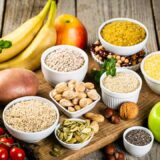
Incorporate the following nutrient-rich foods into your regular meals to support healthy weight gain:
- Meat Soup: High in protein and essential nutrients, it promotes muscle growth and overall strength.
- Milk, Ghee, Curds, and Other Dairy Products: Excellent sources of healthy fats and calories that nourish and energize the body.
- Sweets (in moderation): Provide quick energy, but should be paired with more nutrient-dense foods for balanced nutrition.
- Soybeans: A complete plant-based protein rich in healthy fats—ask your family to include them in daily meals.
- Egg Whites: Consume three per day for lean protein intake; skip the yolks if cholesterol is a concern.
- Non-Vegetarian Foods: Eat your preferred non-veg items at least twice a week to ensure adequate protein for muscle repair and growth.
- Freshly Harvested Rice, Sugarcane, Black Gram, and Wheat: Carbohydrate-rich staples that help restore energy and support weight gain.
- Fruit and Vegetable Salads: Consume every other day to aid digestion and provide vital vitamins and minerals.
- Fruits or Fresh Fruit Juices: At least four times per week—natural sugars and fiber boost appetite and sustain energy.
Traditional Ayurvedic Remedy for Weight Gain
Boost your weight naturally with this nourishing, homemade Ayurvedic fruit paste:
Ingredients:
- Dates – Rich in natural sugars and minerals, they support energy and tissue building.
- Dry Grapes (Raisins) – Help improve digestion and are a good source of iron and healthy calories.
- Indian Gooseberry (Amla) – A powerful rejuvenator, it supports immunity and digestion.
- Pomegranate – Strengthens the heart and improves appetite.
- Sugar (Optional) – Can be added in small amounts to enhance taste.
Instructions:
- Soak all fruits overnight if needed to soften.
- Blend the ingredients into a smooth paste.
- Take 1 tablespoon of this mixture twice daily.
Duration:
- Use consistently for up to one month to support healthy weight gain and improved vitality.
Appetite-Boosting Spices
Enhance your meals—and your metabolism—by adding these traditional Ayurvedic spices to your daily cooking:
Spices to Include:
- Cinnamon – Stimulates digestion and balances blood sugar.
- Garlic – Boosts appetite, improves circulation, and supports gut health.
- Ginger – A powerful digestive tonic that warms and activates the stomach.
- Cardamom – Soothes the digestive tract and enhances taste perception.
- Clove – Supports digestive fire (Agni) and relieves bloating.
- Black Pepper – Increases bioavailability of nutrients and improves digestion.
Why Use Them?
These spices not only enhance flavor but also stimulate appetite, support nutrient absorption, and promote a healthy metabolism, making them ideal for those aiming to gain weight in a balanced, natural way.
Eating Rules and Lifestyle Tips to Gain Weight
Eating Habits
1. Eat only when you feel genuinely hungry.
- This ensures your body is ready to digest and absorb nutrients properly.
- Avoid forcing meals, as it can cause bloating and poor digestion.
2. Eat quickly—chew fast and don’t linger over your meals.
- Fast eating may help increase intake before the stomach signals fullness.
This can be useful for those with a low appetite who struggle to finish meals.
3. Avoid distractions like phones or TV during meals.
- Focused eating improves digestion and helps you eat more mindfully.
- Conscious eating also helps you track how much and what you’re eating.
4. Do not drink water before or immediately after meals; sip water during meals instead.
- This helps with proper food assimilation and avoids diluting digestive juices.
- Room-temperature or warm water is best, as cold water may slow digestion.
Sleep and Mental Well-being
1. Get at least 7 hours of sleep every night.
- Proper rest supports metabolism, hormone regulation, and recovery.
- Try to sleep and wake up at the same time daily to support your circadian rhythm.
2. Maintain a stress-free lifestyle.
- Chronic stress can hinder digestion and reduce appetite.
- Simple hobbies or leisure time can make a big difference in mood.
3. Watch light-hearted or comic shows to boost your mood.
- Laughter naturally lowers cortisol and helps with emotional eating.
- A good laugh also boosts serotonin, which positively affects appetite.
4. Practice Pranayama (yogic breathing) to calm your mind.
- Mental peace and regular breathing reduce anxiety and promote overall health.
- Start with just 5 minutes daily and gradually increase as you feel comfortable.
Physical Activity
- Avoid excessive physical activity; limit workouts to 15 minutes per day.
- Focus on light stretching or yoga to maintain flexibility without burning too many calories.
- Heavy exercise burns calories and may counteract your weight gain efforts.
Additional Dietary Tips
Include freshly harvested rice and fresh wine in your diet.
- These provide easy-to-digest carbohydrates and natural appetite stimulation.
Rice is a staple weight-gain food in many traditional systems like Ayurveda.
- Consume Mamsarasa – meat soup from domestic, marshy, and aquatic animals (Gramya, Anupa, Audaka).
- These are rich in fat and protein, ideal for building mass and strength.
Regularly including such soups can also improve digestion and immunity.
Regular Oil Massage for Weight Gain and Relaxation
Regular oil massage using plain sesame oil, Mahamasha Thailam, or Mahanarayan oil helps:
- Improve muscle strength
- Relax the body and mind
- Relieve stress and fatigue
It also enhances blood circulation and supports healthy tissue growth.
How to apply:
- Take half a bowl of your preferred oil
- Dip your fingertips into the oil and apply a thin, even layer all over the body
- Massage gently for 3–5 minutes using circular motions
- Leave the oil on your skin for at least 10 minutes
- Follow with a lukewarm water bath to cleanse and soothe the skin
Consistency—doing this 2–3 times per week—can provide long-term benefits.
If self-massage feels uncomfortable or difficult, consider visiting a professional Ayurveda center for a full-body therapeutic massage. They can tailor the massage to your body type (dosha) and specific health needs.
Ayurvedic Medicines & Supplements for Vata–Pitta Prakriti (Body Type)
People with a Vata–Pitta constitution are often naturally lean, underweight, and prone to stress or digestive imbalances, especially when Vata dominates. The challenge is real, but Ayurveda offers effective solutions tailored to your dosha.
Important: Ayurvedic medicines taken in higher doses may promote weight gain, while lower doses are more likely to maintain balance without affecting weight.
1. Kushmanda Rasayana
- Made from winter melon (ash gourd), ghee, and digestive spices like ginger, cinnamon, and black pepper.
- Promotes weight gain, boosts appetite, and improves digestion.
- Recommended dose: 10–20 grams once or twice daily for 2–3 months.
This Rasayana is ideal for improving both physical strength and gut health.
2. Ksheerabala Taila 101
- A medicated oil made from sesame oil, milk, and Bala (Sida cordifolia).
- Specifically balances Vata and Pitta, supports nervous system and body weight.
- Dose: 2–3 ml orally, 2–3 times a day before meals for 2–3 months, or 2 capsules in the same schedule.
It can also be used externally for massage to support muscle tone and relaxation.
3. Ghee & Medicated Ghee Preparations
- Ghee naturally pacifies both Vata and Pitta and nourishes tissues.
- Include 3–4 teaspoons of plain ghee in your daily meals.
- Alternatively, use medicated ghees like Brahmi Ghrita, Kalyanaka Ghrita, or Maha Kalyanaka Ghrita for mental calm and physical strength.
This ghee also helps improve sleep, reduce stress, and enhance nutrient absorption.
Note: If heavy ghee intake causes indigestion, add small amounts of black pepper, cumin, or dry ginger to meals to aid digestion.
Always monitor your gut response when increasing ghee in your diet.
4. Bhringarajasava
- A fermented herbal tonic made with Bhringraj (Eclipta alba), traditionally used to support hair and liver health.
- Also helps gently build weight and vitality when taken in 10–20 ml doses once or twice daily.
It supports nourishment from within and may improve sleep and appetite as well.
5. Ashwagandha-based Formulations
- Ashwagandha Lehya, Balaswagandhadi Lehya, and Ashwagandharishta are powerful rejuvenators.
- Promote weight gain, strength, and stamina, especially in Vata-dominant types.
- However, these can increase Pitta slightly, so they are not ideal for long-term use in Vata–Pitta types.
If used, combine with cooling herbs or under Ayurvedic guidance to avoid overheating.
Light, Nourishing Foods (Laghu Santarpana) in Ayurvedic Weight Gain
Why Light Foods for Weight Gain?
It may seem counterintuitive, but light foods (Laghu Dravyas) are recommended for underweight individuals in Ayurveda, especially by Acharya Charaka. The key lies in choosing foods that are both light to digest yet nourishing — a concept known as Laghu Santarpana.
Understanding Light (Laghu) vs. Heavy (Guru) Foods
Laghu = Light foods are quickly and easily digested.
- These help support a weak digestive system without overburdening it.
Guru = Heavy foods take longer to digest and require stronger digestive fire (Agni).
- When given to a person with low Agni, they can lead to Ama — toxic, undigested material.
Not All Light Foods Are Nourishing
Some light foods are drying and weight-reducing, such as those with bitter, astringent, or spicy tastes:
- Bitter gourd, neem leaves/bark, curry leaves
- Spices like ginger, black pepper, asafoetida, etc.
These are great for detox but can aggravate Vata and further reduce body mass.
Examples of Laghu Santarpana (Light but Nourishing) Foods
These foods are easy on digestion yet rich in nutrients:
- Legumes: Green gram (Mudga), Bengal gram, red lentils (Masoor dal), pigeon pea (tur dal), horse gram
- Dairy: Goat milk, sheep milk, goat yogurt, supernatant of curd (Dadhimastu)
- Vegetables & Fruits: Carrot, radish, eggplant, pomegranate, tubers, elephant yam
They support weight gain without overwhelming digestion, making them ideal for Brimhana therapy.
Why Light & Nourishing is the Ideal Approach
In weak individuals, digestion (Agni) is typically low and unstable.
Using heavy, high-nourishment foods (Guru Santarpana) may exceed digestive capacity and lead to Ama, a root cause of many disorders.
Hence, Laghu Santarpana avoids this risk by working with, not against, the person’s digestive limits.
Smart Combinations: Laghu + Guru = Balanced Nourishment
A practical approach involves using small amounts of heavy, nourishing foods (like ghee, sweet fruits) combined with warming spices:
- Ghee + cumin or black pepper
- Sweet potatoes + ginger
This balances digestive stimulation (laghuta) with building nourishment (santarpana).
Examples of Laghu Santarpana Preparations
- Pippali Ksheerapaka (Long pepper milk)
- Lashuna Ksheerapaka (Garlic milk)
These milk-based herbal decoctions offer lightness through spices and depth through nourishing milk. They are especially effective for those with weak digestion, fatigue, or undernourishment.
FAQ’s
1. Why am I underweight even though I eat enough?
People with Vata or Vata–Pitta Prakriti often have high metabolism and low digestive strength (Agni), leading to poor nutrient absorption even if food intake is sufficient. Ayurveda addresses this by improving digestion and choosing easily digestible, nourishing foods.
2. What is Laghu Santarpana?
Laghu Santarpana means light yet nourishing therapy. It uses foods and medicines that are easy to digest but still nourishing, ideal for individuals with weak digestion.
3. Can I gain weight by eating only heavy, rich foods?
Not always. If your digestion is weak, heavy (Guru) foods may cause Ama (toxins) instead of nourishment.
Start with light-nourishing foods and gradually introduce heavier items with digestive spices.
4. What are some good Laghu Santarpana foods?
- Green gram (Mudga)
- Goat milk/yogurt
- Carrots, tubers, radish, eggplant
- Bengal gram, tur dal, red lentils
- Dadhimastu (supernatant of curd)
These foods are gentle on digestion yet rich in nutrients.
5. Which Ayurvedic supplements help in healthy weight gain?
- Kushmanda Rasayana
- Ksheerabala Taila 101 (oral oil or capsule)
- Brahmi Ghrita, Kalyanaka Ghrita
- Bhringarajasava
Use in appropriate doses for 2–3 months under guidance.
6. How does oil massage (Abhyanga) help in weight gain?
Regular oil massage with sesame oil or medicated oils like Mahanarayan Taila strengthens muscles, calms nerves, and improves nutrient assimilation. It also reduces stress, which can inhibit healthy weight gain.
7. Can I drink milk for weight gain?
Yes, especially goat milk, cow milk, and spiced milk preparations like Pippali Ksheerapaka (long pepper milk). Avoid mixing milk with incompatible foods (e.g., sour fruits, salt).
8. What lifestyle tips help support weight gain in Ayurveda?
- Sleep 7–8 hours per night
- Avoid excessive physical exertion
- Reduce screen time while eating
- Stay mentally calm (Pranayama, laughter, stress relief)
Mental peace and digestive health are as important as diet.
Gaining weight in a healthy, sustainable way requires more than just eating calorie-dense foods—it involves nurturing your digestive strength (Agni), choosing easily digestible yet nourishing foods, and maintaining a balanced lifestyle.