What Is Dhatu Mala? Understanding Tissue Waste Products in Ayurveda

The human body functions like a finely tuned, self-sustaining system, drawing energy from food, water, and breath. Ayurveda views this process as a purposeful transformation, where nourishment is carefully converted into the very fabric that sustains life.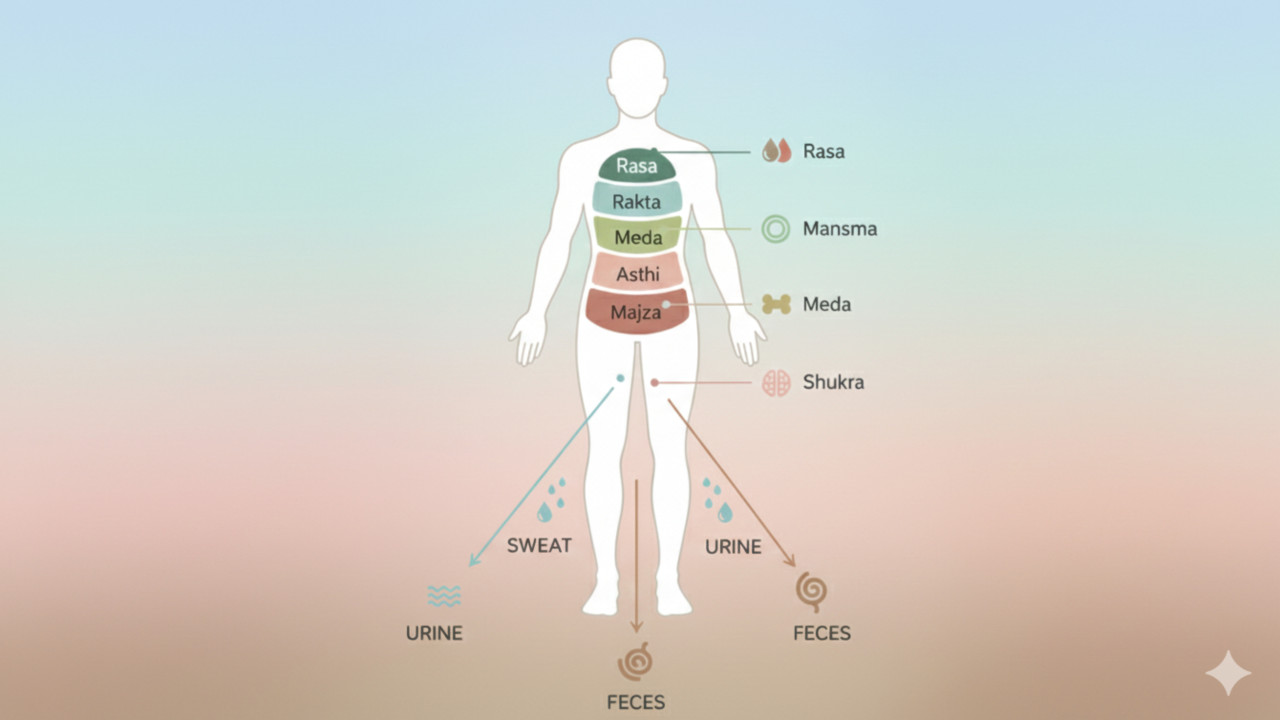 This transformation, called Paka, is guided by the Tridosha—Vata, Pitta, and Kapha. Through their balanced action, the body produces Doshas for regulation, Dhatus for structure, and Malas as necessary by-products of healthy metabolism.
Together, Dosha, Dhatu, and Mala form the foundation of Ayurvedic physiology. Health exists when these three remain in harmony, while disease arises from imbalance. Thus, well-being depends not only on nourishment but also on efficient transformation and regulation.
Malas, though often neglected, are essential indicators of metabolic efficiency. Their proper formation and elimination signify balance, not impurity. Ayurveda recognizes waste at both gross and subtle levels, highlighting its role in maintaining internal clarity and vitality.
Dhatu Malas, or subtle tissue wastes, reflect deeper metabolic processes within each tissue. Understanding their formation and function reveals Ayurveda’s holistic approach to detoxification, emphasizing that health is sustained through continuous renewal, elimination, and balance at every level.
Understanding Malas: The Main Excretions in Ayurveda
Before diving into the subtler aspects of tissue waste, it’s important to understand the primary excretions, or Malas. These are the body’s main channels for removing toxins and play a crucial role in supporting tissue metabolism.
1. The Three Main Malas (Trimala):
1. Pureesha (Stool): Stool is the solid waste from the digestive system (Annavaha Srotas), primarily formed in the colon (Pakvashaya).
Its proper consistency, frequency, and elimination are controlled by Apana Vayu, a sub-type of Vata. Stool is more than just waste—it helps maintain stability, supports the colon’s structure, and, when retained in moderation, aids in the absorption of remaining nutrients and water.
Imbalances such as constipation (Vibandha) or diarrhea (Atisara) can disrupt Vata and often become the root cause (Moola) of many systemic illnesses.
2. Mutra (Urine): Urine is the liquid waste produced by the water and urinary channels (Udakavaha and Mutravaha Srotas), formed in the kidneys (Vrikka) and bladder (Basti).
Its elimination is also governed by Apana Vayu. Urine removes water-soluble wastes, especially excess Kapha and Pitta doshas, and helps maintain the body’s fluid and electrolyte balance.
Issues such as painful urination (Mutrakrichra), retention (Mutraghata), or diabetes (Prameha) indicate underlying dosha imbalances and deeper tissue involvement.
3. Sweda (Sweat): Sweat is excreted through the skin (Swedavaha Srotas) and is primarily a waste product of fat tissue (Meda Dhatu).
It plays a key role in regulating body temperature, keeping the skin hydrated, and eliminating fat-soluble toxins. Proper sweating, whether through exercise (Vyayama), heat, or therapies like Swedana (sudation).
It is an important detox process. Suppressed sweating (Sweda Vegarodha) can lead to skin problems, itching, and impaired temperature control.
2. Significance of Timely Elimination (Vega Dharana):
Ayurveda places supreme importance on the natural urges (Vega). The body communicates its need to expel these Malas through specific signals.
Voluntarily suppressing these urges (Vegavidharana) is considered a primary cause of disease, as it leads to the reabsorption of toxins (Ama), retrograde movement of Vata (Udavarta), and direct vitiation of the respective organs and channels.
Thus, the regular, effortless expulsion of the Trimala is the first and most crucial pillar of daily health (Dinacharya).
Formation of Dhatu Mala in Ayurveda: Subtle Tissue By-Products
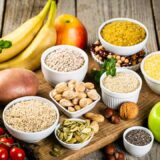
The process of nutrition does not end with the formation of stool, urine, and sweat. The essence of digested food, called Ahara Rasa or the preliminary form of Rasa Dhatu, moves through the body in a sequential manner.
This nourishing journey through the seven bodily tissues—Rasa, Rakta, Mamsa, Meda, Asthi, Majja, and Shukra—is known as Dhatu Poshana Krama.
1. The Metabolic Fork: Prasada and Kitta
At the heart of tissue metabolism lies the concept of Dhatvagni—the tissue-specific metabolic fire. Each Dhatu possesses its own Agni. When the nourishing precursor (Posaka Dhatu) from the previous tissue arrives, the Dhatvagni acts upon it. This action is a metabolic fork, splitting the incoming substance into two fundamental parts:
1. Prasada Bhaga (Essence or Nutrient Fraction): This is the refined, assimilable portion. It further divides:
- Poshya Dhatu: Nourishes and replenishes the host tissue itself, ensuring its integrity and function.
- Posaka Dhatu: Flows forward to become the raw material for the next Dhatu in the sequence.
2. Mala/Kitta Bhaga (Waste or Excreta Fraction): This is the inert, unusable, or excessive by-product of that specific tissue’s metabolic activity. This fraction is the Dhatu Mala.
2. Illustrative Example: Rasa Dhatu Metabolism
The Ahara Rasa (post-digestive nutrient plasma) enters the Rasa Dhatu (plasma and lymphatic system). Rasagni (the metabolic fire of Rasa) acts upon it.
- Prasada becomes: a) Poshya Rasa (healthy plasma) and b) Posaka Rasa, which moves to nourish Rakta Dhatu (blood) and the Upadhatus (subsidiary tissues) of Rasa: Stanya (breast milk) and Artava (menstrual fluid/ovum).
- Mala Bhaga is produced as Kapha. It is critical to distinguish this Dhatu Kapha from the doshic Kapha. This is the specific, often viscous, waste from plasma metabolism. If retained, it congests the Rasa channels, leading to conditions like sinus congestion, lymphatic stagnation, and feelings of heaviness.
3. The Purpose and Necessity of Dhatu Mala Elimination
The formation of Dhatu Malas is not a flaw but a sign of active, ongoing tissue metabolism—a “cellular respiration” at the Ayurvedic level. Their continuous removal is as vital as the nourishment itself. If these micro-toxins accumulate within the tissue microenvironment (Dhatu Srotas), they:
- Create a toxic sludge that impairs the tissue’s own Agni (metabolism).
- Obstruct the channels (Srotorodha), preventing the inflow of fresh nutrients and outflow of further waste.
- Become a site for the formation of Ama (toxins from undigested matter), leading to Sama conditions (diseases where Ama mixes with Doshas and Dhatus).
- Ultimately, it causes degeneration, inflammation, or malfunction of that specific tissue (Dhatu Kshaya or Dhatu Vriddhi), manifesting as localized and then systemic pathology.
Dhatu Malas in Ayurveda: From Rasa Dhatu to Shukra Dhatu
Ayurvedic texts, notably the Charaka Samhita, provide a detailed list of the waste products of each Dhatu. This list is not merely descriptive but prescriptive, pointing to areas requiring daily hygiene and care.
1. Rasa Dhatu (Plasma/Lymph) Mala: Kapha (in its specific waste form). Manifestations: Phlegm in the respiratory tract, sinus discharge, lymphatic fluid buildup.
2. Rakta Dhatu (Blood) Mala: Pitta (in its specific waste form). Manifestations: Bile pigments (excreted in feces), dead red blood cell components, acidic metabolic byproducts. Conditions like jaundice (Kamala) or acid reflux (Amlapitta) indicate Rakta Mala imbalance.
3. Mamsa Dhatu (Muscle) Mala: A group of excretions from bodily orifices and surfaces:
- Karna Mala (Ear wax): Protects but in excess causes blockage and hearing issues.
- Netra Mala (Eye discharges/Rheum): “Sleep” in the eyes; excess indicates eye infection or Pitta/Kapha aggravation.
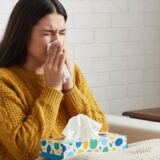
- Nasa Mala (Nasal mucus): Moistens nasal passages; excess leads to rhinorrhea.
- Asya Mala (Oral debris): Coating on the tongue, food debris; emphasized in Dinacharya via tongue scraping (Jihwa Nirlekhana).
- Roma Kupa Mala (Sebum): Secretions from hair follicles; imbalance causes oily/dry skin, acne.
- Prajanana Mala (Smegma): Genital secretions; requires regular cleansing.
4. Meda Dhatu (Adipose Tissue) Mala: Sweda (Sweat). This links the gross Mala (general sweat) directly to a specific tissue origin, highlighting fat metabolism’s role in thermoregulation and lipid-toxin excretion.
5. Asthi Dhatu (Bone & Cartilage) Mala: Roma (Body hair) and Nakha (Nails). These are considered the “excreta” of the bony tissue, solid and inert. Their healthy growth indicates good Asthi Dhatu metabolism.
6. Majja Dhatu (Bone Marrow & Nervous Tissue) Mala:
- Charma Sneha (Sebaceous secretions, skin oil): Differentiated from Roma Kupa mala, this refers to the skin’s deeper oily lubricant, vital for luster (Prabha).
- Netra Vit (Thick, vitreous/greasy discharge from eyes): More substantial than the daily Netra Mala.
- Pureesha Sneha (Mucus in feces): The lubricating factor in stools; its absence causes dryness and constipation.
7. Shukra Dhatu (Reproductive Tissue) Mala: Classical texts often state Shukra has no mala, being the final, most refined essence (Parama Sara). However, some commentators consider Smashru (Facial hair, especially moustache/beard) as its Mala, signifying the virility and metabolic activity of this tissue.
8. Upadhatu Malas: It is also insightful to consider that the Upadhatus (secondary tissues like tendons, ligaments, menstrual blood) also produce their own subtle malas during their formation and breakdown, contributing to the complex web of bodily wastes.
Clinical and Practical Significance of Dhatu Malas in Ayurveda
The knowledge of Dhatu Malas transcends theory and offers a powerful lens for diagnosis, prevention, and daily self-care.
1. Diagnostic Tool (Roga Pariksha):
- Examination of Excretions: A physician assesses the quality, quantity, color, and consistency of nasal discharge, ear wax, eye rheum, sweat, skin oil, and even body hair/nail growth. Sticky, discolored, foul-smelling, or excessive Dhatu Malas indicate Srotodushti (vitiation of channels) and specific Dhatu Gata Dosha (doshic pathology localized in a tissue).
- Localizing Pathology: For instance, chronic sinusitis (excess Nasa Mala) points to Rasa and Mamsa Dhatu vitiation with Kapha. Bleeding gums or excessive tartar (Asya Mala disorder) indicates Rakta and Mamsa Dhatu involvement with Pitta. Brittle nails (Asthi Mala disorder) reflect a Vata disturbance in the Asthi Dhatu.
2. Foundation of Preventive Hygiene (Swasthavritta):
Ayurvedic daily routine (Dinacharya) is essentially a protocol for systematic Dhatu Mala removal:
- Netra Prakshalana (Eye washing): Removes Netra Mala.
- Nasya (Nasal administration of oils/medicines): Cleanses Nasa Mala channels.
- Karna Purana (Ear oleation): Manages Karna Mala.
- Gandusha/Kavala (Oil pulling) & Jihwa Nirlekhana: Remove Asya Mala.
- Abhyanga (Oil massage) followed by Snana (bath): Manages Roma Kupa and Charma Sneha Malas, opens Swedavaha Srotas.
- Regular trimming of Nakha and Smashru: Facilitates the shedding of Asthi and Shukra Malas.
This routine prevents the Sanchaya (accumulation) stage of disease at the tissue level.
3. Guiding Detoxification Therapies (Panchakarma):
Panchakarma, Ayurveda’s profound bio-purification system, is designed to remove excess Doshas and, crucially, the deeply lodged Dhatu Malas and Ama.
- Vamana (Therapeutic emesis): Expels excess Kapha and Rasa/Rakta level Malas from the upper GI tract and respiratory system.
- Virechana (Purgation): Expels excess Pitta and Rakta/Meda level Malas from the liver, gallbladder, and small intestine.
- Basti (Medicated enema): The prime treatment for Vata, it clears Malas from the colon (Pureesha) but also reaches back to cleanse Asthi and Majja Dhatu malas (considered the seat of Vata).
- Nasya: Directly cleanses the Shiras (head) of accumulated Kapha/Mala from the sinuses, eyes, and ears (Mamsa Dhatu mala sites).
- Raktamokshana (Bloodletting): Directly removes vitiated Rakta Dhatu and its malas in specific blood-borne disorders.
Understanding Dhatu Mala: An Ayurvedic and Scientific Perspective
The concept of Dhatu Mala finds fascinating parallels and validations in modern physiology and functional medicine:
- Cellular Metabolic Waste: The Kitta Bhaga correlates with metabolites like carbon dioxide, urea, lactic acid, and reactive oxygen species (ROS) produced in cellular mitochondria and cytoplasm.
- Lymphatic Drainage: The removal of Rasa Dhatu Mala (Kapha) is analogous to the need for efficient lymphatic drainage to remove interstitial waste, proteins, and cellular debris.
- Sebum and Skin Health: The understanding of Roma Kupa and Charma Sneha aligns with sebum production, its role in skin microbiome health, and how its imbalance leads to acne or eczema.
- Excretory Secretions: Modern hygiene acknowledges the need to clean earwax, nasal mucus, and oral biofilm, recognizing them as waste-collecting secretions.
- Detoxification Pathways: Ayurveda’s multi-level mala removal system mirrors the modern understanding of phase I (liver) and phase II (conjugation) detoxification, followed by elimination via feces, urine, sweat, and breath.
- The Gut-Skin Axis & Gut-Lung Axis: Ayurvedic links between Pureesha (colon health) and skin conditions (Meda/Rasa Mala) or sinus health (Mamsa/Rasa Mala) are now being explored as microbiome-mediated communication pathways.
The Ayurvedic exposition on Dhatu Mala is not a primitive listing of bodily excretions. It is, in fact, a sophisticated, systems-based model of cellular and tissue-level homeostasis. It teaches us that health is a dynamic process of selective assimilation and efficient elimination at every level of our biological organization—from the gut to the plasma, from the blood to the marrow.
References:
- Physiological study of sweda mala w.s.r sweat — This journal article discusses the Ayurvedic concept of mala as waste products including sweat (sweda mala) and explains the importance of excretion of bodily wastes for health according to classical Ayurvedic physiology. Irjay
- Role of Malavrodh in Gut Health: An Ayurvedic Perspective — This research paper explores how obstruction of waste elimination (malavrodh) affects gut health, emphasizing the importance of proper removal of malas including digestive waste for maintaining homeostasis in Ayurveda. IJRAPS
- Significance of Mala Dhatu — Discussions on the significance of Mala Dhatu explain that these bodily wastes are essential components of Ayurvedic physiology. Mala Dhatu refers to waste products eliminated through body channels (srotas), and their balance is critical for maintaining health and preventing disease. Wisdom Library