Top Home Remedies for Piles (Hemorrhoids) That Actually Work

Haemorrhoids, commonly known as piles, are a distressing condition that affects many people today. They occur due to swollen and inflamed veins in the rectal or anal area, causing discomfort such as pain, itching, bleeding, and a heavy or protruding sensation.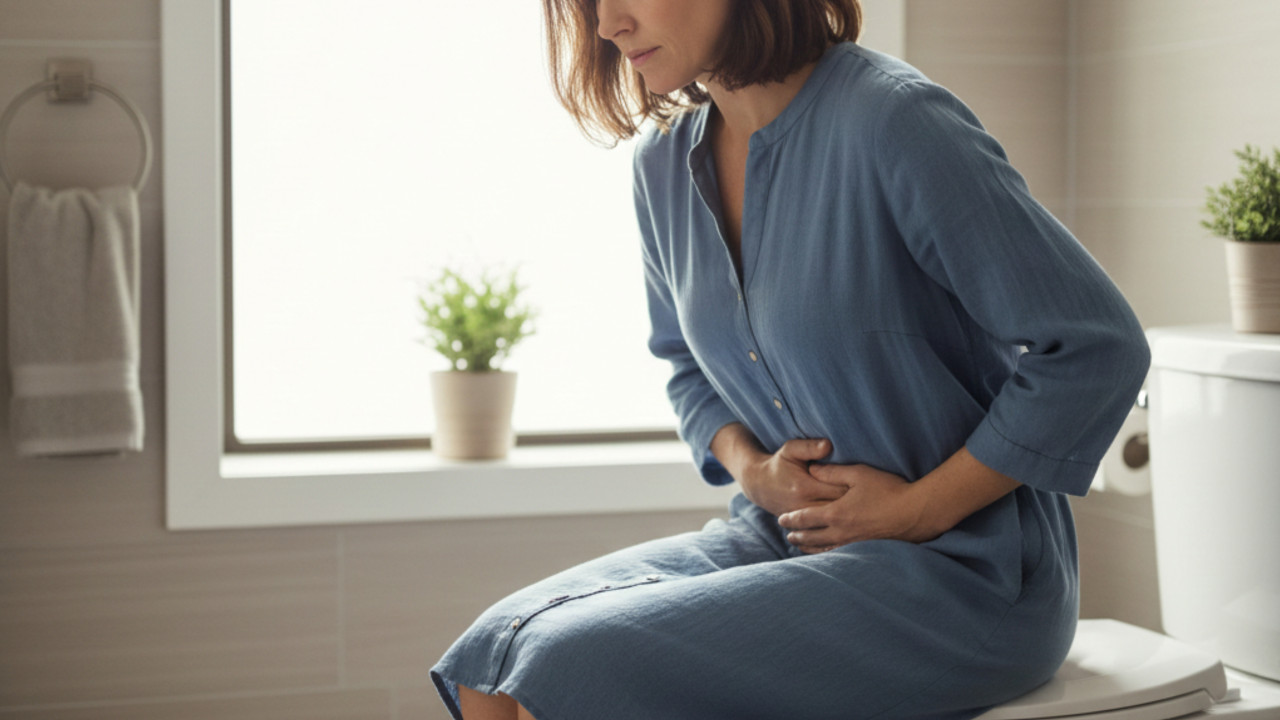 With increasingly sedentary lifestyles, irregular eating habits, and high stress levels, piles have become more common. Long hours of sitting, lack of physical activity, low-fiber diets, and poor hydration all contribute to constipation and straining, which significantly increase the risk of developing this condition.
According to Ayurveda, piles are not just a local problem but a sign of internal imbalance. They are closely linked to weakened digestive fire (Agni) and disturbed Apana Vata, the energy responsible for elimination and downward bodily movements in the lower abdomen.
When Apana Vata is aggravated by improper diet, chronic constipation, or excessive straining, it disrupts normal circulation in the rectal area, leading to Arshas (piles). Ayurveda further classifies piles as Vata, Pitta, or Kapha types, guiding personalized treatment approaches.
Lifestyle and Dietary Changes
The development and exacerbation of haemorrhoids are intimately linked to one’s lifestyle and dietary habits. Ayurveda places paramount importance on Ahara (diet) and Vihara (lifestyle) as the primary tools for healing.
By making conscious, dosha-pacifying choices, one can correct the root cause of Apana Vata disturbance and significantly reduce the risk and severity of haemorrhoids.
1. Mindful Eating: Honouring the Digestive Fire (Agni)
Approach: Ayurveda begins healing at the very first step: ingestion. Practise being fully present during meals, focusing on every bite in a calm environment. This involves tasting the flavours, feeling the textures, and being aware of the act of chewing itself. Make a conscious effort to chew each mouthful slowly and thoroughly—until the food is almost liquified—before swallowing. Eat only until you are three-quarters full (“mitahara”).
Why it Works: Mindful eating is the cornerstone of strong Agni. Proper mastication is the first stage of digestion, signalling the stomach to prepare digestive enzymes. Well-chewed food is easier to process, leading to optimal nutrient absorption and smooth bowel transit. This directly minimizes straining, a leading factor in hemorrhoid development. Eating slowly also allows you to recognize true satiety cues, preventing overeating, which burdens the digestive system and can lead to stagnation and pressure in the lower abdomen.
2. Fibre: The Dosha-Balancing Bulk
Approach: Increase dietary fibre through dosha-specific choices. For Vata-type piles (constipation predominant), opt for cooked, moist fibres like stewed prunes, soaked figs, and well-cooked oatmeal. For Pitta (bleeding, inflamed), favour cooling fibres like coconut, pears, and cilantro. For Kapha (heavy, sluggish), choose light, astringent fibres like apples, beans, and leafy greens. For those who find it challenging to meet requirements, soluble fibre supplements like psyllium husk (Isabgol) can be beneficial, but must be taken with ample water.
Why it Works: Dietary fibre adds bulk to stool and absorbs water, making it softer and easier to pass. From an Ayurvedic view, fibre helps scrape excess Kapha and Ama (toxins) from the colon while providing the necessary bulk to pacify Vata’s erratic movement. This synergy reduces the need to strain, a primary factor in the development and worsening of haemorrhoids.
Examples: Incorporate foods like oats, whole wheat bread, beans, lentils, apples, and broccoli. Ayurveda highly recommends Triphala, a three-fruit rasayana, as a gentle laxative and bowel tonic that cleanses without aggravating Vata.
3. Water: The Elixir of Life (Jala)
Approach: Ensure you drink plenty of warm or room-temperature water throughout the day. Avoid ice-cold beverages, especially with meals, as they douse the digestive fire. A good practice is to sip warm water every hour.
Why it Works: Water complements the work of dietary fibre. As fibre absorbs water, it helps in softening the stool. Without adequate hydration, even a fibre-rich diet can result in hard, Vata-aggravating stools and constipation. Warm water specifically helps to stoke Agni, melt Ama, and promote gentle downward peristalsis, easing the burden on the Apana Vata region.
4. Consume Flavonoid and Pitta-Pacifying Foods
Approach: Include foods like berries, cherries, pomegranates, and sweet, ripe fruits. Bitter greens like kale and arugula are excellent for Pitta.
Why it Works: These foods enhance blood vessel integrity and have cooling, anti-inflammatory properties (Pitta-reducing). They help tighten and strengthen the capillaries and veins, reducing swelling and bleeding tendencies in piles, especially beneficial for Pitta-type haemorrhoids.
5. Avoid Straining: Respecting the Apana Vata
Approach: Be gentle and patient during bowel movements. Avoid exerting excessive force. If the stool isn’t ready, step away and drink warm water. Establish a regular routine.
Why it Works: Straining violently increases pressure in the rectal and anal veins, directly aggravating Apana Vata. Over time, this weakens the supporting tissues (dhatus), causing haemorrhoids to prolapse or become more pronounced. Ayurveda sees straining as a direct insult to the natural downward flow.
6. Regular Bowel Movements: Following Nature’s Rhythm
Approach: Heed nature’s call promptly. When you feel the urge, go. The ideal time, according to Ayurveda, is during the Vata period of the morning (6-10 am), when the natural downward energy is strongest.
Why it Works: Suppressing the urge (Vega Dharana) is a major cause of Vata imbalance. Holding back leads to water reabsorption from the stool, making it hard, dry, and difficult to pass later. This not only causes constipation but also amplifies straining, creating a vicious cycle of Apana Vata aggravation.
7. Exercise (Vyayama): Kindling Agni and Moving Stagnation
Approach: Engage in regular, moderate physical activity. Focus on activities that strengthen the core, improve circulation, and are appropriate for your constitution. Gentle yoga is exceptional.
Why it Works: Regular exercise promotes healthy bowel function by kindling Agni and moving stagnation in the GI tract. Good circulation prevents blood from pooling in the veins. Specific yoga postures (asanas) like Pavanamuktasana (Wind-Relieving Pose), Malasana (Garland Pose), and gentle inversions like Viparita Karani (Legs-Up-the-Wall) are renowned for relieving pelvic congestion and encouraging healthy downward flow without strain.
Examples: Walking, swimming, and Pilates are excellent choices. Avoid heavy weightlifting that causes breath-holding and excessive intra-abdominal pressure.
8. Try Pelvic Floor Exercises (Asvini Mudra)
Approach: Regularly practice Asvini Mudra (the horse gesture). This involves contracting and releasing the anal sphincter muscles rhythmically, 10-15 times, several sessions a day.
Why it Works: This ancient practice strengthens the pelvic floor muscles, improves rectal vein circulation, tones the supportive tissues, and offers direct control and relief to the affected area. It is a direct way to pacify Apana Vata and bring healing energy to the region.
9. Limit Time on the Toilet
Approach: Avoid reading, using your phone, or any other activity that can lead to extended periods on the toilet. Treat it as a functional activity, not a leisure break.
Why it Works: Sitting on the toilet for prolonged durations increases gravitational pressure on the rectal area, leading to blood pooling in the hemorrhoidal veins and further aggravating Apana Vata. Over time, this can exacerbate existing haemorrhoids or lead to the formation of new ones.
Hygienic Measures Along with Ayurvedic Care
Proper hygiene (Saucha) is essential when dealing with haemorrhoids. Keeping the anal area clean and dry can alleviate symptoms and prevent complications. Ayurveda adds a layer of therapeutic cleansing.
1. Gentle, Therapeutic Cleaning
Approach: After every bowel movement, clean the anal region gently with cool or lukewarm water. Avoid dry, scented, or coloured toilet paper. Consider using a peri-bottle. For a therapeutic cleanse, add a decoction of triphala or neem water to the rinse for their anti-inflammatory and healing properties.
Why it Works: Cleaning reduces the risk of infections and irritations. Using water is preferable as it is less abrasive. Ayurvedic herbs like neem (cooling, antiseptic) and triphala (healing, astringent) can soothe inflammation and promote tissue integrity, especially for Pitta-type bleeding piles.
2. Sitz Baths with Medicinal Decoctions (Nadu)
Approach: Fill a bathtub or a sitz bath basin with warm water. Infuse it with Ayurvedic herbs: for Pitta (burning, bleeding), use cooling herbs like rose petals, coriander seeds, or sandalwood powder; for Vata (painful, dry), use warming, demulcent herbs like ginger or marshmallow root. Sit for 15-20 minutes.
Why it Works: The warm water relaxes the anal sphincter, reducing itching and spasms. Medicinal herbs enhance the effect: anti-inflammatory herbs reduce swelling, astringents tone tissues, and demulcents soothe dryness. This practice (Nadu) is a direct way to cleanse, soothe, and heal the Marma (energy) points in the pelvic region.
3. Dry Properly and Apply Soothing Powders
Approach: After cleaning or a sitz bath, pat the area thoroughly dry with a soft cloth. For additional relief and protection, lightly dust the area with a medicinal powder like Yashtimadhu (licorice root) powder or Manjistha powder, both known for their healing and anti-inflammatory properties.
Why it Works: Moisture can lead to maceration and infection. Keeping the area dry is crucial. Medicinal powders provide a protective, drying barrier, reduce friction, and deliver the therapeutic benefits of herbs directly to the site.
Over-the-counter (OTC) and Ayurvedic Herbal Treatments
When dealing with discomfort, many turn to OTC treatments. Ayurveda offers a parallel pharmacopeia of herbs that work on the root cause and symptoms.
1. Creams and Ointments
Approach: OTC creams containing hydrocortisone or witch hazel can be used. Ayurvedic alternatives include creams or tailas (medicated oils) with Lodhra (Symplocos racemosa), Nagkesar (Mesua ferrea), or Guggulu. Kshara Tailam, an alkaline medicated oil, is specifically praised in Ayurvedic texts for shrinking piles.
Why it Works: Western creams reduce inflammation and itch. Ayurvedic herbs do the same while also balancing doshas, improving microcirculation (Rakta dhatu), and promoting tissue healing (Ropana). They are often formulated to treat the type (Vata, Pitta, Kapha) specifically.
2. Suppositories and Herbal Boluses (Varti)
Approach: OTC suppositories provide internal relief. Ayurveda uses Varti or Pichu—medicated suppositories or tampons made from herbs like Haritaki (Terminalia chebula) and Musta (Cyperus rotundus) soaked in Jatyadi Tailam.
Why it Works: They deliver medication directly to internal haemorrhoids, reducing inflammation and lubricating the passage. Ayurvedic Vartis are designed to pacify aggravated doshas internally, reduce bleeding (Pitta), and promote healing of the mucous membrane.
3. Systemic Herbal Formulations (Ashayas)
Approach: Under the guidance of an Ayurvedic practitioner, take internal herbs. Triphala Guggulu and Abhayarishtam are classic formulations for promoting bowel health and treating piles. Arshoghni Vati is a specific pill for haemorrhoids.
Why it Works: These formulations work systemically to correct digestion (Agni), cleanse the colon (Shodhana), purify the blood (Rakta Shodhaka), and strengthen the veins. They address the systemic root of the problem, unlike OTC pain relievers like ibuprofen which only manage symptoms and can potentially aggravate Pitta or cause constipation.
Advanced Medical and Ayurvedic Detox Procedures
For persistent or severe haemorrhoids, more advanced procedures might be needed. Ayurveda also has its own profound detoxification therapies for deep-seated conditions.
1. Modern Minimally Invasive Procedures for Piles (Hemorrhoids)
(Rubber Band Ligation, Sclerotherapy, Coagulation, Hemorrhoidectomy, Stapling, Rafaelo) These procedures, as detailed in the original text, offer mechanical solutions. From an Ayurvedic standpoint, they are seen as Shastra Karma (surgical procedures) and are acceptable when conservative measures fail, especially for large, prolapsed (Atisara) piles. However, without correcting the underlying doshic imbalance and digestive weakness, recurrence is possible.
2. Panchakarma: The Radical Ayurvedic Detox
Approach: This is a series of five profound cleansing therapies administered under strict supervision. For piles, relevant procedures include Virechana (therapeutic purgation to cleanse Pitta and the liver) and Basti (medicated enema, the prime treatment for Vata imbalance).
Why it Works: Basti is considered the master therapy for Apana Vata. Medicated oils and decoctions administered via enema directly pacify the disturbed Vata in the colon, reduce inflammation, shrink hemorrhoidal tissue, and restore normal function. Virechana cleanses the excess heat (Pitta) and toxins (Ama) that cause bleeding and inflammation. This holistic reset addresses the very foundation of the disease.
Ayurvedic Preventive Measures for Piles (Hemorrhoids)
Prevention (Swasthavritta) in Ayurveda is about living in harmony with one’s constitution and the rhythms of nature.
1. Limit Alcohol, Caffeine, and Processed Foods
Approach: Consume these in extreme moderation. They are Ama-producing and aggravate all doshas—Vata through dryness, Pitta through heat, Kapha through toxicity.
Why it Works: They dehydrate, inflame, and create metabolic waste that clogs channels (Srotas), including the rectal veins.
2. Avoid Heavy Lifting and Protect the Pelvic Floor
Approach: Use proper form. For daily life, engage the core and exhale during exertion. Practice Mula Bandha (root lock) to provide internal support.
Why it Works: Protects the integrity of the Apana Vata region and prevents unnecessary downward pressure.
3. Maintain a Healthy Weight (Sthula)
Approach: Follow a Kapha-pacifying diet and regular exercise if overweight.
Why it Works: Excess weight, a Kapha issue, places literal pressure on pelvic veins and slows metabolic fire (Agni), contributing to stagnation.
4. Avoid Prolonged Sitting: The Modern Curse
Approach: Take breaks every 30 minutes. Use a cushion. Practice seated calf raises to pump blood from the legs.
Why it Works: Directly counteracts the gravitational pooling of blood that aggravates piles, a key factor in our sedentary era.
5. Follow a Dosha-Balancing Diet
Approach: Identify your predominant dosha and eat to pacify it. Generally, favour warm, cooked, easily digestible foods (Laghu and Snigdha gunas).
Why it Works: This is the essence of Ayurvedic prevention—maintaining digestive harmony to prevent the creation of Ama and doshic aggravation that leads to disease.
6. Elevate Your Feet and Optimize Posture
Approach: Use a small stool to raise your feet while on the toilet, adopting a natural squatting position.
Why it Works: Aligns the rectum for easier evacuation, minimizing strain, and honouring the body’s natural design—a simple yet profoundly effective Vata-pacifying act.
7. Regular Self-Massage (Abhyanga) with Focus on the Lower Back
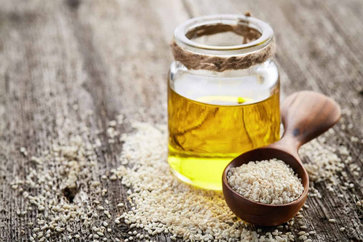
Approach: Perform daily oil massage with warm sesame oil. Pay special attention to the lower back and abdomen in a clockwise direction.
Why it Works: Calms the entire nervous system, pacifies Vata, improves circulation to the pelvic region, and nourishes the tissues.
Alternative and Ayurvedic Home Remedies
These remedies can provide soothing supplementary relief while balancing doshas.
1. Witch Hazel (Astringent and Pitta-Reducing)
Approach: Apply distilled witch hazel with a cotton pad.
Why it Works: Its Kashaya (astringent) taste helps shrink tissues and cool Pitta inflammation.
2. Aloe Vera (Cooling and Healing)
Approach: Apply pure gel from the leaf.
Why it Works: Its cooling, Varnya (skin-healing) properties are excellent for burning, inflamed Pitta-type piles.
3. Warm Tea Bags
Approach: Use cooled chamomile or black tea bags.
Why it Works: The tannins have an astringent effect, while the warmth soothes. Coriander or fennel tea bags can also be used for their Vata and Pitta pacifying properties.
4. Coconut Oil and Ghee
Approach: Apply virgin coconut oil (cooling) for Pitta; apply medicated ghee like Tikta Ghrita (bitter ghee) for Vata and healing.
Why it Works: Coconut oil moisturizes and cools. Ghee is the ultimate Vata pacifier, penetrating deep to lubricate and heal dried, fissured tissues.
5. Horse Chestnut and Butcher’s Broom
Approach: These Western herbs align with Ayurvedic vein-tonic (Sira Sangrahaniya) herbs.
Why it Works: They improve venous tone and circulation, akin to herbs like Gotu Kola (Mandukaparni), which is a renowned rejuvenator for the venous system and nervous system.
Key Ayurvedic Herbs for Internal Use
- Triphala: The quintessential digestive tonic and gentle laxative. Take 1 tsp with warm water at bedtime.
- Amla (Indian Gooseberry): A supreme rejuvenator and Pitta pacifier that strengthens digestion and blood vessels.
- Haritaki: Particularly effective for Vata-related constipation and cleansing.
- Guggulu: A potent anti-inflammatory and detoxifying resin that cleanses channels and reduces swelling.
Seek Professional Advice (Darshana)
If symptoms persist, worsen, or if you notice significant bleeding, it is essential to consult a healthcare professional—both a conventional doctor and a qualified Ayurvedic practitioner (Vaidya).
A Vaidya can provide a personalized diagnosis (Nadi Pariksha), identify your dominant doshic imbalance, and create a tailored treatment plan encompassing diet, herbs, and lifestyle.
Note: Always consult with a healthcare provider when deciding on a treatment plan. Some methods might be more suitable for you than others based on the severity, your doshic constitution (Prakriti), and the nature of the imbalance (Vikriti).
Haemorrhoids, though uncomfortable, signal that our digestive fire needs care and our lifestyle requires balance. By following Ayurvedic dietary principles, modern hygiene practices, and respecting the body’s natural rhythms, we can relieve piles while supporting lasting digestive health and overall vitality.