How to Reduce Pitta Immediately From the Body Naturally

According to Ayurveda, health is a balanced, natural state of vibrant well-being rather than mere absence of disease. Originating in India over five thousand years ago, this science explains how internal and external influences affect unique constitutions, guiding individuals toward harmony through awareness, prevention, and conscious daily choices and balance. Ayurveda provides a comprehensive map of beneficial and harmful substances, habits, and environments affecting the body and mind. In modern life filled with pollution, processed food, and constant stress, complete avoidance is impossible, yet Ayurvedic wisdom helps people understand physiology, recognize imbalance early, and return steadily to equilibrium with confidence daily.
This ancient system emphasizes awareness and self-knowledge, offering practical tools for restoring harmony within intelligent bodily systems. Diet, lifestyle routines, herbal medicine, yoga, breathing practices, and meditation work together to support healing. Ayurveda teaches individuals to listen carefully to subtle signals before disease fully manifests within daily living, consistently, mindfully.
Ayurveda is inherently holistic, viewing humans as integrated expressions of body, mind, and spirit. Thoughts, emotions, and relationships profoundly influence health, sometimes more than food itself. Mental digestion matters. Emotional stress, unresolved conflict, and negative perceptions can disturb doshic balance just as powerfully as improper diet and lifestyle habits daily.
For example, a pitta-dominant person with fiery qualities may struggle equally with harsh criticism or greasy, spicy foods. When pitta rises, imbalance appears as rashes, acidity, excess heat, anger, or impatience. Cleansing pitta, therefore, requires cooling the body, calming emotions, and soothing the entire being through mindful living, compassion, and awareness.
What Is Pitta Dosha?
- Three Doshas in Ayurveda: Ayurveda describes three biological energies—Vata (air & ether), Pitta (fire & water), and Kapha (earth & water). Every individual has a unique combination of these doshas, known as their prakriti or natural constitution.
- Nature of Pitta Dosha: Pitta is primarily made of fire and water elements. It governs transformation, metabolism, and energy production within the body and mind.
- Functions of Pitta: Pitta controls digestion, absorption, assimilation, body temperature, hormonal activity, skin health, vision, and intellectual sharpness. It enables us to process both food and life experiences.
- Balanced Pitta Qualities: When in balance, pitta promotes warmth, intelligence, courage, confidence, leadership, and clear discernment.
- Pitta Imbalance: As the hottest and sharpest dosha, pitta is easily aggravated—especially during summer and midday. Excess pitta may show as heat, inflammation, irritability, acidity, or skin issues.
- Seasonal Accumulation: Summer naturally increases pitta. Without mindful management, internal heat combines with external heat, allowing pitta to accumulate in tissues and disturb balance.
- Ama and Pitta: Ama is a toxic residue from poor digestion of food, emotions, or experiences. Elevated pitta “cooks” ama, spreading inflammation and irritation throughout the body.
- Goal of a Pitta Cleanse: Ayurvedic pitta cleansing focuses on gentle cooling, reducing excess fire, removing ama, and supporting detox organs—especially the liver, gallbladder, and blood—rather than harsh purification.
Recognizing the Signs of Excess Pitta
An aggravated pitta dosha announces itself through distinct physical, emotional, and mental symptoms. Learning to read these signs is the first step toward intervention.
Physical Manifestations:
- Heat-Related Discomfort: A constant, uncomfortable feeling of internal heat, low-grade fever, hot flashes, excessive thirst, and a preference for cold environments.
- Digestive Fire Gone Awry: Acid reflux, heartburn, gastric or peptic ulcers, hyperacidity, a sensation of burning in the stomach or intestines. Pitta-type indigestion often involves diarrhea or loose, urgent stools that may feel hot and burning, though constipation can also occur if heat dries up fluids.
- Inflammation: Acute inflammation in joints or tissues, tendinitis, skin conditions marked by redness and burning (e.g., hives, rosacea, acne, eczema, hot rashes).
- Sensory and Dermal Overload: Sensitivity to light, bloodshot eyes, a yellowish tint in the eyes or skin, bad breath with a sour or metallic taste, body odor that is strong and sour, excessive sweating.
- Sleep Disruption: Difficulty falling asleep due to a racing mind, waking up feeling hot, or night sweats.
- Premature Aging: Early graying or thinning of hair, a tendency toward hair loss.
Emotional & Mental Manifestations:
- The “Short Fuse”: Anger, irritability, frustration, and a propensity to become argumentative or confrontational.
- Judgmental Tendencies: Impatience, excessive criticism (of self and others), intolerance, jealousy, and a competitive streak that refuses to lose.
- Mental Overdrive: A mind that cannot switch off, workaholism, extreme perfectionism, and obsessive behavior.
- Emotional Burnout: Feeling chronically “burned out” or resentful, especially when one’s efforts go unrecognized.
The skin acts as a direct mirror to the state of pitta and the blood (Rakta dhatu). Excess pitta in the blood can manifest as persistent acne, inflammatory breakouts, red rashes, or a complexion that appears red and heated.
A successful cleanse, therefore, often results in a visibly clearer, calmer, and more radiant complexion.
Root Causes: What Fuels the Fire of Excess Pitta?
Understanding the causes is essential to removing the source of imbalance. Pitta aggravation stems from a combination of dietary, lifestyle, environmental, and emotional factors:
- Dietary Provocations: Overconsumption of pitta-aggravating foods: spicy, sour, salty, and fried foods; fermented foods; vinegar; excessive red meat; hot beverages; and alcohol. Skipping meals or eating while stressed also disrupts agni and fuels pitta.
- Environmental Exposures: Prolonged exposure to the hot sun, sunburn, exposure to chemicals, fumes, and synthetic fragrances, and living in hot, humid climates.
- Lifestyle & Emotional Stress: Overworking, constant multitasking, excessive competitive exercise (especially in the heat), and a lack of routine. Emotionally, harboring resentment, feeling constant time pressure, and engaging in conflict are pure pitta fuel.
- Sensory Overload: Overstimulation from screens, loud noises, and aggressive media content.
The Path to Balance the Pacifying Pitta
Ayurvedic treatment follows a simple principle: first remove the cause (Nidana Parivarjana), then apply therapies to restore balance. The remedies for pitta are universally cooling, calming, sweet, bitter, and astringent.
1. The Pitta-Pacifying Diet
The stomach (Amashaya) and small intestine (Grahani), the main seats of pitta, are the primary targets for dietary intervention. Food becomes our most potent medicine.
Core Principles for a Pitta-Reducing Detox Diet:
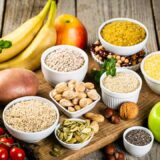
- Favor Cool & Hydrating Foods: Choose sweet, juicy fruits like melons, pears, sweet plums, grapes, and coconuts. Cooked vegetables are generally easier to digest; emphasize bitter and astringent greens like kale, dandelion, collards, asparagus, and zucchini.
- Embrace the Sweet, Bitter & Astringent Tastes: These tastes naturally reduce pitta. Sweet (not sugary, but like grains, milk, ghee), bitter (leafy greens, turmeric), and astringent (legumes, pomegranate) foods calm the fire.
- Incorporate Digestive Spices: Use cooling or carminative spices like cumin, coriander, fennel, cardamom, turmeric, and fresh cilantro. Avoid heating spices like chili, black pepper, and excessive ginger.
- Prioritize Regular Meal Times: Eat three meals a day at consistent times, with lunch being the largest when digestive fire is strongest. Never skip meals.
- Critical Eliminations: Strictly limit or avoid alcohol, caffeine, vinegar, fermented foods, overly spicy foods, deep-fried foods, processed foods, and excessive salt. These are sharp (tikshna) and hot (ushna), directly aggravating pitta.
- Stay Hydrated with Cool Liquids: Sip room temperature or cool water throughout the day. Herbal teas of cumin, coriander, and fennel (CCF tea), mint, or rose are excellent. Avoid ice-cold drinks, which can dampen digestive fire.
- Practice Mindful Eating: Eat in a calm environment, without screens, and chew thoroughly to support optimal digestion and prevent ama formation.
2. Herbal Allies: Nature’s Cooling Pharmacy
Ayurvedic herbs work synergistically to cleanse, cool, and nourish the tissues.
- Amalaki (Indian Gooseberry): The premier rejuvenating herb for pitta. It is sour in taste but miraculously cooling in post-digestive effect (Vipaka). It gently cleanses the GI tract, supports the stomach lining, regulates digestive acids, and, as a component of Triphala, promotes regular elimination and removes ama. Rich in natural vitamin C and antioxidants, it deeply nourishes all tissues.
- Neem: The quintessential bitter, cooling herb for excess pitta. It is a powerful blood purifier (Rakta shodhaka) and liver cleanser, making it specific for inflammatory skin conditions. Due to its intense bitterness, it is often taken in formulas like Healthy Skin or Blood Cleanse, which synergize it with other herbs to mitigate any potential aggravation to Vata.
- Bhumyamalaki & Guduchi: Found in a comprehensive Liver Formula, these herbs are renowned hepatoprotectives. They support the liver’s natural detoxification pathways, reduce heat in the blood, and enhance immunity without increasing pitta.
- Shatavari: A cooling, nurturing tonic that soothes pitta, particularly in the reproductive and digestive systems. It helps moderate the inflammatory response and provides moistening nourishment.
- External Applications: Neem Oil or Neem Soap can be used for cooling skin conditions. Soothing Skin Balm or plain Coconut Oil applied after a shower pacifies heated skin. Pitta Massage Oil, with its cooling herbs like sandalwood and jasmine, is ideal for daily self-massage (Abhyanga).
3. Lifestyle & Daily Routine (Dinacharya): The Foundation of Sustained Balance
A consistent, cooling daily routine is perhaps the most powerful medicine for fiery pitta.
- Embrace the Early & Cool Hours: Wake up before 6 a.m. during the cooler, vata time of day. Exercise gently (like walking, swimming, or moon salutations) in the early morning or late evening. Avoid exertion during the peak pitta hours of 10 a.m. to 2 p.m.
- Prioritize Sleep: Go to bed before 10 p.m. (the pitta time of night) to avoid a “second wind” of mental fire. Ensure your bedroom is cool, dark, and quiet.
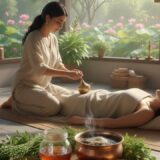
- Daily Self-Massage (Abhyanga): Perform a daily full-body massage with Pitta Massage Oil or Coconut Oil. This is profoundly calming for the nervous system, cools the body, and nurtures the skin.
- Cooling Hydrotherapy: Swim in natural bodies of water, take cool baths with rose or sandalwood powder, or simply rest your feet in cool water.
- Sensory Management: Wear cooling colors—whites, blues, greens, and purples. Surround yourself with sweet, calming scents like rose, sandalwood, jasmine, and lavender. Enjoy calming music and spend time in nature, especially near water and moonlight.
- Moon Bathing: A traditional pitta-pacifying practice. Spend time sitting or walking softly in the moonlight, which is naturally cooling and soothing to the mind and emotions.
- Practice Compassionate Boundaries: Seek out sweet, supportive company. Learn to say “no” to overcommitment and cultivate a lifestyle that values ease and satisfaction over relentless achievement.
4. Yoga: A Moving Meditation for Cooling
A pitta-balancing yoga practice emphasizes surrender, compassion, and softness over intensity and achievement.
- Environment & Intention: Practice in a well-ventilated, slightly cool space. Set an intention of self-acceptance, using only 80% of your energy.
- Favor Cooling Poses: Focus on forward folds (e.g., Uttanasana, Paschimottanasana), gentle twists (to massage the liver and spleen), hip-openers (e.g., Pigeon Pose), and restorative poses (Supta Baddha Konasana with a cool eye pillow).
- Embrace Lunar Sequences: Chandra Namaskar (Moon Salutations) are the perfect counterbalance to the solar intensity of pitta. They are fluid, cooling, and introspective.
- Prioritize Savasana: End your practice with a long, relaxed Corpse Pose, allowing the nervous system to fully integrate and cool down.
5. Meditation & Pranayama: Cooling the Mind’s Fire
Meditation channels pitta’s sharp intellect inward, cultivating awareness and releasing toxic emotions.
- So Hum Meditation: This simple mantra meditation, synchronizing the breath with the silent repetition of “So” on the inhalation and “Hum” on the exhalation, focuses the mind and induces profound peace.
- Empty Bowl Meditation: Visualizing the mind as an empty, cool vessel helps release the clutter of judgment and criticism.
- Loving-Kindness (Metta) Meditation: Directing feelings of compassion first toward oneself and then outward directly counteracts pitta’s tendencies toward irritation and judgment.
- Cooling Breath (Sheetali & Sitkari Pranayama): These techniques involve inhaling through a rolled tongue or clenched teeth, creating a powerful cooling and calming effect on the entire system. Practice them for 5-10 minutes daily, especially when feeling heated or agitated.
FAQ’s
Q1: What is Pitta, and why should I reduce it?
A: Pitta is one of the three doshas in Ayurveda, representing fire and water elements. Excess Pitta can cause irritability, acidity, inflammation, and skin issues. Reducing it helps maintain balance in the body and mind naturally.
Q2: How can I reduce Pitta immediately?
A: To calm Pitta quickly:
- Drink cool water or herbal teas like mint and coriander.
- Apply a cool compress to the forehead or neck.
- Avoid spicy, oily, or fried foods.
- Stay in a cool environment and practice deep breathing.
Q3: Which foods help balance Pitta?
A: Pitta-reducing foods are cooling and hydrating:
- Fresh fruits: watermelon, cucumber, coconut
- Vegetables: zucchini, broccoli, spinach
- Dairy: milk and ghee (moderate amounts)
Q4: Which activities calm Pitta instantly?
A: Activities that soothe Pitta include:
- Meditation and deep breathing
- Light exercises like walking or swimming in cool water
- Avoiding heat, sun exposure, and stressful situations
Q5: Are there natural herbs that reduce Pitta quickly?
A: Yes! Cooling herbs include:
- Aloe vera juice – soothes digestion
- Brahmi – calms the mind
- Licorice – reduces acidity and inflammation
Q6: Can lifestyle changes help prevent Pitta imbalance?
A: Absolutely. Tips for long-term Pitta balance:
- Eat fresh, cooling foods
- Maintain a regular sleep schedule
- Avoid anger, competitiveness, and overworking
Q7: Can drinking water reduce Pitta immediately?
A: Yes! Drinking cool or room-temperature water flushes out excess body heat, instantly soothing Pitta. Adding mint or coconut water enhances the effect.
Q8: Are there quick yoga poses to calm Pitta?
A: Yes. Yoga poses that reduce Pitta quickly include:
- Shitali Pranayama (cooling breath)
- Forward bends like Paschimottanasana
- Gentle twists like Ardha Matsyendrasana
These poses cool the body and calm the mind.
Q9: How does sleep affect Pitta levels?
A: Proper sleep is essential for Pitta balance. Lack of sleep increases irritability and internal heat. Going to bed before 10 pm and avoiding late-night work helps reduce Pitta naturally.
Q10: Can meditation help reduce Pitta immediately?
A: Yes! Short meditation or mindfulness sessions can calm the mind and lower Pitta-induced stress instantly. Techniques like deep breathing, visualization of coolness, or chanting calming mantras are highly effective.
Cleansing excess pitta means transforming intensity into balance and insight. Rather than extinguishing inner fire, it refines and directs it with awareness. By choosing cooling foods, supportive herbs, soothing routines, gentle yoga, and meditation, pitta energy becomes calm, clear, and purposeful.