Kati Basti: The Best Oil Pooling Treatment for Low Back Pain

Low back pain is a widespread condition that has affected humanity for centuries. Most people experience some degree of lower back discomfort at least once in their lifetime. In today’s world, factors such as sedentary lifestyles, poor dietary habits, reduced immunity, increased travel, obesity, and the stress of modern living have contributed to a sharp rise in the global incidence of low back pain.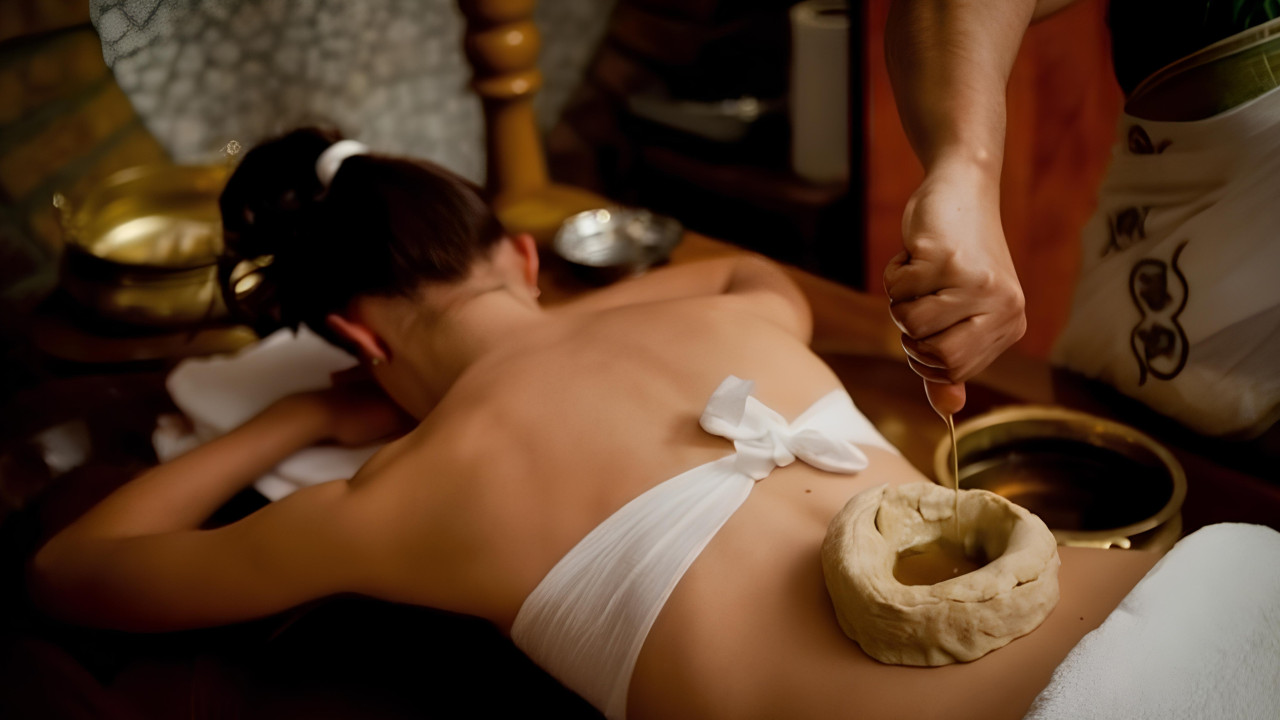
It remains one of the leading reasons individuals seek medical consultation. Medically, low back pain refers to discomfort or dysfunction involving the muscles, bones, and nerves in the lumbar region of the spine. Statistics indicate that approximately 40% of people will experience this condition during their lifetime.
Ayurvedic Perspective: The Role of Kati Vasti
Ayurveda, the traditional system of Indian medicine, offers effective and holistic approaches for managing low back pain. Among its various treatments, Kati Vasti (also spelled Kati Basti) is especially renowned. This therapy involves the retention of warm medicated oil over the lower back region within a dough ring, allowing deep penetration into the tissues.
Patients who undergo Kati Vasti often report significant relief and improved mobility. Many even express that their pain subsided to the point of being nearly forgotten. The therapeutic warmth and herbal properties of the oils used in Kati Vasti help relax muscles, reduce inflammation, and nourish the spinal structures.
What is Kati Vasti (Kati Basti)?
Kati Vasti is a traditional Ayurvedic therapy designed to relieve pain and stiffness in the lower back. The term comes from two Sanskrit words:
- Kati – meaning lower back
- Vasti (or Basti) – meaning to retain or hold
In this treatment, a reservoir or compartment is constructed on the lower back using a dough made from black gram flour. This reservoir is carefully positioned to cover the lumbo-sacral and sacroiliac regions. Warm, medicated herbal oils are then poured and retained within this space for a specific duration.
The term Vasti also refers to the urinary bladder in Ayurveda, a natural organ that retains urine temporarily. Similarly, in Kati Vasti, the constructed compartment holds the therapeutic oil, allowing it to deeply penetrate the tissues beneath.
In Simple Terms: Kati Vasti is a localized oil-retention therapy that helps alleviate lower back pain, stiffness, inflammation, and associated symptoms by using the healing properties of warm herbal oils.
When Is Kati Vasti Beneficial?
Kati Vasti is a traditional Ayurvedic therapy that involves retaining warm medicated oil over the lower back. It is highly effective in relieving pain, inflammation, and stiffness. Below are the key conditions in which Kati Vasti proves particularly beneficial:
1. Low Back Pain (Lumbago)
This common condition involves pain and stiffness in the muscles and bones of the lower back. Kati Vasti reduces inflammation, relaxes tight muscles, and improves blood flow. It promotes spinal flexibility, supports natural healing, and offers lasting relief when combined with rest, lifestyle changes, and Ayurvedic internal medicines.
2. Lumbar Spondylosis
A degenerative disorder of the lumbar spine that leads to joint and disc wear. Kati Vasti provides deep tissue nourishment, reduces joint stiffness, and delays further degeneration. It improves joint lubrication, strengthens supportive muscles, and enhances posture and movement, helping patients maintain spinal health and avoid further complications.
3. Sciatica
Sciatica is caused by compression or irritation of the sciatic nerve, resulting in sharp pain radiating from the lower back down to the leg. Kati Vasti reduces nerve inflammation, relaxes the muscles, and improves circulation. It helps relieve associated symptoms like numbness, tingling, and weakness by easing nerve pressure.
4. Sacroiliac Joint Dysfunction
This condition affects the joint between the sacrum and iliac bones, causing localized or radiating pain. Kati Vasti helps relieve inflammation, improve joint function, and reduce discomfort. It relaxes surrounding ligaments, stabilizes the pelvic region, and restores balance and mobility, offering long-term support in managing chronic joint dysfunction.
5. Coccydynia (Tailbone Pain)
Coccydynia refers to pain in the tailbone area, often caused by trauma or prolonged sitting. Kati Vasti provides deep warmth and pain relief to the coccyx region. It promotes healing of soft tissues, improves comfort when sitting, and reduces inflammation, making it ideal for managing this sensitive and painful condition.
6. Intervertebral Disc Prolapse (IVDP)
IVDP involves bulging or herniation of spinal discs, leading to nerve compression and back or leg pain. Kati Vasti reduces pressure on affected nerves, alleviates inflammation, and enhances spinal hydration. It supports disc realignment, promotes healing, and helps restore spinal function without invasive procedures when used consistently.
7. Spondylolisthesis
This condition occurs when a vertebra slips forward, causing lower back pain and possible nerve symptoms. Kati Vasti helps by relaxing back muscles, reducing stiffness, and easing sciatic nerve pain. It supports spinal stability, reduces muscle spasms, and improves mobility, making it a supportive treatment in managing spinal displacement.
8. Spina Bifida Occulta
A mild congenital defect where the spine fails to close completely, possibly leading to nerve and muscular issues. While not a cure, Kati Vasti supports symptom relief by reducing nerve discomfort and enhancing local circulation. It strengthens back muscles and improves coordination, aiding in better mobility and quality of life.
9. Ankylosing Spondylitis
A chronic inflammatory disease primarily affecting the spine and sacroiliac joints, leading to pain and stiffness. Kati Vasti provides warmth and lubrication to stiff joints, reducing inflammation and improving mobility. It helps manage flare-ups, delays spinal fusion, and offers relief from morning stiffness and fatigue when used alongside Ayurvedic medications.
10. Piriformis Syndrome
A neuromuscular condition where the piriformis muscle compresses the sciatic nerve, causing pain in the buttock and down the leg. Kati Vasti helps relax the piriformis muscle, reduces nerve compression, and eases radiating pain. It improves blood flow, reduces muscle tension, and supports recovery when combined with stretching and therapy.
How Is Kati Vasti Done?
Kati Vasti is an Ayurvedic therapeutic procedure that involves retaining warm medicated oil over the lower back to treat pain, stiffness, and inflammation. The process is performed in three stages: Purvakarma (pre-treatment), Pradhanakarma (main procedure), and Paschatkarma (post-treatment).
- Purvakarma (Pre-Treatment Procedures)
- Patient Preparation:
- The patient is assessed thoroughly, documenting their Prakriti (body constitution) and Vikriti (current imbalance).
- The disease is examined in detail, and treatment goals, materials, and medicines are planned accordingly.
A Sadhyo Virechana (instant purgation) is administered to cleanse the digestive tract and reduce intra-abdominal pressure, which enhances the therapeutic effect of Kati Vasti. This also ensures better absorption of the medicated oil by clearing channels and reducing systemic toxins.
1. Treatment Preparation
All required materials are assembled in advance for a smooth treatment process:
- Medicated oils/ghee: Chosen specifically based on the individual’s condition; also used post-procedure for massage. The oil should be freshly warmed and tested for tolerable temperature before application.
- Black gram flour and water: Used to form a dough that creates a leak-proof ring on the lower back to contain the oil. The dough ring must be firmly sealed to avoid leakage and ensure proper oil pooling.
- Utensils and accessories: Stove, bowls, spoons, sterile cloth, and other necessary tools are kept ready. Cleanliness and hygiene are critical to avoid skin infections or contamination.
- Fomentation materials: Herbal powders like Rasnadi Churna, Kottamchukkadi Churna, etc., are prepared for Churna Pinda Sweda (dry fomentation). These powders help draw out toxins and prepare the tissues for oleation.
2. Rukshana (Drying Therapy) Before Kati Vasti
To ensure the effectiveness of oleation, a drying therapy is administered prior to Kati Vasti. This is done using:
Churna Pinda Sweda (Powder Bolus Fomentation):
- Herbal powders are selected based on dosha dominance—Rasnadi for pain, Jatamayadi for swelling, etc.
- The powder is dry-roasted or heated, tied in cloth boluses, and applied to the back after an oil massage.
- Therapy is performed for 30–45 minutes over 2–3 days to induce dryness and reduce symptoms like stiffness or heaviness.
This process clears the obstructed channels (srotas), preparing the tissues to absorb the medicated oil more effectively.
3. Udwarthana (Powder Massage)
- A reverse-direction massage using herbal powders, often fried in oil, to reduce fat, toxins (ama), or excess kapha.
This method is especially effective for those with obesity or metabolic disorders contributing to back pain. - It improves lymphatic drainage, enhances skin texture, and further dries the area before oil retention.
4. Materials for Paschatkarma (Post-Treatment Care)
After the main Kati Vasti procedure, further therapies are applied to stabilize and enhance results:
- Patra Pinda Sweda (Leaf Bolus Fomentation): Fresh herbal leaves such as Eranda, Nigundi, and Chincha are used in hot fomentation to relax the muscles and reduce residual pain or stiffness. The boluses help in balancing Vata dosha and maintain warmth in the treated area.
- Additional materials include: Lemon, grated coconut, Rasnadi Churna, Haridra, Methi, Rock salt, and Castor oil for varied applications based on symptoms. Each ingredient is chosen for its specific therapeutic action, such as pain relief, detoxification, or anti-inflammation.
5. Optional Integration with Matra Vasti
- In chronic or stubborn cases, Kati Vasti is often combined with Matra Vasti, a form of daily oil/ghee enema administered in fixed doses.
- This systemic Vata-pacifying therapy enhances the effect of Kati Vasti by nourishing the colon and calming nerve impulses.
It is beneficial when low back pain is associated with constipation, dryness, or neurological symptoms.
Pradhana Karma (Main Procedure) – Kati Vasti
Kati Vasti is the central therapeutic step where warm medicated oil is retained over the lower back using a ring made of herbal dough. This procedure is tailored to the patient’s condition and performed with precision for maximum benefit.
1. Positioning the Patient
Kati Vasti is ideally scheduled based on the dominant dosha:
- Morning: For Kapha symptoms (stiffness, heaviness)
- Noon: For Pitta symptoms (burning, inflammation)
- Evening: For Vata symptoms (pain, dryness)
Most often, it is done in the morning when the body is calm and digestion is not active.The patient should arrive on an empty stomach and lie in the prone position (face down) on a comfortable treatment table.
This positioning allows even distribution of oil and ensures complete coverage of the lumbar-sacral region.
2. Preparing the Dough (Wet Flour)
- Finely ground black gram flour is mixed with warm water to form a firm, pliable dough.
- It is kneaded into a smooth, non-sticky bolus to ensure a tight seal during the procedure.
- The flour should be fresh and prepared under hygienic conditions to prevent contamination.
3. Constructing the Dough Ring (Kati Vasti Compartment)
- From the dough, a thick ring is shaped and placed on the lower back, enclosing the lumbar vertebrae, sacroiliac joints, and coccyx.
- The height of the ring should be 5–6 inches to hold sufficient oil.
- The ring’s base is carefully sealed to the skin with wet dough to prevent leakage.
- A small quantity of warm oil is poured inside initially to test for leaks before starting the treatment.
- Proper sealing ensures the medicated oil remains in place for optimal absorption and effectiveness.
4. Method of Oil Pooling
- The selected medicated oil is gently heated using the double boiler method (placing the oil bowl in a hot water vessel).
- Once warm, the oil is poured into the dough ring, covering the intended spinal region.
- The temperature is tested for comfort before application on the patient.
- The warmth of the oil opens the skin pores and allows deeper penetration into the tissues.
5. Recycling and Temperature Maintenance
- The temperature of the oil is kept uniform throughout the session.
- At intervals, a portion of the oil is removed and replaced with freshly warmed oil without completely draining the pool.
- This recycling ensures consistent therapeutic warmth and sustained effectiveness.
- A uniform oil temperature enhances muscle relaxation and promotes better circulation.
Oils and Ghee Commonly Used in Kati Vasti
The choice of oil depends on the patient’s dosha imbalance and the nature of their condition. Commonly used oils and ghees include:
- Ksheerabala Tailam – Vata disorders, nerve pain
- Mahamasha Tailam – Muscular weakness, stiffness
- Mahanarayana Tailam – Joint pain, degenerative conditions
- Kottamchukkadi Tailam – Swelling and inflammation
- Balashwagandhadi Tailam – Weakness, neuromuscular conditions
- Ashwagandhabalalakshadi Tailam – Sciatica, disc issues
- Sahacharadi Tailam – Lower limb and back pain
- Murivenna – Injuries, inflammation, soft tissue damage
- Pinda Tailam – Burning pain, inflammatory arthritis
- Tiktaka Ghritam – Pitta disorders, skin inflammation
- Guggulutiktaka Ghritam – Chronic inflammation, autoimmune issues
- Tila Taila (Sesame Oil) – Base oil, general vata balancing
Each oil is selected based on its therapeutic qualities and tailored to the individual’s doshic and clinical presentation.
Paschatkarma (Post-Treatment Care) – After Kati Vasti
Paschatkarma ensures the treatment effects are stabilized, any residual substances are safely removed, and the body is gently brought back to a balanced state. It also includes supporting therapies and lifestyle guidance for long-term benefit.
Removal of Oil and Dough Ring
- After the completion of the Kati Vasti duration (typically 30–45 minutes), the oil is gently removed and stored for reuse.
- The used oil can be reused up to 3 days by topping up fresh oil daily; it is best replaced entirely by the 4th day.
- The dough ring is carefully dismantled and cleaned off the skin using a cloth or sterile cotton.
- Ensuring no residue remains helps prevent skin irritation and supports hygiene.
Abhyanga (Oil Massage)
- A light massage is performed using the same warm medicated oil for 10–15 minutes.
- Pressure is kept gentle to avoid aggravating inflamed tissues; lower limbs and feet may also be included if needed.
- This massage enhances circulation, promotes lymphatic drainage, and prolongs the oil’s therapeutic action.
Patra Pinda Sweda (Leaf Bolus Fomentation)
- Fresh leaves of Vata-pacifying herbs such as Eranda, Nigundi, Arka, Chincha, Shigru, Dhattura, and Agnimantha are chopped and sautéed in the same oil used for Kati Vasti.
- Ingredients like grated coconut, lemon, Rasnadi Churna, Haridra, Methi, Rock salt, and Castor oil are added to enhance the fomentation’s effectiveness.
- The mixture is tied into cloth boluses, dipped in warm oil, and applied in circular motions on joints and vertical strokes on muscles.
- Boluses are rotated constantly to maintain warmth and provide consistent therapeutic heat throughout the session.
Shashtika Shali Pinda Sweda (Nourishing Fomentation, Optional)
- When signs of severe Vata imbalance and tissue degeneration are present, a nourishing fomentation using Shashtika rice is employed.
- Rice is boiled in medicated decoctions, packed in cloth boluses, and used warm over the back to restore strength and vitality.
- This therapy deeply nourishes the tissues (dhatus), supports rejuvenation, and alleviates degenerative changes.
Snana (Herbal Bath)
- The patient is advised to rest for 30–60 minutes post-procedure and then take a warm water bath.
- Bathing powders like green gram flour or Siddhartha Snana Churna are used instead of soap to remove oil gently.
- If outpatient, the patient can bathe at home within 1–2 hours, ensuring they stay warm and avoid cold exposure.
Matra Vasti (Daily Oil/Ghee Enema)
- A daily medicated enema using 50–75 ml of oil or ghee is administered, typically after meals.
- Oils like Mahanarayana Tailam, Sahacharadi Tailam, Dhanwantaram Tailam, or Guggulutiktakam Ghritam are used.
- Matra Vasti is given alongside Kati Vasti sessions to balance systemic Vata and enhance lower spine recovery.
Nitya Virechana (Daily Gentle Purgation, Optional)
- If needed, mild daily purgation is prescribed using Gandharvahastadi Kashayam, Eranda Tailam, or similar.
- This helps reduce accumulated Vata and Pitta, relieve constipation, and reduce pressure on the spine.
- Nitya Virechana should not be used concurrently with Matra Vasti but may be introduced post-treatment as follow-up.
Discharge and Lifestyle Guidance
- Patients are either discharged daily (OPD) or after the full course (IPD), with tailored diet, lifestyle, and medicine plans.
- They are advised to repeat Kati Vasti 2–3 times a year for maintenance, especially in chronic or degenerative conditions.
- Attention should also be given to weight reduction, menstrual regulation in women, correction of constipation, and proper exercise routines.
Ayurvedic Medicines for Low Back Pain, Sciatica & Related Disorders
A combination of internal medicines, external therapies, and supportive formulations are used in Ayurveda to manage lower back conditions effectively by targeting the root causes—primarily Vata imbalance, inflammation, and tissue degeneration.
1. Kashayas (Herbal Decoctions)
These are potent liquid extracts that reduce inflammation, pacify Vata, and support musculoskeletal health:
- Rasnasaptakam Kashayam – For Vata-Kapha joint pain and stiffness
- Rasnapanchakam Kashayam – Relieves pain, swelling, and stiffness
- Dhanwantaram Kashayam – Strengthens the spine and nerves
- Sahacharadi Kashayam – Improves mobility and reduces radiating pain
- Sahacharabaladi Kashayam – Supports nerve regeneration and reduces numbness
- Amrutottaram Kashayam – Detoxifying; useful in chronic inflammatory states
- Guggulutiktakam Kashayam – Beneficial in autoimmune or degenerative joint conditions
- Kokilaksham Kashayam – Useful in paralysis and lower limb weakness
- Guluchyadi Kashayam – Anti-inflammatory and antipyretic properties
- Gandharvahastadi Kashayam – Acts as a mild laxative and Vata-balancer
2. Ghritam and Tailam (Medicated Ghee & Oils)
These are nourishing and Vata-pacifying, ideal for internal use (ghritam) and external application (tailam):
- Guggulutiktakam Ghritam – For inflammatory joint disorders
- Varanadi Ghritam – Helps in managing weight-related joint issues
- Rasnadi Ghritam – Useful in painful musculoskeletal conditions
- Dhanwantaram Ghritam – Strengthens nerves and supports recovery
- Tiktakam Ghritam – Effective in Pitta-dominant inflammatory back pain
- Ksheerabala Tailam / 101 – Best for Vata-related nerve pain and weakness
- Sahacharadi Tailam – Highly effective for sciatica and lower limb disorders
- Dhanwantaram Tailam / 101 – Promotes strength and reduces stiffness
3. Asava / Arishta (Herbal Fermented Tonics)
These formulations improve digestion, metabolism, and systemic detoxification:
- Dashamularishtam – Rejuvenates musculoskeletal tissues
- Abhayarishtam – Promotes healthy bowel movement and reduces Vata
- Ashwagandharishtam – Strengthens muscles and nerves
- Balarishtam – Supports recovery in weakness and degenerative conditions
- Dhanwantararishtam – Broad-spectrum Vata-pacifying tonic
- Devadarvarishtam – Indicated in deep-seated Vata disorders and inflammation
4. Vati / Gulika (Tablets and Pills)
These are convenient internal formulations for daily use:
- Trayodashanga Guggulu – For sciatica, paralysis, and nerve pain
- Rasnadi Guggulu – Targets joint pain and stiffness
- Simhanada Guggulu – Detoxifying and anti-rheumatic
- Navaka Guggulu – Used in obesity and metabolic syndrome
- Kaishora Guggulu – Anti-inflammatory, especially in chronic arthritis
- Yogaraja Guggulu – A comprehensive formulation for all Vata disorders
- Panchatikta Ghrita Guggulu – For deep tissue detoxification and autoimmune joint issues
- Ekangaveera Rasa – Powerful in treating sciatica and hemiplegia
- Mahavata Vidhwamsini Rasa – Best for chronic Vata neurological pain
- Vatagajankusha Rasa – For intense pain with stiffness and spasms
- Ksheerabala Tailam 101 Caps – Encapsulated oil for ease of internal use
- Dhanwantaram Tailam 101 Caps – Rejuvenative and nerve-strengthening
5. External Applications
The following medicated oils can be used for Abhyanga (therapeutic massage), Kati Vasti, or simple self-application:
- Ksheerabala Tailam, Sahacharadi Tailam, Mahanarayana Tailam,
- Dhanwantaram Tailam, Murivenna, Pinda Tailam, Balashwagandhadi Tailam, etc.
These oils help reduce stiffness, relieve pain, and improve circulation.
Benefits of Kati Vasti
Kati Vasti is an effective Ayurvedic therapy specifically designed to address low back pain and related disorders. By using medicated oils and precise techniques, it relieves pain, stiffness, and inflammation, while promoting strength and mobility in the lower back and limbs.
- Pain Relief: Effectively alleviates pain in the lower back and lower limbs by soothing inflammation and nerve irritation.
- Reduction in Stiffness: Helps to relieve stiffness in the low back and lower limbs, allowing for smoother movement and flexibility.
- Decreases Swelling and Inflammation: Reduces swelling and inflammation in the bones and soft tissues of the lower back, improving overall comfort.
- Improves Sensation and Lightness: Promotes a sense of lightness and well-being in the lower portion of the body, relieving heaviness or discomfort.
- Increases Mobility: Enhances the mobility of the back and lower limbs, enabling freedom of movement for daily activities and work.
- Strengthens the Lower Back: Strengthens the muscles, bones, and soft tissues of the lower back, improving its stability and resilience.
- Nerve Soothing: Calms the nerves supplying the lower back and legs, reducing nerve-related pain, tingling, or numbness.
- Boosts Blood Circulation: Enhances blood flow to the low back area, promoting healing, tissue regeneration, and overall health.
Action of Kati Vasti
Kati Vasti addresses back pain through a combination of Ayurvedic principles and therapies aimed at balancing the body’s energies (doshas). It specifically targets imbalances in Vayu (wind), Pitta (fire), and Kapha (phlegm), which are the primary causes of pain and discomfort in the lower back.
Vayu and Tissue Degeneration: Pain, particularly degenerative pain, is often caused by the aggravation of Vayu, leading to tissue depletion and degeneration.
Avarana of Vayu: When Vayu is obstructed by other elements in the body, like Pitta, Kapha, or Dhatus (tissues), it impedes smooth functioning and creates pain and dysfunction.
Ama (Toxins): Ama, the sticky toxins produced from improper digestion, block the body’s natural waste elimination processes, further disturbing the Doshas and leading to discomfort.
High Pitta and Inflammation: Elevated Pitta levels in the body can lead to inflammatory pain in the lower back and limbs, causing stiffness and limited movement.
Ayurvedic Therapy Effects
- Pre-treatment Procedures: Udwarthana and Churna Pinda Sweda dry up excess Ama and Kapha and balance Pitta, helping to reduce stiffness and improve movement.
- Kati Vasti: The oil pooling in the lower back nourishes the joints, pacifies the doshas responsible for pain, and alleviates stiffness, degeneration, and inflammation.
- Patra Pinda Sweda: Leaf bolus fomentation rejuvenates the back by calming Vayu and relieving pain.
- Shashtika Shali Pinda Sweda: Strengthens and nourishes the lower back and limbs, helping to restore their function.
- Virechana: Detoxifies the system, clearing inflammation and waste, improving overall health.
- Vasti: Drives out morbid Vayu, further fortifying the healing process and preventing recurrence of back pain.
Kati Vasti is an effective Ayurvedic treatment for back pain and can be preventive for healthy individuals as well. It promotes long-term health and alleviates current or recurring back pain.