Top 10 Ayurvedic Herbs Used in India and Their Health Benefits

For thousands of years, Ayurveda has been an integral part of Indian culture — not just as a system of medicine, but as a complete approach to living in harmony with nature and the body’s natural rhythms. Rooted in the Sanskrit words Ayur (life) and Veda (knowledge), Ayurveda focuses on maintaining health through balance, prevention, and the intelligent use of natural remedies.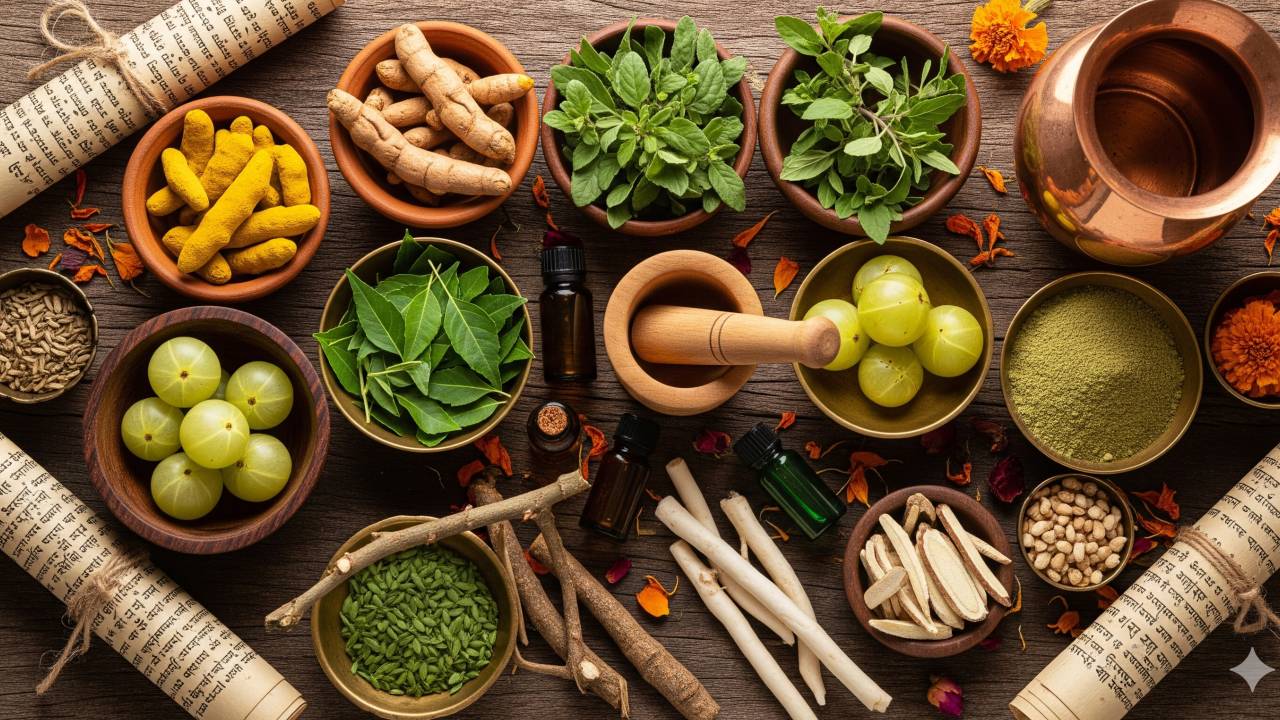 Central to this ancient practice is the use of herbs. Across India’s diverse geography — from the Himalayan foothills to tropical forests — medicinal plants have been identified, studied, and used for healing since ancient times. These herbs aren’t seen as isolated substances, but as powerful, living compounds that interact with the body’s unique energy system, particularly the three doshas: Vata, Pitta, and Kapha.
In this article, we’ll explore some of the most widely used Ayurvedic herbs in India — those that have stood the test of time and are still trusted today. From everyday kitchen staples like turmeric and tulsi to lesser-known but potent plants like ashwagandha and brahmi, each herb carries a unique set of benefits for the body, mind, and spirit.
Top 10 Ayurvedic Herbs from India You Should Know About
Here are the top 10 Ayurvedic herbs that have been widely used in India for centuries, each providing distinct health benefits grounded in traditional knowledge and supported by modern research.
1. Tulsi (Ocimum sanctum) – The Queen of Herbs
If one herb could embody the spirit of Ayurveda, it would be Tulsi, also known as Holy Basil. Revered as sacred in Hinduism, Tulsi is often found growing in central courtyards of homes and temples across India. Its status is not just spiritual; it is a potent adaptogen, a class of herbs that helps the body adapt to stress and promote normal physiological function.
Sanskrit Name: Tulsi
Primary Dosha Balance: Kapha and Vata
Key Benefits and Traditional Uses:
Tulsi’s name, which means “the incomparable one,” is well-earned. In Ayurveda, it is considered a sattvic herb, meaning it promotes clarity, goodness, and lightness of spirit. Its uses are vast:
- Immunity and Respiration: Tulsi is perhaps best known for its powerful support of the respiratory system. It helps expel mucus, soothe coughs, and relieve colds, bronchitis, and asthma. Its antimicrobial properties help fight infections.
- Adaptogen and Stress Relief: As an adaptogen, Tulsi modulates the body’s stress response. It lowers cortisol levels, reduces anxiety, and enhances mental clarity and focus, acting as a tonic for the nervous system.
- Antioxidant Powerhouse: Rich in antioxidants like Eugenol, Tulsi protects organs and tissues from oxidative stress caused by free radicals, supporting overall cellular health.
- Metabolic Health: Studies suggest Tulsi can help regulate blood sugar and cholesterol levels, supporting cardiovascular health.
How to Use It:
The most common and delightful way to consume Tulsi is as a tea. Simply steep a handful of fresh leaves or a teaspoon of dried leaves in hot water for 5-10 minutes. Its slightly peppery, aromatic flavor is both soothing and invigorating. Fresh leaves are also used in worship, and it is a key ingredient in many herbal formulations like Tulsi Arka and Tulsi Ghan Vati.
Modern Science:
Research has validated Tulsi’s anti-stress, immunomodulatory, and antioxidant properties. Eugenol, its primary active compound, is a proven anti-inflammatory and analgesic agent. Clinical trials have shown its efficacy in managing mild to moderate anxiety and stress.
2. Turmeric (Curcuma longa) – The Golden Goddess
No herb has captured the global imagination quite like Turmeric. This vibrant golden-orange rhizome is the spice that gives Indian curry its characteristic color and a cornerstone of Ayurvedic pharmacology.
Sanskrit Name: Haridra
Primary Dosha Balance: Kapha and Pitta
Key Benefits and Traditional Uses:
In Ayurveda, Turmeric is used to kindle Agni (digestive fire) and cleanse the body of toxins (Ama). Its uses are incredibly diverse:
- Anti-inflammatory Champion: Turmeric is the quintessential anti-inflammatory herb. It is used to alleviate joint pain, arthritis, and any inflammatory condition in the body. The compound responsible for this is curcumin, which gives Turmeric its signature hue.
- Skin Health: A potent antioxidant, Turmeric purifies the blood, which reflects as a healthy glow on the skin. It is used in pastes to heal wounds, reduce acne, and soothe skin conditions like eczema and psoriasis.
- Digestive Aid: It stimulates bile production, eases bloating, and improves overall digestion.
- Liver Support: Turmeric is a renowned hepatoprotective agent, helping to cleanse and protect the liver.
How to Use It:
“The golden milk” is perhaps the most famous Turmeric preparation. A warm blend of milk (or a plant-based alternative), turmeric, a pinch of black pepper (which dramatically enhances curcumin absorption), and other spices like ginger and cinnamon. It is, of course, a daily culinary staple in Indian cooking. Topically, it is used in face masks and wound-healing pastes.
Modern Science:
Over 12,000 peer-reviewed studies have been published on Turmeric and curcumin. The scientific consensus strongly supports its anti-inflammatory, antioxidant, anticarcinogenic, and neuroprotective properties. It is one of the most evidence-backed natural compounds in modern phytopharmacology.
3. Ashwagandha (Withania somnifera) – The Strength of a Stallion
The name Ashwagandha comes from the Sanskrit words Ashva (horse) and Gandha (smell), referring to its unique horse-like odor and its traditional reputation for imparting the vigor and strength of a stallion. It is the premier rejuvenating herb (Rasayana) in Ayurveda, particularly for Vata dosha.
Sanskrit Name: Ashwagandha
Primary Dosha Balance: Vata and Kapha
Key Benefits and Traditional Uses:
Ashwagandha is a powerful adaptogen, helping the body resist physical and mental stress.
- Stress and Anxiety Reduction: It is most celebrated for its ability to lower cortisol levels, alleviate chronic stress, reduce anxiety, and improve resilience.
- Energy and Stamina: Unlike stimulants like caffeine, Ashwagandha boosts energy by improving the body’s energy currency (ATP) production and supporting adrenal function. It combats fatigue and enhances physical endurance.
- Sleep and Relaxation: Despite boosting daytime energy, it promotes restful sleep by calming the nervous system.
- Reproductive Health: It is a renowned tonic for male reproductive health, supporting healthy testosterone levels, sperm count, and vitality. It also supports female reproductive health.
How to Use It:
Ashwagandha is typically consumed as a powder. The classic method is to stir ½ to 1 teaspoon into a cup of warm milk with a little honey or ghee. It is also widely available in capsule and tincture forms for convenience.
Modern Science:
Numerous studies confirm Ashwagandha’s efficacy in reducing stress and anxiety scores. It has been shown to significantly reduce cortisol levels, improve sleep quality, increase muscle strength and recovery in athletes, and improve sperm parameters in men.
4. Triphala – The Three-Fruit Harmony
Triphala is not a single herb but a classic Ayurvedic blend of three superfruits: Amalaki (Emblica officinalis), Bibhitaki (Terminalia bellirica), and Haritaki (Terminalia chebula). This synergistic formula is one of the most popular and important in Ayurvedic medicine, celebrated for its gentle yet effective cleansing and rejuvenating properties.
Sanskrit Name: Triphala
Primary Dosha Balance: Balances all three Doshas (Tridoshic)
Key Benefits and Traditional Uses:
Triphala’s magic lies in the combination. Each fruit governs a different area of the digestive tract: Haritaki for the Vata (colon), Amalaki for the Pitta (small intestine), and Bibhitaki for the Kapha (stomach).
- Gentle Bowel Regulator: It is not a harsh laxative. Instead, it tones the intestinal muscles and cleanses the digestive tract, relieving both constipation and diarrhea by normalizing function.
- Digestive Tonic: It improves digestion, absorption, and assimilation of nutrients by strengthening Agni.
- Detoxification (Ama Pachana): It helps digest and eliminate toxins (Ama) from the body.
- High in Antioxidants: Amalaki is one of the richest natural sources of Vitamin C, which is enhanced by the other two fruits, making Triphala a powerful antioxidant blend.
How to Use It:
The standard method is to take ½ to 1 teaspoon of Triphala powder stirred into a glass of warm water at bedtime. Its taste is a complex combination of sweet, sour, pungent, bitter, and astringent. It can also be taken in tablet form.
Modern Science:
Studies have shown Triphala to be effective in treating functional constipation, reducing oxidative stress, and exhibiting anti-inflammatory and antimicrobial activities. Its antioxidant capacity is well-documented.
5. Ginger (Zingiber officinale) – The Universal Medicine
Ginger, in its fresh (Ardraka) and dried (Shunthi) forms, is a kitchen staple and a medicinal powerhouse. Ayurveda hails it as Vishwabhesaj, the universal medicine, for its wide-ranging healing applications.
Sanskrit Name: Ardraka (fresh), Shunthi (dry)
Primary Dosha Balance: Kapha and Vata
Key Benefits and Traditional Uses:
Ginger is a sharp, hot, and penetrating herb, making it excellent for igniting digestive fire and clearing stagnation.
- Digestive Fire (Agni): It is the quintessential remedy for sluggish digestion, bloating, and gas. It stimulates saliva, bile, and gastric enzyme production.
- Anti-nausea: It is exceptionally effective against nausea of all kinds—motion sickness, morning sickness, and chemotherapy-induced nausea.
- Respiratory Health: Its heating quality helps break up Kapha congestion in the lungs, making it excellent for colds, flu, and coughs.
- Anti-inflammatory: Gingerol, its active constituent, has potent anti-inflammatory effects, beneficial for arthritis and muscle pain.
How to Use It:
Fresh ginger is used liberally in cooking. A slice of fresh ginger with a pinch of salt before a meal stimulates digestion. Ginger tea, made by boiling fresh slices in water, is a classic remedy for colds and upset stomachs. Dried ginger powder is used in many Ayurvedic formulations.
Modern Science:
Extensive research confirms ginger’s effectiveness as an antiemetic (anti-nausea agent). Its anti-inflammatory properties, comparable to some NSAIDs, are well-established, along with its positive effects on digestion and gastric emptying.
6. Brahmi (Bacopa monnieri) – The Brain Tonic
Brahmi is synonymous with cognitive enhancement in Ayurveda. Its name is derived from Brahma, the Hindu god of creation, denoting its ability to improve creativity and intelligence. It is a primary Medhya Rasayana—a brain rejuvenator.
Sanskrit Name: Brahmi
Primary Dosha Balance: Vata and Pitta
Key Benefits and Traditional Uses:
Brahmi’s action is primarily on the mind and nervous system.
- Memory and Cognition: It is renowned for enhancing memory, learning capacity, focus, and mental clarity. It is traditionally given to students.
- Calming the Mind: While it sharpens intellect, it also has a calming effect, reducing anxiety, stress, and restlessness. It is used to support conditions like ADHD.
- Nerve Tonic: It strengthens the nervous system and is used in supporting recovery from nervous breakdowns or exhaustion.
How to Use It:
Brahmi is commonly taken as a powder mixed with ghee or warm milk. It is also available in capsules. Externally, Brahmi Tel (Brahmi oil) is used for a deeply calming scalp and head massage, which is said to nourish the brain directly.
Modern Science:
Clinical trials have consistently shown that Bacopa monnieri supplementation improves memory recall, speed of visual information processing, and anxiety levels. It works by enhancing communication between nerve cells and protecting neurons from damage.
7. Cumin (Cuminum cyminum) – The Digestive Spark
A humble kitchen spice, Cumin is a digestive workhorse in Ayurveda. Its warm, slightly bitter flavor is a fixture in Indian tempering (tadka), and for good reason—it makes food not just tasty but also easier to digest.
Sanskrit Name: Jeeraka
Primary Dosha Balance: All three Doshas
Key Benefits and Traditional Uses:
Cumin’s primary action is on the digestive system (Anahana).
- Kindles Agni: It powerfully stimulates the digestive fire, helping to digest food completely and prevent the formation of toxins (Ama).
- Relieves Bloating and Gas: It has carminative properties, meaning it helps expel gas and relieve intestinal discomfort and bloating.
- Nutrient Absorption: It is believed to enhance the bioavailability and absorption of other nutrients and spices.
- Rich in Iron: Cumin seeds are a good source of iron, making them beneficial for preventing anemia.
How to Use It:
Its primary use is culinary—added to lentils, vegetables, and rice. For digestive issues, a simple tea can be made by steeping or boiling cumin seeds in water. It is also a key component of digestive blends like Hingvastak churna.
Modern Science:
Studies confirm cumin’s gastroprotective, antimicrobial, and anti-flatulent properties. It has been shown to stimulate the secretion of pancreatic enzymes necessary for proper digestion and nutrient assimilation.
8. Licorice Root (Glycyrrhiza glabra) – The Sweet Soother
Known for its intense natural sweetness, Licorice Root (Yashtimadhu) is a superb rejuvenating and soothing herb in Ayurveda. It is considered a Rasayana for its nourishing and vitality-promoting properties.
Sanskrit Name: Yashtimadhu
Primary Dosha Balance: Vata and Pitta
Key Benefits and Traditional Uses:
Licorice is a demulcent, meaning it soothes and coats irritated tissues.
- Respiratory Soother: It is a premier herb for soothing dry, hacking coughs, sore throats, hoarseness, and bronchitis. It helps expel mucus and reduce irritation.
- Adrenal Support: It is known to support adrenal gland function, making it beneficial for combating chronic fatigue and exhaustion from long-term stress.
- Acid Reflux and Ulcers: It soothes inflamed stomach and intestinal linings, providing relief from heartburn, acid reflux, and ulcers.
- Natural Sweetener: Its sweetness (50 times sweeter than sugar) allows it to balance the strong tastes of other herbs in formulations.
How to Use It:
For a sore throat, one can slowly chew on a small stick of licorice root. Powder can be mixed with honey or warm water. It is a crucial component of many cough syrups and herbal blends.
Modern Science:
Glycyrrhizin, its active compound, has proven anti-inflammatory, antiviral, and expectorant effects. Deglycyrrhizinated licorice (DGL) is a popular form used in modern herbalism to treat stomach ulcers without affecting blood pressure.
9. Neem (Azadirachta indica) – The Village Pharmacy
Neem is the quintessential bitter herb and one of the most powerful purifiers in Ayurveda. Every part of the tree—leaves, bark, flowers, and seeds—is used medicinally. Its immense bitterness is a direct indicator of its potent cleansing action.
Sanskrit Name: Nimba
Primary Dosha Balance: Pitta and Kapha
Key Benefits and Traditional Uses:
Neem’s primary action is to cleanse the blood of toxins and cool heat-related conditions.
- Blood Purifier: It is the go-to herb for skin disorders like acne, eczema, psoriasis, and boils, which are often seen as manifestations of impure blood.
- Antimicrobial Powerhouse: It has strong antibacterial, antiviral, and antifungal properties. It is used both internally and topically for infections.
- Skin Health: Neem paste is applied to wounds, skin infections, and to cool skin inflammations. Neem oil is used for hair and scalp health.
- Oral Health: Traditionally, neem twigs are used as chewing sticks (datun) for cleaning teeth and maintaining oral hygiene.
How to Use It:
Neem leaf powder can be taken in small doses (a pinch to ¼ tsp) with water. Its extreme bitterness is often masked with honey. Topically, neem leaf or oil is used in pastes, soaps, and shampoos.
Modern Science:
Research has isolated over 100 bioactive compounds from Neem. It is proven to have immunomodulatory, anti-inflammatory, antifungal, and antibacterial properties, validating its extensive traditional use.
10. Cardamom (Elettaria cardamomum) – The Aromatic Digestif
The “Queen of Spices,” Cardamom, with its captivating aroma and sweet, floral flavor, is much more than a culinary delight. In Ayurveda, it is valued for its ability to balance the strong qualities of other spices and aid digestion.
Sanskrit Name: Ela
Primary Dosha Balance: All three Doshas
Key Benefits and Traditional Uses:
Cardamom is a soothing carminative.
- Digestive Aid: It relieves intestinal spasms, soothes the stomach, and helps expel gas. It is often chewed after meals as a natural breath freshener and digestive.
- Balancing: It is particularly good at balancing the mucus-producing potential of dairy. Adding a pinch of cardamom to milk makes it easier to digest and less likely to create Kapha congestion.
- Mood Uplifter: Its sweet and uplifting aroma is said to have a positive effect on mood and heart energy.
How to Use It:
It is a star ingredient in Indian desserts and the iconic Masala Chai. The pods can be cracked open and chewed directly, or the seeds can be used in cooking and teas.
Modern Science:
Studies show cardamom has antioxidant, anti-inflammatory, and antimicrobial properties. It has been shown to help lower blood pressure and improve breathing in those with asthma.
Important Considerations: Navigating Your Ayurvedic Journey
The world of Ayurvedic herbs is profound and empowering, but it must be approached with respect and knowledge. Here are critical considerations before you begin:
- Consult an Expert: This cannot be overstated. Always seek advice from a qualified Ayurvedic practitioner or integrative doctor. They can assess your unique constitution (Prakriti) and any current imbalances (Vikriti) to recommend the right herbs and correct dosages for you.
- Quality is Paramount: The herbal market is largely unregulated. Source your herbs from reputable companies that practice third-party testing for heavy metals, pesticides, and authenticity to ensure you are getting pure, potent, and safe products.
- Dosage Matters: The Ayurvedic principle “the dose makes the poison” is vital. More is not better. Herbs have energetic qualities, and overuse can create new imbalances. Follow recommended dosages meticulously.
- Potential Drug Interactions: Ayurvedic herbs are pharmacologically active and can interact with prescription medications. For example, Ashwagandha may interact with sedatives, and Turmeric with blood thinners. Disclose all supplements to your healthcare provider.
- Pregnancy and Lactation: Be extremely cautious. Many herbs that are safe in normal circumstances are not recommended during pregnancy or breastfeeding. Professional guidance is essential here.
FAQ’s
1. What are the best Ayurvedic herbs for immunity?
Some of the top Ayurvedic herbs known to boost immunity include Tulsi (Holy Basil), Ashwagandha, Giloy, Neem, and Amla. These herbs help strengthen the body’s natural defenses and fight infections.
2. How do Ayurvedic herbs work?
Ayurvedic herbs work by balancing the body’s three doshas—Vata, Pitta, and Kapha—and restoring harmony. They possess unique energies and properties that interact with the body’s systems to promote healing and wellness naturally.
3. What are the side effects of Ayurvedic herbs?
When used correctly and in appropriate doses, Ayurvedic herbs are generally safe. However, misuse or excessive consumption can cause side effects like digestive upset, allergic reactions, or interactions with other medications. Always consult a qualified practitioner.
4. Which Ayurvedic herbs help with stress relief?
Herbs like Ashwagandha, Brahmi, and Jatamansi are renowned for their adaptogenic properties, helping reduce stress, anxiety, and promote mental calmness.
5. How to use Ayurvedic herbs for digestion?
Herbs such as Triphala, Ginger, and Cumin can be taken as teas, powders, or supplements to improve digestion, reduce bloating, and support gut health.
6. Are Ayurvedic herbs safe during pregnancy?
Not all Ayurvedic herbs are safe during pregnancy. Some, like Ashwagandha and Neem, should be avoided. It’s crucial to consult a healthcare provider before using any herbs during this time.
7. Can Ayurvedic herbs cure chronic diseases?
Ayurvedic herbs can support the management of chronic conditions by improving overall health and balancing body systems, but they should not replace conventional medical treatment. They work best as complementary therapies.
8. Where to buy authentic Ayurvedic herbs?
Look for reputable Ayurvedic stores, certified organic suppliers, or trusted online retailers. Authentic herbs are often labeled with certifications and come with detailed usage information.
9. How long does it take for Ayurvedic herbs to work?
The effects vary depending on the herb, dosage, and individual constitution. Some herbs may show benefits within days, while others require consistent use over weeks or months for noticeable results.
10. What are the top Ayurvedic herbs for skin care?
Herbs like Neem, Turmeric, Sandalwood, Aloe Vera, and Manjistha are popular in Ayurveda for promoting clear, healthy skin and treating common skin issues naturally.
These ten herbs showcase Ayurveda’s timeless approach to healing, treating humans as part of nature’s balance. From Ashwagandha’s stress relief to Brahmi’s mental clarity, they offer powerful, holistic wellness for today’s world.