Ayurvedic Vasti Treatment – How It Works and Its Benefits

Vasti Ayurvedic Massage is more than a therapeutic technique—it is a sacred ritual rooted in the 5,000-year-old tradition of Ayurveda, India’s “science of life.” This practice, part of the broader Panchakarma detoxification system, is designed to address localized pain and systemic imbalances by harnessing the power of warm, medicated oils and herbal synergies.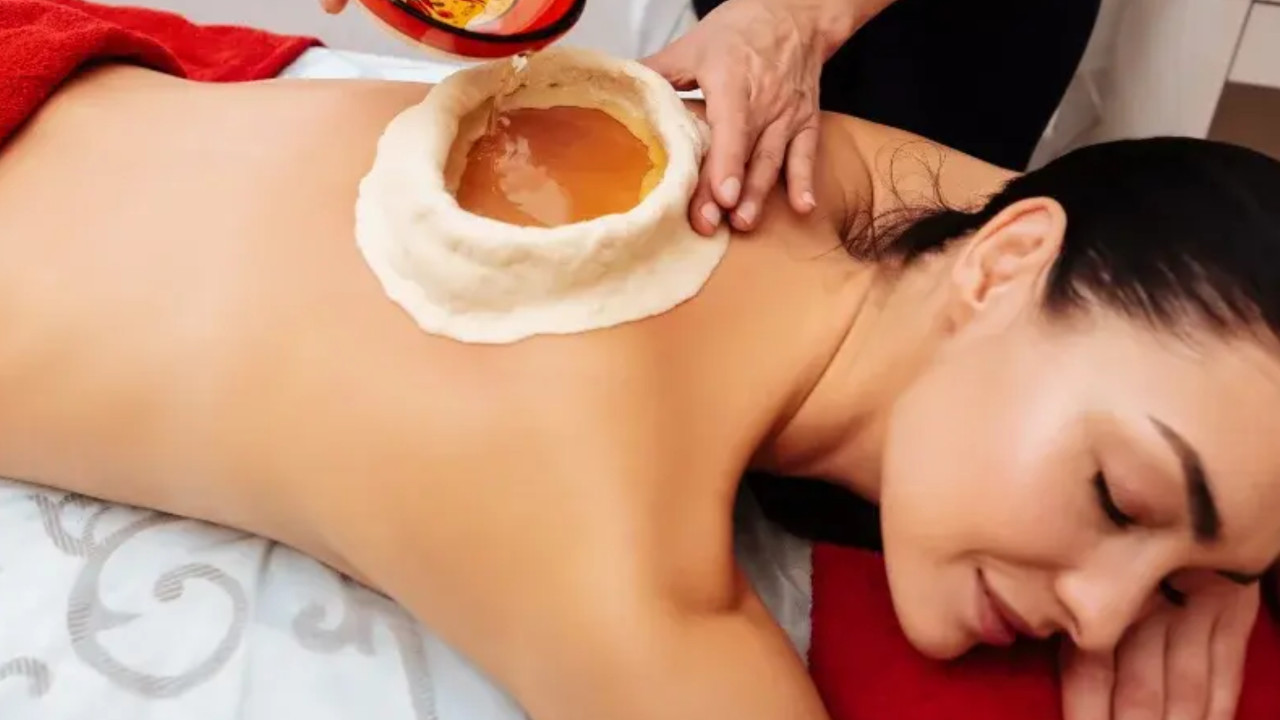 The term Vasti (or Basti) translates to “container” in Sanskrit, reflecting the method’s unique use of a dough ring to pool oil over specific body areas, enabling deep tissue penetration and prolonged healing. Historically, Vasti was reserved for royalty and warriors recovering from battle injuries, as documented in texts like the Charaka Samhita (300 BCE).
Today, it bridges ancient wisdom and modern needs, offering relief from ailments exacerbated by sedentary lifestyles, such as chronic back pain, tech-induced neck strain, and joint degeneration. Unlike fleeting solutions, Vasti aims to restore the body’s innate equilibrium, making it a cornerstone of preventive and rehabilitative Ayurvedic care.
Key Ayurvedic Principles Underlying Vasti Therapy
Ayurveda’s foundation lies in the Tridosha Theory, which posits that health arises from the harmonious interplay of three bioenergies:
- Vata (air/space): Governs movement, creativity, and nerve function. When imbalanced, it manifests as anxiety, dryness, or joint pain.
- Pitta (fire/water): Manages metabolism, digestion, and ambition. Excess Pitta triggers inflammation, acidity, or irritability.
- Kapha (earth/water): Provides structure, lubrication, and calm. Aggravated Kapha leads to stagnation, weight gain, or lethargy.
Vasti specifically targets Vata imbalances, which accumulate in hollow spaces like joints and the colon, causing stiffness, nerve pain, and degenerative conditions. By delivering warmth and lubrication, Vasti mimics nature’s nurturing qualities, grounding erratic Vata and restoring fluidity to tissues.
Abhyanga: The Prelude to Deeper Healing
A full-body Abhyanga massage often precedes Vasti therapy. This preparatory step uses rhythmic strokes with dosha-specific oils (e.g., sesame for Vata, coconut for Pitta, mustard for Kapha) to:
- Soften tissues and loosen toxins (ama).
- Stimulate lymphatic drainage and circulation.
- Calm the nervous system, priming the body for localized Vasti treatment.
The Science of Localized Oleation
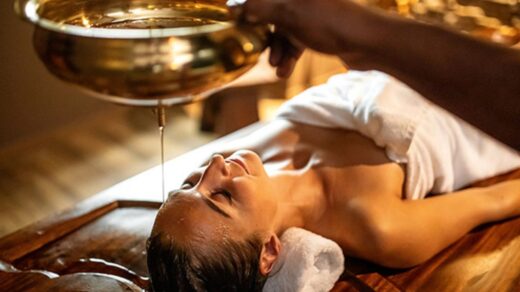
Vasti’s dough ring acts as a therapeutic “moat,” trapping warm oil over problem areas. This creates a microclimate of heat and moisture, enhancing Snehana (oleation) and Swedana (gentle sweating). Together, these processes:
- Dissolve adhesions and scar tissue.
- Flush metabolic waste via the skin and lymphatic system.
- Channel herbs like ashwagandha or ginger directly into inflamed tissues.
Types of Vasti Massage: Customized Healing
Vasti adapts to diverse conditions by targeting specific regions. Below are expanded insights into its primary forms:
1. Kati Vasti (Lower Back Therapy)
Anatomical Focus: Lumbar spine, sacrum, and sciatic nerve pathways.
Modern Applications:
- Chronic lower back pain (e.g., from prolonged sitting or heavy lifting).
- Postpartum recovery (strengthens weakened lumbar muscles).
- Disc herniation (reduces nerve compression and inflammation).
Herbal Oils:
- Mahanarayan Oil: Blends ashwagandha, shatavari, and ginger to reduce spasms.
- Ksheerabala Oil: Infused with milk and herbs like bala (Sida cordifolia) to nourish nerves.
2. Griva Vasti (Neck and Cervical Therapy)
Anatomical Focus: Cervical vertebrae, trapezius muscles, and occipital nerve.
Modern Applications:
- “Tech neck” from smartphone/computer overuse.
- Tension headaches or migraines linked to cervical stiffness.
- Whiplash injuries or postural imbalances.
Herbal Oils:
- Dhanwantharam Thailam: Contains Bala and dashamoola for muscle repair.
- Pinda Thailam: Fortified with rock salt and herbs to dissolve calcium deposits.
3. Uro Vasti (Chest and Cardiac Therapy)
Anatomical Focus: Sternum, ribcage, and heart region.
Modern Applications:
- Respiratory issues (asthma, chronic cough).
- Emotional trauma or anxiety stored in the chest.
- Post-cardiac surgery rehabilitation (improves circulation).
Herbal Oils:
- Narayana Thailam: Uses licorice and cardamom to soothe bronchial tubes.
- Hinguvachadi Ghrita: Medicated ghee with asafoetida to clear congestion.
4. Janu Vasti (Knee Joint Rejuvenation)
Anatomical Focus: Knee joint, ligaments, and synovial fluid.
Modern Applications:
- Osteoarthritis or rheumatoid arthritis.
- Sports injuries (e.g., ACL tears, meniscus damage).
- Age-related cartilage degeneration.
Herbal Oils:
- Sahacharadi Thailam: Contains castor oil and saindhav salt to reduce swelling.
- Prasarinyadi Thailam: Enhances flexibility with eucalyptus and nirgundi.
5. Shira Vasti (Head Therapy for Neurological Health)
Anatomical Focus: Scalp, cranial nerves, and brain.
Modern Applications:
- Insomnia, memory loss, or burnout.
- Trigeminal neuralgia or facial paralysis.
- Post-stroke rehabilitation.
Herbal Oils:
- Brahmi Thailam: Infused with Bacopa monnieri to boost cognitive function.
- Chandanadi Thailam: Uses sandalwood and vetiver to cool Pitta-related headaches.
Preparation: Rituals for Optimal Outcomes
Client Preparation: Beyond Diet
- Mental Readiness: Clients are encouraged to practice mindfulness or Pranayama (yogic breathing) before sessions to enhance receptivity.
- Seasonal Considerations: Vasti is particularly effective in autumn (Vata season) but may be adjusted for summer (Pitta) or spring (Kapha).
- Clothing: Loose, cotton garments are recommended to maintain skin breathability post-treatment.
Therapist Expertise: Crafting the Experience
- Oil Temperature: Oils are warmed to 100–110°F—hot enough to penetrate tissues but not burn the skin.
- Dough Ring Mastery: The ring’s thickness (≈1 inch) and adhesion are calibrated to prevent leaks. Some practitioners add turmeric or neem powder to the dough for antimicrobial benefits.
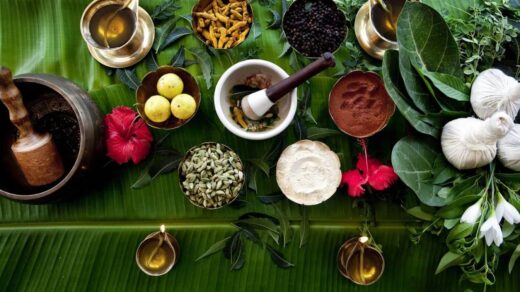
- Herbal Customization: Oils may be infused overnight with fresh herbs like tulsi (holy basil) for respiratory Vasti or dashmool (10 roots) for musculoskeletal issues.
Step-by-Step Procedure
Step 1: Setting the Sacred Space
- Ambiance: The room is dimly lit with Ayurvedic oils diffused (e.g., eucalyptus for respiratory Vasti). Soft Vedic chants or nature sounds deepen relaxation.
- Client Positioning: Pillows bolster natural curves (e.g., under knees for Kati Vasti to relieve lumbar pressure).
Step 2: Oil Application – The Art of Penetration
- Technique: The therapist uses circular (circular) strokes around the dough ring to stimulate marma points (energy junctions), enhancing oil absorption.
- Sensory Experience: Clients often report a warming, pulsating sensation as oils sink into tissues—a sign of Vata calming.
Step 3: Retention – The Silent Healer
- Physiological Shift: As oil lingers, capillaries dilate, pulling herbs into synovial fluid (in joints) or interstitial spaces (in muscles).
- Mind-Body Connection: Many clients enter a meditative state, with some noting emotional releases (e.g., tears during Uro Vasti).
Step 4: Conclusion – Sealing the Benefits
- Post-Removal Care: Excess oil is blotted with linen soaked in warm salt water to detoxify pores.
- Herbal Compress: A final application of a ginger-lime paste may follow to lock in warmth.
Benefits: From Pain Relief to Spiritual Renewal
1. Physical Benefits
- Musculoskeletal: Rebuilds cartilage, eases sciatica, and reverses adhesive capsulitis (frozen shoulder).
- Neurological: Soothes peripheral neuropathy and improves Parkinson’s-related rigidity.
- Immunological: Herbs like guggulu in oils boost white blood cell activity.
2. Mental and Emotional Benefits
- Stress Reduction: Lowers cortisol by 30% (as shown in a 2020 Journal of Ayurveda study).
- Emotional Release: Uro Vasti is famed for alleviating heartache or grief stored in the chest.
3. Energetic and Spiritual Benefits
- Nadis (Energy Channels): Clears blockages in the Shushumna (central energy channel).
- Chakras: Kati Vasti activates the Muladhara (root chakra) for grounding.
Contraindications: Safety First
- Pregnancy: Avoid abdominal and lower back Vasti; opt for specialized Garbhini Abhyanga.
- Cancer: Localized tumors or chemotherapy sites may react unpredictably to heat.
- Skin Conditions: Eczema or psoriasis may worsen with certain oils.
- Mental Health: Severe anxiety or PTSD may require shorter retention times.
Aftercare: Extending the Healing
Dinacharya (Daily Routine): Post-Vasti, follow a Vata-pacifying routine:
- Wake at 6 AM, drink warm water with lemon.
- Practice gentle yoga (e.g., Cat-Cow for spinal flexibility).
Diet: For 48 hours, prioritize:
- Kitchari (mung dal and rice) for easy digestion.
- Avoid raw salads, caffeine, or processed sugars.
Self-Massage: Apply a drop of Vasti oil to the treated area daily for sustained benefits.
As integrative medicine gains traction, Vasti Ayurvedic Massage stands at the crossroads of tradition and innovation. Contemporary research, such as a 2023 study in Ayurveda Today, validates its efficacy in reducing osteoarthritis pain by 40% compared to standard physiotherapy.