Top 23 Unique Ayurvedic Therapies You Can Only Find in Kerala

Ayurveda, the ancient Indian system of holistic healing, has been practiced for thousands of years and remains a powerful path to wellness today. Rooted in natural remedies, personalized treatments, and a deep understanding of body-mind balance, Ayurveda focuses on healing the root causes of ailments rather than just symptoms.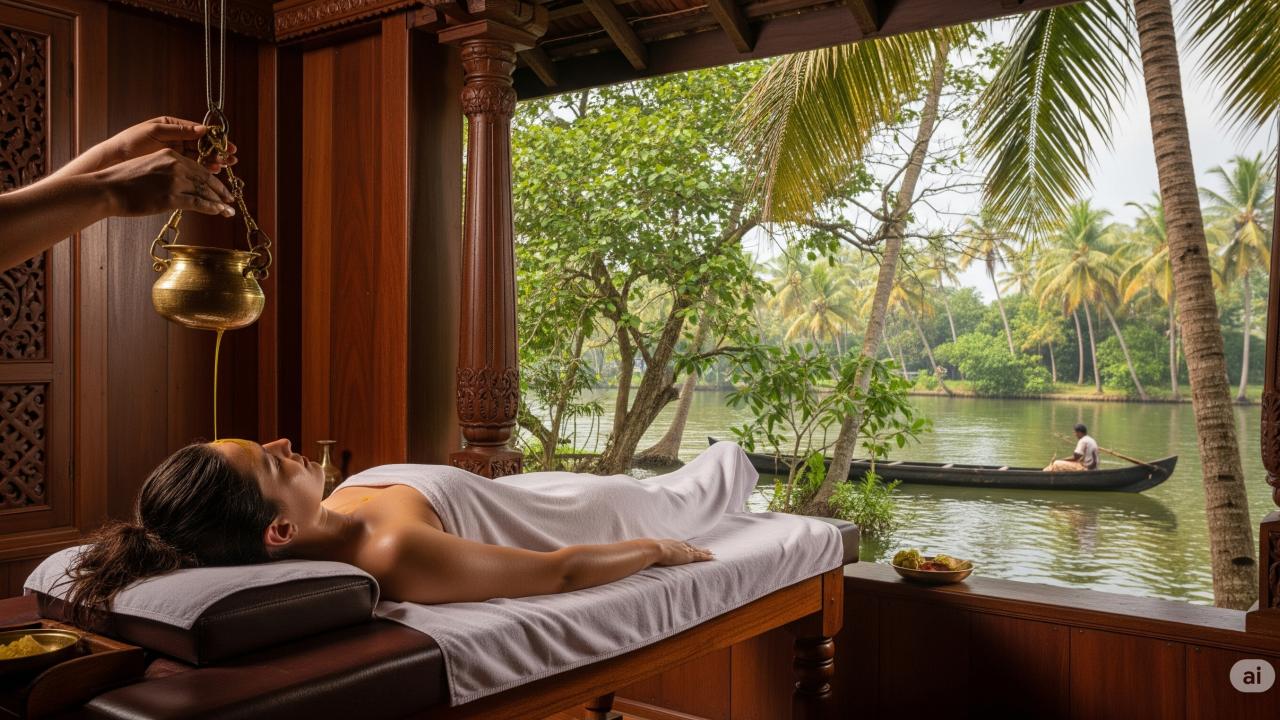 Kerala, a lush and serene state in southern India, is widely regarded as the world’s Ayurveda capital. Its unique climate, abundant medicinal plants, and centuries-old traditions have made it a global hub for authentic Ayurvedic treatments.
Here, ancient knowledge thrives alongside modern wellness tourism, attracting seekers from all corners of the globe. You’ll discover 23 must-experience Ayurvedic treatments offered in Kerala—each designed to rejuvenate, detoxify, and restore harmony to your body and mind.
Whether you’re a first-timer or an Ayurveda enthusiast, this guide will help you navigate the rich therapeutic landscape Kerala has to offer.
Must-Try Ayurvedic Treatments in Kerala
Kerala, the cradle of authentic Ayurveda, offers a range of time-tested treatments that rejuvenate the body, mind, and soul. From detox therapies to stress relief and holistic healing, these traditional remedies combine herbal medicines, oils, and expert techniques—making them a must-try for anyone seeking natural wellness.
1. Pizhichil
Pizhichil is a luxurious Ayurvedic therapy that blends soothing massage with continuous pouring of warm, medicated oil over the body. Known as the “king’s treatment,” it was once reserved for royalty and is deeply rejuvenating for both body and mind.
Benefits:
This therapy enhances blood circulation, lubricates joints, relieves body pain and muscle stiffness, and aids in detoxification. It is also beneficial for managing stress, nervous disorders, arthritis, and general fatigue, while improving skin tone and immunity.
Duration:
Pizhichil is typically administered over a course of 7 to 21 days, depending on individual health conditions and treatment goals. A daily session usually lasts around 45 to 60 minutes under the guidance of an experienced Ayurvedic practitioner.
Navarakizhi is a classical Ayurvedic sudation therapy involving warm boluses (pouches) filled with Navara rice cooked in herbal decoction and milk. These poultices are rhythmically massaged over the body to induce heat and rejuvenation.
Benefits:
This treatment nourishes muscles and tissues, relieves joint stiffness, enhances flexibility, and boosts circulation. It also supports neurological health, aids in muscle strengthening, and improves skin tone and complexion.
Process & Duration:
A session typically lasts between 60–105 minutes, with a full treatment course spanning 7 to 21 days depending on individual needs.
3. Shirodhara
Shirodhara involves the continuous pouring of warm oil (or other medicated liquids like buttermilk or milk) over the forehead (the “third eye”) in a steady, soothing stream.
Benefits:
This deeply calming therapy helps relieve stress, anxiety, and insomnia. It enhances mental clarity, memory, and circulation while promoting emotional balance and nervous system relaxation.
Process & Duration:
Sessions typically last 30–60 minutes and are often administered over 7 to 21 days for optimal results.
4. Brumhana Vasthi
Bṛṃhanā Vasti is a nourishing enema therapy using medicated oils, designed to strengthen and rejuvenate the body. (General Ayurvedic knowledge.)
Benefits:
It deeply nourishes pelvic and abdominal regions, alleviates Vata imbalances, enhances muscle tone, supports digestive wellness, and improves vitality. (General Ayurvedic principles.)
Process & Duration:
Administered under guidance, sessions typically span a few minutes each, with a prescribed series over about 7–14 days depending on the individual’s condition. (Typical Panchakarma timeline.)
5. Urovasthi
Urovasthi involves retaining warm medicated oil over the chest area within a sealed boundary of dough, allowing heat and herbs to penetrate the chest tissues.
Benefits:
This therapy strengthens chest muscles and connective tissues, relieves chest pain or muscular spasms, and supports respiratory and cardiovascular health.
Process & Duration:
Performed with a dough boundary on the chest, oil is retained for a set duration—typically around 30–60 minutes per session, with treatments repeated over several days as advised.
6. Sirovasthi
Sirovasthi is a treatment where warm medicated oil is retained on the scalp and head by using a specially designed cap or boundary to hold the oil in place.
Benefits:
Targets insomnia, facial paralysis, chronic headaches, and other cranial nerve–related conditions. It also nourishes the scalp, calms the nervous system, and supports psychological balance.
Process & Duration:
Oil is retained typically for about an hour per session, over a course of approximately 7–21 days depending on health needs.
7. Kativasthi
Kati Vasti involves retaining warm medicated oil over the lower back (lumbar region) using a dough-made boundary to hold the oil during the treatment.
Benefits:
Effective for relieving lower back pain, sciatica, spinal stiffness, muscle spasm, and improving flexibility of spinal structures.
Process & Duration:
A dough boundary is made around the lower back and warm oil is held within it for approximately 30 minutes per session, typically administered daily across several days.
8. Abhyangam (General Oil Massage)
Abhyangam is a full-body massage using warm, medicated herbal oils, delivered in synchronized strokes by trained therapists to balance the doshas and energize the body.
Benefits:
Enhances circulation, relieves joint and muscle stiffness, improves sleep quality, reduces anxiety and fatigue, boosts immunity, and promotes skin health.
Process & Duration:
Sessions last about 45–60 minutes, often conducted daily or regularly over 7 to 21 days for maximum rejuvenative effect.
9. Udvarthanam (Herbal Powder Massage)
Udvarthanam is a deep-tissue massage using herbal powders, performed with upward strokes opposite to the hair growth direction.
Benefits:
Promotes detoxification, exfoliates dead skin, improves blood circulation, reduces adipose tissue (fat), enhances muscle tone, and revitalizes the body surface and skin texture.
Process & Duration:
Typically lasts around 60 minutes per session, and may be repeated over multiple days based on treatment goals.
10. Nasyam (Nasya)
Nasyam involves administering medicated oils, herbal liquids, or powders through the nostrils to cleanse and balance the head and neck region.
Benefits:
Clears sinus congestion, supports eye, ear, and nasal health, improves mental clarity, alleviates migraines, and strengthens the neuro-sensory system.
Process & Duration:
Depending on the protocol, small amounts of medication are administered via nostrils per session (about 10–30 minutes), often repeated across 7–14 days as part of Panchakarma.
11. Snehapana (Internal Oleation)
Snehapana is an internal oleation used in Ayurveda’s preparatory phase (Purvakarma) of Panchakarma. It involves gradual ingestion of medicated ghee or oil to lubricate the tissues, mobilize toxins, and prepare the body for cleansing therapies.
Benefits:
It facilitates toxin mobilization, supports digestive fire (Agni), and balances Vata and Pitta doshas. Snehapana helps dislodge fat-soluble toxins and enhances the effectiveness of subsequent detox treatments like Vamana (emesis) and Virechana (purgation).
Duration & Process:
The therapy typically spans 3 to 7 days, depending on individual digestion and dosha imbalance. The medicated ghee dosage is gradually increased, under practitioner supervision, until signs of proper oleation—such as oily skin, soft stools, increased appetite, and clarity of mind—are observed.
12. Kizhi (Bolus Therapy)
Kizhi involves applying heated boluses (poultices) made of medicinal herbs, grains, or other substances tied in cloth to the body, generating warmth and healing through massage and heat.
Benefits:
This therapy reduces stiffness, nourishes tissues, enhances circulation, and eases joint and muscular pain. It’s especially effective in Vata disorders and for improving flexibility and strength.
Duration & Process:
Boluses are prepared and warmed before being applied to the body with rhythmic massage, typically lasting around 45–60 minutes per session, often practiced over a course of several days.
13. Dhanyamla Dhara
Dhanyamla Dhara involves pouring a lucid, fermented herbal liquid (made from cereals, souring agents, and herbs) over the body in a rhythmic stream, categorized under Parisheka Sweda (sudation therapy).
Benefits:
It helps relieve inflammatory and musculoskeletal conditions like arthritis and fibromyalgia, reduces stiffness and swelling, detoxifies tissues, strengthens muscles, enhances circulation, rejuvenates the body, and improves skin texture and glow.
Duration & Process:
Sessions typically last 45–60 minutes, delivered daily for 7 to 14 days .In some detailed treatments, the procedure lasts 70–105 minutes, rotating through seven postures to ensure uniform coverage, with the session concluding upon onset of sweating.
14. Ksheeradhoomam (Milk Steam Therapy)
Ksheeradhoomam is a steam therapy using medicated milk vapors to gently penetrate and nourish the tissues. It soothes Vata-related conditions, calms the nervous system, and hydrates the skin.
Duration & Process:
The procedure involves steaming affected areas with warm milk-infused vapors for around 15–30 minutes per session. The number of sessions depends on the individual’s health needs and the practitioner’s guidance.
15. Thalam
Thalam is a therapeutic Ayurvedic procedure involving the application of medicated herbal paste on the crown of the head. This treatment targets the central nervous system and is often used as part of stress management therapies.
Benefits:
Thalam calms the mind, improves sleep, relieves migraines, and supports relief from mental fatigue and anxiety. It’s also helpful in managing conditions like insomnia, depression, and some behavioral disorders.
Duration & Process:
The paste is applied on the scalp, typically for 20–30 minutes, and sometimes covered with a cap or banana leaf. Treatment can be done as a standalone or part of a detox program, repeated for 7–14 days as needed.
16. Lepanam
Lepanam is the external application of a warm herbal paste over affected body parts. It’s commonly used for musculoskeletal issues and inflammatory conditions in localized areas.
Benefits:
This treatment reduces swelling, joint pain, inflammation, and stiffness. It’s also used in skin diseases, improving skin texture and promoting healing of abscesses, wounds, or pigmentation issues.
Duration & Process:
The paste is applied thickly to the area and left in place for 30–45 minutes, then gently removed. A course may last 5–10 days, depending on severity and condition.
17. Thalapothichil
Thalapothichil, or head-packing therapy, involves applying a thick, cooling herbal paste over the entire scalp. The head is then wrapped, allowing the herbs to penetrate deeply.
Benefits:
This treatment is excellent for calming the nervous system, relieving headaches, reducing stress, treating insomnia, and helping with scalp conditions like dandruff or psoriasis. It also improves memory and concentration.
Duration & Process:
The paste is kept on the scalp for 30–60 minutes, based on individual needs. It is usually prescribed as a 7–14-day treatment for best results.
18. Tharpanam
Tharpanam is a unique eye care treatment in which medicated ghee is retained over the eyes within a dough ring, allowing the medicinal properties to nourish and rejuvenate ocular tissues.
Benefits:
It improves vision, treats dryness, reduces eye strain from screens or reading, and is helpful for conditions like cataracts, glaucoma (early stages), and conjunctivitis. It also relieves headaches linked to eye fatigue.
Duration & Process:
The treatment lasts 15–30 minutes per session. It is often done in a short course of 3–7 days, depending on eye condition and practitioner’s recommendation.
19. Rejuvenating Massage (Rasayana Abhyanga)
This is a revitalizing full-body massage using nourishing herbal oils designed to promote longevity, vitality, and youthful energy. It focuses on tissue regeneration and deep relaxation.
Benefits:
Improves blood circulation, strengthens muscles and joints, enhances skin tone, relieves fatigue, and boosts immunity. It also supports anti-aging and improves mental clarity and mood.
Duration & Process:
The massage is done for 60–75 minutes, using long, synchronized strokes. It’s ideally performed daily or on alternate days over 7 to 21 days as part of a rejuvenation program.
20. General Massage (Abhyangam)
Abhyangam is a full-body oil massage that promotes overall wellness. Medicated oil is applied with rhythmic strokes to energize, balance, and detoxify the body.
Benefits:
Enhances circulation, reduces stiffness, relieves stress and fatigue, improves sleep, and nourishes skin. It also supports lymphatic drainage and hormonal balance.
Duration & Process:
Sessions usually last 45–60 minutes and are often recommended daily or 3–4 times a week over a course of 7–14 days or more.
21. Medical Steam Bath (Swedana)
This treatment involves exposure to medicated herbal steam that opens pores and induces sweat, helping eliminate deep-rooted toxins after an oil massage or internal oleation.
Benefits:
Reduces muscle stiffness, relieves body aches, improves circulation, supports weight loss, and enhances skin clarity. It also helps clear respiratory blockages and calms the mind.
Duration & Process:
The patient sits in a wooden steam chamber for 10–20 minutes, post-Abhyanga or other therapies. Usually done daily during Panchakarma, often for 7–14 sessions.
Marma Massage
Marma massage is a specialized therapy that targets 107 vital energy points (Marma) in the body. Gentle pressure is applied to stimulate healing, remove energy blocks, and balance the body.
Benefits:
Promotes physical and emotional healing, improves energy flow (prana), relieves chronic pain, boosts immunity, and enhances organ function. It’s also effective for trauma release and mental clarity.
Duration & Process:
Typically lasting 45–60 minutes, it’s a slow, mindful massage. It may be performed over 3–7 sessions, or longer, depending on the individual’s physical or energetic needs.
23. Mukhalepam
Mukhalepam is an Ayurvedic facial therapy where customized herbal pastes are applied to the face to cleanse, nourish, and beautify the skin naturally.
Benefits:
Reduces acne, pigmentation, wrinkles, and dryness. It rejuvenates the facial skin, improves complexion, reduces puffiness, and provides a natural glow. It also calms the mind and relieves facial tension.
Duration & Process:
The paste is applied for 20–30 minutes, then washed off with warm water. Often followed by gentle massage or toning. Can be done weekly or in a course of 5–7 sessions for lasting effects.
FAQ’s
1. What is the cost of Ayurvedic treatment in Kerala?
The cost of Ayurvedic treatment in Kerala can range from ₹1,000 to ₹10,000 per day, depending on the treatment type, duration, and the reputation of the center. Luxury wellness resorts may charge more, while government-approved clinics often offer affordable packages.
2. Where can I find Ayurvedic treatment in Kochi, Kerala?
Kochi has several well-known Ayurvedic centers, such as Ayurville, Kerala Ayurveda Ltd., and Punarnava Ayurveda Hospital. These offer authentic treatments ranging from detox programs to specialized therapies.
3. Is Ayurvedic treatment in Kerala effective for back pain?
Yes, Kerala offers specialized Ayurvedic therapies for back pain, including Kati Basti, Abhyangam, and Pizhichil. These help reduce inflammation, improve flexibility, and provide long-term relief without side effects.
4. Can I take Ayurvedic treatment in Kerala for weight loss?
Absolutely. Treatments like Udwartanam (herbal powder massage), Panchakarma detox, and personalized diet plans are commonly used for natural and sustainable weight loss in Ayurvedic centers across Kerala.
5. What is Kottakkal famous for in Ayurvedic treatment?
Kottakkal is home to the renowned Arya Vaidya Sala, one of the oldest and most respected Ayurvedic institutions in India. It offers classical Ayurvedic treatments and has a dedicated hospital and research center.
6. Are there Ayurvedic treatments available in Alleppey?
Yes, Alleppey offers Ayurvedic treatments in tranquil settings, often by the backwaters. Many houseboats and resorts here include Ayurvedic wellness packages focused on rejuvenation, detox, and relaxation.
7. Is Ayurvedic treatment in Kerala good for stress relief?
Yes, treatments such as Shirodhara, Abhyangam, Nasya, and medicated steam baths are highly effective for managing stress, anxiety, and insomnia. Most wellness retreats also incorporate yoga and meditation.
8. What Ayurvedic treatments are available in Kerala for skin diseases?
Kerala Ayurvedic centers offer personalized treatments for conditions like psoriasis, eczema, acne, and pigmentation. Lepam (herbal paste application) and internal detox therapies are commonly used.
9. Is there Ayurvedic treatment for hair loss in Kerala?
Yes, treatments like Shiroabhyanga (head massage), Thalapothichil, and Nasya are often prescribed for hair loss. Herbal oils like Neelibhringadi are also used to promote healthy hair growth.
10. What is the general price range of Ayurvedic treatments in Kerala?
Basic treatments (like a single session of massage) may start at ₹800–₹1,500, while full Panchakarma detox programs or wellness retreats can cost ₹15,000–₹50,000+ depending on the duration and amenities.
Kerala, the birthplace of authentic Ayurveda, offers a unique blend of natural healing, scenic beauty, and centuries-old tradition. Whether you’re seeking relief from chronic pain, weight loss support, stress reduction, or simply a deep sense of rejuvenation, Ayurvedic treatments in Kerala provide holistic solutions that go beyond the surface.