
Kitchari: The Ayurvedic Superfood for Weight Loss

Tired of the endless cycle of restrictive fad diets that leave you feeling deprived, sluggish, and ultimately, back at square one? Ayurveda, the ancient Indian “science of life,” offers a profoundly different approach to weight management – one focused on balance, digestion, and nourishment. 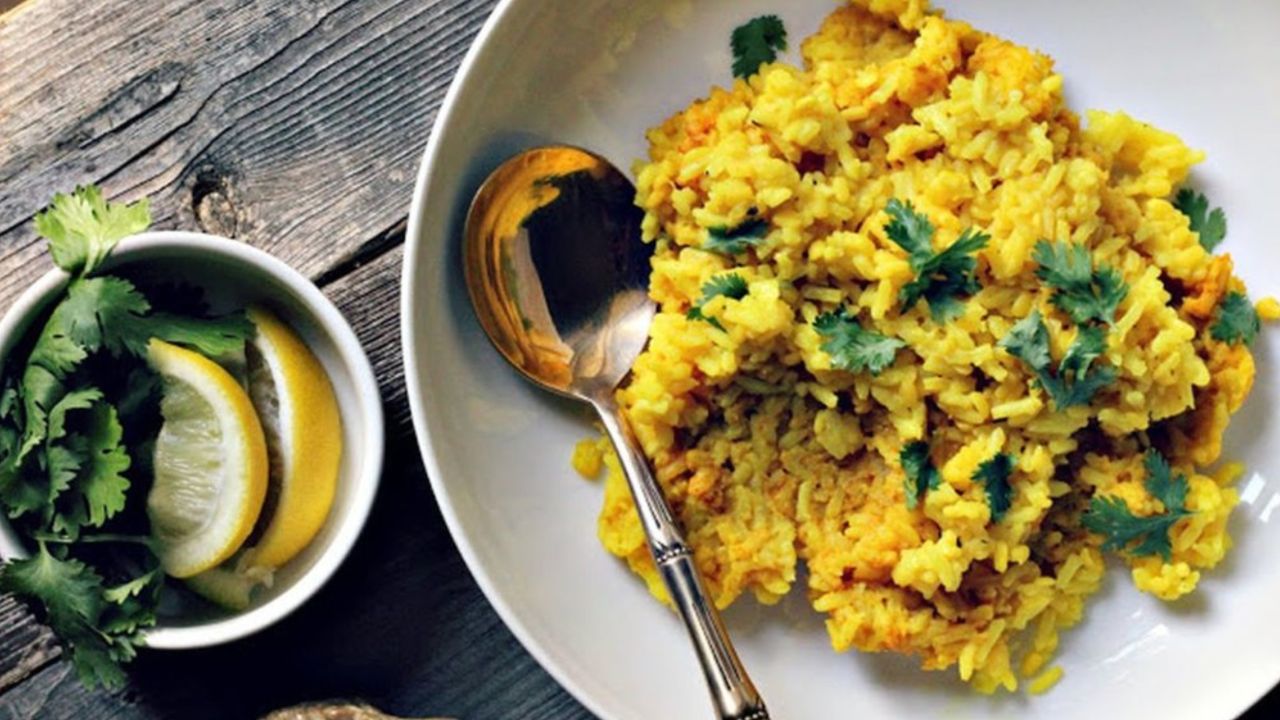 At the heart of this gentle, effective strategy lies a humble yet powerful dish: Kitchari (pronounced KICH-uh-ree). More than just a simple meal, Kitchari is revered as a cornerstone of Ayurvedic cleansing and rejuvenation, making it a surprisingly perfect foundation for sustainable weight loss.
Why Fad Diets Fail & Ayurveda Succeeds in Weight Loss
In the age of instant fixes and viral health trends, it’s no surprise that fad diets keep popping up, promising rapid weight loss with minimal effort. But despite their popularity, most people find themselves back at square one just months later… sometimes worse off than before.
So Why Do These Trendy Diets Fail?
Fad Diets Ignore the Fundamentals. Most fad diets are based on extreme restrictions — cutting out entire food groups, drastically reducing calories, or overloading the body with stimulants and supplements. While this might lead to temporary weight loss, it often comes at a high cost:
- Weakened Agni (digestive fire) – Digestion becomes irregular or sluggish.
- Nutritional deficiencies – Essential nutrients are lost in the name of quick fixes.
- Increased stress and imbalance – Particularly in Vata and Pitta, leading to anxiety, mood swings, and burnout.
- Rebound weight gain – As the body struggles to recalibrate, weight often returns quickly — sometimes even more than before.
Ayurveda Takes a Holistic Approach to Weight Loss
Ayurveda doesn’t fight the body — it works with it. Rooted in ancient wisdom, Ayurvedic weight loss isn’t about deprivation or crash dieting. It’s about restoring your natural balance for deep, lasting transformation.
Here’s how Ayurveda supports sustainable weight loss:
1. Kindling Agni (Digestive Fire)
Strong digestion is the cornerstone of health in Ayurveda. By strengthening Agni, your body’s digestive fire, Ayurveda enhances metabolism, supports nutrient absorption, and promotes natural detoxification.
2. Eliminating Ama (Toxins)
Ama — toxic buildup from poor digestion and lifestyle habits — is gently cleared using detox practices that don’t shock the system. This helps reboot your metabolism and improve energy.
3. Balancing the Doshas
Especially important is pacifying Kapha, the dosha linked with heaviness, sluggishness, and weight gain. Personalized diet, herbs, movement, and daily routines help balance all three doshas for long-term harmony.
4. Nourishing the Tissues (Dhatus)
Instead of depleting the body like crash diets, Ayurveda focuses on nourishing the tissues (dhatus). This supports not just healthy weight loss, but also strength, vitality, and emotional well-being.
Weight Loss Doesn’t Have to Feel Like a Battle
If you’re tired of the cycle of dieting, stress, and disappointment, Ayurveda offers a path forward — one that’s sustainable, supportive, and rooted in ancient wisdom that has stood the test of time. With Ayurveda, it becomes a process of coming back into balance—naturally, gently, and holistically.
Kitchari: The Ayurvedic Superfood for Weight Loss
What Makes Kitchari So Healing? Kitchari (also spelled khichdi) is much more than just comfort food. In Ayurveda, it’s considered a healing porridge — often used during gentle detoxes, illness recovery, or any time the body needs rest and deep nourishment.
What makes kitchari unique is not just its simplicity, but how intentionally each ingredient is chosen to support digestion, detoxification, and balance.
Here’s what goes into a classic Ayurvedic kitchari:
1. Basmati Rice
Light, grounding, and easy to digest — especially white basmati rice, which is favored during cleansing. It provides sustained energy without heaviness or mucous-forming qualities, making it ideal for balancing Vata and Pitta.
2. Split Mung Dal (Moong Dal)
One of Ayurveda’s most revered legumes. It’s light, protein-rich, and extremely digestible, unlike many other lentils or beans that can cause bloating or heaviness. It supports tissue repair and elimination without taxing the gut.
3. Ghee
This golden clarified butter is a cornerstone of Ayurvedic cooking. Ghee nourishes Ojas (vital energy), stokes Agni (digestive fire), and acts as a carrier to deliver the medicinal benefits of spices deep into the tissues. It also provides satiating healthy fats.
4. Digestive Spices
The spice mix isn’t just for flavor — it’s medicine. A typical blend may include:
- Cumin, coriander, fennel – to reduce gas and bloating.
- Ginger and black pepper – to stimulate digestion and circulation.
- Turmeric – for its anti-inflammatory and detoxifying properties.
These spices kindle metabolism, help dissolve Ama (toxins), and bring harmony to the Doshas.
5. Water or Broth
The cooking liquid helps soften all ingredients, making them even easier to digest. You can use plain water for a simple version, or mineral-rich vegetable broth for added nourishment.
A Bowl of Balance
Whether you’re recovering from illness, beginning an Ayurvedic cleanse, or simply want to give your digestion a break, kitchari offers a complete, balanced meal — one that calms the nervous system, nourishes deeply, and gently supports detoxification.
Why Kitchari is the best weight loss ally
1. Gentle Detox Powerhouse
Its light, easily assimilated nature allows the digestive system to rest and repair. The combination of spices and mung dal actively supports liver function and the clearing of Ama, the toxic sludge hindering metabolism and contributing to weight gain.
2. Deep Nourishment & Satiety
Don’t mistake simplicity for lack of substance. Kitchari offers a balanced blend of complex carbohydrates, high-quality plant protein, and healthy fats (ghee). Its high fiber content promotes fullness, regulates blood sugar, and feeds beneficial gut bacteria, crucial for metabolic health and weight management.
3. Digestive Reset & Agni Rekindling
By minimizing the digestive load (only two primary ingredients perfectly combined), Kitchari allows Agni to strengthen and rebuild. This is the foundation for long-term efficient metabolism and weight regulation. It helps reset the gut microbiome.
4. Inherently Balancing
When prepared simply, Kitchari is considered tridoshic – suitable for all body types. It’s particularly effective at pacifying Kapha dosha (associated with weight gain tendencies) due to its lightness and warming spices, while also grounding Vata and cooling Pitta when customized. Its warmth and moisture also counter Vata’s dryness.
5. Simplicity & Sustainability
It’s affordable, easy to prepare in batches, and incredibly versatile. This makes it practical for integrating into a busy life, unlike complex diet plans.
How to Use Kitchari for Weight Loss
The Kitchari Cleanse (Mono-Diet):
Purpose: A deep reset. For 3-7 days (consult an Ayurvedic practitioner first!), consume only Kitchari for 2-3 meals per day. Drink ample warm water and detoxifying herbal teas (ginger, cumin-coriander-fennel).
Benefits: Profound detoxification, significant reduction in digestive burden, strengthened Agni, reduced cravings, elimination of Ama, noticeable initial weight loss (often water weight and toxins), mental clarity.
Key: Listen to your body! This is intense and not suitable for everyone (pregnant/breastfeeding women, those with chronic illness, or severe Vata imbalance should avoid without guidance). Ease in and out gently.
Regular Integration: The Sustainable Path:
Purpose: Make Kitchari a cornerstone of your healthy eating pattern.
How: Replace 1-2 heavier meals per day (especially dinner) with Kitchari. Have it for lunch several times a week. Use it as a healthy, digestible base for your meals.
Benefits: Continuously supports Agni, prevents Ama buildup, provides steady energy and satiety, balances Doshas over time, promotes gradual, sustainable weight loss without drastic measures. This is often the most effective long-term strategy.
Crafting Your Perfect Weight-Loss Kitchari
The beauty of Kitchari lies in its adaptability. Start simple, then customize:
The Essential Base: 1 part Basmati rice (soaked), 1 part split mung dal (soaked), 4-6 parts water/broth, 1-2 tsp ghee per serving, salt.
Weight-Loss Spice Power: Sauté spices in ghee first (tadka):
- Must-Haves: Cumin seeds, coriander powder, fennel seeds (CCF blend – digestive, detoxifying).
- Metabolism Boosters: Fresh ginger (minced/grated), turmeric powder, black pepper, mustard seeds.
- Kapha Pacifiers (Great for Weight Loss): A pinch of pippali (long pepper), ajwain (carom seeds), and fenugreek seeds.
Dosha Customization:
- Kapha Focus (Weight Loss Priority): Use less rice, more mung dal. Minimize ghee (1 tsp/serving). Load up on warming spices (ginger, black pepper, pippali, mustard seeds). Add lots of non-starchy, Kapha-pacifying veggies early in cooking (bitter greens – kale/collards, broccoli, cauliflower, asparagus, green beans).
- Vata Focus: Use slightly more ghee (1.5-2 tsp/serving) and include grounding spices (cumin, fennel, ginger, asafoetida). Add well-cooked, sweet/sour veggies later (zucchini, sweet potato, peas). Ensure it’s moist and well-cooked.
- Pitta Focus: Moderate ghee. Favor cooling spices (coriander, fennel, cardamom, fresh cilantro/mint). Add cooling veggies (zucchini, cucumber (add late), leafy greens, asparagus). Avoid excessive black pepper or very hot spices.
Veggie Power: Adding vegetables increases volume, nutrients, and fiber without excessive calories, enhancing satiety. Add them according to cooking time (root veggies first, leafy greens last).
Maximizing Success: Beyond the Bowl
Kitchari is powerful, but it works best within a holistic Ayurvedic lifestyle:
- Hydration: Sip warm water or herbal teas throughout the day. Avoid ice-cold drinks.
- Mindful Eating: Eat in a calm environment, chew thoroughly, savor each bite. Stop when 75% full.
- Meal Timing: Aim for your largest meal at midday when Agni is strongest. Lighter meals (like Kitchari) are ideal for breakfast or dinner.
- Movement: Engage in regular, appropriate exercise. Brisk walking, yoga (especially Sun Salutations), and swimming are excellent choices. Consistency is key.
- Stress Management & Sleep: High stress (disrupting Vata) and poor sleep sabotage weight loss. Prioritize meditation, breathwork (Pranayama), and 7-8 hours of quality sleep.
Important Considerations: Wisdom for Your Journey
- Not a Magic Bullet: Kitchari is a powerful tool within a holistic approach to diet and lifestyle. Sustainable weight loss requires consistent healthy habits.
- Individuality is Key: Ayurveda is personalized. What works perfectly for one person might need adjustment for another. Pay attention to your body’s signals.
- Consult Professionals: Especially if considering a cleanse, have underlying health conditions (diabetes, thyroid issues, etc.), are pregnant/nursing, or are taking medications, consult your doctor and a qualified Ayurvedic practitioner.
- Focus on Wellness, Not Just Weight: Kitchari promotes vibrant health – improved digestion, energy, clarity, and resilience. Weight loss becomes a natural byproduct of this restored balance.
- Sustainability: Embrace Kitchari as a lifelong friend for digestive health and periodic resetting, not just a short-term diet.
Kitchari for Weight Loss
Forget deprivation and harsh regimens. Ayurvedic Kitchari offers a compassionate, effective, and deeply nourishing path to weight loss.
By focusing on healing digestion, eliminating toxins, and restoring your body’s natural balance, Kitchari helps you shed excess weight by addressing its root causes.
It’s a return to simplicity, a reset for your system, and a sustainable step towards lasting wellness. Start with a simple pot of Kitchari – your body and mind will thank you.
Basic Weight-Loss-Friendly Kitchari Recipe
Ingredients:
- 1/2 cup white Basmati rice (soaked 20-30 mins, rinsed)
- 1/2 cup split mung dal (yellow or green, soaked 1 hour, rinsed well)
- 4-6 cups water or vegetable broth
- 2 tsp ghee
- 1 tsp cumin seeds
- 1 tsp mustard seeds (optional, Kapha)
- 1 tsp grated fresh ginger
- 1/2 tsp turmeric powder
- 1 tsp coriander powder
- 1/2 tsp fennel seeds
- Pinch asafoetida (hing – optional, Vata)
- Salt to taste
- (Optional Kapha: 2 cups chopped kale/spinach, 1 cup broccoli florets)
Instructions:
- Heat ghee in a pot over medium heat. Add cumin, mustard seeds (if using), and fennel seeds. Sizzle for 30 seconds until fragrant.
- Add ginger, turmeric, coriander powder, and asafoetida. Stir for 30 seconds.
- Drain and add the soaked rice and mung dal. Stir to coat with spices for 1 minute.
- Add water/broth and salt. Bring to a boil.
- Reduce heat to low, cover, and simmer for 30-40 minutes (or until rice/dal are very soft and mushy), stirring occasionally. Add more water if needed for desired consistency (thicker for Kapha, slightly thinner for Vata).
- (For Veggies – Kapha): Add chopped harder veggies (like broccoli) with the rice/dal. Add leafy greens in the last 5-10 minutes of cooking.
- Taste and adjust salt/spices. Serve warm, garnished with fresh cilantro. Enjoy the simplicity and nourishment!
FAQ’s
1. Is it okay to eat kitchari every day?
Yes, kitchari can be eaten daily, especially during detox or cleansing periods. It’s gentle on the digestive system. However, for long-term balance, variety in diet is recommended.
2. What if I eat only khichdi every day?
While khichdi is nutritious and easy to digest, eating only khichdi may lead to nutritional deficiencies over time unless it’s properly balanced with vegetables, spices, and ghee.
3. Is kitchari a breakfast food?
Traditionally, kitchari is more commonly eaten for lunch or dinner, but it can be consumed for breakfast during detox programs or for digestive ease.
4. How many calories are there in Ayurvedic kitchari?
One cup of basic kitchari has about 250–300 calories, depending on the ingredients (ghee, rice, dal, veggies).
5. How much protein is in kitchari (1 cup)?
One cup contains approximately 7–10 grams of protein, depending on the type of dal (lentils) used.
6. How much water for kitchari?
A common ratio is 1 part rice + 1 part dal to 4–5 parts water, but it varies based on desired consistency (soupy vs. thick).
7. Which khichdi is best for weight loss?
Moong dal khichdi with minimal ghee, brown rice or quinoa, and lots of vegetables is ideal for weight loss.
8. What are the benefits of eating kitchari?
Kitchari promotes digestion, balances doshas, detoxifies the body, and provides complete protein when made with rice and lentils.
9. Which Ayurvedic ingredient is best for weight loss?
Triphala, guggul, ginger, and turmeric are key Ayurvedic ingredients often used to support weight loss.
10. How to reduce belly fat in 7 days?
Focus on light meals (like kitchari), herbal teas, daily movement, and avoiding sugar and fried foods. Ayurveda suggests cleansing the gut first.
11. What is the 30/30/30 rule for weight loss?
This modern method recommends: 30 grams of protein within 30 minutes of waking, followed by 30 minutes of light exercise. It boosts metabolism.
12. How to get rapid weight loss?
Ayurveda favors sustainable loss via detoxification, balanced meals, daily routine, and herbs—not crash diets. Kitchari cleanses are often used.
13. How to lose belly fat as per Ayurveda?
Reduce ama (toxins), eat warm and spiced foods, avoid cold and processed items, and use herbs like trikatu or triphala.
14. How to weight loss in 1 month?
Combine a sattvic diet (like kitchari), daily yoga, early dinners, and Ayurvedic herbs. Aim for gradual, healthy reduction (1–2 kg/week).
15. How can I get a flat tummy without losing weight?
Strengthen core muscles, reduce bloating with proper digestion, and follow an anti-inflammatory, balanced diet like a light kitchari meal plan.
16. What is the purpose of kitchari?
Kitchari is used for digestive rest, detox, and during Ayurvedic cleanses like Panchakarma. It’s a balancing, tridoshic meal.
17. Which day not to eat khichdi?
There is no fixed Ayurvedic restriction, but some traditions (e.g., religious fasting or rituals) may avoid khichdi on specific days like Ekadashi, where grains are avoided.
Kitchari is much more than a simple one-pot meal—it’s a cornerstone of Ayurvedic nutrition, valued for its healing, cleansing, and nourishing qualities. Whether you’re looking to support digestion, lose weight























obviously like your website there are several posts that have good information about the uses of herbs I ll definitely come back again.