Shikakai (Acacia Concinna): Ayurvedic Herb for Hair & Health

Shikakai, which translates to “fruit for hair,” has been a cornerstone of traditional Indian Ayurvedic medicine for centuries. It is renowned for its natural ability to cleanse the scalp and nourish the hair, making it a popular alternative to chemical-based shampoos. 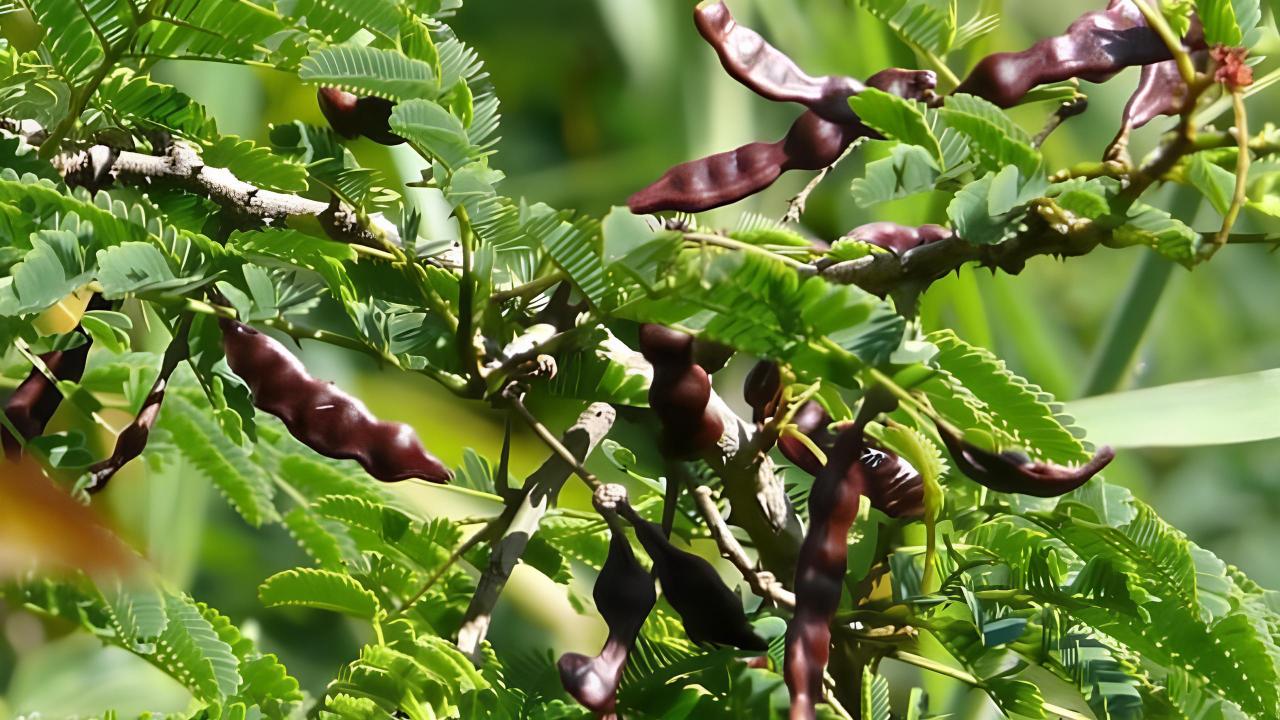 Shikakai is especially valued for its effectiveness in reducing hair fall, soothing the scalp, and controlling dandruff. According to Ayurvedic texts, Shikakai is not only beneficial for hair care but also for skincare and internal health. When mixed with rose water or honey,
Shikakai powder can be applied topically to help heal wounds, soothe inflammation, and cool the skin, due to its Ropan (healing) and Sita (cooling) properties. Internally, a mild infusion or decoction of Shikakai can support digestive health.
Its Rechana (laxative) effect helps in managing constipation, while its Kashaya (astringent) nature makes it beneficial for conditions like bleeding piles. It gently stimulates bowel movement without causing discomfort, making it a trusted natural remedy in Ayurvedic practice.
With its wide range of therapeutic benefits, Shikakai continues to be an important herb in holistic wellness, promoting health from the inside out.
Shikakai: Vernacular Names and Ayurvedic Qualities
Medicinal Properties of Shikakai (Acacia concinna) In Ayurveda, Shikakai is valued for its unique set of medicinal attributes:
- Rasa (Taste): Tikta (Bitter)
- Virya (Potency): Shita (Cooling in nature)
- Vipaka (Post-Digestive Taste): Katu (Pungent)
- Guna (Quality): Laghu (Light to digest)
- Effect on Dosha: Vatala – It tends to increase Vata dosha
These properties explain why Shikakai is commonly used in hair and scalp care, as well as in some digestive and skin-related formulations. Its cooling and light nature helps in cleansing and calming, while the bitter and pungent tastes contribute to its detoxifying effects.
Names of Shikakai in Different Languages
Shikakai is widely used across India and known by various names in regional languages:
- Hindi: Shikakai, Sikakai
- Kannada: Shige Kayi
- Malayalam: Cheeyakayi, Shikai
- Marathi: Shikekai
- Gujarati: Chikakhai
- Tamil: Sheekay
- English: Soap Pod
These vernacular names reflect its deep-rooted presence in traditional household remedies across diverse cultures.
Sanskrit Synonyms of Shikakai & Their Significance in Ayurveda
In the ancient science of Ayurveda, herbs are often known by multiple Sanskrit synonyms, each reflecting the herb’s physical traits, medicinal actions, or effects on the body and mind.
Shikakai (Acacia concinna), a highly valued herb in traditional hair and skincare, is no exception. Its Sanskrit names vividly describe its unique cleansing nature, foaming ability, and cooling properties.
1. Bhuriphena, Bahuphena, and Phena – The Foamy Cleanser
These names refer to one of Shikakai’s most recognizable traits—its ability to produce foam or lather when mixed with water.
- Bhuriphena literally means “producing abundant froth.”
- Bahuphena and Phena both relate to their naturally foamy texture, making it a suitable substitute for chemical-laden shampoos.
This frothing property helps in deeply cleansing the scalp and hair without stripping away natural oils, aligning with the Ayurvedic principle of gentle detoxification.
2. Charmakasa – Skin Purifier
Though not commonly explained in modern texts, Charmakasa likely emphasizes Shikakai’s action on the skin (charma means skin in Sanskrit). It may refer to its use in treating skin conditions or in removing dirt and dead cells during bathing rituals.
3. Saptala and Saari – The Seven-Parted One
These names hint at the botanical structure of the Shikakai plant.
- Saptala suggests “seven-leafed” or “seven-parted,” which may refer to the seven leaflets typically found on each compound leaf of the plant.
- Saari also denotes form or structure and is sometimes used to signify a medicinal plant with balanced parts.
4. Vimala – The Purifier
Vimala means clear, pure, or untainted. This name reflects Shikakai’s powerful cleansing action, both physically (removing impurities from the skin and scalp) and energetically (supporting purification according to Ayurvedic principles).
5. Shaatala and Saatala – The Cooling Herb
These synonyms relate to Shikakai’s Shita Virya—its cooling potency.
- Both Shaatala and Saatala emphasize its role in soothing inflammation, cooling the scalp, and calming aggravated Pitta dosha.
- This makes Shikakai especially beneficial in hot climates or during summer months.
6. Vidula – Gentle and Softening
Vidula suggests gentleness and a softening effect, possibly pointing to the way Shikakai conditions hair and skin. Despite its cleansing power, it doesn’t strip away moisture, making it ideal for regular use.
7. Amala – Pure and Spotless
Though often associated with the herb Amla (Indian gooseberry), Amala here refers to purity or spotlessness, indicating Shikakai’s ability to leave the scalp and skin deeply clean and free from toxins or buildup.
8. Deeptha – Radiant or Luminous
The synonym Deeptha means bright or radiant, likely representing the glow and luster that regular use of Shikakai imparts to the hair and skin. It aligns with the Ayurvedic goal of promoting both external beauty and internal balance.
Tips: The Sanskrit synonyms of Shikakai offer more than just names—they serve as a poetic and insightful reflection of the herb’s multifaceted qualities.
From its foaming and cleansing action to its cooling, soothing, and purifying effects, each name captures an aspect of Shikakai’s profound role in Ayurvedic healing and personal care.
Traditional Ayurvedic Uses of Shikakai
In Ayurveda, Shikakai (Acacia concinna) is more than just a natural cleanser for hair—its therapeutic applications extend to a variety of internal and external conditions. Based on classical texts and Ayurvedic principles, here are the traditional uses of Shikakai:
1. Kapha-Related Disorders
- Scalp Itching & Dandruff: Due to its cleansing and antifungal properties.
- Low Appetite & Tastelessness (Aruchi): Stimulates digestive fire and improves taste perception.
2. Pitta-Related Disorders
- Jaundice, Fever, etc.: Helps cool the body and support liver function.
3. Vata-Related Disorders
- Anaha (Abdominal Distension)
- Udavarta (Reverse movement of Vata dosha): Helps normalize digestive and excretory functions.
4. Blood and Skin Conditions
- Kusta (Skin Diseases): Useful in various skin issues due to its antimicrobial and astringent qualities.
- Visarpa (Herpes), Visphota (Blisters): Applied topically for soothing and healing.
- Rakta Dosha (Blood-related disorders): Supports detoxification and cleansing of the blood.
5. Gastrointestinal and Abdominal Disorders
- Gulma: Used in managing abdominal tumors or hard masses.
- Udara (Ascites): Supports fluid balance and liver function.
- Krimi (Worm Infestation): Acts as a mild anthelmintic.
- Gara Visha (Slow-acting artificial poisons): Believed to help neutralize long-term toxic accumulations in the body.
6. Arsha (Piles)
- Due to its astringent (Kashaya) and cooling (Sita) properties, it helps reduce bleeding and inflammation in piles.
7. Shotha (Swelling/Inflammation)
- Reduces localized swelling when applied externally or used as a decoction.
8. Aruchi (Tastelessness)
- Enhances the sense of taste and stimulates digestion.
9. Ubhaya Shodhani (Dual Detoxification)
- Shikakai is occasionally used in Panchakarma therapies for both Vamana (emesis) and Virechana (purgation) to help cleanse the digestive tract.
Tips: This comprehensive profile showcases Shikakai’s role as a multifunctional herb in Ayurveda—addressing not just external beauty but also internal health imbalances related to Vata, Pitta, and Kapha doshas.
Traditional Remedies of Shikakai (Acacia concinna)
Shikakai has been revered in Indian households and Ayurvedic medicine for its cleansing, healing, and rejuvenating properties. Its use spans across hair care, skin health, digestive health, and general well-being.
1. Hair & Scalp Care
- Natural Cleanser: Shikakai fruits form a mild lather and have been traditionally used to cleanse hair and even clothes.
- Hair Conditioner: Powder of the bark, leaves, or pods acts as a natural conditioner, removing excess oil and dirt while softening and detangling hair.
- Scalp Health: Regular use strengthens hair roots, promotes growth, and controls dandruff and scalp itching.
- Anti-Lice Treatment: The decoction of pods is used as a hair wash to eliminate head lice.
- Dry Hair Remedy: If Shikakai alone causes dryness, it can be mixed with amla powder and yogurt to moisturize the scalp, nourish hair follicles, and stimulate growth.
- Bath Use: Shikakai bark macerated in water is used for washing hair during baths, relieving dandruff, dryness, and lice.
2. Digestive & Liver Health
- Constipation Relief: A decoction of Shikakai pods acts as a mild purgative, helping treat constipation, abdominal pain, indigestion, and flatulence.
- Liver Stimulant: Shikakai leaves act as a purgative and stimulate liver function, improving digestion and taste.
- Jaundice Treatment: Leaves combined with black pepper are used traditionally to treat jaundice by normalizing bile secretion. This mixture can induce vomiting or purgation, aiding detoxification.
- Pediatric Remedy: A wick dipped in pod decoction is used as a suppository in children to relieve indigestion and constipation.
3. Respiratory Health
- Chronic Respiratory Issues: An infusion of pods is used to treat chronic respiratory diseases, as it helps reduce muscle constriction in the airways, easing breathing.
4. Skin Care & Wound Healing
- Wound Care: The leaves and pods are applied to cuts and wounds due to their astringent and anti-inflammatory effects.
- Skin Diseases: The extract of ground pods is applied topically for various skin conditions.
- Malarial Fever: Shikakai leaves infusion is used traditionally to help manage malarial fever.
- Dandruff Treatment: Leaves infusion is also used to clear dandruff effectively.
- Herbal Bath Powder: Shikakai bark powder, when mixed with neem, turmeric, and green gram powder, serves as a bath powder. It removes dirt, bad odor, and relieves itching, dryness, and scaling of the skin.
- Wound Wash: Shikakai infusion can be used to clean wounds, reducing swelling, inflammation, exudation, itching, burning sensation, and promoting faster healing.
5. Reproductive Use
- Spermicidal Action: The saponin content in the bark of Shikakai has been noted in traditional texts to have spermicidal effects, capable of destroying sperm.
Ayurvedic Medicines with Shikakai as an Ingredient
Shikakai, known for its natural cleansing, cooling, and nourishing pr operties, is widely used in various Ayurvedic hair care formulations. Below is a list of well-known Ayurvedic and herbal products that incorporate Shikakai as a key ingredient:
1. Sri Sri Tattva Shikakai Henna Shampoo
- A gentle herbal shampoo that helps manage hair fall, split ends, and dandruff.
- Promotes long, shiny, and healthy hair with the combined benefits of Shikakai and Henna.
2. Trichup Herbal Hair Powder
- A herbal hair pack formulated for dull, lifeless, and falling hair.
- Nourishes hair follicles and supports natural hair growth by revitalizing the scalp.
3. Herbal Hair Oil
- A multi-purpose oil traditionally used to manage dandruff, hair fall, premature greying, and even headaches and insomnia.
- Shikakai cools the scalp, improves sleep and memory, and enhances hair vitality.
4. G3 Triple Action Ayurvedic Hair Wash
- A chemical-free herbal hair wash enriched with Shikakai.
- Controls hair fall, reduces dandruff, and nourishes hair follicles.
- Leaves hair clean, grease-free, and silky, while relieving scalp itching.
5. Herbal Shikakai Henna Shampoo
- A Shikakai-based herbal shampoo targeted for hair fall treatment.
- Gently cleanses while strengthening the roots and enhancing hair texture.
6. Rovaan Herbal Shampoo
- Manufactured by Multani Pharmaceuticals Ltd.
- Designed to nourish hair roots and control hair fall and dandruff.
- Promotes healthy, thick hair with regular use.
7. Hairvit Oil
- An herbal oil that supports healthy hair growth by improving blood circulation to the scalp.
- Strengthens hair roots, prevents premature greying, and combats dandruff, dryness, and scalp itching.
- Has a soothing, calming effect, promoting restful sleep.
These Ayurvedic formulations reflect the traditional wisdom of using Shikakai to maintain scalp health, prevent hair disorders, and enhance overall hair quality. Whether used in shampoos, oils, or powders, Shikakai continues to be a trusted and effective herb in natural hair care.
How to Use Shikakai for Common Health Issues
Shikakai (Acacia concinna) is traditionally known as a natural cleanser, especially for hair care. However, in Ayurveda, this versatile herb is also valued for its internal health benefits.
When consumed as an infusion, Shikakai can support digestion, relieve constipation, and help manage bleeding piles due to its unique therapeutic properties.
Below are three common health issues that can be supported using Shikakai, along with simple preparation tips.
1. Loss of Appetite
In Ayurveda, loss of appetite is often a result of Agnimandya (weakened digestive fire), caused by an imbalance in Vata, Pitta, and Kapha doshas. This leads to poor secretion of digestive enzymes, resulting in reduced hunger.
Shikakai has Deepan (appetizer) properties, which means it stimulates digestion and helps restore a healthy appetite.
How to Use:
- Crush the Shikakai fruit and remove the seeds.
- Soak the deseeded fruit in 1 glass of water for at least 1 hour.
- Strain and drink 1/4 glass of the infusion before meals to improve appetite.
2. Bleeding Piles
In Ayurvedic texts, piles are referred to as Arsha, caused by a poor diet, irregular lifestyle, and weak digestion, primarily due to aggravated Vata dosha. This results in constipation and swelling of the rectal veins, which may lead to bleeding.
Shikakai has Kashaya (astringent) properties that help reduce bleeding and inflammation in piles masses.
How to Use:
- Crush the Shikakai fruit and remove the seeds.
- Soak the deseeded fruit in 1 glass of water for at least 1 hour.
- Strain and drink 1/4 glass of the infusion before bedtime to help manage bleeding piles.
3. Constipation
Constipation is commonly linked to poor dietary habits, stress, late-night sleeping, and excessive consumption of processed food or stimulants. According to Ayurveda, it is a sign of Vata imbalance, leading to dryness and sluggish bowel movements.
Shikakai acts as a Rechana (mild laxative), increasing stool bulk and promoting regular bowel movements.
How to Use:
- Crush the Shikakai fruit and remove the seeds.
- Soak the deseeded fruit in 1 glass of water for at least 1 hour.
- Strain and drink 1/4 glass of the infusion at night before sleeping to relieve constipation.
4. Skin Infections and Itching
In Ayurveda, skin problems such as itching, rashes, or infections are often linked to Kapha and Pitta imbalances. These imbalances can cause excess heat, moisture, and microbial overgrowth on the skin.
Shikakai is rich in antibacterial, antifungal, and astringent properties, which help soothe the skin, reduce inflammation, and cleanse the affected area.
How to Use:
- Crush Shikakai pods and remove the seeds.
- Boil the deseeded pods in 2 cups of water until they reduce by half.
- Let it cool and strain the decoction.
- Apply the liquid externally on the affected skin area or use it as a rinse to relieve itching and infections. Use once daily.
Tip: For added benefits, mix the decoction with a pinch of turmeric before applying.
5. Dandruff and Scalp Itching
Dandruff is often caused by an imbalance in Kapha and Vata doshas, which leads to excess oil, dryness, and flaking of the scalp. Shikakai, with its antifungal, cooling, and cleansing properties, helps maintain scalp health, control dandruff, and soothe itching.
How to Use:
- Soak deseeded Shikakai pods in warm water overnight.
- In the morning, mash the softened pods to make a thick paste.
- Apply this paste to the scalp and hair and leave it on for 15–20 minutes.
- Rinse thoroughly with lukewarm water. No shampoo is needed.
- Use twice a week for best results.
Optional: Mix with amla or reetha powder for added hair nourishment and shine.
6. Hair Loss
Hair fall is often a result of excess oil, clogged pores, or an imbalance in scalp health. Shikakai works as a natural cleanser, helping remove dirt and excess oil from the scalp without stripping it of natural moisture. Its Kashaya (astringent) property helps strengthen hair roots and promote hair growth.
How to Use:
- Take 5–10 drops of Shikakai-based oil (or herbal oil containing Shikakai).
- Gently massage onto the scalp and leave it overnight.
- Wash your hair the next morning using a herbal or Shikakai-based shampoo.
- Repeat 2–3 times per week for visible results.
7. Anti-Dandruff Treatment
Chronic dandruff, especially caused by excess scalp oil or fungal overgrowth, can be effectively managed with Shikakai. It cleanses without causing irritation or dryness, making it ideal for sensitive scalps.
How to Use:
- Apply 5–10 drops of Shikakai-based oil onto the scalp.
- Leave it on overnight.
- Wash your hair with a Shikakai-based or herbal shampoo the next morning.
- Repeat 2–3 times weekly to control dandruff and maintain scalp hygiene.
8. Wound Healing
Thanks to its Ropan (healing) and Sita (cooling) properties, Shikakai can be used as a natural remedy for wounds, cuts, and minor skin inflammations. It helps reduce swelling, burning and promotes faster recovery.
How to Use:
- Take ½–1 teaspoon of Shikakai powder.
- Mix with honey or rose water to form a smooth paste.
- Apply on the affected area once or twice daily for quick healing and relief from discomfort.
9. Stomatitis (Mukhapaka)
Stomatitis is the inflammation of the mouth, often accompanied by pain, ulcers, or bleeding. In Ayurveda, it’s called Mukhapaka and is primarily linked to an imbalance in Pitta dosha and vitiation of Rakta (blood). Shikakai helps soothe the inflamed tissue and supports tissue regeneration.
How to Use:
- Take ½–1 teaspoon of Shikakai powder.
- Mix with honey or rose water to create a soft paste.
- Apply gently to the inner mouth lesions or ulcers once or twice a day to reduce inflammation and aid healing.
Precautions & Tips
- Always use fresh, high-quality Shikakai pods.
- Do not consume the seeds; they are not recommended for internal use.
- If the taste is too bitter, you may mix the infusion with a small amount of honey (optional and only if not contraindicated).
- Start with a small dose and observe your body’s response, especially if you have a sensitive stomach.
- Consult an Ayurvedic practitioner before using Shikakai regularly for internal purposes, particularly if you’re pregnant, lactating, or on medication.
FAQ’s
1. What is Shikakai called in English?
Shikakai is commonly referred to as “Soap Pod” in English due to its natural foaming and cleansing properties.
2. What does Shikakai do for hair?
Shikakai cleanses the scalp, removes excess oil and dirt, strengthens the hair roots, reduces dandruff, and promotes hair growth. It also prevents dryness, hair fall, and premature greying.
3. What is the common name of Acacia concinna?
The most recognized common name of Acacia concinna is Shikakai, and it is also known as Soap Pod.
4. Which is better, Amla or Shikakai?
Both are beneficial:
- Amla is rich in vitamin C and promotes hair pigmentation, strength, and immunity.
- Shikakai is a natural cleanser and conditioner, ideal for removing dirt, oil, and dandruff.
- Best practice: Use both together for complete hair nourishment.
5. Can I use Shikakai daily?
Shikakai is gentle enough for regular use, but 2–3 times a week is typically sufficient for most hair types. Daily use may lead to dryness in very dry or curly hair unless mixed with moisturizing agents like Amla or yogurt.
6. How much Bhringraj should I use for hair growth?
For hair growth, use:
- Bhringraj oil: 5–10 ml applied to the scalp 2–3 times a week.
- Bhringraj powder: 1–2 teaspoons mixed with water or oil and applied as a paste once a week.
- Combining it with Shikakai can enhance its effects.
7. What are the side effects of Shikakai?
- Shikakai is generally safe, but possible side effects include:
- Dryness of hair or scalp if overused or used alone without moisturizing agents.
- Eye irritation if the liquid enters the eyes.
- Always perform a patch test before first use.
8. Which is better: shampoo or Shikakai?
- Shikakai is better for natural cleansing without chemicals.
- Commercial shampoos may contain sulfates and parabens, which can damage hair over time.
- For long-term hair health, Shikakai is a better alternative when used correctly.
9. How long should I leave Shikakai on hair?
When using as a paste or mask, leave it on the hair for 15–30 minutes. Avoid leaving it for too long, as it can dry out the hair.
10. What is the difference between Shikakai and Reetha?
- Shikakai: Acts as a mild cleanser and conditioner; ideal for dry or sensitive scalp.
- Reetha (Soapnut): Has stronger cleansing and foaming properties; better for oily scalp and dandruff.
- Combo use gives the best results for overall hair care.
11. What is the name of Shikakai in Ayurveda?
In Ayurveda, Shikakai is known by various Sanskrit names such as: Bhuriphena, Bahuphena, Shaatala, Amala, and Vimala—all referring to its foaming, cooling, and purifying qualities.
12. How to remove oil from hair using Shikakai?
- Make a Shikakai decoction by soaking the pods in water or using Shikakai powder paste.
- Apply it to wet hair, massage thoroughly, and rinse well.
For best results, repeat twice if there is heavy oil buildup.