Kushtaghna Gana: Ayurvedic Skin Disease Herbs & It’s Benefits

In Ayurveda, “Kushta” refers to a range of skin disorders, and “Ghna” means to alleviate or eliminate. Therefore, Kushtaghna refers to herbs that specifically target and treat skin diseases. The Kushtaghna Gana is a classification of herbs known for their potent effects on various skin conditions.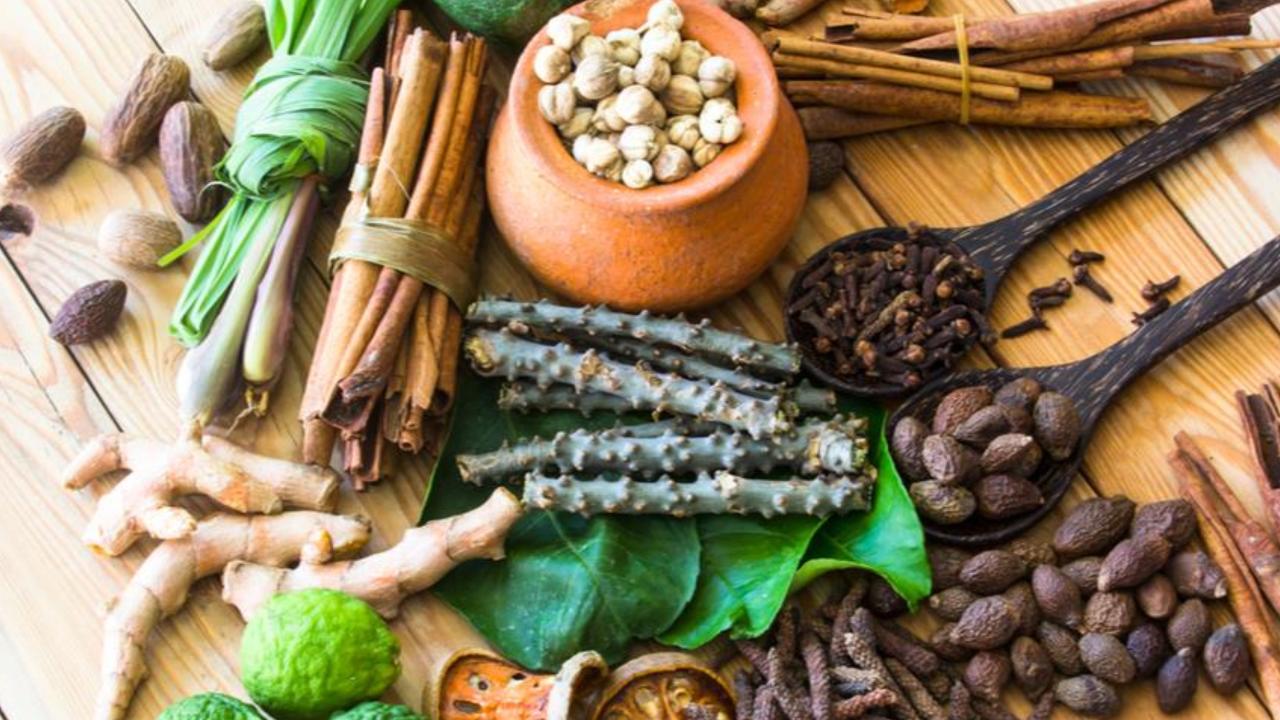 These herbs are selected not only for their ability to address skin issues but also for their capacity to balance the three doshas—Vata, Pitta, and Kapha—which are believed to be the root causes of skin disorders in Ayurvedic philosophy.
The significance of Kushtaghna Gana lies in its holistic approach to healing. These herbs go beyond just treating surface-level symptoms. They detoxify the body, purify the blood, reduce inflammation, and rejuvenate the skin at a cellular level.
Ayurveda views skin health as a reflection of internal health, particularly the liver, blood, and digestive system. For chronic skin issues, Kushtaghna Gana offers a natural, time-tested path to long-term healing.
Meaning and Concept of Kushtaghna Gana
The term “Kushtaghna” is derived from Kushta (skin disorders) and Ghna (to destroy or eliminate), signifying its therapeutic focus.
- Holistic Definition: Kushtaghna herbs are not only dermatological remedies but also systemic detoxifiers and rejuvenators.
- Dosha Balancing Role: They specifically help rebalance Vata, Pitta, and Kapha doshas, whose imbalances lead to skin ailments.
- Systemic Healing: Skin health is viewed as an external manifestation of internal imbalances—especially blood, liver, and digestive dysfunctions.
Role of Gana in Ayurvedic Pharmacology
The classification of herbs into Ganas supports accurate diagnosis and effective treatment planning.
- Functional Grouping: Herbs are grouped based on therapeutic functions such as anti-inflammatory, blood-purifying, or antimicrobial properties.
- Ease of Selection: Ayurvedic practitioners can swiftly identify suitable herbs for specific disorders.
- Synergistic Effect: Herbs within the same Gana are designed to enhance one another’s effects, creating a more potent therapeutic result.
- Formulation Guidance: Gana classification is a foundational principle in crafting classical and modern Ayurvedic formulations.
Historical Background in Classical Ayurvedic Texts
The significance of Kushtaghna Gana is deeply rooted in classical Ayurvedic literature.
- Charaka Samhita: Lists Kushtaghna Gana for various types of skin diseases, emphasizing herbs with Rakta Shodhana (blood purifying), Kandughna (anti-itch), and Krimighna (antimicrobial) actions.
- Sushruta Samhita: Uses these herbs for wound healing, infection control, and post-surgical care, underscoring external applications.
- Ashtanga Hridaya: Integrates these herbs in daily and seasonal regimens to prevent and manage chronic skin conditions.
- Enduring Relevance: These texts still guide the preparation of skin remedies in both classical and proprietary Ayurvedic medicine.
Key Benefits of Kushtaghna Gana Herbs
These herbs act on multiple levels to promote lasting skin health.
- Detoxification: Most herbs in this Gana purify the blood and liver, removing toxins that contribute to skin issues.
- Anti-inflammatory Action: Reduces redness, swelling, and irritation associated with eczema, psoriasis, and dermatitis.
- Antimicrobial Properties: Fights bacterial, fungal, and parasitic infections responsible for various skin conditions.
- Skin Rejuvenation: Encourages regeneration of skin cells and healing of lesions, scars, or wounds.
Top 10 Ayurvedic Herbs of Kushtaghna Gana for Treating Skin Diseases
Discover the top 10 Ayurvedic herbs from the Kushtaghna Gana group, renowned for their potency in treating skin diseases. Explore natural remedies that heal skin disorders through centuries-old Ayurvedic wisdom.
1. Haridra – Turmeric (Curcuma longa) – Rhizome
A powerful anti-inflammatory and blood purifier. Commonly used in both topical and internal formulations for various skin conditions including eczema and acne.
- Rasa: Bitter, pungent
- Virya: Heating
- Prabhava: Anti-inflammatory, antiseptic
- Benefits: Detoxifies skin and liver, improves complexion, reduces inflammation, supports digestion.
2. Amalaki – Amla (Emblica officinalis) – Fruit
Renowned Rasayana that rejuvenates tissues, particularly beneficial for skin and eyes. It has high antioxidant content and balances all three doshas, especially Pitta.
- Rasa: Sour (with all five tastes)
- Virya: Cooling
- Prabhava: Rasayana, anti-aging
- Benefits: Enhances skin glow, promotes collagen, moisturizes skin, supports liver detoxification.
3. Vidanga (Embelia ribes) – Fruit
Primarily known for its anthelmintic action, it helps clear intestinal toxins which often manifest on the skin. Also rejuvenative and supportive of gut health.
- Rasa: Pungent
- Virya: Heating
- Prabhava: Krimighna, Rasayana
- Benefits: Eliminates parasites, purifies blood, balances digestion, supports clear skin.
4. Khadira (Acacia catechu) – Heartwood
A prominent skin and blood purifier used extensively in chronic dermatoses. It is a key herb in Kushtaghna Gana due to its effectiveness in treating itching, pigmentation disorders, and skin eruptions.
- Rasa: Astringent, bitter
- Virya: Cooling
- Prabhava: Kushtaghna (anti-skin disease)
- Benefits: Purifies blood, clears skin infections, reduces itching, improves skin complexion.
5. Karavira (Nerium indicum) – Root/Seed
A potent herb with strong action on circulation and skin detoxification. It is used with caution for its toxicity but is effective in non-healing wounds and ulcers.
- Rasa: Bitter, pungent
- Virya: Heating
- Prabhava: Krimighna, Kushtaghna
- Benefits: Detoxifies skin, stimulates healing in chronic ulcers, purifies blood, supports cardiac function.
6. Abhaya – Haritaki (Terminalia chebula) – Fruit Rind
A well-known digestive and detox herb, Haritaki supports elimination and reduces skin diseases caused by accumulated toxins. It also acts as an eye tonic and mild rejuvenative.
- Rasa: All except salty (predominantly astringent, bitter)
- Virya: Heating
- Prabhava: Laxative, Rasayana
- Benefits: Detoxifies gut, clears Ama, supports skin clarity, relieves constipation-related skin issues.
7. Saptaparna (Alstonia scholaris) – Stem Bark
Traditionally used for fever, infections, and skin detoxification. Acts as a liver tonic and blood purifier, effective in skin diseases with systemic causes.
- Rasa: Bitter
- Virya: Cooling
- Prabhava: Krimighna (anti-parasitic), Kushtaghna
- Benefits: Purifies blood, detoxifies skin, supports liver function, reduces inflammation.
8. Arushkara (Semecarpus anacardium) – Fruit
A potent herb with strong metabolic and rejuvenative effects. Used cautiously due to its intensity, it stimulates digestion and circulation, aiding chronic skin and joint conditions.
- Rasa: Pungent, bitter
- Virya: Heating
- Prabhava: Deepana (appetizer), rejuvenative
- Benefits: Improves metabolism, enhances immunity, supports skin healing in chronic conditions.
9. Jatipravala (Jasminum officinale var. grandiflorum) – Tender Shoots
Traditionally used for wound healing and skin purification. A mild yet effective herb in inflammatory and ulcerative skin disorders.
- Rasa: Bitter, astringent
- Virya: Cooling
- Prabhava: Vrana Ropaka (wound healer)
- Benefits: Promotes healing, purifies blood, relieves skin inflammation, supports digestive comfort.
10. Aragvadha (Cassia fistula) – Fruit/Stem Bark
A natural purgative and skin cleanser. It is particularly effective in Pitta-dominant skin conditions and supports healthy bowel movements which in turn cleanse the skin.
- Rasa: Sweet
- Virya: Cooling
- Prabhava: Mild laxative
- Benefits: Clears heat and toxins, supports healthy skin, relieves constipation-related skin issues.
Understanding Skin Diseases in Ayurveda
Ayurveda classifies skin diseases under the umbrella term “Kushtha.” There are broadly two categories: Maha Kushtha (major skin diseases) and Kshudra Kushtha (minor skin ailments). This classification is based on the intensity, chronicity, and complexity of the condition.
1. Maha Kushtha includes chronic and deeply rooted diseases such as:
- Kitibha (psoriasis)
- Vipadika (cracked skin, eczema)
- Mandala Kushtha (circular lesions, often linked to fungal infections)
- Raktaja Kushtha (conditions arising from impure blood)
2. Kshudra Kushtha covers more superficial and relatively minor conditions like:
- Dadru (ringworm)
- Charmakeela (wart-like eruptions)
- Pama (itching eruptions similar to scabies)
These diseases are considered not only a physical but also a systemic disorder, often linked with imbalances in Agni (digestive fire), accumulation of Ama (toxins), and impaired Srotas (body channels).
Each type of Kushtha is further associated with one or more doshic imbalances:
- Vata-dominant: Dry, scaly, and flaky skin
- Pitta-dominant: Red, inflamed, burning sensations
- Kapha-dominant: Oily, thickened, or oozing skin
This classification is pivotal in customizing the treatment, and Kushtaghna Gana herbs are chosen accordingly to restore balance.
Dosha Involvement in Skin Disorders
According to Ayurveda, skin diseases are a manifestation of internal imbalances—primarily in the three doshas: Vata, Pitta, and Kapha. These doshas govern all physiological functions in the body, and their imbalance leads to disease.
- Vata Dosha causes dryness, cracking, and rough texture. It disrupts skin nourishment and elasticity.
- Pitta Dosha leads to redness, inflammation, rashes, burning sensations, and pustules. It is associated with heat and bile.
- Kapha Dosha results in oily, thick, white, and itchy patches. It often causes stagnation and leads to chronic infections.
Skin diseases typically involve a combination of these doshas. For example, eczema may arise from a Vata-Pitta imbalance, while fungal infections might be rooted in Kapha dominance.
Kushtaghna Gana herbs work by correcting these underlying doshic imbalances. For instance:
- Neem and Manjistha cool Pitta and purify the blood.
- Haridra (turmeric) pacifies Kapha and reduces inflammation.
- Khadira balances both Pitta and Kapha, making it ideal for stubborn skin issues.
Understanding the role of doshas enables a more accurate and holistic approach to treatment, where the Kushtaghna Gana herbs can be used not just symptomatically but also curatively.
Importance of Detoxification (Shodhana)
In Ayurveda, two essential steps in treating skin disorders are Shodhana (detoxification) and Rasayana (rejuvenation). Detoxification aims to remove the root cause—Ama or toxins—from the body, while rejuvenation helps rebuild and nourish tissues.
Shodhana therapies include:
- Vamana (therapeutic vomiting)
- Virechana (purgation)
- Raktamokshana (bloodletting)
- Basti (medicated enema)
These are often done under the supervision of an Ayurvedic doctor as part of Panchakarma treatment. After the body is cleansed, Rasayana herbs like Guduchi and Amalaki are used to rebuild immunity, enhance skin glow, and prevent recurrence.
Kushtaghna Gana herbs act as both detoxifiers and rejuvenators. For example:
- Manjistha detoxifies the blood and lymphatic system.
- Neem acts as a systemic antimicrobial.
- Turmeric reduces oxidative stress and boosts immunity.
This dual-action strategy makes Ayurveda exceptionally effective for chronic, recurring, or deep-seated skin conditions.
Overview of Kushtaghna Gana Herbs
Ayurveda is highly systematic in its approach to categorizing herbs. The inclusion of specific herbs in Kushtaghna Gana is not arbitrary; it is based on stringent criteria that align with both their pharmacological actions and their historical efficacy. These criteria include:
- Rakta Shodhaka (Blood Purifying) Properties – Since many skin diseases stem from impure blood, herbs that can cleanse the blood are essential.
- Kandughna (Anti-itching) Action – Skin diseases often involve itching; hence, herbs with this property are highly valued.
- Krimighna (Anti-parasitic) Potential – For infections caused by microbes or parasites, herbs that can counteract these are needed.
- Srotoshodhana (Channel-cleansing) Ability – The ability to clear blocked microchannels (srotas) is crucial for restoring healthy skin function.
- Tridosha Shamana (Dosha Balancing) – The most effective herbs are those that can balance all three doshas, especially Pitta and Kapha which dominate most skin issues.
These herbs are also known for their Tikta (bitter) and Kashaya (astringent) taste profiles, which are considered highly effective in skin diseases. Bitter taste is cooling and detoxifying, while astringent taste helps dry up secretions and promotes healing.
These parameters ensure that only those herbs with deep, systemic effects on the skin and underlying tissues are classified under the Kushtaghna Gana.
Therapeutic Actions and Properties
Kushtaghna Gana herbs offer a wide range of therapeutic benefits that go beyond treating surface-level skin symptoms. They work at the physiological, cellular, and energetic levels to restore skin health. Here’s a breakdown of their key therapeutic actions:
- Antioxidant: Prevent oxidative stress, which is a major cause of premature aging and chronic skin issues.
- Antibacterial and Antifungal: Fight off skin infections, particularly those caused by bacteria and fungi.
- Anti-inflammatory: Reduce swelling, redness, and irritation, especially in Pitta-related disorders.
- Liver Detoxifying: The liver is closely tied to skin health in Ayurveda. These herbs improve liver function and thus improve skin clarity.
- Rasayana (Rejuvenative): Nourish skin tissues, promote elasticity, and support faster healing and regeneration.
For instance, Manjistha is particularly known for improving microcirculation and detoxifying lymphatic channels, while Neem is a classic herb for reducing skin infections and calming inflammation.
These properties not only cure the existing conditions but also build a foundation to prevent recurrence—a common challenge in chronic skin diseases.
Common Dosha Balancing Effects of These Herbs
One of the strengths of Kushtaghna Gana herbs is their ability to balance the doshas involved in various skin conditions. While many modern treatments simply suppress symptoms, these herbs aim to resolve the root imbalance.
Here’s a breakdown of how these herbs affect each dosha:
- Vata Dosha: Herbs like Amalaki and Guduchi provide nourishment and lubrication, helping combat dryness and cracking.
- Pitta Dosha: Neem, Turmeric, and Manjistha are excellent for cooling the body, reducing inflammation, and calming heat-related skin issues.
- Kapha Dosha: Herbs such as Khadira and Daruharidra help dry up excess moisture, reduce oiliness, and clear congestion from skin channels.
Because skin diseases are often multi-doshic in nature, the best results are seen when these herbs are used in carefully crafted combinations to target the specific doshic pattern in each patient.
Top Herbs in Kushtaghna Gana and Their Benefits
1. Neem (Nimba) – The Ultimate Detoxifier
Neem, or Azadirachta indica, is arguably the most celebrated herb in Ayurvedic dermatology. Known for its Tikta (bitter) taste and Katu Vipaka (pungent post-digestive effect), Neem is tridoshic but especially beneficial for Pitta and Kapha disorders.
Key Benefits:
- Antibacterial and Antifungal: Prevents and treats infections like acne, eczema, and ringworm.
- Blood Purifier: Detoxifies the blood, which directly improves the clarity and health of the skin.
- Anti-inflammatory: Reduces redness, swelling, and irritation.
- Immunity Booster: Enhances the body’s natural defense, making it more resilient against recurring skin issues.
Neem is used in various forms—decoctions, paste, oil, and powder—for both internal and external application. It’s also found in modern formulations like face washes, soaps, and capsules.
For acne-prone individuals, Neem can work wonders by reducing sebum production and clearing blocked pores. In chronic cases like psoriasis, it helps by reducing flakiness and inflammation.
Neem is a prime example of how one herb can deliver multiple levels of healing—from surface to deep systemic detoxification.
2. Manjistha – Blood Purifier and Skin Rejuvenator
Manjistha (Rubia cordifolia) is known as the best Rakta Shodhana herb in Ayurveda. With a slightly bitter and astringent taste, it primarily pacifies Pitta and Kapha doshas.
Key Benefits:
- Blood and Lymph Purification: Cleanses the circulatory and lymphatic systems, which are critical for clear skin.
- Pigmentation Control: Helps reduce hyperpigmentation, dark spots, and blemishes.
- Anti-inflammatory: Calms down chronic skin irritation and redness.
- Skin Tone Enhancer: Regular use gives the skin a natural glow and even tone.
Manjistha is often used in combination with other herbs like Neem and Turmeric to amplify its effects. It can be consumed as a tea, capsule, or in powdered form mixed with honey or water. For external use, it is included in herbal masks and oils.
For people suffering from melasma, rosacea, or any form of chronic pigmentation, Manjistha is often the go-to herb recommended by Ayurvedic practitioners.
3. Haridra (Turmeric) – Anti-inflammatory and Antimicrobial Wonder
Turmeric, known as Haridra in Sanskrit, is one of the most revered herbs in Ayurveda and is a staple in both culinary and medicinal traditions. Its active compound, curcumin, is well-known for powerful anti-inflammatory and antioxidant properties. Haridra is particularly beneficial for Pitta and Kapha imbalances, which are commonly associated with inflammatory skin conditions.
Key Benefits:
- Powerful Anti-inflammatory: Reduces redness, swelling, and pain associated with eczema, acne, and psoriasis.
- Natural Antimicrobial: Protects against bacterial and fungal infections.
- Wound Healing: Accelerates the repair of cuts, sores, and damaged skin.
- Skin Brightening: Regular use lightens dark patches and improves complexion.
Haridra is widely used in Ayurveda in both internal and external formulations. Internally, it is taken with warm milk or honey to purify the blood and support liver function. Externally, turmeric paste or oil is applied to calm rashes, prevent infection, and speed up skin regeneration.
For people dealing with acne, applying a turmeric-based face mask can visibly reduce inflammation and prevent scars. It’s also included in classical Ayurvedic recipes like Haridra Khanda, which is prescribed for allergies and skin itching.
4. Khadira – Astringent, Detoxifying, and Skin Healing Herb
Khadira (Acacia catechu) is a prominent Kushtaghna herb described extensively in Ayurvedic texts like Charaka Samhita and Bhavaprakasha. It has a distinctly astringent taste, which is excellent for drying up excess Kapha and healing oozing skin lesions.
Key Benefits:
- Strong Astringent: Shrinks skin tissues and clears excessive moisture or discharge.
- Detoxifier: Acts on the liver and blood, helping to cleanse and purify.
- Antipruritic: Reduces itching and irritation, especially in conditions like eczema or scabies.
- Tissue Regenerator: Supports new skin cell formation and healing.
Khadira is used both internally (as decoctions or powders) and externally (in pastes and oils). One of the most popular classical formulations containing Khadira is Khadirarishta, which is a fermented herbal tonic used to treat chronic skin diseases and allergies.
In modern skincare, Khadira extract is now used in face masks, toners, and anti-acne products due to its tightening and pore-shrinking effect.
5. Daruharidra – Liver Cleansing and Skin Clarifying
Daruharidra (Berberis aristata), also known as Indian Barberry, shares many qualities with turmeric but has unique liver-cleansing and antibacterial properties. It is primarily bitter in taste and is ideal for Pitta and Kapha disorders.
Key Benefits:
- Liver Tonic: Improves bile flow and detoxification, which reflects in better skin clarity.
- Antimicrobial: Effectively treats bacterial and fungal infections.
- Anti-acne and Anti-pigmentation: Clears up persistent acne and reduces dark spots.
- Blood Cleanser: Helps eliminate toxins and impurities from circulation.
Daruharidra is commonly used in Kwath (decoction) form or in combination with other herbs like Neem and Haridra. A classical formulation like Darvyadi Kwatha utilizes this herb to manage skin issues rooted in liver dysfunction.
Externally, its paste is used to treat boils, pimples, and fungal infections. It is particularly effective in treating conditions caused by excessive heat in the blood, such as acne rosacea and allergic dermatitis.
How Kushtaghna Gana Herbs Work on Skin Diseases
The following Kushtaghna Gana herbs effectively balance doshas, detoxify the body, and reduce inflammation, aiding in the treatment of skin diseases.
1. Purification of Blood and Tissues (Rakta Shuddhi)
In Ayurveda, Rakta Dushti or impure blood is a primary cause of skin diseases. Toxins accumulate in the bloodstream due to poor digestion, stress, lifestyle issues, or exposure to allergens. These toxins then express themselves through the skin as various disorders.
Kushtaghna Gana herbs excel at Rakta Shuddhi, meaning they purify the blood and remove these toxins from the system. Herbs like Manjistha, Neem, and Haridra are particularly potent in cleansing the blood and cooling down excessive Pitta, which is often linked to inflammatory skin diseases.
When the blood is pure, skin automatically becomes clearer, brighter, and healthier. This is why these herbs are often included in long-term Ayurvedic detox programs or seasonal cleansing routines.
Additionally, purified blood ensures that nutrients reach the skin effectively, which helps with faster recovery from scars, pigmentation, and chronic rashes.
2. Reducing Inflammation and Infection
Most skin conditions—whether it’s acne, eczema, or psoriasis—come with some form of inflammation. In Ayurveda, inflammation is primarily governed by Pitta dosha, and the Kushtaghna Gana herbs have strong Pitta-pacifying properties.
Herbs like Haridra, Neem, and Daruharidra contain natural anti-inflammatory compounds that inhibit cytokine production and reduce the skin’s inflammatory response. This leads to:
- Calmer, less irritated skin
- Reduction in swelling and redness
- Lower risk of secondary infections
Moreover, these herbs are antimicrobial, making them doubly effective. They not only reduce inflammation but also kill the microbes that may be causing or worsening the skin condition.
This dual action makes them ideal for treating both acute flare-ups and chronic, low-grade inflammation that persists over time.
3. Rejuvenation and Restoration of Skin Health
Once the toxins are removed and inflammation is controlled, the next step is rejuvenation. Skin healing is not just about eliminating disease but also restoring the skin’s original strength, elasticity, and glow. This is where the Rasayana (rejuvenative) properties of Kushtaghna Gana herbs come into play.
Herbs like Manjistha and Guduchi promote the formation of healthy skin cells and support collagen synthesis. They also:
- Boost immunity
- Accelerate wound healing
- Improve complexion
- Prevent premature aging
Ayurveda emphasizes the importance of nourishing Rasa (plasma) and Rakta (blood) dhatus for skin health. These herbs enrich these dhatus, ensuring your skin not only heals but also thrives with vibrance and vitality.
Formulations Using Kushtaghna Gana
Common Classical Formulations (Kwath, Lepa, Taila): The classical Ayurvedic texts have detailed thousands of formulations, and several of them prominently feature Kushtaghna Gana herbs. Here are some commonly used ones:
- Khadirarishta: A fermented liquid preparation effective for chronic skin diseases and blood disorders.
- Mahamanjishtadi Kwatha: Decoction used for eczema, acne, and pigmentation issues.
- Nimbadi Churna: A powdered formulation that combines Neem with other detoxifying herbs.
- Jatyadi Taila: Medicated oil for wound healing, eczema, and burns.
These formulations are typically prescribed based on individual constitution (Prakriti), the type of skin disease, and doshic involvement. The herbs in these formulations work synergistically, enhancing each other’s effect.
Modern Ayurvedic Products and Preparations
Today, many Ayurvedic and herbal brands have developed modern products that use Kushtaghna Gana herbs in more convenient forms:
- Face washes and soaps with Neem and Turmeric
- Anti-acne creams with Manjistha and Khadira
- Blood purifying syrups like Mahamanjistadi or Patanjali’s Divya Raktashodhak
- Herbal capsules and tablets for internal detox
These products make it easier for people to integrate Ayurvedic wisdom into daily life without the complexity of preparing decoctions or pastes.
DIY Herbal Remedies with Kushtaghna Gana Herbs
If you prefer home remedies, many of these herbs can be used effectively in your kitchen:
- Neem Paste: Apply fresh neem leaf paste to acne for antimicrobial action.
- Turmeric and Honey Mask: Great for calming inflammation and brightening skin.
- Manjistha Tea: Drink a decoction of Manjistha root daily for blood purification.
Note: Always consult a qualified Ayurvedic practitioner before beginning a herbal regimen, especially if you have underlying health conditions.
The Kushtaghna Gana is a classical Ayurvedic group of herbs known for their deep therapeutic impact on skin diseases. They work holistically by purifying the blood, detoxifying organs, balancing doshas, and rejuvenating the skin from within.