Karkidaka Chikitsa: Monsoon Therapy for Health Rejuvenation

As the monsoon season arrives, marking the Malayalam month of Karkadaka, it is considered an auspicious time for healing and rejuvenation. One of the key practices highlighted during this period is Karkadaka Chikitsa, or the Monsoon Ayurvedic Treatment. This treatment focuses on detoxifying the body while simultaneously revitalizing health, preparing you for the year ahead. In Ayurveda, Karkadaka is seen as a time of restoration and renewal. The changing weather causes imbalances in the body’s doshas (vital energies)—Vata, Pitta, and Kapha—making the body more susceptible to disease. Karkadaka Chikitsa is designed to restore balance, enhance immunity, improve digestion, and promote overall well-being during this transformative season.
Through a series of personalized therapies, this holistic approach aims to strengthen the body’s natural defenses and rejuvenate both mind and spirit. Embracing these practices can bring a sense of deep renewal and energy to face the months ahead.
What is Karkadaka Chikitsa?
Karkadaka Chikitsa, literally translating to “Treatment in Karkidakam,” is a specialized, seasonal Ayurvedic protocol practiced predominantly in Kerala during the peak monsoon period. It’s often referred to simply as “Monsoon Treatment” or “Monsoon Rejuvenation Therapy.”
Unlike generic Panchakarma, which can be administered year-round, Karkadaka Chikitsa is intrinsically tied to the specific environmental and physiological conditions induced by Kerala’s intense southwest monsoon.
Cultural Significance of Karkadaka Chikitsa in Kerala
This practice transcends mere healthcare. It’s a deeply ingrained cultural phenomenon. Homes fill with the aroma of boiling medicinal decoctions (kashayams), families gather for the daily ritual of consuming the nourishing Karkadaka Kanji (medicinal porridge), and Ayurvedic hospitals see a surge in patients seeking seasonal tune-ups.
It represents a collective acknowledgment of nature’s power and a proactive approach to maintaining health amidst seasonal adversity. The month of Karkidakam, traditionally associated with scarcity and hardship in agrarian societies, is transformed through this practice into a period of internal abundance and preparation.
Core Purpose:
The fundamental aim of Karkadaka Chikitsa is twofold
- Preventive: To build resilience and shield the body from the onslaught of monsoon-related ailments – respiratory infections, digestive disturbances, skin issues, joint pains, and general lethargy.
- Rejuvenative & Corrective: To deeply detoxify the system, pacify aggravated bodily humors (doshas), reignite digestive fire, nourish tissues, and revitalize the entire mind-body complex, setting the stage for robust health in the coming year.
Why Karkidakam in Monsoon?
Ayurveda, the 5000-year-old “Science of Life,” places immense emphasis on Ritucharya – the seasonal regimen. It recognizes that environmental changes profoundly impact our internal physiology.
The monsoon, particularly in a tropical region like Kerala, creates a unique confluence of factors that Karkadaka Chikitsa is designed to counteract:
1. Aggravation of Vata Dosha
The monsoon is characterized by cold, wind, dampness, and reduced sunlight – the very qualities that increase Vata dosha (the principle governing movement, circulation, nervous system, and elimination). Aggravated Vata manifests as:
- Digestive disturbances (bloating, gas, irregularity)
- Joint and muscle pain, stiffness, cracking joints
- Anxiety, restlessness, insomnia
- Dryness of skin and mucous membranes
- Lowered immunity and energy levels.
2. Weakening of Agni (Digestive Fire)
The high humidity and lack of sunshine significantly dampen the body’s internal fire (Agni). A weak Agni is unable to properly digest food, leading to:
- Ama Formation: The production of Ama, undigested metabolic toxins, which is considered the root cause of most diseases in Ayurveda. Ama is sticky, heavy, and clogs the body’s subtle channels (srotas).
- Malabsorption of nutrients.
- Heaviness, lethargy, and brain fog.
3. Accumulation of Ama (Toxins)
Weak Agni directly leads to Ama accumulation. The humid environment further hinders the body’s natural detoxification processes, allowing toxins to build up in tissues.
4. Increased Susceptibility to Disease
The combination of aggravated Vata, weak Agni, and accumulated Ama creates a perfect storm for disease. The body’s natural defenses (Ojas, or immunity) are compromised, making it vulnerable to:
- Respiratory infections (colds, coughs, sinusitis, asthma flare-ups)
- Water and food-borne digestive infections (diarrhea, dysentery, hepatitis)
- Fungal and bacterial skin infections
- Aggravation of rheumatic conditions (arthritis)
- General fatigue and debility.
5. Enhanced Bioavailability – A Silver Lining
Ayurveda astutely recognizes a key advantage of the monsoon season: increased skin porosity. The high humidity characteristic of this time causes the skin to become more permeable.
This unique physiological state is purposefully harnessed in Karkadaka Chikitsa, a seasonal Ayurvedic regimen, to enhance the body’s receptivity to medicated oils and external therapies.
The result is deeper absorption, more effective detoxification, and enhanced nourishment—making treatments during this period exceptionally potent.
The Purpose of Karkadaka Chikitsa
Every aspect of the treatment is meticulously designed to achieve specific, interconnected goals:
1. Deep Detoxification (Shodhana)
The primary objective is to eliminate the accumulated Ama (toxins) from the deepest tissues (dhatus). This is achieved through internal medicines that scrape and liquefy toxins, dietary modifications that reduce toxin formation, and external therapies that facilitate their expulsion through sweat and other channels.
2. Pacification of Vata Dosha (Vata Shamana)
Restoring balance to the aggravated Vata is crucial. Warm, unctuous (oily), nourishing therapies, foods, and herbs specifically target Vata’s cold, dry, light, and mobile qualities, bringing stability to the nervous system, joints, and digestion.
3. Kindling Agni (Deepana & Pachana)
Reigniting the digestive fire is paramount. Bitter herbs (Tikta Rasa) and digestive spices stimulate Agni (Deepana), while specific medicines help digest existing Ama (Pachana). A light, warm diet supports this process.
4. Strengthening Immunity (Vyadhikshamatva Vardhana)
By removing Ama (which clogs channels and weakens tissues) and nourishing the body with Rasayana (rejuvenative) herbs and foods, the treatment profoundly enhances Ojas – the essence of immunity, vitality, and resilience.
5. Tissue Nourishment & Rejuvenation (Brimhana & Rasayana)
Following detoxification, the body is primed to receive nourishment. Nutrient-dense foods like Karkadaka Kanji, medicated ghees (ghritham), and specific Rasayana herbs nourish the depleted dhatus (tissues), promoting cellular repair, vitality, and longevity.
6. Prevention of Seasonal Ailments
By achieving the above goals, the body naturally becomes fortified against the common health challenges of the monsoon season.
What’s Included in Karkadaka Chikitsa
Karkadaka Chikitsa is a symphony of internal medicines, specialized diet, external therapies, and lifestyle adjustments, orchestrated under the guidance of a qualified Ayurvedic physician (Vaidyar).
A. Internal Medications (Bhaishajya Chikitsa)
The backbone of the treatment, often taken daily throughout Karkidakam.
1. Bitter Decoctions (Kashayam / Kwath): The undisputed stars of the monsoon regimen. These potent, often intensely bitter, water-based decoctions are boiled down from specific combinations of roots, barks, leaves, and seeds. Their primary actions:
- Deepana & Pachana: Stimulate Agni and burn Ama.
- Tikta Rasa (Bitter Taste): Cleanses the blood, liver, and skin; reduces inflammation and fever; detoxifies deeply.
- Kashaya Rasa (Astringent Taste): Tightens tissues, reduces excess moisture (Kapha), and heals mucous membranes.
- Common Examples: Dasamoolakaduthrayam Kashayam (for Vata disorders, pain), Nilibringadi Kashayam (skin, detox), Rasnasaptakam Kashayam (musculoskeletal pain), Amruthotharam Kashayam (fever, immunity). Taken warm, often early morning on an empty stomach.
2. Medicated Ghees (Ghritham): Clarified butter infused with therapeutic herbs. Counteracts Vata’s dryness, nourishes deeply (especially nerve tissue), carries medicinal properties to target tissues, and acts as a Rasayana.
- Examples: Ashwagandhadi Ghritham (strength, nerve tonic), Shatavari Ghritham (female health, cooling), Dhanwantharam Ghritham (Vata pacification, musculoskeletal).
3. Fermented Tonics (Asavas & Arishtas): Herbal wines created through natural fermentation. Easier to digest than kashayams, they aid digestion, improve appetite, and provide strength. Examples: Dashamoolarishtam (digestion, Vata), Ashokarishtam (female reproductive system), Balarishtam (strength, neurological).
- Churnas (Medicated Powders): Blends of dried herbs, often taken with honey, ghee, or as part of Kanji. Example: Trikatu Churna (ginger, pepper, long pepper – potent Agni stimulant).
B. Karkadaka Kanji & Dietary Regimen (Ahara)
Diet is not just fuel; it’s medicine during Karkidakam.
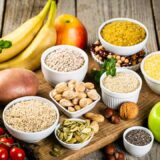
1. Karkadaka Kanji – The Heart of the Tradition: This is far more than simple rice porridge. It’s a meticulously crafted, nutrient-dense, easily digestible superfood designed for the monsoon.
- Core Base: Njavara Rice – A unique, short-grained, red rice indigenous to Kerala, revered in Ayurveda for its exceptional nourishing and strengthening (Brimhana) properties. Rich in antioxidants and nutrients.
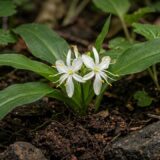
- The Power of Dasapushpam: Literally “Ten Sacred Flowers.” This refers to a group of wild herbs and greens traditionally collected during monsoon. Each has potent medicinal value – antimicrobial, anti-inflammatory, detoxifying, immune-boosting. Common ones include Krishnakranthi (Mukutti), Thiruthali (Bala), Muyalcheviyan (Hedyotis corymbosa), Karuka (Cynodon dactylon – Bermuda grass).
- Other Key Ingredients: Coconut milk (nourishing, Vata-pacifying), crushed cumin and fenugreek seeds (digestive, carminative), garlic and ginger (immune-boosting, Agni-kindling), turmeric (anti-inflammatory, cleansing), pepper (stimulating, clears channels), small onions/shallots (immune support), jaggery (natural sweetener, provides energy, rich in iron), salt.
- Preparation & Consumption: Slow-cooked to a creamy consistency, often overnight. Consumed warm, typically as the main meal (lunch or dinner) throughout Karkidakam. It’s light on the stomach yet deeply nourishing, pacifies Vata, kindles Agni gently, detoxifies, and provides essential nutrients when digestion is vulnerable.
2. General Dietary Principles (Pathya):
- Light & Warm: Foods should be easy to digest and served warm. Soups, steamed vegetables, well-cooked lentils (moong dal), and aged rice (old rice is considered lighter) are staples.
- Minimal Oils: Use only small amounts of easily digestible oils like ghee or coconut oil. Avoid fried foods completely.
- Emphasis on Bitter & Astringent: Include bitter gourds, neem flowers (where available), and greens like amaranth.
- Hydration: Sip warm water throughout the day. Herbal teas (ginger, coriander, cumin) are excellent.
3. Strict Avoidances (Apathya):
- Cold drinks, ice cream, refrigerated foods (dampen Agni).
- Heavy, fried, oily, processed foods (increase Ama).
- Fermented foods excessively (like heavy yogurt, can aggravate Kapha).
- Leftovers (considered Tamasic – dulling and hard to digest).
- Incompatible food combinations (e.g., milk with fish or sour fruits).
C. External Therapies (Bahya Chikitsa / Sneha-Swedam)
While internal medicine and diet are core, specific external therapies are often incorporated, especially in clinical settings or for those with specific imbalances:
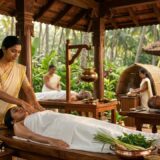
- Abhyanga (Medicated Oil Massage): Full-body massage with warm, Vata-pacifying oils (e.g., Dhanwantharam Thailam, Bala Ashwagandha Thailam, Ksheerabala Thailam). Calms the nervous system, lubricates joints, improves circulation, aids lymphatic drainage, and enhances the absorption of oil-based medicines through the porous monsoon skin.
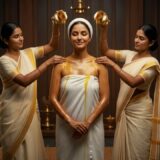
- Pizhichil (Oil Bath / Sarvanga Dhara): Continuous streams of lukewarm medicated oil are poured over the body by therapists while simultaneously massaging. An intensely nourishing and deeply relaxing therapy, highly effective for severe Vata imbalances, neuropathy, and debility.
- Svedana (Medicated Steam): Herbal steam therapy (often using decoctions of Vata-pacifying herbs like Dashamoola). Opens up channels (srotas), promotes sweating (a key detox pathway), loosens toxins, relieves stiffness, and prepares the body for deeper absorption of oils.
- Kizhi (Herbal Poultice Massage): Boluses (kizhis) filled with warm herbal powders, rice, or sand are used to massage specific areas or the whole body. Types include Elakizhi (leaf bundle), Njavarakizhi (with Njavara rice cooked in milk and herbs – highly nourishing), Podikizhi (herbal powder bundle). Excellent for localized pain, inflammation, and musculoskeletal issues.
- Shirodhara (Forehead Oil Flow): A steady stream of warm medicated oil, milk, or buttermilk is poured onto the forehead (third eye region). Profoundly calming for the mind and central nervous system, alleviates stress, anxiety, insomnia, and headaches – common during Vata-aggravated monsoon.
- Duration: These therapies are typically administered in courses over 7-14 days, often preceded by internal oleation (Snehana) and followed by light diet.
D. Lifestyle Modifications (Vihara)
Completing the holistic picture:
- Adequate Rest: The body is undergoing deep cleansing and rejuvenation. Prioritize sleep and avoid excessive physical or mental exertion.
- Stay Warm & Dry: Protect yourself from cold drafts and dampness. Dry clothes and hair thoroughly after getting wet.
- Mental Relaxation: Minimize stress. Practices like gentle yoga (avoid strenuous asanas), meditation, pranayama (breathing exercises like Nadi Shodhana), and reading calming texts are encouraged.
- Avoid Suppressing Natural Urges: Ayurveda emphasizes not suppressing urges like urination, defecation, sneezing, etc., especially during detox.
Experiencing Karkadaka Chikitsa
Imagine waking in a Kerala village during Karkidakam:
- Early Morning: The air is cool and damp. You sip a small cup of warm, bitter Dasamoolakaduthrayam Kashayam prescribed by the Vaidyar, followed by gentle stretches or a short walk if the rain holds off.
- Late Morning: Perhaps a light breakfast – steamed plantain or a small portion of old rice gruel. In clinical settings, this might be the time for Abhyanga followed by Swedana.
- Lunch: The highlight – a large bowl of steaming, fragrant Karkadaka Kanji, rich with the earthy taste of Njavara rice, the subtle bitterness of Dasapushpam herbs, the sweetness of jaggery, and the warmth of ginger and pepper. It’s comforting, nourishing, and surprisingly satisfying.
- Afternoon: Rest, reading, or quiet contemplation. Avoid napping immediately after meals.
- Evening: Another dose of Kashayam or perhaps a teaspoon of medicated ghee. A light, warm dinner – perhaps vegetable soup and steamed rice cakes (idli/appam) if Kanji wasn’t taken again. Early to bed, listening to the lullaby of the rain.
The Benefits of Karkadaka Chikitsa
Undergoing Karkadaka Chikitsa consistently can yield transformative results:
- Profound Detoxification: Systemic cleansing leading to clearer skin, reduced allergies, and improved organ function.
- Enhanced Digestion & Metabolism: Reignited Agni translates to better appetite, efficient digestion, reduced bloating/gas, and optimal nutrient absorption.
- Stronger Immunity: Fortified Ojas means fewer colds, coughs, infections, and faster recovery times.
- Alleviation of Aches & Pains: Pacified Vata brings relief from joint stiffness, muscle pain, arthritis, and neurological discomfort.
- Increased Energy & Vitality: Removal of Ama and deep nourishment combats fatigue, boosting stamina and overall zest for life.
- Reduced Stress & Anxiety: Calmed nervous system, improved sleep quality, and enhanced mental clarity and emotional balance.
- Rejuvenated Skin & Hair: Internal cleansing and nourishing oils improve complexion, reduce blemishes, and promote healthier hair.
- Weight Management Support: By improving metabolism and reducing Ama (which can contribute to weight gain), it supports healthy weight regulation.
- Holistic Well-being: A profound sense of lightness, balance, and preparedness for the seasons ahead.
Who Stands to Gain? Is it for You?
Karkadaka Chikitsa offers significant benefits for a wide range of individuals:
- Anyone Prone to Monsoon Illnesses: Frequent colds, coughs, sinusitis, digestive upsets, or skin issues during rains.
- Those Experiencing Low Energy & Fatigue: Feeling constantly drained, lacking stamina.
- Individuals with Digestive Weakness: Chronic indigestion, bloating, IBS tendencies, weak appetite.
- People Suffering from Vata Imbalances: Anxiety, insomnia, restlessness, dry skin, constipation, joint/muscle pain.
- Those Seeking Preventive Healthcare: Proactively strengthening the body and immune system.
- Individuals Needing Rejuvenation: Recovering from illness, stress, or simply wanting to revitalize.
- Generally Healthy People: As an annual “tune-up” to maintain optimal health.
Crucial Note: CONSULTATION WITH A QUALIFIED AYURVEDIC PHYSICIAN (VAIDYAR) IS MANDATORY.
Karkadaka Chikitsa is not a one-size-fits-all regimen. The Vaidyar assesses your unique constitution (Prakriti), current imbalances (Vikriti), age, strength, and specific health concerns to personalize:
- The specific Kashayams, Ghrithams, and other medicines.
- The exact recipe and frequency of Kanji.
- The inclusion and type of external therapies.
- The intensity and duration of the regimen.
- Self-prescribing can be ineffective or even harmful.
Karkadaka Chikitsa: A Cultural of Kerala
This practice is inseparable from the cultural identity of Kerala:
- Generational Wisdom: Passed down through families for centuries, often with grandmothers preparing the Kanji using herbs gathered from the backyard.
- Community Aspect: Kanji preparation and consumption are often communal, fostering family bonding and neighborhood sharing. Temples and community centers sometimes organize mass Kanji distribution.
- Ayurvedic Hub: Kerala’s world-renowned Ayurvedic hospitals, resorts, and traditional Kalaris (centers) develop specialized Karkadaka packages, attracting both domestic and international wellness seekers.
- Resilience Ritual: Transforming the traditionally “lean” month of Karkidakam into a period of health investment symbolizes the Keralite spirit of resilience and proactive well-being.
- Living Tradition: Despite modernization, the core practice thrives, adapting while preserving its essence – a testament to its enduring value.
Modern Relevance & Global Appeal
In an era dominated by quick fixes and fragmented healthcare, Karkadaka Chikitsa offers a compelling alternative:
- Holistic Wellness Trend: Aligns perfectly with the global shift towards preventive, holistic, and natural health approaches.
- Seasonal Syncing: Offers a practical model for adapting lifestyle and diet to seasonal changes, a concept gaining traction worldwide.
- Ayurvedic Tourism Magnet: Kerala’s monsoon, once seen as off-season, is now a peak time for Ayurvedic tourism, thanks largely to Karkadaka Chikitsa. Resorts offer luxurious, medically supervised programs.
- Accessibility: From traditional home-based routines to luxurious resort packages and clinical treatments, it’s accessible at various levels.
- Sustainable Health: Focuses on natural ingredients, prevention, and strengthening the body’s innate healing capacity.
Karkadaka Chikitsa is far more than a medical treatment; it’s a profound dialogue between the people of Kerala and their environment. It embodies the core Ayurvedic principle of using nature’s rhythms, even the challenging ones, as catalysts for healing and growth.