
Ayurvedic Diet: Eat These 10 Foods Every Day to Live Longer

In today’s world of fleeting diet trends, Ayurveda stands firm as ancient, timeless wisdom. Meaning “science of life,” it offers a holistic approach to health through nature and balance. Ayurveda, a 5,000-year-old healing system from India, embraces daily routines (Dinacharya), seasonal cycles (Ritucharya), and a personalized diet, promoting longevity by harmonizing body, mind, and environment.
The principle “Anna Brahma,” meaning “food is divine,” teaches that all health stems from proper nourishment. What we eat, digest, and assimilate shapes our physical and mental well-being.
Food in Ayurveda is powerful medicine, infused with life force (Prana). It either nourishes and energizes or creates toxins (Ama), influencing balance, vitality, and the path toward health or disease.
The Ayurvedic Path to Health and Longevity
Adopting an Ayurvedic diet is a complex science that respects your unique constitution (Prakriti), current imbalances (Vikriti), seasons, and time of day. It focuses on tastes (Shad Rasa), food qualities (Guna), and effects (Vipaka).
The goal is to balance the three Doshas—Vata (movement), Pitta (transformation), and Kapha (structure). When balanced, these energies foster “Swastha,” a state of health marked by calmness, contentment, and physical strength without disease.
Digestive fire (Agni) is key to health. Strong Agni ensures good digestion, tissue formation (Dhatus), and vitality. Weak Agni causes toxin buildup (Ama), the root of disease, disrupting both body and mind.
Though Ayurveda personalizes lifestyle, “Rasayanas” or rejuvenating foods universally promote longevity and boost Ojas, our vital essence. Including these foods daily is a powerful way to restore balance and enhance health naturally.
Top 10 Foods Every Day to Live Longer
Though Ayurveda personalizes lifestyles, some universal foods called “Rasayanas” are revered for promoting longevity, boosting Ojas (vital essence), and balancing all three Doshas. These rejuvenators support overall health and vitality naturally.
Incorporating these powerful Ayurvedic foods daily helps restore balance and enhance well-being. Embracing them is a meaningful step toward living a longer, healthier life rooted in ancient healing wisdom and nourishment. Here are 10 such foundational Ayurvedic foods to consume every day to live a longer, healthier life.
1. Rock Salt (Saindhava Lavana)
In today’s world of refined salts, Ayurveda recommends Saindhava Lavana—rock salt from Himalayan sea beds—valued for its purity, mineral richness, and natural, unprocessed form.
Unlike most salts that aggravate Pitta due to their heating nature, Saindhava Lavana is cooling in effect, making it gentler and more balancing for the body.
This unique salt is one of Ayurveda’s few substances that balances all three Doshas—Vata, Pitta, and Kapha—making it ideal for daily, holistic use.
Health Benefits:
- Optimal Digestion and Absorption: Rock salt is a natural stimulant for the digestive fire (Agni). A pinch taken with meals can enhance the secretion of digestive enzymes and hydrochloric acid, ensuring food is broken down efficiently. Furthermore, it contains trace minerals that act as electrolytes, facilitating the absorption of nutrients in the intestines.
- Electrolyte Balance and Hydration: Unlike table salt, which is almost pure sodium chloride, rock salt contains over 84 trace minerals, including potassium, magnesium, and calcium. This natural synergy of minerals makes it exceptional for maintaining electrolyte balance, preventing dehydration, and ensuring proper cellular communication and nerve function.
- Detoxification and Respiratory Health: Rock salt is a natural decongestant and expectorant. A traditional practice is to do “Saindhava Lavana Gargle” with warm water to soothe a sore throat and loosen phlegm. Neti pot users often use a saline solution made with rock salt to cleanse the nasal passages (Nasya), relieving sinus congestion and allergies.
- Nervous System and Sleep: The magnesium and trace minerals in rock salt are crucial for nervous system regulation. They help control melatonin and serotonin levels, promoting restful sleep. A relaxing bath with rock salt (along with Epsom salts) can soothe muscle tension, calm the mind, and alleviate stress and anxiety by drawing out physical and energetic impurities.
- Metabolic Support: It is believed that rock salt can help reduce sugar cravings by supporting insulin sensitivity, indirectly aiding in weight management. Its mineral content also supports thyroid function, which is central to metabolism.
How to Use it Daily:
Replace your regular table salt with Saindhava Lavana in all your cooking. Add a pinch to a glass of warm water and drink it first thing in the morning to stimulate digestion. Use it in your neti pot or in warm water for gargling.
2. Jaggery (Guda)
Jaggery, or Guda, is a traditional unrefined sweetener made from sugarcane juice or date palm sap, rich in minerals and far superior to processed white sugar.
Ayurveda considers jaggery to have hot potency (Ushna Virya), which kindles digestion, supports bile flow, and boosts overall metabolic activity when consumed mindfully.
Sweet in taste (Madhura), jaggery can aggravate Kapha in excess, but in moderation, it acts as a cleanser, energizer, and natural rejuvenator in the Ayurvedic diet.
Health Benefits:
- Natural Blood Purifier: Jaggery is a renowned blood cleanser. Its rich iron content helps in the production of hemoglobin, making it an excellent food for preventing and treating anemia. It also helps flush out toxins from the blood, promoting clearer skin and overall vitality.
- Digestive Tonic: Unlike white sugar, which can cause fermentation and gas, jaggery aids digestion. It activates digestive enzymes, and its roughage content helps prevent and relieve constipation by stimulating bowel movements. It is common in India to eat a small piece of jaggery after a meal to aid digestion.
- Detoxification of Organs: Jaggery acts as a natural cleanser for the lungs, respiratory tract, intestines, stomach, and food pipe. It is particularly beneficial for people exposed to high levels of air pollution, as it helps clear the respiratory tract of dust and unwanted particles.
- Relief from Menstrual Cramps: Its high magnesium content (10g provides about 4% of the daily requirement) helps relax muscles and soothe uterine cramps. For women suffering from PMS and painful periods, a cup of warm water with jaggery and ginger can provide significant relief.
- Mood Enhancer and Energy Booster: The carbohydrates in jaggery provide a quick, sustained energy release without the sharp spike and crash associated with white sugar. Furthermore, it helps release endorphins, the “feel-good” hormones, thereby reducing anxiety and mood swings.
How to Use it Daily:
Use jaggery as a natural sweetener in your teas, desserts, and porridges. A small piece can be consumed post-lunch to aid digestion. A classic Ayurvedic remedy is to have a mixture of jaggery, ghee, and dry ginger (Guda, Ghrita, and Shunthi) for strengthening and cleansing.
3. Cow Milk (Godugdha)
In Ayurveda, cow’s milk is called Jeevaniya—life-giving—and Rasayana—rejuvenating. It nourishes deeply, offering not just physical strength but emotional balance and spiritual vitality.
Milk is considered Sattvic, promoting purity, clarity, and calmness in the mind. It enhances Ojas, the essence of immunity, vitality, and inner contentment.
Best consumed warm and spiced, milk balances Vata and Pitta. Cold milk or mixing it with incompatible foods can disturb digestion and create an imbalance.
Health Benefits:
- Nourishment for All Tissues (Dhatus): Ayurveda describes a sequential process of tissue formation, and milk is said to nourish all seven layers, from plasma (Rasa) to reproductive tissue (Shukra). Its high-quality protein and calcium are essential for strong bones and muscles.
- Nervous System Tonic: The healthy fats and amino acids in milk are vital for building and insulating nerve cells. A cup of warm milk before bed, especially with a pinch of nutmeg, is a time-tested remedy for insomnia, anxiety, and mental exhaustion. It provides mental and physical stamina.
- Promotes Healthy Sleep: Milk contains tryptophan, an amino acid precursor to melatonin and serotonin, the hormones that regulate sleep and mood. The practice of drinking warm milk at night is deeply rooted in this biochemical reality.
- Alleviates Pitta Conditions: Due to its cooling nature, milk is excellent for pacifying excess Pitta. It can soothe hyperacidity, heartburn, and inflammatory conditions like ulcers in the stomach. It also reduces PMS symptoms related to heat, such as irritability and hot flashes.
- Potassium and Heart Health: One glass of cow’s milk provides a significant portion of the daily requirement for potassium, a mineral crucial for maintaining healthy blood pressure and cardiovascular function.
How to Use it Daily:
Always boil milk before consumption, as this makes it easier to digest. Drink it warm, not hot or cold. To enhance its digestibility and therapeutic properties, add a pinch of turmeric, ginger, cardamom, or a date. Avoid combining it with sour fruits, fish, meat, or yeast-based bread.
4. Coriander (Dhania)
Coriander, or Dhania, includes both fresh leaves and seeds. It’s a staple in Ayurvedic cooking, valued for its medicinal and balancing properties across all seasons.
With cooling potency (Sheeta Virya), coriander is especially effective at pacifying Pitta. It helps calm internal heat and soothes inflammation in the digestive and urinary systems.
Coriander is also a gentle detoxifier, clearing Ama—the root of disease—and purifying the blood, bladder, and gut, supporting overall balance and metabolic health.
Health Benefits:
- Natural Digestive Aid: Coriander seeds are a classic remedy for kindling a sluggish Agni while simultaneously cooling an inflamed digestive tract. They are particularly useful for soothing heartburn, bloating, and cramping. An infusion made from coriander seeds soaked overnight in water is a excellent morning tonic for digestion.
- Blood Sugar Regulation: Studies have shown that coriander seeds can help stimulate insulin secretion and improve glucose metabolism, making it a valuable supportive herb for managing blood sugar levels.
- Urinary Tract Health: With its diuretic and antimicrobial properties, coriander helps flush out toxins through the urine and can prevent and soothe urinary tract infections (UTIs). It is also beneficial for reducing water retention.
- Heavy Metal Detoxification: Fresh cilantro leaves are celebrated in modern functional medicine for their ability to chelate heavy metals like mercury, lead, and aluminum from the body, binding to them and facilitating their excretion.
- Skin Health and Allergies: By purifying the blood and cooling Pitta, coriander is highly effective in treating inflammatory skin conditions like acne, eczema, hives (urticaria), and rashes. It also helps manage allergic reactions by modulating the body’s histamine response.
How to Use it Daily:
Use fresh cilantro generously as a garnish on soups, salads, and curries. Use coriander seed powder in your cooking. For a potent digestive and cooling drink, soak one tablespoon of coriander seeds in a glass of water overnight; strain and drink the water first thing in the morning.
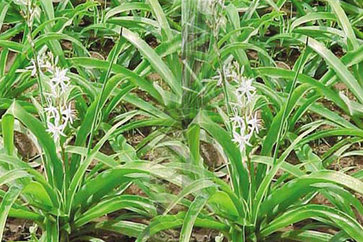
5. Snake Gourd (Chichinda)
Snake Gourd, or Chichinda, is a light (Laghu), tubular vegetable prized in Ayurveda for its ability to reduce excess Kapha and support healthy digestion.
Its drying nature (Ruksha) helps manage water retention and sluggishness. When cooked properly, it becomes tridoshic, meaning suitable for all body types and constitutions.
Charaka Samhita praises Snake Gourd for easing feelings of heaviness and excessive thirst, making it a cooling, balancing vegetable in warm or humid conditions.
Health Benefits:
- Weight Management and Digestion: Being over 95% water and very low in calories, snake gourd is an ideal food for weight loss. Its high fiber content promotes satiety, prevents overeating, and ensures smooth bowel movements, cleansing the intestines.
- Rich in Nutrients: It is a storehouse of essential vitamins (A, B, C) and minerals (magnesium, manganese, potassium, calcium, iodine, and iron). This profile supports everything from immune function and vision to thyroid health and bone strength.
- Anti-diabetic and Anti-inflammatory Properties: Research has begun to validate its traditional use in managing diabetes, showing hypoglycemic effects. Its anti-inflammatory properties make it useful in managing conditions like arthritis, while its antioxidant content helps protect against cellular damage and chronic diseases.
- Respiratory Health: Its lightness and drying nature help to liquefy and expel excess mucus from the lungs, making it beneficial for asthma, bronchitis, and the common cold.
- Skin and Blood Purification: Its cooling and purifying nature helps cleanse the blood, which reflects on the skin. Regular consumption can help improve complexion, reduce acne, and soothe burning sensations in the skin.
How to Use it Daily:
It can be cooked into stir-fries, dals (lentil soups), or curries. Lightly spicing it with cumin, turmeric, and asafoetida (hing) enhances its digestibility and flavor.
6. Red Rice (Rakta Shali)
In a world ruled by white rice, Ayurveda honors Rakta Shali, or Red Rice—an ancient, heirloom grain with rich flavor and a nutrient-dense bran layer.
Praised in Charaka Samhita as the best grain, Red Rice is classified as Brimhana—deeply nourishing, strengthening, and ideal for building healthy tissues.
Despite its nourishing quality, Red Rice is light to digest and tridoshic, meaning it balances Vata, Pitta, and Kapha, making it suitable for daily Ayurvedic meals.
Health Benefits:
- Sustained Energy Release: Unlike white rice, which is stripped of its fiber and bran, red rice is a complex carbohydrate. Its high fiber content ensures a slow and steady release of glucose into the bloodstream, preventing energy spikes and crashes and making it ideal for diabetics and those seeking weight management.
- Rich in Antioxidants: The red hue comes from anthocyanins, the same powerful antioxidants found in berries and red wine. These compounds combat oxidative stress, reduce inflammation, and protect against chronic diseases like heart disease and cancer.
- Heart Health: The fiber in red rice helps bind to cholesterol in the digestive system and remove it from the body. Combined with its magnesium content, which helps regulate blood pressure and heart rhythm, it is an excellent grain for cardiovascular health.
- Digestive Health: The dietary fiber adds bulk to the stool, preventing and relieving constipation. It also acts as a prebiotic, feeding the beneficial gut bacteria, which is crucial for overall immunity and mental health.
- Source of Essential Minerals: A 1/4-cup serving provides a meaningful amount of iron (combating anemia), magnesium (for nerve and muscle function), and zinc (for immune support).
How to Use it Daily:
Replace white rice with red rice in your meals. It can be used to make khichdi (a cleansing one-pot meal of rice and lentils), pilafs, or as a side with dals and vegetables.
7. Fig (Anjeer)
Figs, or Anjeer, are prized in Ayurveda as Balya (strength-giving) and Rasayana (rejuvenating), offering nourishment, energy, and vitality to both body and mind.
Fresh figs are sweet and cooling, ideal for calming Pitta and Vata. Dried figs are more heating and heavier, requiring moderation to avoid Kapha aggravation.
Figs nourish all seven Dhatus (tissues), especially Shukra Dhatu, supporting reproductive health, stamina, and long-term vitality as part of a balanced Ayurvedic lifestyle.
Health Benefits:
- Natural Laxative and Digestive Health: Figs are one of the most fiber-rich fruits available. This soluble and insoluble fiber acts as a natural, gentle laxative, relieving constipation and promoting a healthy colon. They also contain prebiotics that support a healthy gut microbiome.
- Bone Health: Figs are an excellent source of calcium, potassium, and magnesium—three minerals essential for bone density and strength. Regular consumption can be a valuable strategy in preventing osteoporosis.
- Cardiovascular Support: The high levels of potassium help control blood pressure, while the fiber, specifically pectin, helps flush excess cholesterol from the body. The antioxidants in figs also prevent the oxidation of LDL cholesterol, a key step in the formation of arterial plaque.
- Iron for Anemia: Dried figs are a good source of iron, making them a potent dietary addition for those with iron-deficiency anemia, especially vegetarians and women.
- Reproductive Health: As a Vata-pacifying and Shukra-nourishing food, figs are considered an aphrodisiac (Vajikara). They enhance vitality, stamina, and fertility in both men and women.
How to Use it Daily:
Soak 2-3 dried figs overnight and consume them along with the water first thing in the morning for a powerful digestive and laxative effect. Add chopped fresh or dried figs to your oatmeal, smoothies, or salads.
8. Cow Milk’s Ghee (Goghruta)
Ghee, or clarified butter, is revered in Ayurveda as a top Rasayana—a rejuvenator that nourishes deeply, supports longevity, and enhances overall vitality and strength.
When made from grass-fed cow’s milk (Goghruta), ghee becomes sacred. It acts as a Yogavahi—a carrier that transports herbs into the body’s deepest tissues.
Far from being harmful, ghee kindles Agni (digestive fire), lubricates joints and tissues, balances Doshas, and is essential for a healthy, long life in Ayurveda.
Health Benefits:
- Enhanced Digestion and Nutrient Absorption: Ghee stimulates the secretion of stomach acids, thereby strengthening Agni. Its butyric acid content, a short-chain fatty acid, serves as fuel for the cells of the intestines, promoting a healthy gut lining and optimal absorption of nutrients.
- Ojas Builder and Immunity: Ghee is the primary food for building Ojas, the subtle essence that governs our immunity, vitality, and bliss. A person with strong Ojas radiates health and is resilient to stress and disease.
- Lubricates Joints and Tissues: As an excellent internal lubricant, ghee helps alleviate dryness in the body—a key characteristic of Vata imbalance. This makes it beneficial for dry skin, brittle hair and nails, cracking joints, and constipation.
- Cognitive Function and Nervous System: The healthy saturated fats in ghee are crucial for brain health, comprising a large portion of the brain itself. It nourishes the nervous system, improves memory, and calms the mind. It is a key ingredient in Medhya Rasayanas, herbs that boost intellect.
- Detoxification (Panchakarma) Aid: Ghee is used therapeutically in a process called Snehana (oleation) to lubricate the body’s channels, allowing deep-seated toxins (Ama) to be loosened and prepared for elimination during cleansing therapies.
How to Use it Daily:
Start with 1-2 teaspoons daily. Use it for light sautéing, drizzle it over cooked grains and vegetables, or mix it into warm milk. Never use it for high-heat frying.
9. Indian Gooseberry (Amla)
Amla, or Indian Gooseberry, is Ayurveda’s most revered Rasayana. It’s Tridoshic, meaning it balances Vata, Pitta, and Kapha while supporting longevity and overall rejuvenation.
Amla is the richest natural source of Vitamin C. Its heat-stable form, combined with tannins, ensures powerful antioxidant effects and superior nutrient absorption.
As the key ingredient in Chyawanprash, Amla nourishes all tissues, boosts immunity, and protects against aging—making it a cornerstone of Ayurvedic wellness and vitality.
Health Benefits:
- Powerful Antioxidant and Anti-aging: Amla’s potent antioxidant profile combats free radical damage, the primary cause of aging and chronic disease. It protects the body from environmental stressors and slows the aging process.
- Immune System Booster: Its unparalleled Vitamin C content naturally strengthens the immune system, helping the body fight off infections, from the common cold to more serious ailments.
- Hair, Skin, and Nails: Amla is a cornerstone of Ayurvedic cosmetology. It nourishes the hair roots, prevents premature graying, and strengthens hair shafts to reduce hair loss. Amla oil is a popular scalp treatment. For the skin, it improves complexion and luster by purifying the blood.
- Digestive and Liver Health: Despite being sour, Amla has a cooling energy and is a unique digestive. It relieves hyperacidity while strengthening the liver, improving its ability to process toxins and produce bile.
- Cardiovascular and Diabetic Support: Amla helps maintain healthy cholesterol levels, strengthens the heart muscle, and improves insulin sensitivity, making it a valuable adjunct for managing diabetes.
How to Use it Daily:
The most common form is Amla powder. Mix 1 teaspoon of the powder in warm water with a little honey. Consuming a spoonful of Chyawanprash daily is an excellent way to get your daily dose of Amla. Fresh Amla juice is also highly beneficial.
10. Almonds (Badam)
Almonds, or Badam, are valued in Ayurveda for pacifying Vata and enhancing Ojas, the vital essence responsible for immunity, strength, and emotional stability.
Raw almonds are Guru (heavy) to digest. Ayurveda recommends soaking and peeling them, which improves digestibility and unlocks their full nutritional and therapeutic potential.
As a Brimhana food, almonds nourish and strengthen all seven Dhatus (tissues), making them ideal for promoting vitality, stamina, and balanced energy when consumed properly.
Health Benefits:
- Brain and Nervous System Tonic: Almonds are rich in healthy fats, Vitamin E, and L-carnitine, nutrients known to nourish the brain, enhance memory, and improve cognitive function. They are a perfect food for students and those in mentally demanding jobs.
- Heart Health: The monounsaturated fats, antioxidants, and magnesium in almonds work synergistically to support cardiovascular health by reducing LDL cholesterol, fighting oxidative stress in the arteries, and regulating blood pressure.
- Skin Health and Anti-aging: The high Vitamin E content acts as a powerful antioxidant for the skin, protecting it from UV damage and preventing wrinkles. Almond oil is a traditional massage oil used to alleviate dryness and improve skin complexion.
- Reproductive Health: Almonds are considered a “Shukrala” herb, meaning they nourish the Shukra Dhatu (reproductive tissue). They enhance vitality, stamina, and fertility.
- Blood Sugar Regulation: The combination of healthy fats, fiber, and magnesium in almonds helps slow the release of sugar into the bloodstream, preventing dangerous spikes and supporting overall metabolic health.
How to Use it Daily:
Soak 8-10 almonds overnight. In the morning, peel the skin (which contains enzyme inhibitors) and consume it on an empty stomach. They can be ground into a paste and added to warm milk or smoothies.
Ayurvedic Foods for Longevity Research Paper
| Sr | Food | Ayurvedic Role | Modern Research Summary | Reference |
|---|---|---|---|---|
| 1 | Almonds (Badam) | Ojas-building, nourishes mind & nerves | Linked with reduced all-cause and cardiovascular mortality in large cohort studies. | PubMed |
| 2 | Indian Gooseberry (Amla) | Top Rasayana; antioxidant & rejuvenative | Improves lipid profile, blood sugar, and inflammation markers in RCTs. | PubMed |
| 3 | Red Rice (Rakta Shali) | Nutritive, balances Tridosha | Rich in anthocyanins; supports heart health and metabolism. | IJAPRS |
| 4 | Cow Ghee (Go Ghruta) | Rasayana; enhances Agni & Ojas | Supports digestion, brain function; reviewed in both Ayurveda and modern science. | PubMed |
| 5 | Rock Salt (Saindhava Lavana) | Balances all 3 doshas, aids digestion | Contains trace minerals; discussed in Ayurveda salt classification (Lavana Varga). | JAIMS |
Backed by Ayurveda & Modern Scientific Research
FAQ’s
1. What are the top 10 Ayurvedic foods to eat daily for longevity?
These include ghee, jaggery, amla, almonds, red rice, figs, coriander, snake gourd, cow’s milk, and Saindhava lavana (rock salt). Each promotes balance and vitality.
2. How does an Ayurvedic diet promote longevity?
It balances the three Doshas, strengthens digestion (Agni), and nourishes tissues (Dhatus), supporting overall health and preventing disease.
3. Can I follow an Ayurvedic diet if I have a different Dosha?
Yes! Ayurveda personalizes diets according to your unique mind-body constitution (Prakriti) and current imbalances (Vikriti).
4. What are the benefits of incorporating ghee into my daily diet?
Ghee enhances digestion, nourishes tissues, supports immunity, and acts as a carrier for medicinal herbs.
5. Is it necessary to consume all 10 foods daily for optimal health?
While daily intake is beneficial, Ayurveda encourages mindful moderation and adjusting foods based on individual needs and seasons.
6. How can I prepare these Ayurvedic foods in my daily meals?
Many can be added easily—ghee as a cooking fat, jaggery as a sweetener, spices with milk, and fresh herbs in meals.
7. Are there any side effects of consuming these Ayurvedic foods daily?
In general, these foods are safe in moderation, but overconsumption can imbalance Doshas—like too much jaggery increasing Kapha.
8. How does the Ayurvedic diet differ from other dietary practices?
It emphasizes personalized nutrition, seasonal adjustments, and balancing energies rather than following a one-size-fits-all approach.
9. Can these Ayurvedic foods help with specific health issues like digestion?
Yes, many promote healthy digestion, detoxification, and support organ function, aiding issues like sluggish digestion or inflammation.
10. How do seasonal changes affect the Ayurvedic diet?
Ayurveda adjusts diet and lifestyle to each season (Ritucharya) to maintain Dosha balance and optimize health year-round.
Ayurveda teaches that food is medicine, and by making mindful, seasonal, and dosha-friendly choices, you empower your body to thrive. Start small, stay consistent, and let nature’s wisdom guide your journey to a longer, healthier life.

























Ayurveda principals are followed since ages and It has a good impact on people.The food listed above are very important and should have a proper intake by every body out there. Great work!!
Nice information about ayurveda diet .
One of the best information to all person in day to day life