Top 10 Ayurvedic Medicines for Urine Flow and Bladder Health

Urinary health is a vital indicator of overall well-being in Ayurveda. The ancient texts describe the urinary system as Mutravaha Srotas – the channels responsible for urine formation and elimination. When these channels become impaired, it leads to various discomforts ranging from mild irritation to severe obstruction.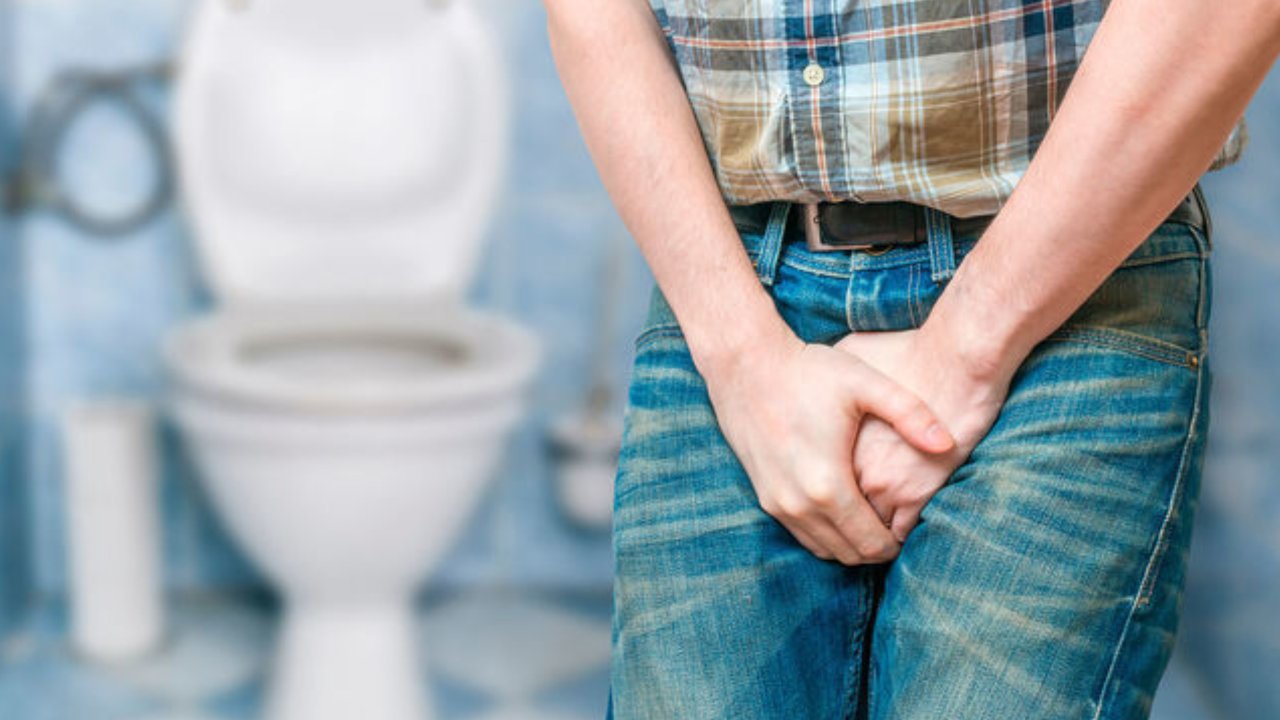 Ayurveda emphasizes maintaining balance in the doshas – Vata, Pitta, and Kapha – to support the healthy functioning of these channels. An imbalance, particularly in Apana Vata, can disrupt urinary flow and create conditions like Mutrakricha (painful urination) and Mutraghata (urinary retention).
Diet, lifestyle, and seasonal changes play a significant role in urinary tract health. Inappropriate food habits, dehydration, and sedentary routines can vitiate the doshas and impair urinary function. On the other hand, regular detoxification, adequate hydration, and the use of specific herbs such as Gokshura, Punarnava, and Varuna help in maintaining optimal urinary tract health.
Understanding Urinary Flow Problems
Urinary difficulties can significantly affect quality of life and are important indicators of deeper imbalances in the body. Ayurveda and modern medicine offer complementary perspectives to identify and address the root causes.
Symptoms and Warning Signs
Urinary flow problems can present with a range of symptoms, including:
- Hesitancy – Difficulty initiating urination
- Straining – Needing to push or exert pressure to urinate
- Weak Stream – Reduced force of urine flow
- Intermittency – Flow that stops and starts during urination
- Nocturia – Frequent need to urinate at night
- Dysuria – Burning or painful sensation while urinating
- Incomplete Emptying – A Persistent feeling of a full bladder even after urination
These symptoms may occur individually or in combination and often signal a deeper underlying condition.
Root Causes
Modern Medical Perspective
From a biomedical standpoint, common causes include:
- Benign Prostatic Hyperplasia (BPH) – Age-related enlargement of the prostate in men
- Urinary Tract Infections (UTIs) – Infections causing inflammation and irritation
- Neurological Disorders – Conditions like Parkinson’s or spinal injuries that affect bladder control
- Kidney or Bladder Stones – Obstructions that hinder smooth urine flow
- Diabetes and Hypertension – Chronic diseases that impair kidney and bladder function over time
Ayurvedic Perspective
Ayurveda identifies urinary issues as imbalances within the body’s energy systems and tissue functions:
- Vata Imbalance – Leads to dryness, spasms, irregular or obstructed flow
- Kapha Imbalance – Causes blockages due to heaviness and stagnation
- Pitta Imbalance – Results in inflammation, heat, and burning sensations
- Ama (Toxins) – Undigested waste that accumulates and clogs the Mutravaha Srotas (urinary channels)
- Dhatu Kshaya (Tissue Depletion) – Weakening of the body’s tissues, particularly affecting the kidneys and urinary structures
Understanding the root cause from both paradigms can help guide effective, personalized treatment strategies.
Ayurvedic Principles of Urinary Health
In Ayurveda, urinary health is a reflection of systemic balance. The Mutravaha Srotas govern the urinary system—the channels responsible for the formation, transportation, and elimination of urine. The health of these channels depends on the balance of the doshas, proper digestion, and tissue strength.
The Dosha Connection
Each dosha—Vata, Pitta, and Kapha—affects urinary function in distinct ways. Identifying the dominant imbalance helps guide treatment.
1. Vata-Type Urinary Disorders
- Common Symptoms: Scanty urine, urgency, dryness, lower abdominal pain or discomfort, irregular flow
- Ayurvedic Approach: Use warm, oily (unctuous), and grounding therapies to pacify Vata. Herbal oils, warm teas, and a Vata-pacifying diet are key.
2. Pitta-Type Urinary Disorders
- Common Symptoms: Burning sensation during urination, dark yellow or reddish urine, inflammation, fever, strong odor
- Ayurvedic Approach: Emphasize cooling and anti-inflammatory herbs like Chandana (sandalwood), Usheera (vetiver), and Gokshura. Avoid spicy, sour, and acidic foods.
3. Kapha-Type Urinary Disorders
- Common Symptoms: Slow or sluggish urine flow, heaviness, swelling (edema), presence of mucus in the urine, lethargy
- Ayurvedic Approach: Stimulate circulation and reduce excess Kapha using diuretic and drying herbs such as Punarnava, Trikatu, and Varuna. Light, warm foods and regular activity are essential.
Concept of Mutravaha Srotas (Urinary Channels)
The proper functioning of the Mutravaha Srotas depends on several key factors:
- Adequate Hydration (Jala) – Supports smooth urine formation and detoxification
- Balanced Digestive Fire (Agni) – Ensures proper metabolism and prevents the formation of toxins (Ama)
- Effective Elimination (Malotsarga) – Promotes timely and complete removal of waste
- Strength of Body Tissues (Dhatu Bala) – Particularly Medas (fat), Mamsa (muscle), and Rakta (blood), which support kidney and bladder integrity
Top 10 Ayurvedic Herbs for Urine Flow
These herbs are time-tested in Ayurveda for their ability to support urinary tract health, relieve discomfort, and balance renal function.
1. Gokshura (Tribulus terrestris)
Gokshura is a foundational herb in Ayurvedic urology known for enhancing urine flow and strengthening the genitourinary tract. It supports prostate health and reduces urinary retention.
Therapeutic Profile:
- Rasa: Madhura (Sweet), Tikta (Bitter)
- Virya: Shita (Cooling)
- Vipaka: Madhura (Sweet)
- Karma: Mutrala (Diuretic), Vrishya (Aphrodisiac), Balya (Strength-promoting)
Clinical Applications:
- Increases urine volume by 30–40%
- Reduces inflammation in the prostate
- Strengthens bladder (detrusor) muscle tone
Dosage Forms:
- Churna: 3–6 g with warm water
- Kwatha: 50–100 ml, 1–2 times/day
- Tablet: 500 mg, twice daily
Punarnava is revered for its powerful diuretic and anti-inflammatory actions. It is widely used to manage edema, urinary tract infections, and kidney dysfunction.
Therapeutic Profile:
- Rasa: Tikta (Bitter), Kashaya (Astringent)
- Virya: Ushna (Heating)
- Vipaka: Katu (Pungent)
- Karma: Mutrala, Shothahara (Anti-inflammatory), Rasayana (Rejuvenative)
Clinical Applications:
- Reduces fluid retention and swelling
- Useful in recurrent urinary tract infections
- Supports overall kidney health
Dosage Forms:
- Churna: 3–5 g
- Decoction: 50–100 ml
- Tablet: 250–500 mg, twice daily
3.Varuna (Crataeva nurvala)
Varuna is a classical litholytic herb used to manage urinary stones and promote bladder health. It is especially useful for BPH and recurrent urinary discomfort.
Therapeutic Profile:
- Rasa: Tikta, Katu
- Virya: Ushna
- Vipaka: Katu
- Karma: Mutrala, Ashmaribhedana (Breaks stones), Lekhana (Scraping)
Clinical Applications:
- Helps break down and expel kidney/bladder stones
- Reduces prostate-related urinary symptoms
- Eases painful or obstructed urination
Dosage Forms:
- Decoction: 50 ml twice daily
- Tablet/Capsule: 250–500 mg, twice daily
4. Palasha (Butea monosperma)
Palasha is traditionally used to cleanse and detoxify the urinary system. It has diuretic and antimicrobial properties beneficial in UTIs and urinary irritation.
Therapeutic Profile:
- Rasa: Tikta, Kashaya
- Virya: Ushna
- Vipaka: Katu
- Karma: Krimighna (Antiparasitic), Mutrala, Shothahara
Clinical Applications:
- Helps flush urinary toxins and pathogens
- Useful in foul-smelling or cloudy urine
- Aids in inflammatory urinary conditions
Dosage Forms:
- Powder or Decoction of bark or flower: 3–6 g
5. Pashanabheda (Bergenia ligulata)
Known as the “stone breaker,” Pashanabheda is widely used to dissolve urinary calculi. It is cooling, anti-inflammatory, and protective to urinary mucosa.
Therapeutic Profile:
- Rasa: Tikta, Kashaya
- Virya: Shita
- Vipaka: Katu
- Karma: Ashmarighna (Litholytic), Mutrala, Shothahara
Clinical Applications:
- Dissolves and expels kidney and bladder stones
- Reduces burning and painful urination
- Supports smooth urine flow
Dosage Forms:
- Decoction: 50–100 ml
- Extract or Capsules: 250–500 mg, twice daily
6. Shilajit (Mineral Pitch)
Shilajit is a rejuvenative substance that nourishes and revitalizes the urinary and reproductive systems. It enhances strength, libido, and urinary function.
Therapeutic Profile:
- Rasa: Katu, Tikta
- Virya: Ushna
- Vipaka: Katu
- Karma: Balya (Strengthening), Rasayana, Mutrala, Medohara (Fat-reducing)
Clinical Applications:
- Tonifies urinary tract and improves flow
- Alleviates symptoms of prostate enlargement
- Enhances urinary and sexual vigor
Dosage Forms:
- Resin or Capsule: 250–500 mg daily
7. Chandana (Santalum album)
Chandana (Sandalwood) is known for its cooling, anti-inflammatory properties, especially useful in conditions involving burning urination or heat in the urinary tract.
Therapeutic Profile:
- Rasa: Tikta, Madhura
- Virya: Shita
- Vipaka: Katu
- Karma: Mutrala, Pittahara (Pitta-balancing), Dāhaprashamana (Relieves burning)
Clinical Applications:
- Relieves burning urination
- Soothes inflammation and heat in UTIs
- Calms aggravated Pitta in the urinary system
Dosage Forms:
- Powder or Decoction: 3–5 g or 30–50 ml
8. Guduchi (Tinospora cordifolia)
Guduchi is a powerful immune-enhancing and detoxifying herb. It aids in chronic and recurrent UTIs and supports renal tissue regeneration.
Therapeutic Profile:
- Rasa: Tikta, Kashaya
- Virya: Ushna
- Vipaka: Madhura
- Karma: Rasayana, Mutrala, Jwaraghna (Antipyretic), Shothahara
Clinical Applications:
- Reduces infection and strengthens immunity
- Supports renal cleansing and tissue repair
- Prevents recurrence of UTIs
Dosage Forms:
- Juice or Extract: 15–30 ml daily
- Tablet: 500 mg, twice daily
9. Daruharidra (Berberis aristata)
Daruharidra is a potent bitter tonic with antimicrobial and anti-inflammatory effects. It is effective in UTIs, pus cells in urine, and urinary irritation.
Therapeutic Profile:
- Rasa: Tikta, Kashaya
- Virya: Ushna
- Vipaka: Katu
- Karma: Krimighna (Antimicrobial), Raktashodhaka (Blood purifier), Mutrala
Clinical Applications:
- Kills urinary pathogens and clears infections
- Reduces pus cells and urinary tract inflammation
- Useful in chronic cystitis and pyuria
Dosage Forms:
- Decoction: 50–100 ml
- Extract or Tablet: 250–500 mg, twice daily
10. Kusha (Desmostachya bipinnata)
Kusha is a sacred grass with cooling, soothing, and diuretic properties. It is traditionally used in Pitta-aggravated urinary disorders like burning micturition and dysuria.
Therapeutic Profile:
- Rasa: Kashaya, Tikta
- Virya: Shita
- Vipaka: Katu
- Karma: Mutrala, Tridoshahara (Balances all three doshas)
Clinical Applications:
- Cools the urinary system and reduces heat
- Useful in painful, scanty, or burning urination
- Traditionally used in ayurvedic rituals for urogenital cleansing
Dosage Forms:
- Fresh Juice or Decoction: 30–50 ml
Ayurvedic Formulations for Urinary Health
These classical medicines combine herbs synergistically to treat complex urinary conditions such as mutrakrichra (painful urination), ashmari (stones), and mutraghata (urinary retention).
1. Gokshuradi Guggulu
- Ingredients: Gokshura, Guggulu, Triphala, Trikatu
- Uses: Urinary tract infections, kidney stones, cystitis, prostatitis
- Dose: 500 mg – 1 g twice daily
2. Chandraprabha Vati
- Ingredients: Shilajit, Guggulu, Haridra, Musta, etc. (23+ herbs)
- Uses: Urinary disorders, diabetes, prostate enlargement, urinary retention
- Properties: Diuretic, anti-inflammatory, urinary antiseptic
- Dose: 1–2 tablets twice daily
3. Varunadi Kashayam
- Ingredients: Varuna, Gokshura, Punarnava
- Uses: Renal calculi, difficulty urinating, kidney/bladder inflammation
- Form: Decoction
- Dose: 15–30 ml with warm water
- Ingredients: Punarnava, Trivrit, Triphala, Mandura Bhasma (iron oxide)
- Uses: Anemia with fluid retention, urinary problems
- Note: Especially useful in patients with low hemoglobin and edema
- Dose: 1–2 tablets twice daily
5. Himshara Churna / Ashmarihara Kashaya
- Purpose: Stone dissolution, prevention of recurrence
- Contents: Pashanabheda, Varuna, Gokshura, Yavakshara
- Use: Kidney/bladder stone management
Clinical Pearls (Traditional Guidance)
- Herbs like Punarnava and Gokshura are often prescribed long-term for kidney support.
- Chandraprabha Vati is a broad-spectrum remedy for most genitourinary disorders.
- Use Varunadi or Pashanabhedadi decoctions for acute urinary infections or stones.
- Ensure proper hydration, light diet, and lifestyle as per Svastavritta for optimal results.
Integrative Treatment Approaches for Urinary Health
A holistic plan integrates diet, lifestyle, yoga, and marma therapy to strengthen urinary function, reduce inflammation, and support long-term balance.
1. Dietary Guidelines
Beneficial Foods
Support hydration, reduce inflammation, and gently detoxify the kidneys:
- Cucumber: ~90% water, rich in silica, supports kidney filtration and cooling of the urinary tract.
- Barley (Yava): A revered diuretic grain in Ayurveda, promotes urination, reduces swelling, and cleanses channels (srotas).
- Coconut Water: Natural electrolyte balancer, soothes burning micturition, and flushes toxins (ama) from the urinary tract.
2. Food Combinations to Avoid
Prevent digestive toxins (ama) and reduce urinary tract congestion by avoiding:
- Dairy with salty or sour foods: (e.g., milk with pickles or yogurt with meat)
- Cold drinks during or after meals: Impairs Agni (digestive fire), leads to stagnation and toxin buildup.
- Incompatible protein combinations: Such as eggs with milk, fish with curd, or meat with lentils – increases metabolic residue.
3. Daily Routine (Dinacharya) for Urinary Balance
Establishing a routine enhances detox and supports urinary tract tone.
- Morning: Warm water with lemon juice – activates digestion and flushes overnight toxins.
- Midday: Herbal diuretic tea – e.g., coriander, cumin, fennel tea or punarnava infusion.
- Evening: Light dinner with kidney-supporting vegetables like ash gourd, bottle gourd, or pumpkin.
3. Yoga Therapy Protocol
Asanas (Postures)
Improve circulation to the kidneys, bladder, and lower abdomen:
- Supta Baddha Konasana (Reclining Bound Angle Pose) – 30-second hold
Opens the pelvic area, relieves tension in the bladder. - Ardha Matsyendrasana (Half Spinal Twist) – Hold each side 30–60 seconds
Stimulates abdominal organs and improves urinary tract tone.
Pranayama (Breathing Techniques)
- Nadi Shodhana (Alternate Nostril Breathing) – 5 minutes
Balances the nervous system and reduces stress-related urinary disorders. - Bhramari (Humming Bee Breath) – 3 minutes
Soothes the mind and pelvic floor tension, helpful in overactive bladder.
Marma Therapy (Vital Points Stimulation)
- Basti Marma – Located 4 fingers above the pubic bone
Stimulates bladder energy; can be gently massaged with warm oil. - Kukundara Marma – Located in the buttock crease (sciatic region)
Influences pelvic organs, useful in urinary retention and lower back-linked disorders.
Case Studies and Clinical Evidence
Clinical Trial Data
Study 1: Gokshura (Tribulus terrestris) in Benign Prostatic Hyperplasia (BPH)
- Study Design: A randomized controlled trial comparing a Tribulus terrestris-based formulation to tamsulosin in men aged over 50 with BPH.pubmed.ncbi.nlm.nih.gov
- Findings: The Tribulus-based formulation demonstrated comparable efficacy to tamsulosin in improving urinary symptoms associated with BPH.
- Reference: Mani J, Kumar S, Dobos GJ, Haferkamp A. Comparison of Murraya koenigii- and Tribulus terrestris-based oral formulation versus tamsulosin in the treatment of benign prostatic hyperplasia in men aged >50 years: a double-blind, double-dummy, randomized controlled trial. Urologe A. 2012 Dec;51(12):1663-73. doi: 10.1007/s00120-012-3063-7.pubmed.ncbi.nlm.nih.gov
Study 2: Varuna (Crataeva nurvala) in Urinary Tract Infections (UTIs)
- Study Design: An open-label trial involving 84 patients with UTIs treated with Crataeva nurvala stem bark decoction. medicalnewstoday.com+31library.net+3bioseek.eu+3
- Findings: 55% of patients experienced complete relief, and 40% showed improvement in symptoms. 1library.net
- Reference: Deshpande PJ, Sahu M, Kumar P. Crataeva nurvala Hook and Forst. (Varuna)—The Ayurvedic drug of choice in urinary disorders. Indian J Med Res 76 (suppl. December):46-53 (1982).1library.net
Patient Success Stories
- Case 1: A 65-year-old male with BPH showed significant improvement in urinary flow and reduction in nocturia after a 12-week regimen of Gokshuradi Guggulu combined with lifestyle modifications.
- Case 2: A 40-year-old female with recurrent UTIs experienced rapid symptom relief and no recurrence over a 6-month period using Varunadi Kashayam and dietary adjustments.
Note: These cases are based on clinical observations and are not part of formal clinical trials.
When to Seek Professional Help
1. Red Flags Requiring Immediate Medical Attention
If you experience any of the following symptoms, seek emergency care—these may indicate serious or acute conditions requiring urgent intervention:
- Complete urinary retention: Inability to pass urine despite the urge may indicate obstruction or a neurological issue.
- Blood in the urine, accompanied by fever, could suggest a kidney infection or severe urinary tract infection (UTI).
- Sudden and severe kidney pain: May be a sign of renal colic, stones, or acute kidney pathology.
2. Signs Indicating Need for Ayurvedic Consultation
If symptoms are chronic, recurrent, or unresponsive, consult an Ayurvedic practitioner for personalized assessment and treatment:
- Symptoms persisting longer than 2 weeks: Includes burning, frequency, discomfort, or incomplete voiding.
- Recurrent urinary tract infections (UTIs): Repeated infections may signal an underlying imbalance or anatomical issue.
- Worsening urine flow despite home or herbal care: Could suggest progressive pathology requiring deeper detox or rasayana therapy.
Note: Ayurveda emphasizes early intervention, especially when symptoms are mild but lingering. Delayed care can allow imbalances (doshas) to deepen and become harder to treat.
Prevention and Maintenance
Seasonal Regimens
- Summer: Increased hydration with cooling herbs
- Monsoon: Detoxification protocols
- Winter: Warming therapies for Vata
Long-term Support Strategies
- Quarterly Panchakarma
- Regular Abhyanga with herbal oils
- Rasayana therapies
(FAQ’s)
1. Which Ayurvedic medicine is best for urination?
Chandraprabha Vati and Gokshuradi Guggulu are two of the most commonly used classical Ayurvedic formulations to support healthy urination and manage urinary tract disorders.
2. What is the best remedy for urine flow?
A combination of Punarnava, Gokshura, and Varuna herbs—taken as decoction or in compound formulas—can enhance urine flow naturally.
3. How to increase urine output in Ayurveda?
Use diuretic herbs (Mutravirechaniya Dravyas) like Punarnava, Barley water, Triphala, and coriander seed tea, along with increased hydration and a light diet.
4. What is the best medicine for weak urine flow?
Gokshuradi Guggulu, Varunadi Kashayam, and Shilajit resin are effective in improving flow and reducing obstruction in urinary pathways.
5. What to drink to improve urine flow?
Drink barley water, coconut water, cucumber juice, or herbal teas made from coriander, fennel, or punarnava for natural diuresis.
6. What is the fastest home remedy for urine?
A quick remedy includes warm coriander seed water or jeera (cumin) decoction, which can stimulate urine flow and reduce discomfort.
7. Which drink is good for frequent urination?
Coconut water and ash gourd juice help soothe an overactive bladder. Avoid caffeine, alcohol, and cold drinks, which can worsen symptoms.
8. How to stop weak urine flow?
Along with herbal support, perform Ardha Matsyendrasana and Basti marma stimulation, avoid cold foods, and consult an Ayurvedic physician for dosha-specific guidance.
9. How can I increase my urination naturally?
Increase intake of warm water, add Punarnava decoction, and include diuretic foods like radish, gourd vegetables, and barley in your diet.
10. Which syrup is best for urine flow?
Ayurvedic syrups like Cystone (Himalaya) or Neeri Syrup (Aimil) are widely used for improving urine flow and reducing urinary discomfort.
11. What is the herbal medicine for urine?
Herbs like Punarnava, Gokshura, Varuna, and Pashanabheda are key urinary support herbs, used in both single and compound forms.
12. Which tablet increases urine?
Tablets like Chandraprabha Vati and Gokshuradi Guggulu are commonly prescribed for increasing urine output and improving bladder function.
Urinary health is deeply connected to the balance of doshas, especially Apana Vata and Mutravaha Srotas. Ayurveda offers time-tested herbs like Punarnava, Gokshura, and Varuna, along with classical formulations such as Chandraprabha Vati and Gokshuradi Guggulu, to naturally enhance urine flow and support kidney-bladder function.