
What Should You Eat in Winter According to Ayurveda?

In Ayurveda, winter is categorized into two seasons: Hemanta Ritu (early winter, November–December) and Sisira Ritu (late winter, January–February). This time is marked by cold, dry weather, which significantly affects the body’s doshic balance. The digestive fire (Agni) is naturally stronger in winter, making it an ideal season to nourish the body with warm, hearty foods such as ghee, root vegetables, whole grains, nuts, dairy, and spices like ginger, cinnamon, and black pepper. As Kapha dosha begins to accumulate during the later part of winter, it’s important to stay physically active, use dry powders for massage (udvartana), and perform warm oil massages (abhyanga) to maintain balance and circulation.
The cold and dryness can aggravate Vata, so following a consistent daily routine (dinacharya), keeping warm, and getting adequate rest are essential. Winter is a time for building strength, immunity, and mental clarity when approached with mindful seasonal living.
How Winter Affects Vata, Pitta, and Kapha
The winter season significantly impacts the balance of the three fundamental energies (Doshas) in Ayurveda: Vata, Pitta, and Kapha.
- Vata dosha: Composed of air and space, tends to increase during winter due to the cold, dry, and windy environment. This can lead to symptoms like dryness, stiffness, anxiety, and poor circulation if not balanced.
- Pitta dosha: Made of fire and water, naturally decreases in the cold season, reducing internal heat and inflammation.
- Kapha dosha: Composed of earth and water, it begins to accumulate—especially in late winter—resulting in heaviness, congestion, lethargy, and increased mucus production if left unchecked.
Balancing the doshas through warm, nourishing foods, regular movement, oil massage, and routine is essential to maintain harmony and prevent seasonal imbalances.
How Winter Enhances Agni in Ayurveda
In Ayurveda, Agni—your digestive fire—is considered the cornerstone of good health. Interestingly, winter is one of the best times to support and strengthen your Agni. Why? Because the cold external temperatures cause the body to conserve heat and energy internally, which naturally intensifies digestive power.
With this enhanced Agni, your appetite increases, digestion becomes more efficient, and your body is better equipped to absorb nutrients from food. This makes winter the ideal season to enjoy heavier, more nourishing meals—think warm soups, ghee, root vegetables, whole grains, nuts, and spices like ginger and cinnamon.
Stronger Agni also supports the building of dhatus (body tissues), enhances immunity, and promotes overall vitality. However, it’s important to eat mindfully. Overeating, irregular meals, or processed foods can still disrupt Agni, even in winter.
By aligning your diet and lifestyle with the season, you can make the most of winter’s natural gift: a stronger, more resilient digestive fire.
Recommended Foods for Winter (Ayurvedic Perspective)
Winter, or Hemanta Ritu, is dominated by the cold (Sheet) and dry (Ruksha) qualities of Vata dosha. However, the digestive fire (Agni) is at its peak during this time, allowing the body to digest heavier and more nourishing foods.
Ayurveda encourages the intake of Snigdha (unctuous), Ushna (warm), and Guru (heavy) foods during winter to maintain strength, vitality (Ojas), and balance.
1. Warm, Cooked Meals (Ushna & Snigdha)
Warm, freshly cooked meals pacify Vata and enhance Agni. They bring stability, comfort, and nourishment during the colder months.
- Soups and stews made with seasonal vegetables, pulses, and spices balance Vata and nourish Dhatus (tissues).
- Spiced porridge made from oats or rice balances dryness and supports Kapha.
- Khichdi, a sattvic and tridoshic preparation, made with ghee, moong dal, and rice, provides grounding energy and is easy to digest.
These foods carry Madhura (sweet) and Lavana (salty) rasas, which are ideal during winter to build strength and counteract the roughness of Vata.
2. Healthy Fats (Snigdha & Guru)
Fats are deeply nourishing to the Shukra Dhatu (reproductive tissue) and enhance Ojas – the essence of vitality and immunity. Fats lubricate the body, calm the nervous system, and insulate against cold.
- Ghee – Considered the best fat in Ayurveda, ghee enhances Agni, nourishes the mind (Sattva), and strengthens all tissues.
- Sesame oil – With its Ushna Virya (hot potency), it’s ideal for both internal and external use in winter.
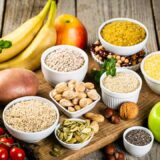
- Almonds, walnuts, flaxseeds – Nutritious and grounding, best soaked overnight and consumed in moderation.
- Avocados – Moistening and building (Brimhana), suitable for Vata types when ripe and well-digested.
3. Root Vegetables (Prithvi Mahabhuta-Rich Foods)
Root vegetables are naturally heavy (Guru) and grounding (Sthira), aligning with the Earth element. They balance Vata and provide energy to counter winter lethargy.
- Carrots & Beets – Sweet and slightly pungent, they support Rakta Dhatu (blood tissue).
- Sweet potatoes – Nourishing and Madhura Rasa, excellent for Vata pacification.
- Turnips & Radishes – Slightly pungent, they stimulate digestion and reduce Kapha buildup if taken in moderation.
Best consumed roasted or stewed with warming spices to enhance their digestibility (Deepana and Pachana).
4. Whole Grains (Sthira & Guru)
Grains offer sustained energy, nourish Mamsa (muscle tissue), and are grounding. When cooked with water and spices, they become more digestible.
- Brown rice – Tridoshic when well-cooked with ghee and cumin.
- Quinoa & millet – Light but strengthening; suitable for Kapha types.
- Oats – Sweet in taste, slightly heavy, ideal for Vata types when cooked into a soft porridge with milk or water.
Avoid puffed, dry cereals, which may increase Ruksha (dryness) and Vata.
5. Legumes (Balancing with Spices)
Legumes are rich in protein and fiber, but can be drying and gas-forming (Vata-provoking) if not properly prepared. Use digestive spices and ghee to make them Vata-friendly.
- Moong dal – Light and Sattvic; excellent for all doshas.
- Red lentils – Easy to digest and suitable for daily use.
- Chickpeas – Heavier and more Kapha-provoking; best consumed with hing (asafoetida), ginger, and cumin to reduce Ama (toxins).
6. Dairy (If Digested Well – Brimhana & Ojas-Building)
Dairy is Brimhana (building) and Snigdha (unctuous) – ideal qualities for winter nourishment, provided it is well-digested.
- Warm cow’s milk with turmeric, cardamom, or nutmeg supports restful sleep and Ojas development.
- Homemade paneer (soft cheese) cooked with digestive spices is easier to digest and offers strength (Bala).
Avoid cold or sour dairy like yogurt at night as it may aggravate Kapha and Ama.
7. Warming Spices (Agni Deepana & Vata-Shamana)
Spices kindle Agni, improve nutrient absorption, and prevent congestion. They bring heat (Ushna Virya) and clarity during cold, foggy winters.
- Ginger – Especially dry ginger (Shunthi) is excellent for digestion and warming.
- Cinnamon & Cloves – Stimulate circulation and reduce Kapha.
- Turmeric – Cleanses the blood and supports immunity.
- Cumin, black pepper, cardamom – Aid digestion, reduce bloating, and harmonize food.
Spice-infused teas and meals keep the digestive fire strong and prevent sluggishness.
8. Seasonal Fruits (Sweet & Nourishing)
In winter, fruits that are Madhura Rasa (sweet), cooked or stewed, and consumed warm are best for preserving Agni and preventing cold imbalances.
- Stewed apples and pears with cinnamon and ghee nourish the digestive system.
- Dates and figs – Excellent Rasayana foods that enhance vitality and help build Ojas.
- Cooked berries – Astringent but rich in antioxidants; best consumed warm to prevent Kapha imbalance.
Avoid raw, sour, or refrigerated fruits that can weaken Agni or increase mucus.
Foods to Avoid in Winter (According to Ayurveda)
Winter is a season dominated by Vata (cold, dry, rough) and, in the later phase, Kapha (cold, heavy, moist) qualities. To maintain balance and prevent seasonal imbalances such as dry skin, constipation, fatigue, congestion, and sluggish digestion, Ayurveda advises avoiding foods that increase these doshas.
1. Cold and Raw Foods
- Foods like raw salads, raw vegetables, and fruit smoothies possess the cold and rough qualities of Vata.
- These foods weaken Agni (digestive fire) and can lead to bloating, gas, and irregular digestion.
2. Ice-Cold Drinks & Frozen Desserts
- Cold beverages, ice cream, and frozen yogurt dull Agni, slow metabolism, and increase mucus (Kapha).
- They can lead to feelings of heaviness, congestion, and poor circulation.
3. Dry, Light Snacks
- Popcorn, rice cakes, crackers, and puffed grains are excessively dry (Ruksha) and light (Laghu), which aggravates Vata dosha.
- These foods may cause dryness of skin, lips, and joints, and contribute to restlessness or anxiety.
4. Excess Caffeine
- Beverages like strong coffee or energy drinks are drying, stimulating, and depleting to Ojas (vital energy).
- They may disturb sleep, increase anxiety, and cause dehydration, especially during cold, dry weather.
5. Cold or Sour Dairy Products
- Cold yogurt, aged cheese, and sour cream can aggravate Kapha, leading to mucus accumulation, sinus congestion, and sluggishness.
- Ayurveda especially discourages curd (yogurt) at night or during winter due to its Amla Rasa (sour taste) and mucus-forming nature.
Hydration in Winter (Ayurvedic Recommendations)
Even in cold weather, maintaining proper hydration is vital for supporting Agni, keeping the channels (Srotas) clear, and preventing dryness. However, Ayurveda emphasizes how and what we drink, especially in winter.
1. Warm Water Throughout the Day
- Warm water helps kindle Agni, supports detoxification, and prevents internal dryness.
- Sip slowly rather than gulping large quantities to avoid burdening digestion.
2. Herbal Teas (Tisanes)
Choose warming and digestive herbs:
- Ginger tea – stimulates Agni and clears coldness.
- Tulsi (Holy Basil) – balances Kapha, supports lungs, and boosts immunity.
- Cinnamon – circulatory stimulant and Kapha-reducing.
- Fennel – soothes digestion and reduces bloating.
These teas are excellent for balancing both Vata and Kapha and can be sipped throughout the day.
3. Avoid Cold, Carbonated, or Sugary Drinks
- Cold and fizzy drinks extinguish digestive fire and promote Ama (toxins).
- Sugary beverages disturb metabolic balance and increase Kapha, leading to sluggishness and weight gain.
Ayurvedic Winter Detox Tips
Winter is not the ideal time for intense detoxification, but it is perfect for gentle cleansing that strengthens digestion, prevents toxin (Ama) buildup, and balances Vata and Kapha doshas. Since Agni (digestive fire) is strongest during this season, Ayurveda recommends mild, nourishing detox practices that purify without depleting.
1. Strengthen Digestive Fire (Agni Deepana & Ama Pachana)
A healthy Agni is the foundation of all detox in Ayurveda. When your digestive fire is strong, your body naturally burns off toxins.
Tips:
- Start your day with warm lemon water or ginger tea.
- Add spices like cumin, black pepper, turmeric, and ajwain to your meals to improve digestion.
- Use Trikatu (a mix of ginger, black pepper, and long pepper) before meals if digestion feels sluggish.
2. Sip Detoxifying Herbal Teas
Warm herbal infusions flush toxins and support digestion without stressing the system.
Recommended Herbal Teas:
- Ginger + fennel + coriander tea – Tridoshic and deeply detoxifying
- Tulsi (holy basil) tea – Clears respiratory passages and supports Kapha balance
- Cinnamon + clove + cardamom – Stimulates circulation and aids in breaking down Ama
Sip these teas throughout the day, especially after meals.
3. Eat Light, Warm, and Nourishing Foods
A simple, sattvic diet helps reset digestion and naturally clears toxins without fasting.
Best Detoxifying Foods for Winter:
- Khichdi (mung dal + rice + spices + ghee)
- Steamed or sautéed seasonal vegetables (especially carrots, beets, spinach, and squash)
- Mung bean soup with warming spices
- Warm herbal broths with turmeric, black pepper, and ginger
Avoid processed foods, leftovers, refined sugars, and dairy during a detox phase.
4. Support Elimination (Malas Shodhana)
Proper bowel movements are essential for detoxification. If elimination is sluggish, gentle Ayurvedic herbs can help.
Natural Ayurvedic Supports:
- Triphala powder (1/2 tsp with warm water before bed) – supports regular elimination and deep cleansing
- Castor oil (once a week, in very small doses under guidance) – traditional remedy for deeper clearing, especially of Vata
- Increase hydration with warm water and teas
5. Practice Gentle Movement and Yoga
Physical movement helps stimulate circulation, sweat out toxins, and awaken sluggish winter energy.
Recommended:
- Sun salutations (Surya Namaskar) to generate inner heat
- Twisting yoga poses to stimulate digestion and elimination
- Pranayama (breathwork) such as Nadi Shodhana (alternate nostril breathing) and Kapalabhati (cleansing breath)
- Daily walking in sunlight to counter Kapha dullness
6. Daily Oil Massage (Abhyanga)
Self-massage with warm oil is a powerful detox practice in Ayurveda. It moves lymph, calms the nervous system, and lubricates tissues.
How to Practice:
- Use warm sesame oil (Vata/Kapha) or almond oil.
- Massage head to toe before bathing.
- Follow with a warm shower to remove excess oil and impurities.
7. Prioritize Rest and Regular Routine
Detox isn’t just about what you eat—it’s also about when you rest and how you live.
Tips:
- Sleep by 10 PM to support natural repair and cleansing cycles.
- Wake by 6–7 AM to align with your body’s natural rhythms.
- Eat meals at consistent times, and avoid late-night snacking.
Important Note:
Ayurveda advises avoiding extreme fasting or cold juice cleanses in winter, as these can aggravate Vata, weaken Agni, and leave you more vulnerable to seasonal illness.
Instead, favor warm, cooked, spiced, and nourishing foods and gentle cleansing practices that support immunity, strength, and Ojas.
FAQ’s
1. What should we eat in winter according to Ayurveda?
Ayurveda recommends warm, nourishing foods like ghee, root vegetables, whole grains, and warming spices. These support digestion, balance Vata, and prevent Kapha accumulation.
2. What should I eat when I have a cold in Ayurveda?
Consume warm, light, and easily digestible foods like clear soups, ginger tea, steamed vegetables, and herbal decoctions (kadha). Avoid dairy, cold foods, and heavy or fried meals that increase Kapha and mucus.
3. Which food is best to eat in winter?
- Best winter foods include:
- Root vegetables (carrots, sweet potatoes)
- Warming grains (millet, oats)
- Spices (black pepper, cumin, clove)
- Ghee and healthy oils
- Legumes and lentils
These strengthen Agni (digestive fire) and keep the body warm.
4. Can we eat curd (yogurt) in winter as per Ayurveda?
Curd is generally not recommended in winter, especially at night, as it increases Kapha and can cause mucus or congestion. If consumed, it should be taken during the day with spices like black pepper, and never cold.
5. How should I eat according to the season in winter?
- Follow these principles:
- Eat freshly cooked, warm meals
- Favor sweet, salty, and sour tastes
- Avoid raw, cold, or processed foods
- Stick to regular mealtimes
- Drink warm water or herbal teas throughout the day
6. How to reduce Vata in winter?
To balance increased Vata:
- Eat moist, warm, grounding foods
- Include healthy fats like ghee and sesame oil
- Use warming spices
- Maintain a regular routine
- Practice oil massage (Abhyanga) with sesame oil
7. Is winter considered a Kapha season?
Yes, late winter and early spring are Kapha-dominant. Symptoms like heaviness, sluggishness, and mucus accumulation may arise. Eating lighter, spiced foods and staying active helps keep Kapha in check.
8. How can I stay healthy in winter according to Ayurveda?
- Eat seasonally appropriate foods
- Keep your Agni strong
- Dress warmly and stay active
- Perform a daily oil massage
- Follow a consistent sleep and eating routine
9. What are “cold foods” in Ayurveda, and should I avoid them?
Cold foods refer to those that cool the body or are served cold, like ice cream, cold milk, raw salads, and chilled drinks. These should be avoided in winter as they can weaken digestion and increase Kapha.
Following Ayurvedic dietary principles during winter helps support your body’s natural rhythms and maintain balance amid colder, drier conditions. By choosing warm, nourishing, and easily digestible foods you can strengthen your digestion, boost immunity, and stay energized throughout the season.
























good knowledgeable