
Ayurvedic Home Remedies for Cholera: Causes, Treatment & Prevention

Cholera, an acute diarrheal illness, remains a feared disease throughout history. Caused by Vibrio cholerae, it can rapidly lead to severe dehydration and death without treatment. Modern medicine reduces mortality through ORS and antibiotics today. However, cholera still threatens regions with poor sanitation and limited access to clean water. These conditions allow outbreaks to spread quickly, affecting vulnerable populations and increasing health challenges despite advances in prevention and disease control.
Ayurveda describes cholera through Visuchika and severe Atisara concepts. It links the illness to disrupted Agni and Ama accumulation, viewing disease as an imbalance rather than only a pathogen infection. This perspective highlights digestive health.
The Ayurvedic approach to cholera focuses on three primary goals: immediate rehydration (using herbal waters), the elimination of toxins from the gut, and the gradual restoration of digestive fire.
This comprehensive guide explores the causes, symptoms, Ayurvedic perspective, and a detailed array of Ayurvedic home remedies, dietary guidelines, and prevention strategies for managing cholera.
Understanding Cholera: A Modern Medical Overview
To effectively combat cholera, one must understand how it operates within the human body. The Vibrio cholerae bacterium is typically transmitted through the fecal-oral route. This means the bacteria are ingested via contaminated water or food.
Once the bacteria enter the small intestine, they begin to multiply and produce a potent toxin known as Cholera Toxin (CT).
This toxin binds to the intestinal walls and triggers a massive outpouring of water and electrolytes (sodium, chloride, potassium, and bicarbonate) from the blood into the intestinal lumen.
This mechanism leads to the hallmark symptom of cholera: sudden, painless, profuse, “rice-water” stools.
Because the loss of fluids is so rapid—often amounting to liters per hour—the body goes into severe hypovolemic shock, leading to organ failure and death if the fluids are not replaced.
Common Symptoms of Cholera:
- Sudden onset of profuse, painless, watery diarrhea (often described as having a “fishy” odor and resembling water in which rice has been boiled)
- Nausea and vomiting, which begin early in the illness
- Severe dehydration (extreme thirst, dry mucous membranes, dry skin)
- Muscle cramps (due to the rapid loss of potassium and sodium)
- Sunken eyes, hollow cheeks
- Decreased urination or absence of urine (oliguria or anuria)
- Low blood pressure (hypotension)
- Rapid heart rate (tachycardia)
- Lethargy, confusion, or coma in severe cases
The Ayurvedic Perspective: Visuchika and Agnimandya
In Ayurveda, health is defined as the state of equilibrium of the three doshas (Vata, Pitta, Kapha), the seven tissues (Dhatus), the digestive fire (Agni), and the waste products (Malas), coupled with a happy state of the soul, senses, and mind. Disease occurs when this balance is disrupted.
Ayurvedic texts describe a condition that perfectly mirrors the clinical presentation of cholera, known as Visuchika. The word is derived from Vishuchi, which refers to a twisting, gripping, or colicky pain in the abdomen, accompanied by severe vomiting and diarrhea.
The Pathogenesis (Samprapti) of Visuchika
According to Ayurveda, the root cause of Visuchika is Agnimandya—a weakened or suppressed digestive fire.
When Agni is weak, the food we eat is not properly digested. Instead of turning into nourishing bodily tissues, the food ferments and turns into a toxic, sticky substance called Ama.
When a person consumes contaminated water or food (referred to in Ayurveda as Jala Dosha or Viruddha Ahara—incompatible or unhygienic food), the already weakened Agni is completely extinguished. The Ama mixes with the doshas and spreads rapidly through the gastrointestinal tract.
Dosha Involvement
While all three doshas can be involved, the primary culprits in cholera are Vata and Pitta, with a secondary involvement of Kapha in the later stages.
- Vata Dosha: Vata is the principle of movement. In cholera, vitiated Vata causes the sudden, gushing, explosive nature of the diarrhea and the severe muscle cramps. Vata’s dryness contributes to the extreme dehydration.
- Pitta Dosha: Pitta governs heat and transformation. The inflammatory response, the burning sensation in the stomach, the fever that sometimes accompanies cholera, and the rapid metabolic disruption are driven by aggravated Pitta.
- Kapha Dosha: Kapha is responsible for the profuse, watery, mucus-laden nature of the “rice-water” stools.
When all three doshas are severely deranged simultaneously, the condition is called Sannipataja Visuchika, which is considered highly dangerous and difficult to treat.

Root Causes and Risk Factors
Understanding the causes of cholera requires looking at both modern epidemiology and Ayurvedic lifestyle factors.
Modern Causes & Risk Factors:
- Contaminated Water Sources: Drinking from untreated wells, rivers, or lakes polluted by sewage.
- Contaminated Food: Eating raw or undercooked seafood (especially shellfish) from polluted waters, or raw fruits and vegetables washed with contaminated water.
- Poor Sanitation: Lack of proper sewage disposal systems.
- Overcrowding: Refugee camps, slums, and areas with high population density and poor hygiene.
- Low Stomach Acid: Individuals who take antacids or have undergone gastric surgery are at higher risk because stomach acid usually kills the Vibrio cholerae bacteria.
Ayurvedic Causes (Nidana):
- Mithya Ahara (Wrong Diet): Consuming heavy, oily, cold, stale, or spoiled food. Eating when the previous meal is not yet digested.
- Viruddha Ahara (Incompatible Food Combinations): Mixing foods that clash in nature (e.g., milk with fish, cold drinks with hot meals), which confuses Agni and creates Ama.
- Jala Dosha (Impure Water): Drinking water that is muddy, stagnant, or exposed to pathogens.
- Ati Vyayama (Overexertion) and Ati Trishna (Excessive Thirst): Weakening the body’s vital reserves (Ojas) through extreme physical labor and then drinking large amounts of water, which further drowns the digestive fire.
- Manasika Bhavas (Psychological Factors): Extreme fear, grief, or anxiety can directly suppress Agni and vitiate Vata dosha.
The Crucial Warning: When to Seek Immediate Medical Help
Before delving into Ayurvedic remedies, it is imperative to understand that cholera is a medical emergency. The primary cause of death in cholera is dehydration, not the bacteria itself.
While Ayurvedic herbs are excellent for killing pathogens, soothing the gut lining, and restoring digestion, they cannot replace the rapid volume expansion required in severe cholera.
You must go to a hospital immediately if the patient exhibits:
- Inability to keep any liquids down (severe vomiting)
- Extreme lethargy, unresponsiveness, or confusion
- Absence of urine for more than 6 hours
- Very rapid heartbeat and very low blood pressure
- Wrinkled, loose skin that does not bounce back when pinched (skin tenting)
In a hospital setting, the patient will be given Intravenous (IV) Ringer’s Lactate or Normal Saline to restore blood volume, alongside WHO-approved ORS.
Ayurvedic remedies should be used in conjunction with these lifesaving measures to speed up recovery and heal the damaged intestinal epithelium.

Ayurvedic Home Remedies for Cholera (Supportive Care)
Once the immediate threat of fatal dehydration is managed through ORS or IV fluids, Ayurvedic home remedies can be introduced to stop the diarrhea, eradicate the underlying infection, flush out Ama, and soothe the inflamed gut.
1. The Holy Basil (Tulsi) and Ginger Decoction
Tulsi (Ocimum sanctum) is revered in Ayurveda as an adaptogen and a potent antimicrobial. Ginger (Zingiber officinale) is known as Vishwabheshaja (the universal medicine) and is highly effective at reigniting Agni and eliminating Ama.
- How to Prepare: Boil 10-12 fresh Tulsi leaves and a one-inch piece of crushed fresh ginger in two cups of water. Reduce the liquid to half a cup.
- Usage: Add a pinch of rock salt (Sendha Namak) to this decoction. Sip it warm every few hours.
- Ayurvedic Action: Tulsi destroys the bacteria, while ginger stimulates digestive juices and reduces nausea and vomiting.
2. Lemon Water with Rock Salt
Lemon is highly effective in balancing the vitiated Pitta and Kapha doshas. Its high citric acid content creates an inhospitable environment for the Vibrio cholerae bacteria in the gut.
- How to Prepare: Squeeze the juice of half a lemon into a glass of boiled and cooled water. Add a pinch of rock salt and a pinch of sugar (to provide immediate glucose energy).
- Usage: Drink this 3 to 4 times a day.
- Ayurvedic Action: This acts as a natural, primitive ORS. It replenishes electrolytes (salt), provides instant energy (sugar), and the lemon’s astringent properties help bind the stool.
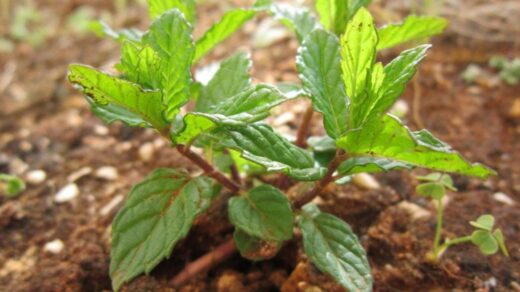
3. Mint (Pudina) and Cumin (Jeera) Water
Mint is a powerful natural coolant that pacifies the burning sensation caused by aggravated Pitta. Cumin seeds are excellent carminatives that relieve bloating and gas.
- How to Prepare: Lightly roast one teaspoon of cumin seeds. Crush them along with a handful of fresh mint leaves. Boil them in two cups of water until the water reduces to one cup. Strain and let it cool to room temperature.
- Usage: Drink small sips throughout the day, especially after a bout of vomiting or diarrhea.
- Ayurvedic Action: Mint inhibits microbial growth and soothes the stomach lining, while cumin restores the rhythmic contractions of the intestines.
4. Bitter Gourd (Karela) Juice
Bitter gourd is a classic Ayurvedic remedy for conditions involving Ama and excess Kapha. Its extremely bitter taste (Tikta Rasa) is known to purify the blood and destroy intestinal parasites and bacteria.
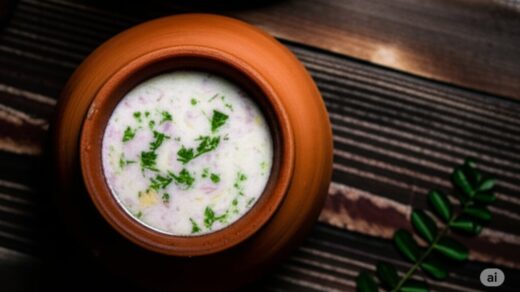
- How to Prepare: Extract the juice of one medium-sized bitter gourd. Add a pinch of black pepper and a tablespoon of plain yogurt (if yogurt is tolerated, otherwise use water).
- Usage: Drink 2 tablespoons of this mixture twice a day.
- Ayurvedic Action: The Tikta (bitter) and Katu (pungent) tastes penetrate deep into the tissues, destroying the bacterial stronghold and absorbing excess intestinal water.
5. Clove (Laung) and Cinnamon (Dalchini) Tea
Both cloves and cinnamon have strong antiseptic, anti-spasmodic, and astringent properties. They are particularly useful when cholera is accompanied by severe abdominal cramps and a feeling of coldness in the body (indicative of high Vata).
- How to Prepare: Boil 3-4 whole cloves and a small piece of cinnamon bark in a cup of water for 10 minutes. Strain the liquid.
- Usage: Drink this warm, taking tiny sips. Do not add milk.
- Ayurvedic Action: Cloves stimulate the production of digestive enzymes, while cinnamon improves circulation and reduces the intestinal spasms that cause cramping.
6. Drumstick (Moringa) Leaf Juice
Moringa leaves are a powerhouse of nutrition, containing high levels of potassium, magnesium, and Vitamin C—exactly what a cholera patient loses through diarrhea.
- How to Prepare: Take a handful of fresh Moringa leaves, crush them, and extract the juice. Mix this juice with an equal amount of honey.
- Usage: Take one tablespoon of this mixture 2-3 times a day.
- Ayurvedic Action: Moringa acts as a natural electrolyte replacer. It is Laghu (light to digest) and Tikta (bitter), making it perfect for clearing toxins without burdening the weakened digestive system.
7. Nutmeg (Jaiphal) Paste
Nutmeg is a heavy, potent herb in Ayurveda, specifically used to stop severe, watery diarrhea (Atisara).
- How to Prepare: Grind a small piece of nutmeg (about the size of a pea) into a fine paste using a few drops of water.
- Usage: Take a tiny pinch (no more than 1/8th of a teaspoon) of this paste with a teaspoon of ripe banana or plain water, twice a day.
- Caution: Nutmeg is very potent and should be used in strictly small quantities. It is highly effective at absorbing water from the intestines and stopping the gushing diarrhea.
8. Onion and Black Pepper
Onions possess strong antibacterial properties, while black pepper is the king of spices for igniting Agni.
- How to Prepare: Grind half an onion into a paste. Mix in 3-4 freshly ground black peppercorns.
- Usage: Consume this paste twice a day.
- Ayurvedic Action: This combination directly targets the Vibrio bacteria in the gut and helps expel them through the stool while reducing the frequency of loose motions.
9. The Ayurvedic “ORS”: Herbal Rice Water (Kanjika)
Long before modern ORS was invented, Ayurveda utilized Kanjika (fermented or plain rice water) to treat severe diarrhea.
- How to Prepare: Boil one cup of white rice in four cups of water until the rice is completely mushy. Strain the water. Add a pinch of rock salt and a pinch of roasted cumin powder.
- Usage: Drink this warm rice water throughout the day.
- Ayurvedic Action: Rice water is rich in starch, which binds the stool. It provides easily absorbable carbohydrates for energy and, when mixed with rock salt, acts as a highly effective, traditional rehydration fluid.
Ayurvedic Dietary Guidelines During and After Cholera
In Ayurveda, diet (Ahara) is considered the foremost medicine. During cholera, the digestive fire (Agni) is practically extinguished.
Forcing heavy foods onto the body will only create more Ama and worsen the condition. Therefore, a strict dietary regimen known as Langhana (lightening therapy) must be observed.
Phase 1: The Acute Stage (Severe Diarrhea and Vomiting)
During this phase, solid food is strictly prohibited. The goal is purely rehydration and flushing out toxins.
- What to Consume: Only liquids. Boiled and cooled water, lemon water with salt and sugar, rice water (Kanjika), coconut water (excellent for potassium replenishment), and thin herbal decoctions.
- How to Consume: Do not gulp large amounts of liquid at once, as this will trigger vomiting. Take small, frequent sips—just a tablespoon or two every 5 to 10 minutes.
Phase 2: The Sub-Acute Stage (Diarrhea Subsiding)
Once the vomiting stops and the frequency of diarrhea decreases to 3-4 times a day, the digestive fire begins to flicker back to life. It must be nurtured gently.
What to Consume:
- Manda: The thin, watery liquid that rises to the top when cooking rice.
- Peya: A thin rice gruel (more liquid than rice, cooked with extra water).
- Vilepi: A thick rice porridge.
- These should be cooked with a pinch of salt, a dash of ginger, and cumin.
Fruits: Ripe bananas (excellent for binding the stool and providing potassium) and pomegranate juice (a renowned Ayurvedic astringent that stops bleeding and diarrhea).
What to Strictly Avoid: Dairy (milk, cheese, yogurt), raw vegetables, whole grains (wheat, lentils), meat, fried foods, and refined sugars.
Phase 3: The Recovery Stage (Restoring Digestive Fire)
As normalcy returns, the patient will feel intense hunger. However, the gut lining is still highly sensitive.
- What to Consume: Gradually introduce Khichdi (a one-pot meal of white rice and split yellow moong dal, cooked soft with turmeric, cumin, and a tiny bit of ghee). Moong dal is the easiest legume to digest.
- Vegetables: Well-cooked, mashed vegetables like bottle gourd (Lauki) or carrots.
- Fats: A small amount of pure cow’s ghee can be added to the food. Ghee is Sookshma (subtle) and penetrates deep into the tissues to heal the damaged intestinal mucosa.
- What to Avoid: Spicy foods, fermented foods (idli, dosa, pickles), deep-fried snacks, cold beverages, and heavy sweets. Continue avoiding milk for at least a week.
Foods to Completely Avoid During a Cholera Outbreak
Even if you are not sick, if cholera is in your area, avoid:
- Raw Seafood: Especially shellfish, which filter and concentrate the bacteria.
- Salads and Raw Greens: These are hard to clean thoroughly and may harbor bacteria on their surfaces.
- Street Food: Often prepared with contaminated water and under unhygienic conditions.
- Ice: Unless you are certain the water used to make the ice was boiled or purified.
Prevention of Cholera: Merging Ayurveda with Modern Hygiene
Ayurveda operates on the principle of Swasthasya Swasthya Rakshanam—protecting the health of the healthy. Prevention is always superior to cure. While cholera is a disease of poor sanitation, Ayurveda offers both lifestyle and herbal strategies to bolster your defenses.
1. Water Purification (Jala Shuddhi)
Ayurvedic texts explicitly state that water is the primary carrier of diseases like Visuchika.
- Always drink water that has been boiled for at least 3 minutes.
- Ayurveda recommends purifying water by dipping hot iron, copper, or silver into it, or by keeping water in a copper vessel overnight (Tamra Jal), which has a natural oligodynamic effect that kills microbes.
- Add a few drops of lime or a sprig of Tulsi to stored water to inhibit bacterial growth.
2. Hand Hygiene and General Sanitation
- Wash hands thoroughly with ash (a traditional Ayurvedic cleansing agent) or soap and water after using the toilet and before preparing or eating food.
- Ensure proper disposal of human waste, far away from water sources.
3. Ayurvedic Immunomodulators (Rasayanas)
During an outbreak, taking herbs that strengthen the immune system and protect the gut lining can be highly beneficial.
- Giloy (Tinospora cordifolia): Known as Amrita (the root of immortality), Giloy is a powerful immunomodulator. Taking 15-20 ml of Giloy juice mixed with water once a day can fortify the body against bacterial infections.
- Haridra (Turmeric): Turmeric contains curcumin, a potent anti-inflammatory and antimicrobial agent. Drinking a glass of warm turmeric milk (if dairy is tolerated) or turmeric water at night helps keep the gut sterile.
- Chyawanprash: This ancient herbal jam, rich in Amla (Indian Gooseberry) and dozens of other herbs, is a classic Rasayana. Taking one teaspoon of Chyawanprash daily helps build robust digestive and respiratory immunity.
4. Prophylactic use of herbs during an outbreak
If someone in your household has cholera, or if you are traveling to an endemic area, Ayurveda suggests taking mild preventive measures:
- Chewing on a clove or a small piece of dried ginger after meals.
- Drinking a weak decoction of coriander seeds and cumin seeds throughout the day to keep Agni strong and prevent Ama formation.
5. The Role of Vaccination
Modern medicine offers oral cholera vaccines (OCVs). While this article focuses on Ayurveda, it is important to acknowledge that in high-risk areas, vaccination is a scientifically proven, highly effective preventive measure that aligns perfectly with the Ayurvedic goal of preventing disease before it manifests.
The Psychological Aspect of Cholera in Ayurveda
Ayurveda is a holistic science that does not separate the mind from the body. The concept of Mano-Vikara (mental disturbance) plays a role in the onset and progression of physical disease.
Severe fear, panic, and anxiety—which are natural responses to a cholera outbreak—severely aggravate Vata dosha.
As established earlier, Vata is the primary dosha responsible for the gushing, explosive diarrhea and severe cramps of cholera.
Therefore, managing the patient’s mental state is a crucial part of Ayurvedic treatment.
- Creating a Calm Environment: The patient should be kept in a clean, well-ventilated, and quiet room. The sight and smell of diarrhea can induce panic and further nausea in the patient and caregivers.
- Aromatherapy: Ayurveda uses Gandha (aromas) to balance doshas. Burning incense made of sandalwood, camphor, or lavender can pacify Vata and Pitta, reducing anxiety and mental restlessness.
- Reassurance: Constant, calm reassurance from caregivers helps stabilize the patient’s Prana (vital life force), which prevents the downward, chaotic movement of Vata in the gut.
Post-Cholera Care: Rebuilding the Body (Pashchat Karma)
Surviving the acute phase of cholera is only half the battle. The massive loss of fluids, electrolytes, and nutrients leaves the body severely depleted.
The digestive tract has been stripped of its protective mucosal lining. In Ayurveda, this state is known as Dhatu Kshaya (tissue depletion).
- Deepana and Pachana (Igniting and Digesting) Even after the diarrhea stops, Agni remains weak. The patient must continue taking mild Deepana (appetizer) herbs like a pinch of roasted cumin and rock salt in their rice gruel to ensure no residual Ama remains in the gut.
- Brihmana (Nourishing Therapy) Once digestion is perfectly normal and the patient can digest regular food without bloating or loose stools, Brihmana therapy begins. This involves introducing heavy, nourishing, sweet-tasting foods to rebuild the lost tissues.
- Sweet fruits like mangoes, grapes, and dates can be introduced.
- Milk boiled with almonds, saffron, and cardamom acts as an excellent tissue builder.
- Ghee should be liberally added to foods to lubricate the dry, Vata-dominated tissues.
- Panchakarma (Detoxification) – With Extreme Caution Classical Ayurveda might suggest Virechana (purgation) to completely flush out the lingering Ama from the liver and intestines post-recovery. However, this must never be attempted at home. If a cholera survivor wishes to undergo Panchakarma, it should only be done weeks or months after complete recovery, under the strict supervision of a qualified Ayurvedic doctor.
Cholera remains a stark reminder of humanity’s vulnerability to nature’s microscopic threats. While the Vibrio cholerae bacterium is a modern medical diagnosis, the disease it causes perfectly aligns with the ancient Ayurvedic understanding of Visuchika—a catastrophic derailment of the digestive fire by toxins, leading to the rapid expulsion of life-sustaining fluids.
References
- Charaka Samhita (Chikitsa Sthana – Atisara Chikitsa):
One of the principal Ayurvedic classics explaining Agni, Ama, Atisara, and Visuchika, along with their causes, pathogenesis, dietary management, and treatment principles.(1) - Ashtanga Hridayam (Nidana Sthana & Chikitsa Sthana):
Vagbhata’s classical Ayurvedic text describing Visuchika, its causes, symptoms, and treatment principles.(2) - Sushruta Samhita (Uttara Tantra):
Classical Ayurvedic text describing Atisara and Visuchika, emphasizing digestive disorders and their management.(3) - Nadhava Nidana (Visuchika Nidana):
Classical Ayurvedic diagnostic text with detailed descriptions of Visuchika.(4) - The Ayurvedic Pharmacopoeia of India (API):
Official publication of the Ministry of AYUSH providing standards for Ayurvedic medicinal plants and formulations.(5) - World Health Organization (WHO) – Cholera Fact Sheet:
Evidence-based guidance on cholera symptoms, treatment, prevention, and vaccination.(6) - Centers for Disease Control and Prevention (CDC) – Cholera:
Clinical overview covering diagnosis, treatment, prevention, and epidemiology of cholera.(7) - Harris JB, LaRocque RC, Qadri F, Ryan ET, Calderwood SB. Cholera. New England Journal of Medicine. 2012;366(1):6–14.(8)
- World Health Organization. The Treatment of Diarrhoea: A Manual for Physicians and Other Senior Health Workers.(9)
- Global Task Force on Cholera Control (WHO). Ending Cholera: A Global Roadmap to 2030.(10)
Disclaimer: Cholera is a severe, life-threatening infectious disease that requires immediate medical intervention. The information provided in this article is for educational purposes only and should not be used as a substitute for professional medical advice, diagnosis, or treatment. If you or someone you know is exhibiting symptoms of cholera—especially severe watery diarrhea and dehydration—seek emergency medical care immediately. Oral Rehydration Therapy (ORT) and intravenous (IV) fluids are the primary lifesaving treatments. Ayurvedic remedies can serve as supportive therapies to aid recovery and restore digestive balance alongside conventional medical treatment.


















Now a days Cholera is rare and occurence is lesser than other watery or semi-solid passing faeces like diarrhoea or dysentery. But it is one of the abdominal disorder that which might be dangerous if not treated earliest. In cholera , always pay attention to correct dehydration, as it may produce more complications, even death hazards.
Love this article! Thanks for providing great info about cholera. These home remedies are the best to get rid of cholera and the best part is that there are no side effects of these remedies. I really like this article. Thanks and keep sharing.