Ayurvedic Treatment for Hand Eczema | 5 Natural Remedies

The skin is the body’s largest organ, protecting against germs, chemicals, and toxins. Hand eczema is a common concern, as our hands face constant exposure to water, detergents, and friction. Ayurvedic hand eczema treatment addresses these challenges by focusing on holistic skin care and healing.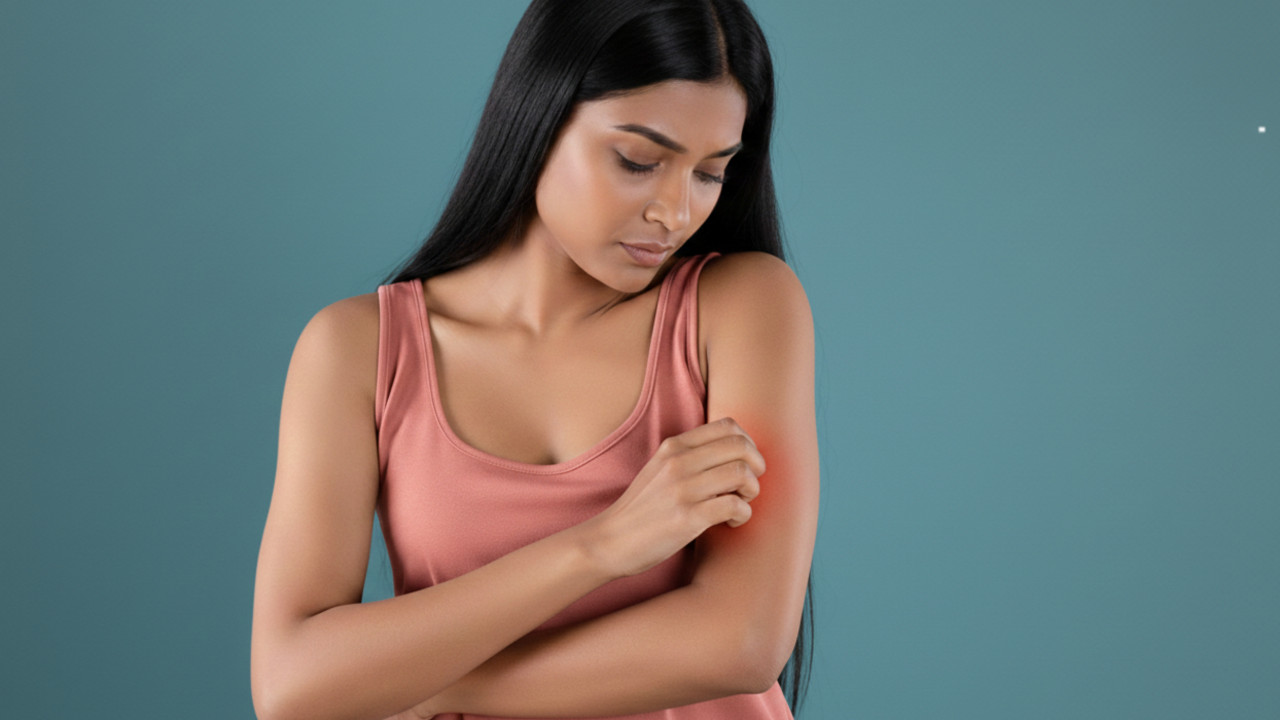 Modern treatments like corticosteroids and emollients often provide only temporary relief. Ayurvedic hand eczema treatment, however, targets the root cause, viewing eczema as an internal imbalance. By restoring harmony in the body’s doshas and tissues, Ayurveda helps reduce inflammation, prevent flare-ups, and promote long-term skin health.
Ayurvedic therapy for hand eczema includes diagnosis (Roga Pareeksha), identifying causative factors (Nidana), and applying both internal (Shodhana) and external (Shamana) remedies. Herbal formulations, oils, and poultices work alongside lifestyle adjustments to strengthen the skin and reduce sensitivity to daily exposures.
Daily care, diet (Pathya), and hand-specific routines (Dinacharya) are essential in Ayurvedic hand eczema treatment. These practices protect the skin, improve healing, and maintain balance. Combining internal and external therapies ensures relief from itching, cracking, and irritation while addressing the condition holistically.
Understanding Hand Eczema Through the Ayurvedic Lens
According to Acharya Vagbhata, the skin is not a single entity but a complex organ consisting of seven distinct membranous layers (Sapta Twacha) . Each layer has a specific embryological origin, function, and corresponding disease pattern. Understanding these layers is critical in treating chronic hand eczema because the depth of the disease determines the intensity and duration of treatment.
If eczema is only in the first layer, a simple herbal paste works. If it has penetrated the fifth, sixth, or seventh layer, the patient requires Panchakarma (bio-purification) and Rasayana (rejuvenation) therapy.
Here are the Seven Layers of Skin, from superficial to deepest:
1. Avabhasini (The Radiant Layer)
- Thickness: 1/30th of a rice grain (approx. 0.1mm)
- Function: Reflects complexion (Prabha); provides lustre.
- Dosha Link: Primarily Bhrajaka Pitta (the sub-dosha of Pitta located in skin responsible for color and enzymatic activity).
- Hand Eczema Manifestation: Mild redness, subtle change in skin tone, early-stage dryness.
- Prognosis: Extremely easy to treat. Dietary changes and simple emollients (like plain ghee) resolve this quickly.
2. Lohita (The Blood-Infused Layer)
- Thickness: 1/28th of a rice grain.
- Function: Resides Rakta Dhatu (blood); contains capillaries.
- Dosha Link: Pitta and Rakta are inseparable (Rakta-Pitta).
- Hand Eczema Manifestation: Bright red patches, pinpoint bleeding when scratched, sensation of heat radiating from the palms.
- Clinical Note: If you see blood when the patient scratches, the eczema has entered Lohita. At this stage, blood purification (Raktamokshana or Virechana) is required.
3. Shweta (The White Layer)
- Thickness: 1/24th of a rice grain.
- Function: Primarily connective tissue framework.
- Dosha Link: Kapha and Meda Dhatu (fat tissue) interface.
- Hand Eczema Manifestation: Pale, white-looking scar tissue or hypopigmentation after healing. Also, the appearance of small, white, fluid-less papules.
- Clinical Note: This layer is often visible in healed eczema scars that refuse to repigment.
4. Tamra (The Coppery Layer)
- Thickness: 1/20th of a rice grain.
- Function: Deep vascular network.
- Dosha Link: Pitta and Mamsa Dhatu (muscle).
- Hand Eczema Manifestation: Lichenification (thickening of the skin with exaggerated lines). The skin takes on a coppery, dark, leathery appearance. Deep fissures that reach the dermis.
- Clinical Note: This is the classic “chronic hand eczema” layer. Once the skin thickens here, topical steroids only thin the upper layers but do not heal the Tamra layer. Leech therapy (Jalauka) is highly effective here.
5. Vedini (The Sensory Layer)
- Thickness: 1/16th of a rice grain.
- Function: Seat of Sparsha (sense of touch); nerve endings.
- Dosha Link: Vata (Prana Vata and Vyana Vata).
- Hand Eczema Manifestation: Intolerable itching, sharp shooting pain, burning, and sensitivity to cold air or water. The patient cannot wear certain fabrics or even shake hands due to pain.
- Clinical Note: When eczema reaches Vedini, it affects the patient’s life severely. This requires Shirodhara or Brahmi oil head massage to calm the central nervous system. You cannot cure Vedini layer disease by rubbing cream on the surface; you must calm the brain.
6. Rohini (The Regenerative Layer)
- Thickness: 1/12th of a rice grain.
- Function: Healing and regeneration; origin of new skin cells.
- Dosha Link: Mamsa Dhatu (muscle tissue).
- Hand Eczema Manifestation: Non-healing wounds, atrophic scars, skin that breaks open with the slightest movement. The skin loses its memory of how to heal.
- Clinical Note: This is common in patients who have used high-potency topical corticosteroids for years. The skin becomes “addicted” and thin. Treatment involves Jatyadi Ghrita and internal Rasayanas like Shatavari or Ashwagandha.
7. Mamsadhara (The Muscle-Holding Layer)
- Thickness: 1/8th of a rice grain.
- Function: Adherence to underlying muscle and fascia; structural integrity.
- Dosha Link: Asthi Dhatu (bone) and Mamsa Dhatu (muscle).
- Hand Eczema Manifestation: Deep, painful cracks that extend down to the muscle layer. Often associated with joint contractures or restricted finger movement. The skin adheres abnormally to the underlying tendons.
- Clinical Note: This is the most severe, chronic stage of hand eczema (e.g., chronic atopic dermatitis with flexion deformities). Treatment is long-term (6 months+) and requires Panchakarma followed by Rasayana. The goal is not just to heal the skin, but to restore mobility to the fingers.
Doshic Involvement: It’s Not Just Pitta
While general skin diseases are attributed to Pitta, hand eczema is almost always a Tridoshic condition with a specific dominance pattern:
- Pitta Dominant Hand Eczema: Presents as burning, redness, intense heat, weeping lesions, and sensitivity to hot water. The skin feels hot to the touch. Often triggered by acidic foods, fermented items, and anger/stress.
- Vata Dominant Hand Eczema: Presents as extreme dryness, deep cracks (fissures) that bleed, roughness, and severe pain. The skin looks thin, papery, or chapped. Common in elderly individuals or those with chronic dry skin. Often triggered by cold weather, dehydration, and anxiety.
- Kapha Dominant Hand Eczema: Presents as thickening of the skin (lichenification), oozing, heavy itching, and a feeling of dampness. The skin may feel cold and boggy. Often triggered by dairy, heavy oils, and sedentary lifestyle.
Most patients do not fit neatly into one box. A typical case of chronic hand eczema involves Pitta-Kapha (burning + oozing/thickening) or Vata-Pitta (cracks + burning). Accurate diagnosis is the cornerstone of effective treatment.
Root Causes (Nidana) Specific to Hand Eczema
Ayurveda teaches that disease manifests when we consume or engage in things that are incomparable to our constitution (Asatmya Indriyartha Samyoga). For hand eczema, the causes are specific:
1. Ahara Nidana (Dietary Causes)
- Viruddha Ahara (Incompatible Combinations): Consuming milk with sour fruits, fish with milk, or honey cooked in heat. These create undigested toxins (Ama) that circulate and settle in weak tissues.
- Amla and Lavana Rasa Atiyoga: Excessive sour (citrus, vinegar, yogurt) and salt intake directly aggravates Pitta and rakta dhatu (blood tissue).
- Navyanna (New Grains): Consuming freshly harvested grains before they mature can aggravate Kapha and cause skin reactions in sensitive individuals.
- Preservatives and Chemicals: Modern processed foods contain preservatives that are inherently incompatible with human physiology.
2. Vihara Nidana (Lifestyle Causes)
- Vegadharana (Suppression of Natural Urges): Specifically, suppressing the urge to vomit or defecate drives doshas back into the circulation, eventually settling in the skin.
- Ratrijagarana (Night Awakening): Staying awake late at night aggravates Vata and depletes Ojas (immunity), making the skin vulnerable.
- Ati Udaka Sevana: Excessive contact with water. Ironically, frequent hand washing (common in healthcare workers or those with OCD tendencies) strips the natural acid mantle, aggravating Vata.
3. Psychological Causes (Manas Nidana)
- Chinta (Anxiety): Directly aggravates Vata, leading to dryness and cracking.
- Krodha (Anger) & Aasatmya (Hatred): Aggravates Pitta, leading to burning and inflammation.
The Ayurvedic Treatment Protocol for Hand Eczema
Ayurvedic treatment is not a “one cream fits all” approach. It is a multi-step process involving Deepana (igniting digestive fire), Pachana (digesting toxins), Shodhana (purification), and Shamana (palliation).
Phase 1: Ama Pachana (Detoxification of the Gut and Tissues)
Before any nourishing treatment, the body must be cleared of Ama (toxins). In hand eczema, Ama is often sticky, hot, and located in the Rasa Dhatu (plasma) and Rakta Dhatu (blood). This phase lasts 5–15 days.
- Diet: A light, mono-diet of Khichdi (rice + moong dal) cooked with ginger, turmeric, and cumin. This is easy to digest and absorbs toxins.
- Herbs: Triphala powder at night for gentle bowel cleansing. Guduchi (Tinospora cordifolia) and Sunthi (Dry Ginger) tea to kindle Agni.
- Avoid: Cold drinks, ice, raw vegetables, and heavy sweets.
Phase 2: Shodhana (Bio-Purification)
For chronic, recurring hand eczema where the doshas have penetrated the deep skin layers, Panchakarma is usually required. Without Shodhana, the disease will likely return.
1. Virechana (Therapeutic Purgation): This is the single most effective treatment for Pitta-related skin disorders. By eliminating excess Pitta through the lower bowel, the burning sensation and redness in the hands subside significantly. The patient is given castor oil or herbal pastes like Trivrit leha to induce controlled purging.
2. Raktamokshana (Blood Letting): In Ayurveda, skin diseases are considered “Rakta Pradoshaja Vikara” (diseases originating from vitiated blood). For localized, stubborn eczema on the hands, Jalauka Avacharana (Leech Therapy) is highly effective.
- Procedure: Medicinal leeches are applied to the affected skin. They suck out vitiated blood from the capillary beds.
- Result: Immediate reduction in heat, pain, and itching. Leech saliva contains hirudin and other anti-inflammatory enzymes that promote localized healing.
3. Takra Dhara: For lichenified or severely itching eczema, a continuous stream of medicated buttermilk (Takra) is poured over the hands. This cools the burning and reduces Kapha-related thickening.
Shamana Chikitsa (Internal Palliative Medicines)
After purification, specific oral medications are given to prevent recurrence and heal the remaining pathology.
1. Blood Purifiers (Rakta Shodhaka):
- Sarivadyasava: A fermented decoction containing Sariva (Indian Sarsaparilla). Excellent for chronic itching and burning.
- Patolakaturohinyadi Kashaya: A bitter decoction of Patola (Trichosanthes) and Katuki. This is the “go-to” formula for eczema with thickening and lichenification.
2. Immunity Boosters (Rasayana):
- Shatavari Ghee: Medicated ghee processed with Shatavari. Nourishes the deep skin layers and heals cracks.
- Arogyavardhini Vati: A herbo-mineral tablet that regulates liver function and fat metabolism, crucial for chronic skin cases.
External Therapies for Hand Eczema (Bahya Chikitsa)
This section details the specific applications for the hands.
1. Lepas (Herbal Pastes)
Unlike thick, occlusive steroid creams that suppress immunity, Ayurvedic Lepas draw out impurities and cool the skin.
For Weeping/Oozing Eczema (Kapha-Pitta):
- Ingredients: Manjistha, Neem, and Lodhra powder.
- Preparation: Mix with rose water or Aloe vera juice to form a thin paste.
- Application: Apply a thin layer for 20 minutes. Do not rub off; wash off with tepid water. This dries up the oozing and reduces bacterial load.
For Dry/Fissured Eczema (Vata-Pitta):
- Ingredients: Yashtimadhu (Licorice) and Chandana (Sandalwood) .
- Preparation: Mix with raw milk and a pinch of saffron.
- Application: Apply gently. This is deeply moisturizing and healing without being greasy.
2. Abhyanga (Medicated Oil Massage for Hands)
Oil massage is essential for hand eczema. However, using the wrong oil can worsen Pitta. The carrier oil must be specific:
- Durdurapatradi Taila: Specifically indicated in Ayurvedic texts for “Vicharchika” (eczema). It is bitter and anti-inflammatory.
- Kumkumadi Tailam: For non-weeping, pigmented eczema. Improves complexion and reduces scars.
- Jatyadi Tailam: If there are deep cracks or secondary infections. It has superb wound-healing properties.
Method: Warm the oil slightly. Apply 30 minutes before bathing. Massage in the direction of hair growth (to calm Vata) with light pressure. For nighttime, apply a small amount of oil and wear soft, breathable cotton gloves to allow the oil to absorb.
3. Murdhni Taila (A Specific Procedure for Palmar Eczema)
Interestingly, Ayurveda treats palmar and plantar psoriasis/eczema by applying oil to the head or feet. This is based on the principle of “Ksheera Dadhi Nyaya” (the curd-milk logic). Just as adding curd to milk curdles the entire pot, treating one part of the body can influence a connected distant part.
- Shiro Abhyanga (Head Massage): Regular head massage. By calming the brain and nerves with herbal oils, we turn off the “itch switch” that is causing the eczema flare on the hands.
Ayurvedic Herbs for Hand Eczema
Ayurveda offers a variety of herbs specifically effective for hand eczema. Each herb targets different underlying causes—whether inflammation, infection, dryness, or Pitta imbalance—and can be applied externally, internally, or both, depending on the condition.
1. Neem (Azadirachta indica) – The Dermatological King
Neem is a cornerstone in Ayurvedic dermatology due to its potent antibacterial and anti-inflammatory properties.
- Specific Use for Hands: Particularly effective for secondary bacterial infections in cracked hand eczema.
- Application: Boil a handful of neem leaves in water until it turns greenish. Once cooled to a tolerable temperature, soak the hands for 10 minutes. This acts as a powerful antiseptic soak.
2. Manjistha (Rubia cordifolia) – The Blood Cleaner
Manjistha is known for purifying the blood and balancing excess Pitta, which often underlies chronic eczema.
- Specific Use for Hands: Ideal for eczema that leaves dark purple or brownish spots after inflammation subsides.
- Application: Internal use (½ tsp twice daily with warm water) is more effective than external application for this herb.
3. Aloe Vera (Kumari) – The Cooling Agent
Aloe Vera is revered for its soothing and cooling properties, calming inflamed and blistered skin.
- Specific Use for Hands: Effective for dishydrotic eczema, which causes small fluid-filled blisters on the palms and sides of fingers.
- Application: Apply freshly extracted Aloe vera gel, refrigerated for 10 minutes, directly to the blisters. Provides instant relief from burning and itching.
4. Turmeric (Haridra) – The Wound Healer
Turmeric is renowned for its anti-inflammatory and healing qualities, especially for skin fissures.
- Specific Use for Hands: Best for cracks on the fingertips (pulpitis).
- Application: Make a paste of turmeric powder and ghee. Apply to the cracked fingertips and wrap lightly overnight. Ghee carries turmeric deep into the fissures for effective healing.
5. Licorice (Yashtimadhu) – The Vata Pacifier
Licorice is particularly soothing for dryness and chapping caused by Vata imbalances.
- Specific Use for Hands: Excellent for winter eczema or wind-chapped hands.
- Application: Soak 1 tsp of Yashtimadhu powder in 1 cup of water overnight. Strain in the morning and use the mucilaginous water as a hand wash. It provides gentle, effective relief.
Lifestyle and Daily Routine (Dinacharya) for Hand Health
1. Hand Washing Protocol
This is the most critical lifestyle modification. Soap is often the enemy of hand eczema.
- Avoid: Antibacterial liquid soaps containing Sodium Lauryl Sulfate (SLS).
- Use: Cleansing pastes made from Besan (gram flour), Multani Mitti (Fuller’s earth), and a pinch of Turmeric.
- Post-Wash: Never rub hands dry with a rough towel. Pat dry gently and immediately apply a medicated oil or a herbal moisturizer.
2. Glove Discipline
- For Housework: When washing dishes or cleaning, wear cotton gloves underneath rubber gloves. Rubber gloves trap sweat (Kapha aggravating) and heat (Pitta aggravating). Cotton absorbs the sweat and protects the skin from direct contact with rubber.
- For Nighttime: “Occlusion therapy.” Apply a thick layer of Panchatikta Ghrita or plain organic coconut oil to the hands and wear cotton gloves to bed. This is one of the fastest ways to heal deep cracks.
3. Stress Management (Prasadana)
Hand eczema is notoriously psychosomatic. The hands are our tools of action (Karma Indriya). Suppressed emotions, particularly a desire to “strike out” or “hold back,” often manifest in the hands.
- Pranayama: Sheetali (Cooling breath) is excellent for Pitta. Nadi Shodhana (Alternate nostril breathing) balances Vata.
- Abhyanga: As mentioned, daily self-massage of the hands calms the nervous system.
The Pathya-Apathya (Do’s and Don’ts) for Hand Eczema
Pathya (Wholesome)
| Category | Recommended | Benefit |
|---|---|---|
| Grains | Old Barley, Old Rice, Wheat | Light, easy to digest, non-allergenic |
| Vegetables | Bitter Gourd (Karela), Pointed Gourd (Parwal), Ash Gourd, Pumpkin | Cleanses blood, cooling |
| Fruits | Pomegranate, Apple (cooked), Raisins | Astringent, healing |
| Spices | Cumin, Coriander, Fennel, Turmeric | Anti-inflammatory, carminative |
| Liquids | Warm water, Cumin-Coriander-Fennel tea, Aloe vera juice | Flushes toxins, cools system |
Apathya (Unwholesome)
| Category | Avoid | Reason |
|---|---|---|
| Grains | Sesame seeds, Jaggery products, Fermented foods (Idli, Dosa) | Increases heat and fermentation in gut |
| Vegetables | Radish, Brinjal (Eggplant), Taro root | Allergenic, aggravates all three doshas |
| Fruits | Sour oranges, Pineapple, Tamarind | Extremely acidic, increases Pitta |
| Lifestyle | Day sleeping, Exposure to sun, Suppression of urges | Increases Kapha and Pitta, traps toxins |
| Alcohol/Tobacco | All forms | Directly contaminates Rakta Dhatu |
Prognosis (Sadhyata-Asadhyata)
Ayurveda is honest about prognosis.
- Sadhyas (Curable): Eczema that is recent (less than 1 year), dry (Sushka), and not associated with secondary infection is curable with strict adherence to diet and Panchakarma.
- Yapya (Palliable): Chronic eczema with lichenification, deep cracks, and a history of long-term steroid use. This requires long-term management (6 months to 2 years) to reverse the damage. Complete cure is possible but requires immense patience.
- Asadhya (Difficult/Incurable): Eczema associated with systemic diseases, congenital conditions, or where the patient is unwilling to change diet/lifestyle.
A Final Note on Time: Skin cells require a minimum of 28 days to turn over. Deeply rooted eczema has taken months or years to manifest. Ayurveda asks for a commitment of at least one full season (3 months) to see structural change. Be patient. The hands that serve you every day deserve the time it takes to heal them properly.
Treating eczema on the hands through Ayurveda is not merely about suppressing a rash; it is about rebuilding the skin’s intelligence. The skin on our hands remembers every detergent, every stressful day, and every improper meal. The journey begins in the gut, travels through the blood, and eventually rests on the epidermis. By following a protocol of internal purification
Disclaimer: This guide is for educational purposes. Ayurvedic treatment must be personalized based on Prakriti (constitution) and current dosha imbalance. Always consult a qualified Ayurvedic practitioner before starting any new treatment, especially if you are pregnant, nursing, or currently taking steroidal or immunosuppressive medications.