
Top 10 Leaves Name List Used As Medicine Leaves In Ayurveda

Ayurveda is an ancient system of traditional medicine that originated in India and has been practiced for thousands of years. Its foundational texts, the Charaka Samhita and Sushruta Samhita, detail a vast body of knowledge on healing, including herbal remedies and surgical techniques.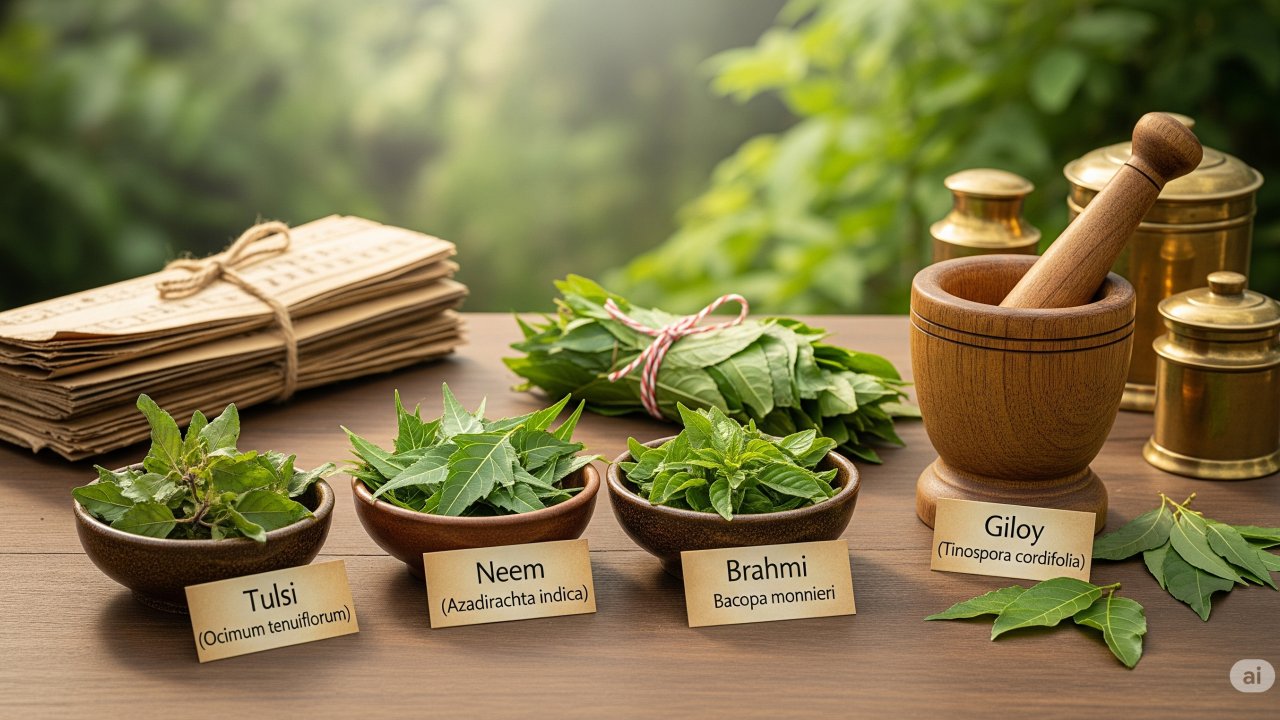 Ayurvedic practitioners use a variety of medicinal plants and herbs, carefully selected and combined based on their specific properties and therapeutic effects. These plant leaves, often called “medicine leaves,” play a key role in treating various health conditions and promoting overall wellness.
Some of these healing herbs are easy to grow at home, while others are rare and highly valued. Below is a list of some of the most commonly used medicinal leaves in Ayurveda and their benefits.
Importance of Medicinal Leaves in Ayurveda
In Ayurveda, medicinal leaves are considered one of the most valuable parts of a plant due to their quick availability, ease of preparation, and concentrated healing properties. These leaves contain bioactive compounds, enzymes, and essential oils that contribute to both the prevention and treatment of various health conditions.
1. Role in Dosha Balance (Vata, Pitta, Kapha)
The foundation of Ayurvedic medicine lies in the concept of balancing the three doshas:
- Vata (air and space): governs movement and communication in the body.
- Pitta (fire and water): governs metabolism, digestion, and transformation.
- Kapha (earth and water): governs structure, lubrication, and stability.
Medicinal leaves are chosen based on their taste (rasa), energy (virya), and post-digestive effect (vipaka)—factors that determine their influence on the doshas. For instance:
- Neem and Tulsi pacify Pitta and Kapha.
- Mint and Bael help balance Pitta and Vata.
- Brahmi and Guduchi are tridoshic (balancing all three doshas).
2. Forms of Use
Ayurveda employs a variety of preparation methods to maximize the therapeutic effect of leaves:
- Decoction (Kwatha): Leaves are boiled in water to extract their active ingredients.
- Paste (Kalka): Fresh leaves are ground and applied externally for wounds, inflammation, or skin disorders.
- Powder (Churna): Dried leaves are crushed into fine powder for oral use.
- Infusion (Phanta): Leaves are steeped in hot water, similar to herbal teas.
- Juice (Swarasa): Freshly extracted juice is used for both internal and external applications.
3. Benefits
- Natural & Holistic Healing: Leaves work with the body’s natural processes to restore balance, rather than just suppressing symptoms.
- Minimal Side Effects: When used correctly, medicinal leaves are gentle on the system and generally safe for long-term use.
- Sustainability & Accessibility: Most medicinal leaves are easy to grow or find locally, making them an affordable and eco-friendly option.
- Versatility: They can be used for a wide range of conditions—digestive, respiratory, skin, mental health, and more.
Top 10 Leaves Name List Used As Medicine in Ayurveda
Ayurveda recognizes a wide range of medicinal leaves that offer powerful healing properties. Below is a curated list of some of the most commonly used leaves in Ayurvedic medicine, including their botanical names and traditional uses:
1. Tulsi Leaf (Holy Basil)
In Ayurveda, Tulsi is known as a potent rasayana (rejuvenator) and is used to balance the body and mind. Its wide range of healing properties supports:
- Immune system – Boosts resistance to infections and diseases
- Central nervous system – Enhances mental clarity and reduces anxiety
- Reproductive health – Supports hormonal balance
- Gastric health – Aids digestion and relieves gas or acidity
- Cardiovascular system – Promotes heart health and reduces cholesterol
- Urinary system – Supports detoxification and kidney function
- Blood biochemistry – Helps balance blood sugar and cholesterol levels
- Stress management – Acts as an adaptogen, reducing mental and physical stress
How to Use Tulsi
- Tulsi Tea: Steep 4–5 fresh or dried leaves in hot water for 5–10 minutes. Drink daily to boost immunity and reduce stress.
- Tulsi Juice: Mix fresh tulsi juice with honey for cold, cough, and sore throat relief.
- Chew Fresh Leaves: Chew 2–3 leaves every morning on an empty stomach to support immunity and respiratory health.
- Tulsi Inhalation: Boil tulsi leaves in water and inhale the steam for relief from congestion and sinus issues.
Tulsi is more than a sacred plant—it is a complete herbal remedy that promotes holistic well-being and inner calm, making it a cherished herb in both traditional and modern wellness systems.
2. Tejpatta (Bay Leaves)
In Ayurveda, Tejpatta is valued for its warming and digestive properties. It is commonly brewed into teas to:
- Soothe respiratory issues like cough, congestion, and asthma.
- Improve digestion and reduce bloating, gas, and indigestion.
- Aid in weight management by boosting metabolism.
- Alleviate headaches through its calming effect.
- Support healthy blood sugar levels by enhancing insulin function.
How to Use Tejpatta
- In Cooking: Add one or two whole leaves to dals, curries, rice, or soups. Remove before serving.
- As a Tea: Boil 1–2 bay leaves in water for 5–7 minutes. Strain and drink warm, optionally with honey or lemon.
- For Digestion: Sip bay leaf tea after meals to ease digestive discomfort.
- For Respiratory Relief: Inhale steam from bay leaf-infused water or drink the tea during cold or allergy season.
Bay leaves are not just flavor enhancers but also potent herbal allies in promoting health and balance, especially when used regularly and mindfully.
3. Neem Leaves (Azadirachta indica)
Neem, known for its distinct bitter taste, is a powerhouse herb in Ayurveda, praised for its ability to heal the body both inside and out. Used for thousands of years, nearly every part of the neem tree—leaves, bark, flowers, seeds, and oil—holds medicinal value. It is often referred to as a “one-plant pharmacy” for its wide spectrum of health benefits.
Ayurvedic Uses of Neem
Neem is highly regarded in Ayurvedic medicine for its strong detoxifying and purifying properties. It offers:
- Anti-bacterial, anti-viral, anti-fungal, and anti-inflammatory properties
- Skin health support – Treats eczema, acne, ringworm, rashes, lice, and wounds
- Blood purification – Helps eliminate toxins from the body
- Digestive health – Acts as an anti-parasitic, eliminating intestinal worms
- Diabetes management – Traditionally used to help lower blood sugar levels
- Immune support – Strengthens the body’s defense against infections
How to Use Neem Leaves
- Neem Leaf Paste (External Use): Crush fresh neem leaves into a paste and apply to skin conditions like acne, eczema, ulcers, or wounds. Leave on for 15–20 minutes before rinsing.
- Neem Water (Internal Use): Boil 5–6 neem leaves in water, strain, and drink on an empty stomach to purify blood and support immunity.
- Neem Powder or Capsules: Take under the guidance of an Ayurvedic practitioner for managing blood sugar or detoxification.
- Neem Oil: Apply diluted neem oil to the scalp or skin to treat dandruff, lice, and skin infections.
Neem’s remarkable healing power makes it one of the most effective herbs in Ayurveda. Whether applied externally or consumed internally, it works to cleanse, protect, and restore balance to the body.
4. Dhania (Coriander Leaves)
Dhania, commonly known as coriander leaves or cilantro, is a staple herb in Indian kitchens and many global cuisines. Often used to garnish and flavor dishes like curries, stir-fries, and snacks, coriander adds a fresh, vibrant taste that enhances meals. Beyond its culinary appeal, coriander leaves offer impressive health benefits.
Ayurvedic Uses of Dhania
Coriander leaves are highly valued in Ayurveda for their digestive and antibiotic properties. They are particularly effective for:
- Supporting digestion and relieving issues like bloating and indigestion
- Managing diarrhea caused by harmful bacteria, thanks to the compound borneol, which combats E. coli
- Reducing gastric inflammation and soothing upset stomachs
- Alleviating symptoms of flu, dizziness, and measles
- Lowering high blood pressure
- Easing hemorrhoids, vomiting, and breast inflammation
- Supporting male reproductive health by addressing impotence
How to Use Dhania
- Fresh Garnish: Sprinkle chopped coriander leaves over cooked dishes for flavor and health benefits.
- Coriander Juice: Blend fresh leaves with water and drink to aid digestion and detoxification.
- Herbal Tea: Boil coriander leaves in water to relieve gastric discomfort and inflammation.
- In Cooking: Add coriander leaves towards the end of cooking to preserve their flavor and nutrients.
Dhania is a simple yet powerful herb that enhances not only the taste of food but also promotes holistic health through its natural antibiotic and digestive properties.
5. Nirgundi Leaves (Vitex negundo)
Nirgundi, scientifically known as Vitex negundo and commonly called the five-leaved chaste, is a revered medicinal plant in Ayurveda, Siddha, and Unani medicine. Its Sanskrit name means “protects the body from all ailments,” highlighting its wide-ranging therapeutic importance.
Ayurvedic Uses of Nirgundi
Nirgundi leaves are prized for their potent analgesic and anti-inflammatory properties. They are especially effective in managing:
- Low back pain and joint disorders
- Rheumatoid arthritis (Amavata)
- Sciatica and spondylosis
- Osteoarthritis and muscular pain
How to Use Nirgundi
- External Application: Apply oil extracted from Nirgundi leaves directly to painful joints or muscles to relieve inflammation and pain.
- Leaf Plaster: Heat fresh Nirgundi leaves and place them on affected areas such as sprains or arthritis pain to soothe discomfort.
- Decoction or Tea: Boil leaves to prepare a medicinal tea that may help reduce internal inflammation (consult a practitioner before internal use).
Nirgundi is a powerful natural remedy, especially valued for its pain-relieving and anti-inflammatory effects, making it a trusted ally in managing chronic joint and muscle conditions.
6. Podina (Peppermint Leaves)
Peppermint, known as Podina in Sanskrit, is famous for its strong, sweet aroma and refreshing cooling taste. Also called water mint or spearmint in English, peppermint holds a special place in Ayurveda due to its unique balance of cooling and heating effects (virya) and its sweet, pungent flavor (rasa).
Ayurvedic Uses of Podina
Peppermint supports multiple body systems by stimulating key channels (srotas):
- Nervous system – Calms and revitalizes mental function
- Circulatory system – Enhances blood flow and refreshes tissues
- Digestive system – Relieves indigestion, bloating, and nausea
- Respiratory system – Clears congestion and soothes breathing
- Antibacterial effects – Fights harmful bacteria such as E. coli, Staphylococcus, and Salmonella
How to Use Podina
- Peppermint Tea: Steep fresh or dried peppermint leaves in hot water for 5–10 minutes to soothe digestion and refresh the mind.
- Fresh Leaves: Chew a few leaves to relieve bad breath and aid digestion.
- Peppermint Oil: Use diluted peppermint oil for inhalation or topical application to clear nasal passages and ease muscle tension.
- Culinary Use: Add fresh peppermint leaves to salads, drinks, or garnishes for flavor and health benefits.
Podina is a versatile herb prized for its cooling, digestive, and antibacterial properties, making it a natural choice for boosting wellness and vitality.
7. Patharchur (Bryophyllum pinnatum)
Patharchur, scientifically known as Bryophyllum pinnatum, is a highly valued medicinal plant in Ayurveda, commonly used for treating kidney stones and urinary disorders. Also called Pashan Bheda, life plant, katakataka, and miracle leaf, it has a broad range of healing properties.
Ayurvedic Uses of Patharchur
- Kidney and urinary health – Helps dissolve kidney stones and supports urinary function
- Respiratory ailments – Leaf juice mixed with honey (5-10 ml) aids in relieving asthma and cough
- Antimicrobial properties – Effective against fungal and bacterial infections such as Bacillus subtilis, Enterococcus faecalis, Candida albicans, and Staphylococcus aureus
- Digestive health – Regular intake (10-15 ml) helps control bleeding piles and blood-mixed diarrhea
How to Use Patharchur
- Leaf Juice: Extract fresh juice from leaves and mix with honey; consume 5-15 ml depending on the condition.
- Topical Application: Apply crushed leaves or juice to fungal infections for relief.
- Regular Use: For chronic issues like kidney stones or piles, follow Ayurvedic guidance on dosage and duration.
Patharchur is a versatile herb, especially renowned for its powerful effects on kidney health and infections, making it a trusted remedy in traditional medicine systems.
8. Gheekumari (Aloe Vera)
Known as Kumari in Sanskrit, meaning “young girl,” Aloe Vera is a widely cherished herb in Ayurveda for its versatile healing properties. Used both internally and externally, Aloe Vera balances all three doshas due to its bitter taste and cooling potency.
Ayurvedic Uses of Gheekumari
- Balances doshas – Helps harmonize Vata, Pitta, and Kapha
- Antioxidant-rich – Supports healthy blood vessels and is vital in diabetic care
- Menstrual health – Eases menstrual problems and regulates cycles
- Skin care – Promotes wound healing, soothes inflammation, and treats various skin conditions
- Digestive health – Relieves constipation and supports healthy digestion
- Immune support – Strengthens the immune system and helps manage Pitta-related disorders
- Bleeding disorders – Used traditionally to support healthy blood clotting
How to Use Gheekumari
- Aloe Vera Juice: Consume fresh juice (with water or honey) to support digestion, immunity, and blood health.
- Topical Application: Apply the gel directly to wounds, burns, or skin irritations for soothing and healing effects.
- Dietary Use: Include Aloe Vera in smoothies or herbal drinks for internal cleansing and rejuvenation.
Aloe Vera’s multifaceted benefits make it a cornerstone herb in Ayurveda, promoting youthful vitality, healing, and overall well-being.
9. Curry leaves (Murraya koenigii)
Curry leaves are a staple spice in Indian cuisine, prized for their distinctive flavor and aroma. Beyond their culinary use, these leaves are packed with nutrients like vitamins A, B, C, B2, iron, magnesium, copper, and calcium, making them a powerful natural remedy in Ayurveda.
Ayurvedic Uses of Curry Leaves
- Digestive health – Stimulate digestive enzymes to improve food breakdown and digestion
- Morning sickness relief – Juice made from 10-15 curry leaves with lemon juice and sugar helps ease nausea during pregnancy
- Eye health – Rich in vitamin A and antioxidants, curry leaves support eyesight and may help prevent cataracts
- Overall nourishment – Provide essential vitamins and minerals for body wellness
How to Use Curry Leaves
- Curry Leaf Juice: Blend fresh leaves to make juice; add lemon and sugar for morning sickness relief.
- Cooking: Use fresh or dried curry leaves in dals, curries, and stir-fries to enhance flavor and digestion.
- Herbal Tea: Boil curry leaves in water to make a digestive tonic.
Curry leaves are a simple yet effective herb, offering both delicious flavor and wide-ranging health benefits, especially for digestion and eye care.
10. Gandhatrina (Lemongrass)
Known as fever grass or Gavati Chaha in Marathi, lemongrass has been an important herb in Ayurveda and traditional medicine across India and Southeast Asia for thousands of years. It’s celebrated for its rich nutritional profile and wide range of healing properties.
Ayurvedic Uses of Gandhatrina
Lemongrass is packed with vitamins A, C, folic acid, and minerals like zinc, magnesium, iron, potassium, copper, manganese, calcium, and phosphorus. Its powerful properties include:
- Antioxidant action – Fights free radicals that contribute to heart disease and aging
- Digestive relief – Eases stomach disorders like indigestion and bloating
- Respiratory support – Helps soothe coughs, colds, and other respiratory issues
- Sleep aid – Alleviates insomnia and promotes restful sleep
- Pain relief – Reduces aches, fever, rheumatism, and edema
- Immune booster – Enhances the body’s natural defense mechanisms
- Cholesterol and weight management – Helps maintain healthy cholesterol levels and reduce belly fat
- Skin health – Supports cellular repair and promotes glowing skin
How to Use Gandhatrina
- Lemongrass Tea: Boil fresh or dried lemongrass stalks in water and sip to relieve digestive and respiratory discomfort.
- Essential Oil: Use diluted lemongrass oil for massage to ease muscle pain and inflammation.
- Culinary Use: Add to soups, teas, and curries for flavor and health benefits.
Gandhatrina is a versatile herb that supports overall wellness, combining aromatic pleasure with powerful healing qualities.
Note: Medicinal leaves are powerful allies in Ayurvedic healing, but their safe and effective use depends on proper knowledge, guidance, and respect for their potency. Responsible use ensures the best outcomes for health and well-being.
Methods of Preparation and Use
In Ayurveda, the effectiveness of medicinal leaves largely depends on how they are prepared and administered. Different methods of preparation help extract and deliver the active compounds in the most beneficial way, tailored to specific health needs and dosha imbalances.
Decoction (Kwatha)
- Leaves are boiled in water to extract their medicinal properties.
- This concentrated liquid is consumed to treat ailments like fever, digestive issues, and respiratory problems.
- Example: Neem and Guduchi decoctions are commonly used to boost immunity and detoxify the body.
Paste (Kalka)
- Fresh leaves are ground into a smooth paste, sometimes mixed with other ingredients like oils or powders.
- Applied externally to treat wounds, skin infections, inflammations, or to soothe aches and pains.
- Example: Tulsi or Neem leaf paste for skin conditions.
Powder (Churna)
- Leaves are dried and ground into a fine powder.
- Used internally by mixing with water, honey, or ghee, or incorporated into tablets.
- Convenient for long-term storage and treatment.
- Example: Brahmi powder for cognitive support.
Infusion (Phanta)
- Leaves are steeped in hot water, similar to herbal tea.
- Used to gently extract water-soluble components for mild conditions like colds, digestion, and stress.
- Example: Mint leaf infusion for digestive relief.
Juice (Swarasa)
- Fresh leaves are crushed to extract the juice.
- Used both internally and externally for quick absorption of nutrients and healing compounds.
- Example: Aloe vera leaf juice for skin and digestive health.
Oil Infusions
- Leaves are soaked or boiled in oils to infuse their healing properties.
- Used for massages, hair treatments, or topical applications.
- Example: Bhringraj leaf oil for hair growth and scalp health.
Choosing the Right Method
- The choice depends on the ailment, severity, patient’s constitution (prakriti), and dosha imbalance.
- Some conditions require strong, concentrated forms (decoctions), while others benefit from gentle methods (infusions).
- Proper guidance from an Ayurvedic practitioner ensures safe and effective use.
Medicinal leaves have been an essential part of Ayurvedic healing for thousands of years, offering natural, effective, and holistic solutions for a wide variety of health concerns. By balancing the doshas and harnessing the power of nature, these leaves provide remedies that promote overall wellness without the harsh side effects often seen in synthetic medicines.























This is a very good post. I’ve been searching for different traditional medicines I could used till I found your article. This is awesome. I will sure try some of it soon. It’s a big help for me. Thanks for sharing it.
Adhatoda vasica a herb with unique properties can help the entire respiratory system, and its bronchial function. It’s leaves, flowers and root can be used as Ayurvedic medicine for the treatment of chest congestion and inflammation.
In ancient times, monks and physicians grew gardens specifically full of healing herbs called Physics. A physic garden is a place where plants with medicinal properties grow.
Herbal medicine, also known under the names of phytotherapy and herbalism, is a well-defined branch of the ancient alternative medicinal system that involves the use of plants
If you suffer from ailments such as colds and even cough and you think conventional medicines are not right for you then you should try some herbal medicines.