
Best Weight Loss Medicine in India Without Side Effects

As India becomes more modern and urban, obesity and metabolic problems are rising. Busy routines, less exercise, processed foods, and stress are making a healthy weight harder to maintain today. Many people understandably look for a quick solution, especially when weight loss feels difficult. But the idea of a completely side-effect-free weight-loss medicine is not medically realistic or safe either.
Medicines that affect appetite, metabolism, or fat absorption can help with weight loss, but they may also cause side effects. The right treatment depends on your health, needs, and medical advice.
The good news is that some treatments are better tolerated than others. With proper guidance, a suitable medicine or supplement may support healthy weight loss while keeping risks as low.
Understanding the Indian Context of Weight Gain
Before looking at medicines, it is crucial to understand why Indians gain weight differently than Western populations.
1. The “Thin-Fat” Phenotype: Indians are genetically predisposed to the “thin-fat” phenotype.
This means even if an Indian person looks relatively slim, they tend to carry a disproportionately high amount of visceral fat (fat around the abdominal organs).
This makes Indians highly susceptible to insulin resistance, Type 2 diabetes, and heart disease at lower BMI levels than Caucasians.
2. Dietary Habits: The traditional Indian diet is heavily carbohydrate-centric (rice, roti, dal, potatoes).
While nutritious, excessive carbohydrate consumption without adequate protein leads to insulin spikes and fat storage.
3. Cultural Stigma and Quick Fixes: In India, body shaming is prevalent, leading to immense psychological pressure, especially among young adults and brides-to-be.
This desperation fuels a massive, unregulated market of over-the-counter (OTC) weight loss powders, pills, and teas that promise miraculous results.
The Medical Reality of “No Side Effects”
To understand why a side-effect-free weight loss drug doesn’t exist, you must understand how weight loss drugs work. They generally fall into three categories:
- Fat blockers: Prevent the gut from absorbing fat.
- Appetite suppressants: Alter brain chemicals (like serotonin or catecholamines) to make you feel full.
- Metabolic boosters: Alter how the body burns calories (often by affecting thyroid hormones or insulin).
If a pill blocks fat, the unabsorbed fat must go somewhere (resulting in digestive side effects).
If a pill suppresses appetite by altering brain chemistry, it can cause insomnia, anxiety, or heart palpitations.
Therefore, the goal in modern medicine is not to find a drug with zero side effects, but to find a drug where the benefits vastly outweigh the manageable side effects.
The Safest Allopathic Medicines in India
When it comes to evidence-based, allopathic medicine, only a handful of drugs are legally approved and scientifically proven for weight loss in India. Here is a breakdown of the safest options.
1. Orlistat (The Safest Allopathic Option)
Brand Names in India: Orlistal, Xenical, Slimtrim, Obelit.
How it works: Orlistat reduces the amount of dietary fat your body absorbs by blocking fat-digesting enzymes in the intestine. The unabsorbed fat is then passed through the stool.
Side effects: Common effects include oily stools, gas, loose motions, and increased bowel movements, especially after high-fat meals.
How to reduce side effects: Following a balanced, lower-fat diet can help improve tolerance. Orlistat may also reduce absorption of vitamins A, D, E, and K, so your doctor may recommend a multivitamin.
Safety: Orlistat can be effective for some people, but it is not suitable for everyone. Always consult a healthcare professional before starting it.
2. GLP-1 Receptor Agonists (The Modern Breakthroughs)
Brand Names in India: Wegovy (Semaglutide), Saxenda (Liraglutide), Ozempic (primarily for diabetes but widely used off-label for weight loss).
How they work: These injectable medicines mimic the GLP-1 hormone, helping reduce appetite, increase feelings of fullness, and slow stomach emptying.
Side effects: Common side effects include nausea, vomiting, diarrhea, and constipation. More serious risks can occur rarely, so these medicines should be used under medical supervision.
Effectiveness: GLP-1 medicines can produce significant weight loss for eligible patients, but results vary. They should be combined with a healthy diet, physical activity, and regular medical follow-up.
Medicines to Strictly Avoid in India
- Sibutramine (Reduxade, Slimall): Once highly popular, this appetite suppressant was banned in India (and globally) because it caused severe cardiovascular issues, including heart attacks and strokes.
- Phentermine/Topiramate (Qsymia): Not easily available or legally prescribed for simple weight loss in India due to high abuse potential and severe side effects like insomnia, palpitations, and birth defects.
- Laxatives and Thyroid Hormones: A horrific but common practice among Indian quacks is prescribing thyroid medications (like Thyroxine) or heavy laxatives to healthy individuals to induce weight loss. This can permanently destroy your metabolism and endocrine system. Never take thyroid medicine for weight loss unless you have a diagnosed thyroid disorder.
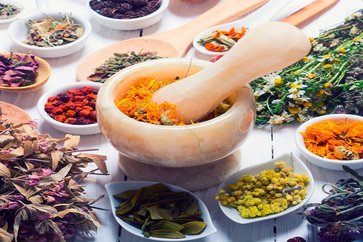
Ayurvedic and Herbal Medicines (The “Natural” Route)
Because allopathic medicines carry a stigma of side effects, millions of Indians turn to Ayurveda.
It is a common misconception that “natural” means “no side effects.” Ayurvedic herbs are powerful pharmacological agents.
However, when used correctly according to Prakriti (body constitution) and Dosha imbalance, they tend to be much gentler on the body than synthetic drugs.
Here are the best Ayurvedic medicines for weight loss that have the lowest risk of adverse effects when sourced from reputable, GMP-certified companies (like Himalaya, Charak, Baidyanath, or Zandu):
1. Guggulu (Commiphora mukul) – Specifically Medohar Guggulu
- How it works: Guggulsterone, the active compound in Guggulu, is known to stimulate the thyroid gland, which can boost basal metabolic rate. It also has lipid-lowering properties, helping to reduce cholesterol and triglycerides.
- Safety Profile: Very safe for most people.
- Potential Side Effects: If taken in excess, or if the Guggulu is not properly purified (Shodhit), it can cause skin rashes, GI upset, or mild liver toxicity. It should strictly be avoided by pregnant women.
- Best For: People with a “Kapha” dosha imbalance (slow metabolism, water retention).
2. Triphala (The Three Fruits)
- How it works: A combination of Amla (Emblica officinalis), Haritaki (Terminalia chebula), and Bibhitaki (Terminalia bellirica). Triphala is not a fat burner; it is a systemic detoxifier. It improves digestion, regulates bowel movements, and enhances cellular metabolism.
- Safety Profile: Exceptionally safe. It is considered a Rasayana (rejuvenating) herb in Ayurveda and can be taken long-term.
- Potential Side Effects: Loose stools in the first few days of use if the dose is too high.
- Best For: Almost everyone, especially those suffering from constipation-induced bloating.
3. Garcinia Cambogia (Malabar Tamarind / Vrikshamla)
- How it works: Contains Hydroxycitric Acid (HCA), which supposedly blocks an enzyme called citrate lyase, which the body uses to make fat. It also raises serotonin levels, potentially reducing appetite.
- Safety Profile: Generally safe in moderate doses.
- Potential Side Effects: Nausea, digestive discomfort, and headaches. There have been rare reports of liver toxicity associated with low-quality, heavily processed Garcinia supplements.
- The Reality Check: While heavily marketed in India as a miracle weight loss cure, modern clinical studies show Garcinia only produces very minimal weight loss (around 1-2 kg over a few months). It is very safe, but don’t expect dramatic results.
4. Methi (Fenugreek) and Vijaysar (Pterocarpus marsupium)
- How it works: These are excellent for Indians specifically because they target insulin resistance. Methi seeds contain soluble fiber that slows carbohydrate absorption and stabilizes blood sugar. Vijaysar is traditionally used to manage diabetes and reduce excess body fat.
- Safety Profile: Extremely safe. Methi can be consumed as soaked seeds daily.
- Potential Side Effects: Mild bloating or gas initially. Methi can lower blood sugar; if a diabetic patient is taking allopathic medication, combining the two without a doctor’s oversight can cause hypoglycemia (dangerously low blood sugar).
Popular OTC Supplements in India (Buyer Beware)
Walk into any pharmacy in India, and you will see a wall of colorful boxes promising weight loss.
These are technically “nutraceuticals” or dietary supplements, not medicines. They do not require the same rigorous clinical trials as pharmaceuticals.
1. Green Coffee Bean Extract
- Contains chlorogenic acid, which is believed to reduce the absorption of carbohydrates in the digestive tract.
- Side Effects: Mostly related to caffeine content—insomnia, jitteriness, increased heart rate, and anxiety.
- Verdict: Safe in low doses, but weight loss results are modest at best.
2. L-Carnitine
- An amino acid derivative that helps the body transport fatty acids into the mitochondria to be burned for energy.
- Side Effects: Generally very safe, but can cause nausea, vomiting, stomach upset, or a “fishy” body odor.
- Verdict: It only works if you are actually exercising. It will not burn fat while you sit on the couch. Safe, but not a standalone solution.
3. Apple Cider Vinegar (ACV) Pills/Liquids
- Claimed to boost metabolism and reduce fat storage.
- Side Effects: Liquid ACV, if not diluted, can severely burn the esophagus and erode tooth enamel due to high acetic acid. Pills can cause esophageal ulcers if they get stuck in the throat.
- Verdict: The hype is mostly marketing. It may slightly aid digestion, but it is not a weight loss medicine.
The Danger of “Fat Burner Powders”
Many Indian brands sell protein powders mixed with “fat-burning” matrices containing high doses of caffeine, green tea extract, and unlisted synthetic stimulants.
These are the most dangerous category. They frequently cause severe palpitations, anxiety attacks, and spikes in blood pressure. Avoid unbranded, cheap fat burners at all costs.
The TRUE Zero Side Effect “Medicine”
If you are genuinely looking for weight loss without side effects, you must shift your paradigm. The only thing in the world that causes significant, sustainable weight loss with zero negative side effects (and in fact, only positive side effects) is Lifestyle Medicine.
Weight loss pills are designed to be an adjunct (a helper) to lifestyle changes, not a replacement. Here is the standard of care for weight management in India:
1. The Indian Diet Makeover
You do not need to eat Western foods like quinoa and avocado to lose weight. You can lose weight effectively on a strictly Indian diet by making these zero-side-effect tweaks:
- Protein Prioritization: Indians severely lack protein. Replace some of your roti/rice with dal, paneer, soya chunks, curd, and eggs. Protein increases satiety and boosts the Thermic Effect of Food (your body burns calories just digesting protein).
- Carb Timing: Eat your heaviest carbohydrate meal (rice/roti) at lunch when your metabolism is highest, and eat a lighter, protein/vegetable-based dinner by 7:30 PM.
- Liquid Calories: Eliminate sugary chai (switch to green tea or black coffee without sugar), commercial fruit juices, and sweetened lassis. These are the biggest hidden culprits for Indian weight gain.
2. NEAT (Non-Exercise Activity Thermogenesis)
For an Indian IT professional sitting 10 hours a day, joining a gym for 1 hour isn’t enough. NEAT refers to the calories you burn doing everyday things.
- Taking the stairs instead of the lift.
- Standing up and walking for 2 minutes every hour.
- Walking while talking on the phone.
- Doing household chores. NEAT can burn up to 500 extra calories a day with absolutely zero side effects.
3. Sleep and Stress (The Cortisol Connection)
India is a highly stressed, sleep-deprived nation. Chronic stress elevates cortisol, a hormone that directly commands the body to store fat around the belly (visceral fat) and triggers cravings for high-sugar foods.
- Medicine: 7-8 hours of quality sleep.
- Side Effects: Zero. In fact, the “side effects” of sleeping well include better skin, improved memory, enhanced mood, and a faster metabolism.
How to Safely Approach Weight Loss Medication in India
If you have tried diet and exercise for 3-6 months and hit a plateau, or if your BMI is over 30 (or over 27 with diabetes/hypertension), it may be time to consider medication. Here is the safe protocol to follow in the Indian healthcare system:
1. Never Self-Medicate: Do not buy weight loss pills online or over the counter based on Instagram influencers or gym trainers.
2. See an Endocrinologist or Bariatric Physician: General practitioners may not be up-to-date on the latest metabolic protocols. An endocrinologist will first check why you are gaining weight.
3. Get a Baseline Blood Panel: Before starting any medicine, you must test:
- Complete Blood Count (CBC)
- Liver Function Test (LFT) and Kidney Function Test (KFT)
- Thyroid Profile (TSH, T3, T4)
- Fasting Insulin and HbA1c (to check for insulin resistance)
- Lipid Profile
- Vitamin D and B12 levels (common deficiencies in Indians that halt weight loss)
4. Start Low, Go Slow: If prescribed Orlistat or an Ayurvedic formulation, start at the lowest possible dose to gauge your body’s tolerance.
5. Beware of Fake Ayurvedic Doctors: There are many clinics in India claiming to offer “100% natural, zero side effects” weight loss powders.
If you send these powders to a lab, they are frequently found to be laced with dangerous, banned allopathic drugs like Sibutramine or high-dose steroids.
Always buy Ayurvedic medicines that have an AYUSH Ministry license number and a GMP (Good Manufacturing Practices) certification on the box.
Psychological Side Effects of Weight Loss Medications
When discussing side effects, we only think of physical ones. However, the psychological side effects of weight loss medicines are heavily ignored in India.
- The “Magic Pill” Mindset: Taking a pill often gives people an excuse to eat poorly. When the pill fails (because no pill can out-work a terrible diet), the patient feels like a failure, leading to depression and binge eating.
- Anxiety over Side Effects: Constantly worrying about having an oily stool (Orlistat) or feeling nauseous (GLP-1s) can cause significant social anxiety, making people avoid going out to eat or socializing.
- Weight Regain Depression: Almost all weight loss medications only work while you are taking them. If you do not use the medication as a window to fix your diet and lifestyle, you will regain the weight once you stop the pill. This yo-yo effect is devastating to mental health.
Final Note
To directly answer the prompt: There is no single “best” medicine for weight loss without side effects in India.
However, if we redefine “best” to mean “safest and most effective with manageable side effects,” the landscape looks like this:
- For the average overweight Indian (BMI 27-30): Do not look for medicines. Look to lifestyle changes. If you need a supplement, a high-quality Triphala or Methi (Fenugreek) regimen, combined with protein-centric Indian diets and walking, is your safest, near-zero-side-effect route.
- For the obese Indian with no other medical conditions (BMI > 30): Orlistat is the safest allopathic choice. It has zero systemic absorption (meaning it doesn’t affect your heart or brain), and its digestive side effects are 100% controllable by eating a low-fat diet.
- For the diabetic/insulin-resistant Indian: GLP-1 agonists (under strict endocrinologist supervision) are life-saving, despite the initial nausea, because they tackle the root cause of metabolic syndrome.
- For the Ayurvedic believer: Medohar Guggulu combined with a Kapha-pacifying diet is the traditional, generally safe route, provided it is sourced authentically.
Ultimately, the most powerful weight loss “medicine” you will ever possess is the food you put on your plate, the hours of sleep you get, and the discipline to move your body. Pills can pry the door open, but only you can walk through it.
Disclaimer: This article is for informational and educational purposes only. It is not a substitute for professional medical advice, diagnosis, or treatment. Always consult a qualified healthcare provider before starting any new medication, supplement, or weight loss program, especially if you have underlying health conditions.
References
- Indian Society for the Study of Obesity / Endocrine Society of India. ESI Clinical Practice Guidelines for the Evaluation and Management of Obesity in India – An Update (2025). Indian Journal of Endocrinology and Metabolism. PubMed
- Ray, S., Kapoor, N., Deshpande, N., et al. An overview of therapeutic options of obesity management in India: the Integrated Diabetes and Endocrinology Academy (IDEA) 2023 Congress update. Expert Review of Endocrinology & Metabolism. PubMed
- American Gastroenterological Association. AGA Clinical Practice Guideline on Pharmacological Interventions for Adults With Obesity. Gastroenterology. PubMed
- American College of Physicians. Pharmacologic Treatments With Lifestyle Modifications in Nonpregnant Adults With Overweight or Obesity in Outpatient Settings: A Living Clinical Guideline. Annals of Internal Medicine. PubMed
- World Health Organization. Obesity and overweight. World Health Organization. WHO
- U.S. Food and Drug Administration. FDA Approves Labeling Changes for Over-the-Counter Weight Loss Drug alli (Orlistat) to Warn of Risk of Kidney Stones and Kidney Injury. U.S. Food and Drug Administration. FDA
- Central Drugs Standard Control Organisation, Directorate General of Health Services, Ministry of Health & Family Welfare, Government of India. Updated List of Drugs Banned for Manufacture and Sale in India. CDSCO. CDSCO
- National Center for Complementary and Integrative Health. Garcinia Cambogia: Usefulness and Safety. National Institutes of Health. NCCIH
- National Institutes of Health, Office of Dietary Supplements. Dietary Supplements for Weight Loss — Fact Sheet for Consumers. National Institutes of Health. NIH Office of Dietary Supplements
- National Institutes of Health, Office of Dietary Supplements. Carnitine — Fact Sheet for Consumers. National Institutes of Health. NIH Office of Dietary Supplements
- Phimarn, W., Sungthong, B., Itabe, H. Effects of Triphala on Lipid and Glucose Profiles and Anthropometric Parameters: A Systematic Review. Journal of Evidence-Based Integrative Medicine. PubMed
- Levine, J. A. Non-exercise activity thermogenesis (NEAT): a component of total daily energy expenditure. Journal of Internal Medicine. PubMed
- St-Onge, M.-P., et al. Sleep duration and obesity: a systematic review and meta-analysis. National Library of Medicine, National Institutes of Health. PubMed
- National Center for Biotechnology Information. PubMed: Stress, sleep, cortisol and obesity. National Library of Medicine, National Institutes of Health. PubMed
- Ministry of Ayush, Government of India. Ayurveda and Ayurvedic Medicine. Ministry of Ayush, Government of India. Ministry of Ayush
























I really appreciate your professional approach. These are pieces of very useful information that will be of great use for me in future.
Charak samhita, the ancient ayurvedic scripture, specifies eight distinct types of bodies that are disease predisposed, and an obese body is presumed to be the most likely to diseases.
This All are comes under in Ayurveda? I want to know more about this.
I am really happy to say it’s an interesting post to read & learn new information about ayurvedic herbs for fat loss that Work thanks.
Somatheeram provides Panchakarma packages for weight loss .
The slimming programme at Somatheeram includes medicated herbal powder massage and herbal oil massage. Adhering to the specific diet prescribed during the treatment forms one of the essential parts of the programme. Other treatment procedures include medicated steam bath, intake of herbal juices, herbal tea etc. 21 and 28 nights packages are available for this programme.
Really most of the people are suffering from obesity and gastric problems, heart attacks to cure this disease ayurvedic medicine are the best medicines without any side effect issues and its cure many diseases. Thank for Ayurvedic india for providing such an wounderfull article on Weight Loss – Obesity & Overweight.
Patients who are motivated to lose weight and willing to follow through with diet and exercise prior to receiving weight loss surgery may experience greater levels of success immediately following the procedure.
Using these herbs can be best option to lose weight naturally. These will help to improve digestive health and a good digestive system will really help to reduce extra fat. I will definitely follow your blog. Thanks a lot for sharing.
There are potential risks and complications associated with any surgical procedure, so patients should always seek to have their weight-loss surgery performed by a trusted medical staff. One should also inquire about their surgeon’s success rates with weight-loss surgery and listen to the experiences of former patients.
A diet can be a short term strategy to lose weight but for Long term weight loss result one must have of an alteration in lifestyle.
There are many common weight loss myths that people live by when it comes to their health. It is difficult at times to separate the weight loss myths and fact from what is true.
There are many common weight loss myths that people live by when it comes to their health. It is difficult at times to separate the weight loss myths and facts from what is true.