
How to Cure Lower Back Pain Naturally with Ayurveda Home Remedies

Low back pain is not merely a condition; it is a global health challenge affecting millions worldwide. Nearly 80% of people experience it during life, making it a leading cause of healthcare visits and costs.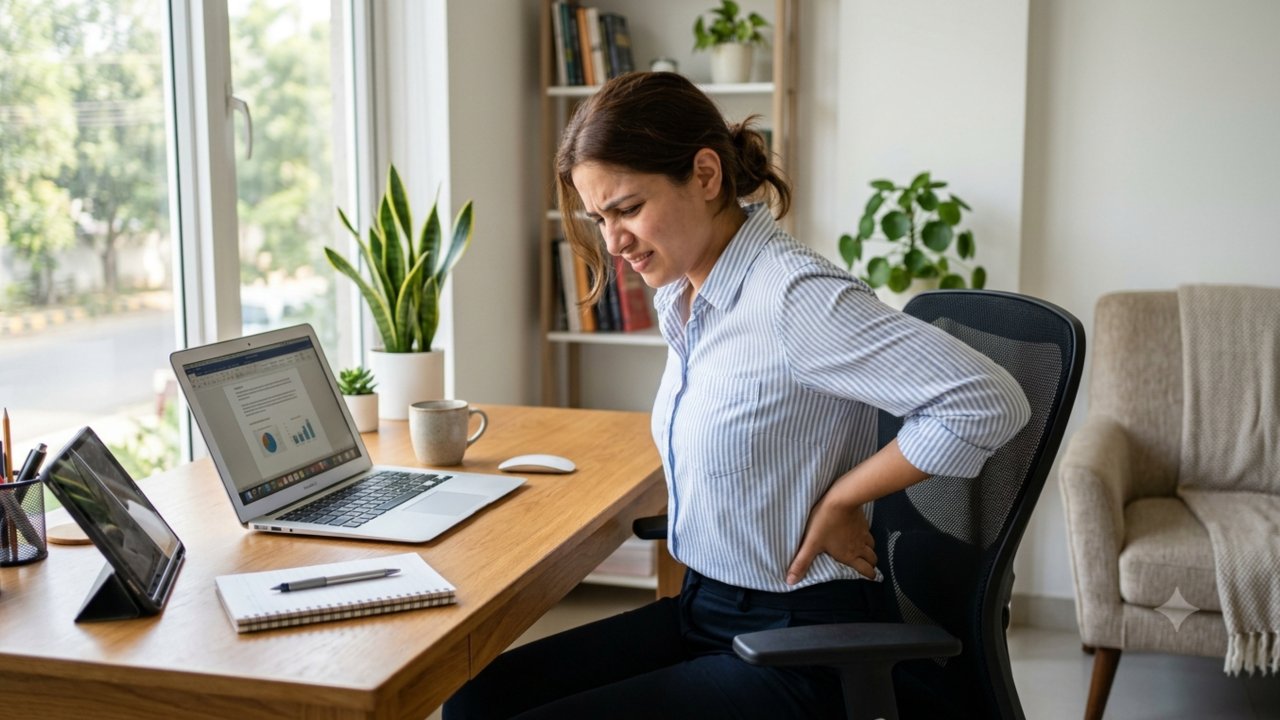 This discomfort in the lower back varies greatly in intensity and duration. Some individuals feel a persistent dull ache, while others experience sudden sharp pain that limits movement and affects activities significantly because of severity.
Understanding back pain requires recognizing the spine’s complexity and structure. It is often a symptom of underlying issues involving muscles, nerves, bones, tendons, or discs within the lumbar region where small failures can trigger symptoms.
The interconnected spinal system functions as an architectural marvel supporting movement and stability. Any disruption among its components may create discomfort or dysfunction requiring proper assessment and care. Effective management helps restore mobility and comfort.
Lower Back: A Brief Overview
Before diving into the causes, one must appreciate the lumbar spine. It consists of five vertebrae (L1 through L5) in the lower back.
These vertebrae are separated and cushioned by intervertebral discs, which act as shock absorbers, preventing the bones from rubbing against one another.
Ligaments hold the vertebrae in place, tendons attach muscles to the spinal column, and an intricate web of nerves threads through the spinal canal, branching out to the rest of the body. It is a marvel of biomechanical engineering—until it isn’t.
Common Causes & Types Of Low Back Pain
When a patient presents with low back pain, a medical professional will attempt to pinpoint the exact origin of the distress. The causes are vast, but several stand out as the most common culprits.
1. Sprains and Strains
Sprains and strains are common acute forms of low back pain caused by injuries to ligaments, muscles, or tendons due to excessive stretching, tearing, or stress.
These injuries often result from improper lifting, sudden movements, or sports-related overexertion. Muscle spasms may cause severe discomfort but usually improve with conservative treatment.
Although painful, most sprains and strains heal gradually with proper rest, care, and rehabilitation. Orthopedic clinics frequently manage these conditions because they occur commonly among active individuals.
2. Disc Degeneration:
Disc degeneration is a common cause of chronic low back pain that occurs as the spine experiences natural aging and wear over time.
Intervertebral discs act as shock absorbers between vertebrae, but they gradually lose water content, becoming thinner, stiffer, and less effective at cushioning movement.
As discs deteriorate, vertebrae may experience increased friction, causing pain, stiffness, and reduced flexibility. This condition can affect daily activities and spinal mobility.
3. Herniated or Broken Discs:
A herniated or slipped disc occurs when the soft inner material of an intervertebral disc pushes through a tear in its outer layer.
This condition may happen due to pressure, injury, or disc weakening over time. The displaced disc material can irritate nearby spinal nerves.
Nerve compression from a herniated disc may cause inflammation, severe pain, numbness, or discomfort. Proper diagnosis helps determine suitable treatment and management options.
4. Radiculopathy:
Radiculopathy refers to a condition caused by compression, inflammation, or injury of a spinal nerve root. It commonly develops when pressure affects the nerves connected to the spinal cord.
Similar to electrical wiring, spinal nerves transmit signals throughout the body. When a nerve root becomes compressed, it can disrupt normal communication and cause discomfort.
Symptoms of radiculopathy may include sharp pain, numbness, tingling, or weakness that radiates from the lower back into areas controlled by the affected nerve.
5. Sciatica:
Sciatica is one of the most recognized forms of radiculopathy, caused by compression or irritation of the sciatic nerve, the largest nerve in the human body.
The sciatic nerve begins in the lower back, passes through the buttocks, and extends down the back of the legs to the feet.
When this nerve becomes compressed, often due to a herniated disc, it may cause shooting pain, numbness, tingling, and discomfort that travels along the leg.
6. Spondylolisthesis:
Spondylolisthesis is a spinal condition where one vertebra in the lower back shifts forward over the vertebra beneath it, causing abnormal alignment.
The term originates from Greek words meaning “vertebra” and “slippage,” describing the movement of the spinal bones from their normal position.
This displacement can compress nearby spinal nerves, resulting in lower back pain, stiffness, and radiating discomfort that may extend into the legs.
7. Traumatic Injury:
Traumatic injuries to the lower back occur when sudden, high-impact forces exceed the body’s natural ability to withstand stress and cause damage.
These injuries may result from contact sports, vehicle accidents, or serious falls that affect muscles, tendons, ligaments, and other spinal structures.
In severe cases, traumatic events can lead to spinal fractures or dislocations, causing significant pain and requiring immediate medical evaluation and appropriate treatment.
8. Spinal Stenosis:
Spinal stenosis is a condition commonly associated with aging, where the spinal canal gradually becomes narrower and places pressure on the spinal cord and surrounding nerves.
This narrowing can lead to lower back pain, numbness, and discomfort, especially during walking or standing. This symptom pattern is known as neurogenic claudication.
If left untreated, spinal stenosis may gradually worsen and contribute to leg weakness, reduced sensation, and difficulty with mobility over time.
9. Skeletal Irregularities:
Skeletal irregularities occur when the natural alignment and curves of the spine become altered, potentially leading to stress, discomfort, and lower back pain.
Conditions such as scoliosis, which involves a sideways curvature of the spine, may remain painless initially but can cause problems later due to uneven mechanical strain.
Lordosis, characterized by an excessive inward curve of the lower back, and other spinal abnormalities can increase pressure on lumbar muscles and affect overall spinal function.
Other Serious Factors That Cause LBP
While the majority of low back pain is mechanical and non-life-threatening, it is crucial to recognize the “red flags”—serious underlying conditions that require immediate medical intervention.
1. Infections
Infections are uncommon causes of lower back pain but can become serious when they affect spinal structures such as vertebrae, discs, or joints.
Conditions like osteomyelitis, discitis, and sacroiliitis occur when infections involve bones, intervertebral discs, or sacroiliac joints, causing significant discomfort.
These infections are often associated with symptoms such as fever, severe localized tenderness, and persistent pain requiring prompt medical evaluation and appropriate treatment.
2. Tumors
Tumors are a rare but serious cause of lower back pain. They may develop directly in spinal tissues or spread from cancers originating in other parts of the body.
Primary tumors can affect the spine, while metastatic tumors may spread from areas such as the breast, lungs, or prostate to the spinal region.
Tumor-related back pain often remains constant, becomes more severe at night, and does not improve with rest, requiring timely medical evaluation and diagnosis.
3. Cauda Equina Syndrome
Cauda equina syndrome is a rare but serious spinal condition that occurs when a severe herniated or damaged disc compresses the bundle of nerves at the base of the spinal cord.
The term “cauda equina” means “horse’s tail,” referring to the group of lumbar and sacral nerve roots that control lower body functions.
This compression can cause loss of bladder or bowel control, severe numbness in the groin area, and other neurological symptoms. It requires immediate medical attention and often emergency surgery.
4. Abdominal Aortic Aneurysms (AAA)
An abdominal aortic aneurysm (AAA) is a serious vascular condition involving the weakening and enlargement of the aorta, the major blood vessel supplying the abdomen, pelvis, and legs.
When the aortic wall becomes weakened, it may leak or rupture, creating severe internal complications. The pain can resemble intense lower back pain but is often pulsating and associated with abdominal discomfort.
A ruptured AAA is a life-threatening emergency that requires immediate medical intervention and urgent surgical treatment to prevent fatal outcomes.
5. Kidney Stones
Kidney stones are not a musculoskeletal condition, but they can closely resemble lower back pain due to their location and symptoms.
They often cause sudden, sharp, and intense pain in the lower back, typically affecting one side and sometimes spreading toward the groin area.
Kidney stone pain may also occur with urinary symptoms, including discomfort during urination or blood in the urine, requiring proper evaluation for accurate diagnosis and treatment.
Other Conditions That Cause Back Pain
Beyond the acute injuries and severe red flags, several chronic, systemic conditions frequently manifest as low back pain.
1. Inflammatory Joint Diseases:
Conditions such as arthritis, including the wear-and-tear of osteoarthritis and the autoimmune destruction of rheumatoid arthritis, frequently attack the lower spine. Ankylosing spondylitis is a specific type of inflammatory arthritis that causes the vertebrae to fuse together over time, leading to severe stiffness and pain.
2. Osteoporosis:
A metabolic bone disease characterized by a progressive decrease in bone density and strength. Bones become porous and brittle. This can lead to painful compression fractures of the vertebrae, sometimes occurring from something as simple as a cough or a minor stumble.
3. Endometriosis:
A condition unique to females where the tissue that normally lines the inside of the uterus (the endometrium) grows outside it. This accumulation of uterine tissue in areas outside the uterus, such as the pelvis or lower abdomen, can refer pain to the lower back, particularly during menstruation.
4. Fibromyalgia:
A chronic, widespread pain syndrome that involves amplified pain perception. It is characterized by widespread muscle pain, profound fatigue, and sleep disturbances, with the lower back often being a primary site of distress.
Ayurvedic Treatment for Low Back Pain (LBP)
Modern Western medicine plays an important role in diagnosing low back pain by identifying structural problems through advanced imaging techniques such as MRIs and X-rays. However, its management approach often focuses on treating specific symptoms rather than addressing the body as a whole.
1. Conventional Treatment Approaches for Low Back Pain
Conventional treatment for acute low back pain often includes muscle relaxants, anti-inflammatory medications, and hot or cold compresses to provide short-term symptom relief.
For chronic back pain, doctors usually perform detailed evaluations to identify the underlying cause. Treatment may involve medications, physical therapy, lifestyle modifications, and targeted exercises to improve strength, flexibility, and mobility.
In more severe cases, specialists may recommend advanced options such as traction, epidural injections, or surgery. Although these treatments can help manage pain and improve function, they often focus mainly on symptom control rather than restoring overall body balance.
2. Ayurveda: A Holistic Approach to Low Back Pain Relief
Ayurveda offers an ancient, holistic approach that views the body as an interconnected system rather than a collection of separate parts.
Ayurvedic treatment for low back pain focuses on restoring balance, improving body functions, and addressing the underlying causes of discomfort.
3. Role of Doshas in Ayurvedic Treatment
According to Ayurveda, every individual has three fundamental energies known as Doshas: Vata, Pitta, and Kapha.
These doshas are influenced by the five natural elements: ether, air, fire, water, and earth. Ayurvedic treatment considers an individual’s unique constitution and lifestyle factors before recommending therapies.
4. Vata Dosha and Lower Back Pain
In Ayurveda, low back pain is primarily associated with an imbalance in the Vata dosha. Vata consists of the elements ether and air and governs movement, nerve impulses, circulation, and elimination processes within the body.
5. How Vata Imbalance Causes Back Pain
When Vata becomes aggravated, it can create dryness, coldness, and irregular movement in the body. This imbalance may lead to muscle stiffness, spasms, restricted movement, and pain, especially in the lower back region.
The lower back is considered the main location of Apana Vata, a sub-dosha responsible for downward movement and elimination functions.
Maintaining Vata balance through Ayurvedic therapies, diet, lifestyle changes, and natural remedies may help support healthy back function and overall well-being.
What Should I Do for Lower Back Pain?
According to Ayurveda, lower back pain can be associated with an imbalance of Vata dosha, particularly when the body is exposed to cold, dryness, stress, overexertion, or irregular routines. Ayurveda recommends a supportive lifestyle focused on warmth, nourishment, relaxation, appropriate movement, and regular elimination.
Here are five traditional Ayurvedic approaches that may help support comfort and balance:
1. Keep the Lower Back Warm
Cold is one of the qualities traditionally associated with Vata. It is natural to seek warmth and comfort when we feel tired, unwell, or in pain.
Applying a warm heating pad, taking a warm bath, or dressing warmly can help soothe tense muscles and provide comfort. Gentle heat may also promote circulation and relaxation.
Use heat comfortably and avoid excessive temperatures or prolonged exposure, particularly if you have reduced sensation in the area.
2. Limit Excessively Spicy Foods
Although spicy foods are traditionally considered heating, very pungent spices—particularly large amounts of chili—can be drying.
Because dryness is another quality associated with Vata, Ayurveda recommends avoiding excessive use of very spicy foods when Vata is aggravated. Instead, consider gentler warming spices such as ginger, cumin, and cinnamon.
Maintaining adequate hydration and dietary fiber is also important for preventing constipation, which can sometimes accompany or worsen discomfort.
3. Choose Warm, Cooked Foods and Drinks
Ayurvedic traditions generally favor warm, freshly prepared foods when Vata is aggravated. Cold foods and drinks are traditionally believed to increase qualities associated with Vata, while warm meals are considered more grounding and soothing.
Choose nourishing foods such as soups, stews, cooked vegetables, grains, and other warm meals. Sipping warm water or herbal beverages can also be comforting.
A regular bowel routine is important for overall well-being. However, constipation should not automatically be assumed to be the cause of lower back pain.
4. Practice Gentle Yoga
Movement can be beneficial for back health, but the appropriate type and intensity depend on the individual and the cause of the pain.
Padahastasana (Standing Forward Fold) is traditionally used in yoga and can gently stretch the hamstrings, gluteal muscles, and muscles along the back of the body.
However, a forward fold may aggravate certain back conditions. If you try it, move slowly, avoid forcing the stretch, and keep the knees comfortably bent if needed. Stop if you experience increased pain, numbness, tingling, or weakness.
For acute or severe back pain, consult a qualified healthcare professional before beginning yoga or other exercises.
5. Consider Abhyanga (Oil Massage)
Ayurveda places particular emphasis on oil massage, known as Abhyanga, as a way to support relaxation and balance Vata.
Traditionally, warm sesame oil is used because it is considered nourishing, warming, and grounding. A gentle massage of the body, including the lower back, may promote relaxation and provide temporary comfort.
Stress, poor sleep, fatigue, and physical overexertion can all contribute to muscle tension and may make pain feel worse.
Incorporating calming practices such as gentle massage, adequate rest, breathing exercises, and a consistent daily routine may therefore be helpful.
An Important Note About Lower Back Pain
Ayurvedic practices may be used as complementary approaches to support general well-being, but they should not replace appropriate medical evaluation or treatment.
Lower back pain can have many causes, including muscle strain, nerve irritation, disc problems, arthritis, spinal stenosis, and other conditions. If pain is severe, persistent, recurrent, or associated with leg weakness, numbness, loss of bladder or bowel control, fever, unexplained weight loss, or significant trauma, seek medical attention promptly.
If you have a diagnosed condition such as a herniated disc or spinal stenosis, consult your physician or physiotherapist before beginning yoga, massage, dietary changes, or other complementary therapies. Ayurvedic treatments should likewise be discussed with a qualified Ayurvedic practitioner, particularly when used alongside conventional medical care.
Ayurvedic Massage For Back Pain: Specialized Therapies
Apart from general lifestyle adjustments and medication, oil applications are often sufficient for back pain related purely to the muscles.
However, even the most severe pain—the kind that orthopedic doctors often recommend surgery for—can respond remarkably well to specialized Ayurvedic massages and therapies.
These are not your typical spa massages; they are intensive, targeted medical treatments designed to detoxify, reduce inflammation, and regenerate tissues.
1. Podikkizhi:
This translates to a massage based on micronized medicinal herbs. Fresh or dried herbs are fried in medicated oils, tied into small cloth boluses (pouches), and then dipped in warm medicated oil before being vigorously massaged over the affected area.
The heat and the medicinal properties of the herbs penetrate deep into the muscles, providing profound relief from spasm and inflammation.
2. Ilakkaizhi Kashaya Vasthi:
This is a form of localized treatment utilizing herbal decoctions. While Vasthi traditionally refers to Ayurvedic enemas (which are also highly effective for lower back pain as they clear the bowels and pacify Apana Vata), in a localized massage context.
It involves the application and fomentation of areas using cloth pouches dipped in specific medicinal herbal cookings (Kashayam). It is incredibly effective for reducing swelling and deep-seated pain.
3. Ksheera Vasthi:
This is a highly nourishing therapy. It involves the application (or administration) of oil mixed with medicated milk, often utilizing Shuddha Bala taila (a potent herbal oil).
Milk is deeply cooling, soothing, and rejuvenating, making this therapy perfect for chronic, inflammatory back pain where the tissues have become depleted and fragile.
4. Kativasthi:
This is perhaps the most famous Ayurvedic treatment specifically for low back pain. “Kati” means lower back, and “Vasthi” means to hold.
In this procedure, a special reservoir made of black gram flour dough is built on the lower back, creating a sealed well over the painful area.
Warm, medicated herbal oil is then continuously poured into this reservoir and allowed to sit there for a specified period (usually 30 to 45 minutes).
The oil saturates the local tissues, ligaments, and discs, providing intense lubrication and relief.
5. Pizhichil:
Also known as “Sarvanga Dhara,” this is a luxurious and deeply therapeutic treatment where warm, medicated oils are continuously poured throughout the body in a rhythmic stream while therapists simultaneously massage the body.
It is an excellent treatment for systemic Vata imbalance, fatigue, and chronic lower back pain that is accompanied by whole-body stiffness.
6. Nhavarakkizhi:
This is a highly rejuvenating therapy. It involves the preparation of a special type of cooked rice (Shashtika Shali) which is cooked in cow’s milk and herbal decoctions.
This warm, medicated rice is then tied into cloth boluses and used to massage the entire body. It is incredibly effective for strengthening the muscles, improving blood circulation, and rebuilding degenerated tissues in the lower back.
The Importance of Personalization and Natural Ingredients in Ayurveda
Ayurvedic treatment for low back pain focuses not only on providing symptomatic relief but also on strengthening the body and preventing future complications.
These therapies are designed to support tissue health, reduce inflammation, and help maintain the natural balance of the body.
1. Role of Natural Ingredients in Ayurvedic Therapies
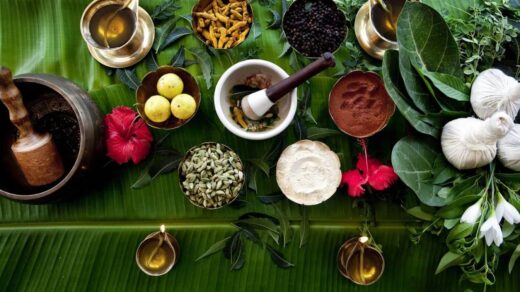
Ayurvedic formulations are commonly prepared using natural ingredients, including medicinal herbs, dried leaves, ginger, coconut, mountain salt, and various herbal powders.
These ingredients are carefully combined with therapeutic oils such as sesame oil, coconut oil, or medicated ghee to enhance their healing properties.
These herbal preparations may be applied through massage techniques, manual therapies, or specialized Ayurvedic methods such as Pinda Sweda (herbal bolus therapy), where warm herbal sachets are used to support relaxation, circulation, and muscle comfort.
2. Personalized Ayurvedic Treatment for Low Back Pain
The effectiveness of Ayurveda largely depends on personalized treatment plans. Unlike a one-size-fits-all approach, Ayurveda considers each individual’s unique body constitution, lifestyle, and health condition before recommending therapies.
3. Understanding Dosha Imbalance
An Ayurvedic practitioner evaluates whether the back pain is primarily caused by a Vata imbalance or influenced by other doshas. Increased Pitta may indicate inflammatory conditions, while aggravated Kapha may be associated with heaviness, stiffness, congestion, or excess weight.
4. Factors Considered Before Treatment
Before selecting specific herbs, oils, or therapies, Ayurveda considers important factors such as the patient’s age, digestive strength, physical condition, and overall health.
This personalized approach helps create suitable therapies that support balance, mobility, and long-term back health.
By understanding that pain in the lower back is often a manifestation of a systemic, cold, dry, and constricted state (Vata imbalance), Ayurveda empowers individuals to take their healing into their own hands through daily rituals: staying warm, eating nourishing foods, avoiding dietary extremes, practicing gentle yoga, and anointing the body with oil.
Disclaimer: This article is for educational purposes only and should not replace professional medical advice. If you are experiencing low back pain, especially if accompanied by numbness, weakness, or loss of bowel/bladder control, seek immediate evaluation from a qualified healthcare provider. All Ayurvedic therapies must be prescribed and supervised by experienced Ayurvedic doctors.
References
- World Health Organization (WHO). Low back pain. World Health Organization. WHO – Low Back Pain
- World Health Organization (WHO). Musculoskeletal health. World Health Organization. WHO – Musculoskeletal Health
- National Institute of Neurological Disorders and Stroke (NINDS). Low Back Pain. National Institutes of Health. NINDS – Low Back Pain
- National Institute for Health and Care Excellence (NICE). Low back pain and sciatica in over 16s: assessment and management (NG59). NICE. NICE – Low Back Pain and Sciatica
- National Institute for Health and Care Excellence (NICE). Exercise and physical activity for low back pain and sciatica. NICE. NICE – Exercise and Physical Activity
- Earwood, J. S., Doles, N. A., & Russell, R. S. Acute Low Back Pain: Diagnosis and Management. American Family Physician. American Family Physician – Acute Low Back Pain
- Will, J. S., Bury, D. C., & Miller, J. A. Mechanical Low Back Pain. American Family Physician. 2018;98(7):421–428. American Family Physician – Mechanical Low Back Pain
- National Center for Complementary and Integrative Health (NCCIH). Ayurvedic Medicine: In Depth. National Institutes of Health. NCCIH – Ayurvedic Medicine
- National Center for Complementary and Integrative Health (NCCIH). Yoga: Effectiveness and Safety. National Institutes of Health. NCCIH – Yoga
- National Center for Complementary and Integrative Health (NCCIH). Massage Therapy: What You Need To Know. National Institutes of Health. NCCIH – Massage Therapy
- MedlinePlus. Back Pain. U.S. National Library of Medicine. MedlinePlus – Back Pain























Birla Ayurveda offers you the gift of Holistic Health through Authentic Ayurveda.
We treat the individual as a whole, maintaining the balance of body consultation, these results in the revitalization and holistic health. Medicinal oils and herbs from Kerala are used for Ayurvedic therapies.
Talented Kerala therapists, duly guided by our experienced Ayurveda doctors, ensure an authentic and personalized experience, each time.
Birla Ayurveda is renowned for successfully treating ailments such as chronic arthritis, sinusitis, migraine, slip disc, lumbar spondylitis, sciatica, stress, obesity, and asthma, as well as neuromuscular and skin-related disorders.
We also have exclusive Ayurveda wellness membership packages, which comprise preventive and wellness therapies that keep bone and joint problems, obesity, stress & strain, hair and skin ailments, diabetes, and various other lifestyle disorders at bay, and enable you a holistic state of living.
Birla Ayurveda has over 15 therapy centers in India, which are a combination of wellness Ayurveda, daycare treatment centers, stay facilities, Ayurveda medicines, and Ayurveda doctor consultation.
Ayurveda gives solution and remedy for every disease. It is good to know about lower back pain remedy with various massage techniques. Your blog helped me to know more about natural treatments
Low back pain is very common among adults and it is often caused by overused of muscles causing strain or injury. Long hours of sitting and standing can also aggravate the condition.
Your Blog is very nice. Wish to see much more like this. Thanks for sharing your information