Kasa Chikitsa: Ayurvedic Treatment for Cough & Bronchitis

The Charaka Samhita is Ayurveda’s foundational text, presenting comprehensive knowledge of human health by integrating physical, mental, and spiritual dimensions into a holistic healing system.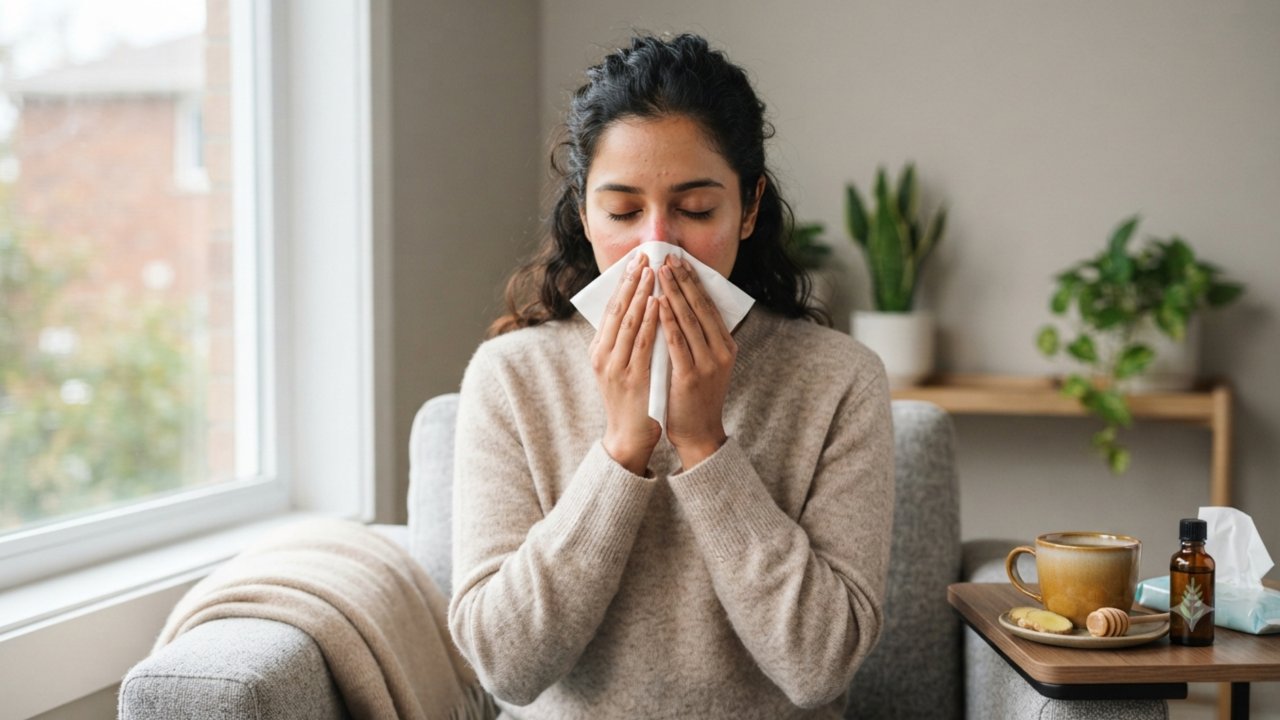 Its Chikitsa Sthana contains the Kasa Chikitsa Adhyaya, explaining cough, bronchitis, respiratory disorders, their causes, progression, symptoms, and effective therapeutic management systematically.
Beginning with “Thus, said Atreya,” the chapter honors Sage Atreya, whose qualities of austerity, intellect, courage, and reputation establish enduring medical authority.
The text teaches physicians that genuine healing requires ethical conduct, disciplined learning, spiritual awareness, and perceptive understanding beyond simply memorizing medicinal herbs alone.
The chapter defines health as physical, mental, and energetic balance, emphasizing individualized diagnosis, precise treatment, preventive care, and sustained respiratory wellness through Ayurvedic principles.
The 5 Types of Kasa (Kasa Bheda)
In classical Ayurveda, disease classification is never arbitrary; it is deeply rooted in the fundamental principles of the three Doshas (Vata, Pitta, and Kapha—the bio-energetic forces that govern all physiological and psychological activities).
Charaka classifies Kasa into five distinct varieties, issuing a stern warning: if left untreated or exacerbated, these conditions can lead to Kshaya (cachexia)—a state of profound tissue wasting, debility, and systemic collapse.
- Vataja Kasa: Driven by the aggravation of Vata Dosha (the force governing movement, dryness, and the nervous system). It is characterized by extreme dryness, pain, and a hollow sound.
- Pittaja Kasa: Results from the vitiation of Pitta Dosha (the force governing metabolism, heat, and transformation). It is marked by heat, burning sensations, inflammation, and bilious secretions.
- Kaphaja Kasa: Originating from an imbalance of Kapha Dosha (the force providing structure, lubrication, and immunity). It features excessive, thick phlegm, heavy congestion, and a wet cough.
- Kshataja Kasa: A severe, structural condition arising from physical trauma or internal injury to the chest cavity and lung tissues. It often involves hemorrhage and is akin to traumatic bronchitis or hemoptysis.
- Kshayaja Kasa: The most critical and terminal form, associated with systemic tissue depletion. It is historically identified with pulmonary tuberculosis (Rajayakshma). It signifies a profound vitiation of all three Doshas and a catastrophic collapse of the body’s vital reserves.
This typology provides the physician with an infallible diagnostic roadmap. Identifying the predominant Dosha or the specific causative factor is the crucial first step toward curing the patient.
Types of Kasa: Causes, Signs, and Symptoms
To effectively treat Kasa, a physician must understand the exact triggers (Nidana) and the resulting clinical picture (Lakshana) of each variety.
1. Vataja Kasa (Vata-Dominant Cough)
Causative Factors (Nidana):
- Vata is aggravated by qualities that are dry, cold, and light.
- Dietary triggers include the excessive consumption of dry (Ruksha), cold (Sheeta), and astringent (Kashaya) foods.
- Improper dietary habits, such as eating too little (Pramitashana) or fasting (Anasana), starve the tissues of nourishment.
- Lifestyle factors include overindulgence in sexual activity (Ati vyavaya), suppression of natural physical urges (Vegadharana), and excessive physical strain or exercise (Ati ayasa).
Signs and Symptoms (Lakshana):
- The patient presents with excruciating pain in the cardiac region (Hrit), the sides of the chest (Parshva), the chest itself (Uras), and severe headaches (Shira Shula).
- Due to extreme dryness, there is severe hoarseness of voice (Swara bheda) and pronounced dryness in the chest, throat, and mouth.
- Systemically, the patient experiences horripilation (goosebumps), fainting, and a resonant, hollow, dry sound during coughing (Nirghosha).
- There is profound prostration (Daurbalya), agitation (Ksobha), and even unconsciousness (Moha).
- The cough is typically dry (Sushka kasa), and any phlegm expelled is scanty, hard, and semi-solid.
- Notably, the cough worsens after the digestion of food (Urdhva vata jirne anna) but finds temporary relief from unctuous, sour, saline, and warm foods and drinks.
2. Pittaja Kasa (Pitta-Dominant Cough)
Causative Factors (Nidana):
- Pitta is aggravated by heat and intensity. Dietary triggers include the excessive intake of pungent (Katu), hot (Ushna), acidic or burning (Vidahi), sour (Amla), and alkaline (Kshara) foods.
- Emotional and environmental triggers play a massive role here—specifically uncontrolled anger (Krodha) and excessive exposure to the heat of fire or the sun (Santapa).
Signs and Symptoms (Lakshana):
- The cardinal signs involve heat and discoloration. The patient expectorates yellowish sputum (Peeta nisthivana) and exhibits a yellow tinge in the eyes.
- They experience a persistent bitterness in the mouth (Tikta aasya), a distinct feeling as if smoke is emanating from the chest (Uro dhumayanam), and a burning sensation in the chest and throat (Daha).
- Systemic signs include morbid thirst (Trushna), unconsciousness, anorexia (Aruchi), giddiness (Bhrama), and the visual disturbance of seeing star-like particles in the visual field (photopsia).
3. Kaphaja Kasa (Kapha-Dominant Cough)
Causative Factors (Nidana):
- Kapha is aggravated by heavy, cold, and oily substances. Dietary triggers include the overconsumption of heavy-to-digest (Guru), channel-obstructing (Abhishyandi), sweet (Madhura), and unctuous (Snigdha) foods.
- Lifestyle factors are primarily sedentary: excessive sleep, indolence, and a complete lack of physical activity (Svapna vicchesta).
- Pathologically, the aggravated Kapha acts like a wet blanket, obstructing the natural movement of Vata, which forces Vata to push upward, resulting in a congestive cough.
Signs and Symptoms (Lakshana):
- The digestive fire is severely impaired, leading to suppressed digestive power (Manda agni), anorexia, vomiting, chronic rhinitis (Pinasa), nausea, and a generalized feeling of heaviness in the body (Gaurava).
- The sputum is copious, thick (Ghana), sweet-tasting, unctuous, and notably easy to expectorate.
- The patient experiences horripilation, alongside a persistent sweetness and stickiness in the mouth.
- While the cough itself is not typically painful, there is an agonizing, persistent feeling of fullness and congestion in the chest (Vaksha sampurna).
4. Kshataja Kasa (Cough due to Injury/Trauma)
Causative Factors (Nidana):
- This is a structural disease caused by mechanical stress.
- Triggers include excessive sexual indulgence (which depletes vital tissue), carrying excessively heavy loads (Bharadhva), walking or running excessively long distances, and physical trauma such as fighting, wrestling, or falling from animals like horses and elephants.
- These activities cause direct injury (Kshata) to the chest cavity and lung tissues, leading to internal dryness that violently aggravates Vata.
Signs and Symptoms (Lakshana):
- Initially, the cough is dry, but it rapidly progresses to coughing up phlegm heavily mixed with bright red blood.
- The patient experiences severe pain in the throat and a terrifying sensation that the chest is “cracking” open.
- There is pricking, piercing pain, as if being stabbed by sharp needles, and the chest becomes highly tender to the touch.
- Systemic signs include severe pain in the small joints (Parva bheda), fever (Jwara), dyspnea (Shvasa), morbid thirst, and hoarseness of voice.
- The cough produces a highly distinctive cooing sound, akin to the cry of a pigeon (Paravata iva kujan).
5. Kshayaja Kasa (Cough due to Wasting/Consumption)
Causative Factors (Nidana):
- This represents a total systemic failure. Dietary causes include the continuous intake of incompatible and unwholesome food (Vishama satmya), excessive sexual activity, and chronic suppression of natural urges.
- Psychological factors are profoundly destructive here: an immensely hateful disposition, excessive, unprocessed grief, and chronic, grinding worry.
Pathogenesis and Symptoms:
- These factors completely extinguish the digestive fire (Agni), leading to an absolute failure in tissue nutrition. All three Doshas become simultaneously and severely aggravated, causing systemic tissue depletion (Kshaya).
- Symptoms include foul-smelling sputum that is greenish, reddish, or resembles pus.
- The patient experiences a terrifying sensation as if the heart is being displaced or falling down during a coughing paroxysm.
- There are sudden bouts of alternating hot and cold flashes, excessive hunger (paradoxically paired with an inability to digest), profound weakness, and emaciation.
- Deceptively, the face, complexion, and skin may appear temporarily clean and unctuous, the eyes may glow, and the palms and soles may be smooth—this is a pathological, deceptive lubrication amidst severe systemic wasting. Behaviorally, the patient becomes highly irritable, fault-finding, and hateful.
Prognosis:
- Kshayaja Kasa is the most serious. If the patient is already emaciated, it is considered fatal.
- A cure is only possible if the patient is strong, the disease is in its earliest stages, and all four pillars of treatment (the physician, the medicine, the attendant, and the patient) are perfectly aligned.
- Kshataja is palliable in strong patients. Both Kshataja and Kshayaja are generally considered only palliative in the elderly.
Premonitory Signs (Purvaroopa) of Kasa
Before a disease fully manifests, the body broadcasts subtle distress signals. Recognizing these premonitory signs allows for early intervention, preventing the disease from taking firm root. Charaka enumerates three classic indicators for an impending Kasa:
- Shuka poorna galasyata: A sensation as if the throat and mouth are completely stuffed with bristles or thorns. This perfectly describes the scratchiness, raw irritation, and micro-congestion that precede a cold or bronchitis.
- Kante kandu: A persistent, distracting itching sensation deep in the throat, prompting the constant need to clear it.
- Bhojyanam avarodha: A distinct feeling of mechanical obstruction or difficulty in the esophagus during the act of swallowing food.
These signs indicate the initial disturbance of Vata and its nascent upward movement, beginning to irritate the delicate respiratory mucosa.
The Pathogenesis (Samprapti): The Mechanics of a Cough
Charaka explains that cough originates when Apana Vayu, responsible for downward elimination, becomes obstructed. Unable to follow its natural course, the aggravated Vata reverses direction, moving forcefully upward and initiating the pathological process leading to cough.
The ascending Vata enters the Pranavaha Srotas and channels of the head, disturbing normal respiration. It disrupts Udana Vayu, which governs speech, breathing, vocal expression, effort, and the coordinated reflex of exhalation.
The aggravated Vata lodges within the throat and chest, producing abnormal body movements, bending, and muscular strain. Tension develops in the jaws, neck, chest, and eyes, reflecting the systemic effects of disturbed Vata.
Persistent Vata aggravation causes contraction and stiffness of the eyes, back, and lateral chest walls. This neuromuscular tension culminates in a powerful expulsion of air from the lungs, manifesting clinically as a cough.
When Kapha accompanies Vata, coughing becomes productive with phlegm and characteristic rattling sounds. When Vata acts alone, the cough remains dry, painful, and harsh, producing a barking sound from constricted airways.
Ayurvedic Treatment of Kasa (Kasa Chikitsa)
Charaka outlines a sophisticated, multi-modal treatment plan. The first three types (Vataja, Pittaja, Kaphaja) are treated with standard Dosha-pacifying and cleansing therapies.
The latter two (Kshataja, Kshayaja) require a delicate, intense strategy of tissue repair and rejuvenation.
1. Treatment of Vataja Kasa
The primary aim is to counteract the extreme dryness and instability of Vata through oleation, nourishment, and warmth.
Line of Treatment:
- Snehana (Oleation Therapy): Internal administration of medicated ghees or oils, coupled with external oil massage (Abhyanga) to pacify the nervous system and hydrate the tissues.
- Basti (Medicated Enema): Anuvasana Basti (oil-based enema) is the paramount treatment for Vata disorders, particularly when accompanied by constipation, as it directly pacifies Vata in its primary seat (the colon).
- Diet: Warm, liquid, nourishing foods like Peya (thin rice gruel), Yusa (meat or lentil soup), Ksheera (warm milk), and Rasa (meat broths) prepared with Vata-alleviating herbs.
Elaborate Medicinal Formulations:
- Kantakari Ghrita: Ghee cooked with Kantakari (Solanum xanthocarpum – a premier respiratory herb) and Guduchi (Tinospora cordifolia – an immunomodulator). This effectively clears dry cough while boosting digestion.
- Pippalyadi Ghrita: A masterpiece formulation by Atreya, cooking ghee with Dashamula (ten roots), Long Pepper, Ginger, and Asafoetida. It cures cough, asthma, chest pain, and malabsorption.
- Trayushanadi Ghrita: Ghee cooked with milk, the three spices (ginger, long pepper, black pepper), the three myrobalans, and grapes. A highly potent recipe that treats cough, fever, and even early-stage tuberculosis.
- Rasna Ghrita: A complex preparation utilizing goat meat, milk, ghee, and the Jivaniya group of herbs (herbs that promote life and tissue repair). It is used uniquely as nasal drops (Nasya), a drink (Pana), and an enema to cure all five types of Kasa.
- The Master Tonic: Agastya Haritaki: Perhaps the most famous respiratory formulation in Ayurveda. One hundred Haritaki (Terminalia chebula) fruits are processed in a massive decoction of barley and herbs like Shatavari, Bala, and Pippali, then cooked with jaggery, ghee, and sesame oil, and finally mixed with honey. Taking two of these processed fruits daily acts as a premier Rasayana (rejuvenator), reversing aging signs, promoting longevity, and curing all five types of Kasa, asthma, and hiccups.
Dhumapana (Medicated Smoking): Charaka prescribes a highly specialized form of herbal smoking.
Using a specialized device made of two sealed earthen plates connected by a tube, the patient inhales medicated smoke through the mouth, holds it to let it pervade the deep lung tissues, and exhales.
Formulations like Manahsiladi Dhuma (containing purified realgar and other herbs) act as powerful bronchodilators and expectorants, capable of dislodging deep-seated, stubborn phlegm that oral medicines cannot reach.
2. Treatment of Pittaja Kasa
The goal here is to rapidly pacify heat, acidity, and mucosal inflammation using cooling, sweet, and bitter therapies.
Line of Treatment:
- Vamana (Therapeutic Emesis): If the cough is mixed with heavy Kapha, emesis is induced using medicated ghees or decoctions mixed with licorice juice and sugarcane juice.
- Virechana (Purgation): This is the primary treatment for Pitta. Trivrit (Operculina turpethum) is the herb of choice. If the phlegm is thin, it is given with sweet-tasting herbs; if thick, it is combined with bitter herbs to rapidly flush heat from the GI tract and blood.
Medicinal Formulations:
- Linctus (Leha) Recipes: Several cooling linctuses are prescribed, utilizing herbs like Licorice (Yasti-Madhu), Grapes (Draksha), Indian Gooseberry (Amalaki), Sandalwood (Chandana), and Blue Water Lily (Utpala), bound with sugar, ghee, and honey.
- Medicated Milk (Ksheerapaka): Milk is boiled with specific roots or Pippali and grapes, acting as a cold, nourishing, demulcent that coats the inflamed throat and bronchi.
Dietary Recommendations: The patient is advised to consume grains like barley, meats from arid-zone animals, and post-prandial drinks consisting of cool water mixed with sugar, grape juice, or pure milk. All food must be cool, sweet, and non-irritating.
3. Treatment of Kaphaja Kasa
The strategy is to aggressively counteract the heavy, sticky congestion of Kapha through drying, heating, and deep cleansing therapies.
Line of Treatment:
- Vamana (Emesis): This is the absolute foremost treatment. Therapeutic emesis instantly eliminates the excess, sticky Kapha from the stomach and respiratory tract, providing immediate relief to the patient.
- Diet: The patient is switched to light, dry, and hot-potency foods like barley. They consume soups of Horse Gram (Kulattha) infused with Pippali and alkalies, or the juice of radishes, which naturally cut through mucus.
Medicinal Formulations:
- Katphaladi Kashaya: A sharp decoction containing Katphala, Bharngi, Musta, Coriander, and Vacha, taken with honey and asafoetida. It effectively dries up Kapha in the lungs.
- Dashamuladi Ghrita & Kantakari Ghrita: Though ghee is normally heavy, when cooked with intensely pungent herbs like Pippali, Chitraka, and Asafoetida, it becomes a penetrating vehicle that pulls Kapha out of the deep lung tissues.
- Dhumapana: The medicated smoking therapies are highly effective here to dry out the humid, Kapha-laden respiratory passages.
4. Treatment of Kshataja Kasa (Traumatic Cough)
Because this condition involves actual tissue damage and bleeding, the treatment shifts entirely from cleansing to intense nourishment and tissue repair.
Line of Treatment:
- Brimhana (Nourishing Therapy): Instantaneous treatment with sweet-tasting drugs and the Jivaniya group of herbs (e.g., Jivanti, Madhuka, Shatavari) that promote cellular regeneration and build muscle and tissue mass.
Key Formulations:
- Pippaladi Leha: A rich, heavy linctus made from a paste of Long Pepper and Licorice, cooked in cow’s milk and goat’s milk, enriched with sugarcane juice, barley, wheat, grapes, and sesame oil. It is heavily laden with ghee and honey. This stops the bleeding, heals the injured lung tissue, cures the cough, and acts as a powerful rejuvenator for the elderly and those with low vitality.
- General Management: Milk, ghee, and honey are the mainstays. If there is severe pain, gentle massage with Vata-pacifying oils is applied. For active bleeding, a specially extracted ghee from the cream of milk is used both as inhalation (Nasya) and oral medicine to stop hemorrhage. Dhumapana (smoking) is only introduced once the injury has sealed and pain persists only due to trapped Kapha.
5. Treatment of Kshayaja Kasa (Wasting/Consumption)
This is the most challenging clinical scenario in Ayurveda, requiring a master physician. The treatment demands a delicate, masterful balance of gentle cleansing and intense rejuvenation, without causing further depletion.
Line of Treatment: A patient who is profoundly weak and exhibiting all the symptoms of systemic failure should generally not be subjected to aggressive treatment, as the trauma of therapy will kill them faster than the disease.
Only a strong patient with a recent onset may be treated. The physician must begin by kindling the digestive fire (Agni) and providing deep nourishment.
If the Doshas are highly aggravated but the patient is strong, a Mrudu Virechana (a very mild, gentle purgation using medicated ghee) is administered to clear the channels of toxic buildup without causing weight loss.
Formulations:
- DviPanchaMuladi Ghrita: A highly complex ghee cooked with two sets of five roots (the Dashamula and others), combined with specific herbs and various mineral salts to restore electrolyte balance and tissue integrity.
- Jivantyadi Leha: A massive, multi-ingredient formulation containing over 40 herbs, including Jivanti (a life-promoting herb), the three myrobalans, Punarnava (which helps regenerate tissue and reduce swelling), and even Loha Bhasma (purified iron ash) to treat the severe anemia associated with consumption. Taken with ghee and honey, it serves as a sovereign remedy for all five varieties of Kasa.
- Diet: The patient is given highly nourishing, easily digestible meats—specifically from birds that scratch for food (like chickens) and animals that live in burrows—cooked with Vata-alleviating herbs. These meats are considered deeply regenerative for lung tissue in Ayurvedic pathology.
The Kasa Chikitsa Adhyaya is a masterclass in medical logic. Through the lineage of Sage Agnivesha, edited by Charaka and later supplemented by Drudhabala, the chapter provides an encyclopedic yet highly structured overview of respiratory disease.
It comprehensively covers the exact etiological factors for each type of cough, the detailed signs and symptoms required for flawless diagnosis, the nuanced prognosis (knowing exactly when a disease is curable, palliable, or fatal), and a vast pharmacopeia of therapeutic procedures.
It clearly delineates the comparative seriousness of the different types, with each succeeding type (from Vataja to Kshayaja) representing a deeper level of pathological invasion.
The therapies are elegantly categorized into:
- Bhojya (therapeutic food preparations)
- Pana (medicinal drinks)
- Sarpis (medicated ghees)
- Leha (linctuses and jams, usually taken with anupana/post-prandial drinks)
- Ksheera (medicated milks)
- Sarpirguda (special confections of ghee and jaggery)
- Dhuma (medicated smoking therapies for direct pulmonary delivery)
Ultimately, this chapter is far more than a historical list of herbal remedies. It is a profound scientific treatise that demonstrates an incredibly deep understanding of respiratory pathophysiology, the mind-body connection in chronic illness, and the necessity of personalized, multi-modal treatment.
By addressing the root cause of the imbalance—whether it be dryness, inflammation, congestion, trauma, or systemic wasting—Ayurveda offers a timeless framework for respiratory health that remains brilliantly relevant and highly applicable to the challenges of contemporary medicine.