What Is Pranayama? Benefits, Types, and How to Practice

Take a moment to observe your breath—the gentle rise of your chest, cool air entering your nostrils, and warm air leaving. This effortless rhythm quietly sustains life from your first breath until your final exhalation.
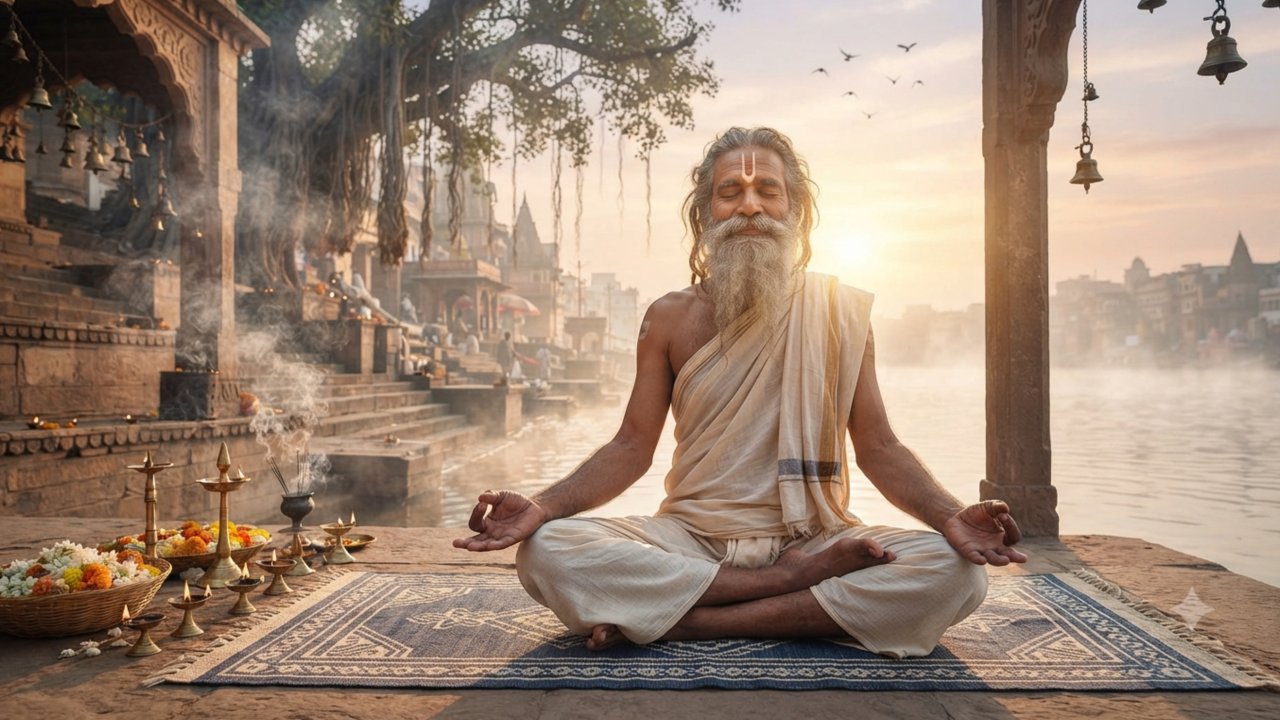 Despite its essential role, breathing often goes unnoticed. Modern lifestyles encourage shallow, irregular chest breathing that supports survival but limits vitality, reducing the body’s ability to function with energy, balance, and resilience.
Pranayama, the ancient yogic science of breath regulation, offers a conscious approach to breathing. More than simple exercises, these practices cultivate awareness, improve respiratory efficiency, and harmonize the connection between body and mind.
The Sanskrit word Pranayama combines Prana, meaning life force or vital energy, with Ayama, meaning expansion. Its purpose is not breath restriction but the expansion and balanced flow of vital energy throughout the body.
This guide explores the philosophy, physiology, techniques, and practical benefits of Pranayama. Whether enhancing yoga practice or reducing stress, conscious breath control can transform physical health, mental clarity, emotional balance, and overall well-being.
Part 1: The Philosophy and Science of Prana
To understand Pranayama, one must first understand the concept of Prana. In Western anatomy and physiology, breath is simply the mechanical exchange of oxygen and carbon dioxide.
While scientifically accurate, the yogic perspective views breath as the vehicle for a subtler, more profound energy.
What is Prana?
In yogic philosophy, prana is the cosmic life force that permeates the entire universe. It flows through everything—the sun, the trees, the oceans, and, most notably, through human beings.
While prana enters the body primarily through the air we breathe, it is not synonymous with oxygen. Prana is the subtle energy that animates matter.
Without prana, the physical body is merely a collection of bones, muscles, and organs; it is prana that makes it alive.
The Five Vayus (Winds of the Body)
Ancient yogis mapped the flow of prana within the human body and identified five primary movements, known as Vayus (winds). Understanding these Vayus is crucial for advanced Pranayama practice, as different techniques target different winds:
- Prana Vayu: Located in the chest and head, it governs inhalation and the reception of energy. It is associated with the heart and lungs.
- Apana Vayu: Located in the pelvic floor and lower abdomen, it governs exhalation and the downward and outward flow of energy (elimination, menstruation, childbirth).
- Samana Vayu: Located in the navel region, it governs digestion and the assimilation of nutrients and energy. It balances Prana and Apana.
- Udana Vayu: Located in the throat, it governs speech, self-expression, and growth. It is the upward-moving energy that activates the higher chakras.
- Vyana Vayu: Pervading the entire body, it governs circulation, nervous system impulses, and the coordination of all the other Vayus.
The Modern Scientific Perspective
While ancient texts speak of prana in mystical terms, modern science is beginning to validate what yogis have claimed for millennia.
Through neuroimaging and physiological studies, science now understands that the way we breathe directly impacts our autonomic nervous system (ANS).
Slow, deep, diaphragmatic breathing stimulates the vagus nerve, the primary component of the parasympathetic nervous system (the “rest and digest” mode).
This lowers cortisol levels, reduces heart rate, and decreases blood pressure. Conversely, shallow, rapid chest breathing activates the sympathetic nervous system (the “fight or flight” mode), leading to anxiety, inflammation, and chronic disease.
In this sense, “prana” can be viewed as the regulatory power of the nervous system over the endocrine and immune systems.
Part 2: The Anatomy of Breathing
Most adults are “chest breathers.” We habitually breathe into the upper lobes of the lungs, using the accessory muscles of the neck and shoulders. This is a stress-response breathing pattern. To practice Pranayama effectively, we must relearn how to breathe physiologically.
The Diaphragm: The Main Muscle of Respiration
The diaphragm is a dome-shaped sheet of muscle located at the base of the lungs. When it contracts, it flattens and moves downward, creating a vacuum that draws air into the lungs.
This downward movement also gently massages the abdominal organs and stimulates the vagus nerve.
The Three Chambers of Yogic Breathing
Pranayama relies on “full yogic breathing,” which utilizes the entire lung capacity in three distinct stages:
- Abdominal (Diaphragmatic) Breathing: As you inhale, the diaphragm descends, pushing the belly outward. As you exhale, the belly draws inward. This breath is calming and grounds the nervous system.
- Thoracic (Chest) Breathing: As the inhalation continues, the ribcage expands outward and upward, filling the middle lobes of the lungs.
- Clavicular (Upper Chest) Breathing: The final stage of the inhale lifts the collarbones and shoulders slightly, filling the very top apexes of the lungs.
A full yogic breath seamlessly weaves these three stages together on the inhale, and reverses them on the exhale: upper chest deflates, ribcage contracts, and belly pulls in. Practicing this three-part breath alone can induce a state of profound relaxation.
Part 3: The Mechanics of Pranayama
Pranayama is built upon four foundational pillars, known as the Stages of Breathing. Mastering these stages is essential before attempting specific techniques.
- Puraka (Inhalation): The active drawing of air into the lungs. In Pranayama, Puraka is typically smooth, continuous, and controlled, often lasting longer than a natural breath.
- Antara Kumbhaka (Internal Retention): The pause after inhalation, before exhalation. The lungs are full. Kumbhaka means “pot” or “jar,” referring to the torso acting as a vessel holding the prana. This stage builds heat and energy.
- Rechaka (Exhalation): The expelling of air from the lungs. Rechaka is often slower than Puraka. It is the primary stage for detoxification and releasing stress.
- Bahya Kumbhaka (External Retention): The pause after exhalation, before the next inhalation. The lungs are empty. This stage is deeply calming and requires a high level of mastery, as the natural urge to breathe is strongest here.
The Role of Bandhas (Energy Locks)
Advanced Pranayama utilizes Bandhas, or neuromuscular locks, to trap and direct prana within the body. The three primary bandhas are:
- Mula Bandha (Root Lock): Contraction of the perineum (in men) or cervix/pelvic floor (in women). It prevents the downward escape of Apana Vayu.
- Uddiyana Bandha (Abdominal Lock): After an exhalation, the abdominal muscles are drawn sharply inward and upward under the ribcage. It creates a vacuum that forces prana up the spinal column.
- Jalandhara Bandha (Chin Lock): The chin is lowered to the chest, compressing the throat. It traps prana in the upper chest and prevents it from escaping through the head.
(Note: Bandhas should only be practiced under the guidance of an experienced teacher, as improper use can lead to increased blood pressure and dizziness).
Part 4: Preparing for Pranayama Practice
Pranayama is a powerful tool that alters your internal chemistry. Therefore, it requires preparation and respect.
Time and Place
The ideal time to practice is during the Brahma Muhurta—the tranquil hours just before sunrise (around 4:00 AM to 6:00 AM), when the air is fresh and the mind is naturally calm.
However, any time of day is beneficial, provided you do not practice on a full stomach (wait at least 2-3 hours after eating).
Choose a clean, quiet, and well-ventilated space. Avoid practicing in extreme cold, high humidity, or direct, harsh sunlight.
Posture (Asana)
You cannot effectively control the breath if the body is slumped over. A straight spine is non-negotiable.
The spine must be elongated so the diaphragm can move freely and prana can flow unimpeded up the Sushumna Nadi (the central energetic channel of the spine).
- Sukhasana (Easy Pose): A simple cross-legged position. Use a cushion or block under your sit bones to tilt the pelvis forward and prevent lower back rounding.
- Padmasana (Lotus Pose): The traditional and most stable posture for advanced Pranayama, though it requires significant hip flexibility.
- Vajrasana (Thunderbolt Pose): Kneeling and sitting back on the heels. Excellent for digestive Pranayamas and for those who cannot sit cross-legged.
- Alternative: If sitting on the floor is impossible, sitting upright in a chair with feet flat on the floor is perfectly acceptable.
Mental State
Approach Pranayama with a sense of reverence and curiosity. Do not force the breath. Forcing leads to tension, which is the exact opposite of the goal.
If you feel dizzy, nauseous, or anxious, stop immediately and return to your natural breathing rhythm.
Part 5: Core Pranayama Techniques and How to Do Them
There are dozens of Pranayama techniques documented in classical texts like the Hatha Yoga Pradipika.
Below are the most foundational and widely practiced techniques, categorized by their primary effects.
1. Nadi Shodhana (Alternate Nostril Breathing)
Nadi means channel, and Shodhana means purification. The yogic anatomy posits that there are 72,000 nadis (energy channels) in the body, with Ida (left nostril, lunar, cooling energy) and Pingala (right nostril, solar, heating energy) being the most prominent.
Nadi Shodhana purifies these channels and balances the left and right hemispheres of the brain.
Benefits: Reduces anxiety, lowers heart rate, improves focus, and brings the nervous system into a state of equilibrium. It is the perfect pre-meditation practice.
How to practice:
- Sit comfortably with a straight spine. Rest your left hand on your knee in Jnana Mudra (index finger and thumb touching).
- Bring your right hand up to your face. You will use the thumb to close the right nostril and the ring finger (or pinky) to close the left nostril. The index and middle fingers rest gently between the eyebrows (Vishnu Mudra).
- Close the right nostril with your thumb and exhale completely through the left nostril.
- Inhale slowly and deeply through the left nostril to a count of 4.
- Close the left nostril with your ring finger, trapping the breath. Release the thumb from the right nostril.
- Exhale slowly through the right nostril to a count of 4 (or 6).
- Inhale slowly through the right nostril to a count of 4.
- Close the right nostril, release the left, and exhale through the left nostril.
- This completes one cycle. Continue for 5-10 minutes.
Advanced variation: Introduce Kumbhaka (retention). Inhale for 4, hold for 4, exhale for 4, hold empty for 2. Gradually increase the counts over weeks.
2. Ujjayi Pranayama (Victorious Breath / Ocean Breath)
Ujjayi is characterized by a soft, resonant, whispering sound created by slightly constricting the glottis (the opening between the vocal cords) at the back of the throat.
Benefits: Builds internal heat, detoxifies the body, anchors the wandering mind, and increases oxygen consumption. It is the breath traditionally used throughout the physical practice of Ashtanga and Vinyasa yoga.
How to practice:
- Sit tall or stand. Imagine you are going to fog up a mirror with your mouth open, making a “HAAAA” sound. Feel the slight constriction in the back of your throat.
- Now, close your mouth and breathe only through your nose, maintaining that exact same constriction in the throat.
- The breath should create a soft, oceanic rushing sound—like waves in a seashell. The sound should be audible to you, but not loud enough to be heard by someone sitting next to you.
- Keep the breath smooth and even, ensuring the sound is present on both the inhale and the exhale.
- Practice for 5-15 minutes.
3. Kapalabhati (Skull Shining Breath)
Kapala means skull, and Bhati means shining or illuminating. This is a dynamic, cleansing breath that relies on sharp, forced exhalations and passive inhalations. It is a Kriya (cleansing action) as much as it is a Pranayama.
Benefits: Clears the nasal passages, stimulates the digestive organs, tones the abdominal muscles, and massively energizes the mind. It is a great alternative to caffeine.
Contraindications: Do NOT practice if you are pregnant, have high blood pressure, suffer from anxiety or panic disorders, have recently undergone abdominal surgery, or are experiencing an active asthma attack.
How to practice:
- Sit tall. Rest your hands lightly on your knees.
- Take a deep, clearing breath in and out.
- Inhale halfway, then forcefully and quickly exhale through the nose by snapping the navel sharply back toward the spine.
- Allow the inhalation to happen completely passively; the lungs will naturally fill back up as you relax the abdomen.
- The rhythm is fast: Exhale-pump, exhale-pump, exhale-pump. Start with 20 pumps per round.
- After 20 pumps, take a deep inhale, fully exhale, and hold the breath out (Bahya Kumbhaka) for a few seconds. Then inhale normally.
- Complete 3 rounds.
4. Bhramari Pranayama (Humming Bee Breath)
Bhramari is derived from the black Indian bee. This practice involves creating a deep, vibrational humming sound during the exhalation.
Benefits: The vibration of the hum instantly stimulates the vagus nerve, making it one of the most effective techniques for immediately lowering blood pressure, reducing anger, alleviating insomnia, and calming a racing mind.
How to practice:
- Sit comfortably. Close your eyes.
- Gently close your ear flaps with your thumbs (Shanmukhi Mudra). Place your index fingers gently over your closed eyelids, middle fingers on the sides of the nose, ring fingers above the upper lip, and pinky fingers below the lower lip. (If this hand position is too complex, simply close your ears with your thumbs and let the other fingers rest on your head).
- Take a deep inhale through the nose.
- As you exhale slowly, keep your mouth closed and produce a steady, low-pitched “hmmmmmm” sound.
- Focus your awareness entirely on the vibration in your skull, your jaw, and your chest.
- Repeat 5 to 10 times.
5. Sitali & Sitkari (Cooling Breaths)
When the body is overheated—due to hot weather, menopause, or intense physical exertion—these cooling pranayamas act as an internal air conditioner.
Sitali: Involves rolling the tongue into a tube. Sitkari: For those who cannot roll their tongue (a genetic trait), Sitkari produces a similar effect by breathing through the teeth.
Benefits: Cools the body, reduces excess stomach acid, lowers blood pressure, and quenches thirst.
Contraindications: Avoid in cold weather or if you have a cold, cough, or constipation.
How to practice Sitali:
- Sit tall. Stick your tongue out and curl the sides upward to form a tube (like a straw).
- Inhale deeply through the rolled tongue. You will feel the air cooling your tongue and the back of your throat.
- Close the mouth and exhale slowly through the nose.
- Repeat 10-15 times.
How to practice Sitkari:
- Sit tall. Bring the upper and lower teeth together, parting the lips slightly.
- Inhale slowly through the gaps in the teeth, allowing the air to cool the tongue.
- Close the mouth and exhale through the nose.
- Repeat 10-15 times.
6. Bhastrika (Bellows Breath)
Like Kapalabhati, Bhastrika is a vigorous practice, but unlike Kapalabhati, both the inhalation and exhalation are forceful and active. It mimics the pumping action of a blacksmith’s bellows, stoking the internal fire.
Benefits: Drastically increases oxygen supply, fires up the metabolism, awakens the Kundalini energy, and improves digestion.
Contraindications: Same as Kapalabhati. Avoid if pregnant, hypertensive, or prone to anxiety.
How to practice:
- Sit tall.
- Inhale deeply and forcefully through the nose, expanding the belly and chest rapidly.
- Exhale forcefully and quickly through the nose, pulling the navel sharply back.
- Both inhale and exhale are of equal length and vigor. Use your abdominal muscles vigorously.
- Start with 10 pumps per round. Do 3 rounds, taking normal rests in between.
Part 6: The Profound Benefits of Pranayama
The benefits of a consistent Pranayama practice ripple through every layer of a person’s being—physical, mental, emotional, and spiritual.
Physical Benefits
- Enhanced Lung Capacity: By utilizing the full three-part breath and practicing retentions, Pranayama stretches the lung tissue, strengthens the diaphragm, and prevents the alveoli (air sacs) from collapsing. This is particularly beneficial for asthmatics and those with restrictive lung diseases.
- Cardiovascular Health: Slow, rhythmic breathing lowers heart rate and blood pressure. It improves the baroreflex sensitivity, which is the body’s ability to detect changes in blood pressure and adjust accordingly.
- Improved Digestion: Techniques like Kapalabhati and Agnisara (a stomach churning kriya) literally massage the digestive tract, increasing peristalsis (the wave-like muscle contractions that move food through the digestive system) and stimulating the secretion of digestive enzymes.
- Detoxification: The body eliminates 70% of its toxins through breathing. Deep exhalations (Rechaka) expel carbon dioxide and other volatile waste products efficiently, reducing the workload on the kidneys and liver.
- Immune System Boost: Chronic stress suppresses the immune system. By shifting the nervous system out of sympathetic dominance, Pranayama allows the immune system to function optimally, increasing the production of infection-fighting antibodies.
Psychological and Mental Benefits
- Stress and Anxiety Reduction: This is the most widely celebrated benefit of Pranayama. By extending the exhalation relative to the inhalation (as in Nadi Shodhana), the brain receives a powerful signal that “you are safe,” halting the production of cortisol and adrenaline.
- Increased Focus and Cognitive Function: The brain uses 20% of the body’s oxygen supply. Pranayama floods the brain with fresh oxygen, improving concentration, memory, and information processing. The single-pointed focus required to master the breath also trains the mind to ignore distractions (a practice known as Dharana).
- Emotional Regulation: Pranayama creates a “gap” between a stimulus and your reaction. When you are angry or overwhelmed, taking ten deep Ujjayi breaths prevents the amygdala (the brain’s emotional center) from hijacking the prefrontal cortex (the logical center).
- Better Sleep: Practices like Bhramari and extended-exhale breathing before bed activate the parasympathetic nervous system, making it significantly easier to fall asleep and improving the quality of deep, restorative sleep.
Spiritual and Energetic Benefits
- Awakening of Prana: Most people operate on a low charge of prana. Pranayama acts as a generator, building a reservoir of vital energy that makes you feel vibrant, motivated, and alive.
- Clearing the Nadis: Just as a clogged pipe cannot carry water, blocked nadis cannot carry prana. Pranayama flushes out energetic blockages, preparing the subtle body for higher states of consciousness.
- Preparation for Meditation: Patanjali’s Yoga Sutras state that Pranayama removes the veil that covers the inner light. When the breath is still, the mind is still. Pranayama is the ultimate bridge between the physical practice of yoga (Asana) and the absorption of meditation (Dhyana).
- Experiencing Higher States of Consciousness: Advanced practices involving long Kumbhakas (retentions) and Bandhas (locks) are designed to force prana into the Sushumna Nadi (the central spinal channel). When prana flows purely through the Sushumna, the yogi experiences states of Samadhi—profound union and bliss.
Part 7: Integrating Pranayama into Daily Life
You do not need to sit on a cushion for an hour to reap the benefits of Pranayama. The true magic of this science lies in its integration into the mundane moments of daily life.
The 1-Minute Reset
When you are sitting in traffic, waiting for a meeting to start, or feeling a wave of anxiety approaching, employ a “Box Breath” (Sama Vritti). Inhale for 4 seconds, hold for 4, exhale for 4, hold for 4. Repeat four times. In just one minute, you will drastically alter your physiology and mental state.
Using Breath for Energy vs. Relaxation
- Need Energy? Stand up and do 30 seconds of Kapalabhati or Bhastrika. It is more effective than a shot of espresso and doesn’t come with a caffeine crash.
- Need to Wind Down? Lying in bed, extend your exhalations. Inhale for a count of 3, exhale for a count of 6. Add a gentle Bhramari hum on the exhale.
Combining with Asana (Physical Postures)
In modern yoga classes, the breath is often an afterthought. Try shifting your priority: let the breath dictate the movement, not the other way around.
If your breath becomes ragged or you catch yourself holding it during a difficult pose, you have gone too far. Back off until smooth Ujjayi breathing is restored.
Creating a Formal Routine
If you want to establish a dedicated practice, start small. Commit to just 10 minutes every morning. A balanced daily sequence might look like this:
- 5 minutes: Nadi Shodhana (to balance and center).
- 3 minutes: Kapalabhati (to energize and cleanse).
- 5 minutes: Silent observation of the natural breath (to integrate the effects).
As the practice becomes a habit, you will naturally find yourself wanting to extend the time.
Part 8: Safety, Precautions, and Myths
Because Pranayama directly manipulates the central nervous system and alters blood chemistry, it must be approached with intelligence and caution.
Common Myths Debunked
- Myth: “If it hurts, it means it’s working.” Truth: Pain, dizziness, or extreme lightheadedness are signs that you are forcing the breath or practicing a technique unsuitable for your current physical state. Pranayama should leave you feeling calm, clear, and grounded.
- Myth: “You must hold your breath for minutes to get benefits.” Truth: The benefits of Kumbhaka (retention) can be felt with holds of just a few seconds. Long retentions are advanced techniques that require years of preparation.
- Myth: “Pranayama can cure any disease.” Truth: Pranayama is a powerful complementary therapy, but it is not a replacement for modern medicine. It should be used alongside, not instead of, traditional medical treatments.
Crucial Precautions
- High Blood Pressure and Heart Disease: Avoid vigorous practices like Kapalabhati, Bhastrika, and Antara Kumbhaka (internal retention). Stick to slow, relaxing breaths like Nadi Shodhana without retention, and extended exhalations.
- Pregnancy: Avoid any breath that involves forceful exhalations, jumping, or deep internal locks. Gentle Ujjayi and Nadi Shodhana are safe and highly beneficial.
- Epilepsy and Seizure Disorders: Breath retentions (especially external retentions) can sometimes trigger seizures in susceptible individuals. Consult a neurologist before beginning practice.
- Mental Health Conditions: For those with severe PTSD, severe anxiety, or schizophrenia, breathwork can sometimes trigger dissociation or emotional flooding. It is highly recommended to work one-on-one with a trauma-informed yoga therapist.
The Importance of the Guru
In ancient times, Pranayama was only taught after a student had mastered Asana (postures) and lived a highly disciplined, sattvic (pure) lifestyle for years.
The teacher would evaluate the student’s physical and mental readiness before imparting the techniques. Today, we have access to all this information at our fingertips.
While this democratization of knowledge is wonderful, it lacks the safety net of a personalized Guru.
If you wish to delve into advanced Pranayama involving Bandhas and long Kumbhakas, seek out a qualified, experienced teacher.
FAQ’s
1. What is Pranayama?
Pranayama is the practice of controlling and regulating the breath through specific breathing techniques. It is a key part of yoga that helps improve physical health, mental clarity, and emotional balance.
2. What does the word “Pranayama” mean?
The word Pranayama comes from Sanskrit:
- Prana = life force or vital energy
- Ayama = expansion, extension, or control
Together, Pranayama means the expansion and regulation of life energy through conscious breathing.
3. What are the benefits of Pranayama?
Regular Pranayama practice may:
- Reduce stress and anxiety
- Improve lung capacity and breathing efficiency
- Increase focus and concentration
- Boost energy levels
- Support heart health
- Enhance sleep quality
- Promote emotional well-being
- Prepare the mind for meditation
4. What are the main types of Pranayama?
Some common types include:
- Nadi Shodhana (Alternate Nostril Breathing) – Balances the nervous system.
- Bhramari (Bee Breath) – Helps calm the mind and reduce stress.
- Kapalabhati – A cleansing breathing technique that energizes the body.
- Ujjayi Breath – Improves focus and supports yoga practice.
- Bhastrika (Bellows Breath) – Increases energy and lung strength.
- Sheetali and Sheetkari – Cooling breathing techniques that help reduce body heat.
5. How do beginners practice Pranayama?
To begin:
- Sit comfortably with your spine straight.
- Relax your shoulders and close your eyes.
- Breathe slowly through your nose.
- Focus on smooth, steady inhalation and exhalation.
- Practice for 5–10 minutes daily in a quiet place.
6. When is the best time to practice Pranayama?
The ideal time is early morning on an empty stomach. It can also be practiced in the evening, at least 2–3 hours after a meal.
7. Can Pranayama help reduce stress?
Yes. Slow, controlled breathing activates the body’s relaxation response, which can reduce stress, promote calmness, and improve emotional balance.
8. Is Pranayama safe for everyone?
Most gentle breathing exercises are safe for healthy adults. However, people with respiratory conditions, heart disease, high blood pressure, pregnancy, or other medical concerns should consult a healthcare professional or a qualified yoga instructor before practicing advanced techniques.
9. How long should I practice Pranayama each day?
Beginners can start with 5–10 minutes daily and gradually increase to 15–20 minutes as they become more comfortable.
10. Can Pranayama improve sleep?
Yes. Relaxing techniques such as Nadi Shodhana and Bhramari may help calm the mind, reduce stress, and improve sleep quality when practiced regularly.
11. Is Pranayama different from deep breathing?
Yes. While deep breathing simply involves taking slow, deep breaths, Pranayama follows specific breathing techniques with controlled inhalation, exhalation, and sometimes breath retention. It is a structured yogic practice designed to regulate breath and promote overall well-being.
12. Can Pranayama improve lung capacity?
Regular Pranayama practice may help strengthen the respiratory muscles, improve breathing efficiency, and support better lung function when practiced correctly.
13. Does Pranayama help with anxiety?
Many people use Pranayama to manage stress and anxiety. Slow, mindful breathing can activate the body’s relaxation response, helping reduce feelings of tension and promote calmness.
14. Can beginners practice Pranayama at home?
Yes. Beginners can safely practice simple techniques like diaphragmatic breathing or Nadi Shodhana at home after learning the correct method from a qualified instructor or trusted educational resources.
15. Should Pranayama be practiced before or after yoga?
Pranayama is often practiced after yoga postures (asanas) and before meditation. However, it can also be practiced on its own as part of a daily wellness routine.
16. Can Pranayama help improve focus?
Yes. Conscious breathing helps quiet mental distractions and may improve concentration, memory, and mental clarity over time.
17. Is Pranayama good for heart health?
Some research suggests that regular breathing exercises may support heart health by promoting relaxation and helping maintain healthy blood pressure. It should not replace medical treatment for heart conditions.
18. How long does it take to see the benefits of Pranayama?
Some people notice a sense of calm after a single session, while benefits such as improved breathing, focus, and stress management typically develop with consistent daily practice over several weeks.
19. Can Pranayama increase energy levels?
Yes. Energizing techniques like Bhastrika and Kapalabhati may help increase alertness and vitality, while slower techniques promote relaxation.
20. What should I wear while practicing Pranayama?
Wear loose, comfortable clothing that allows your chest and abdomen to expand freely during breathing exercises.
21. Can I practice Pranayama after eating?
It is generally recommended to practice Pranayama on an empty stomach or at least 2–3 hours after a meal for greater comfort.
22. Is Pranayama suitable for children?
Children can practice simple breathing exercises under the guidance of a qualified instructor. Advanced breathing techniques are generally not recommended without proper supervision.
23. Can older adults practice Pranayama?
Yes. Gentle breathing exercises can be suitable for older adults, but anyone with medical conditions should consult a healthcare professional before beginning a new breathing practice.
24. What is the easiest Pranayama technique for beginners?
Diaphragmatic breathing and Nadi Shodhana (Alternate Nostril Breathing) are among the easiest and most beginner-friendly techniques.
25. Can Pranayama improve sleep quality?
Relaxing breathing techniques practiced before bedtime may help calm the nervous system and improve sleep quality.
26. Does Pranayama help with meditation?
Yes. Pranayama prepares the mind for meditation by reducing mental distractions and encouraging a calm, focused state.
27. Can Pranayama support digestive health?
Relaxation-focused breathing exercises may support healthy digestion by reducing stress, which can influence digestive function.
28. Is it normal to feel dizzy during Pranayama?
No. Feeling dizzy may indicate that you are breathing too quickly or forcefully. Stop the exercise, return to normal breathing, and seek guidance before continuing.
29. What mistakes should beginners avoid during Pranayama?
Common mistakes include:
- Forcing the breath
- Holding the breath too long
- Practicing immediately after meals
- Rushing through techniques
- Ignoring discomfort
- Practicing advanced methods without guidance
30. Can Pranayama help lower stress hormones?
Regular slow breathing may help reduce the body’s stress response and promote relaxation, although individual results vary.
31. Which Pranayama is best for stress relief?
Popular calming techniques include:
- Nadi Shodhana
- Bhramari
- Deep diaphragmatic breathing
- Chandra Bhedana (Left Nostril Breathing)
32. Which Pranayama is best for increasing energy?
Energizing techniques include:
- Kapalabhati
- Bhastrika
- Surya Bhedana (Right Nostril Breathing)
These practices should be learned and performed correctly, especially by beginners.
33. Can Pranayama improve oxygen levels?
Pranayama helps improve breathing efficiency and breath awareness. In healthy individuals, oxygen saturation is usually already within the normal range, so the main benefits are better breathing control and respiratory efficiency rather than significantly increasing oxygen levels.
34. Is Pranayama scientifically proven?
Research suggests that regular Pranayama may help reduce stress, improve respiratory function, enhance mental well-being, and support cardiovascular health. However, more high-quality studies are needed to confirm specific health benefits for different conditions.
35. How often should you practice Pranayama?
For the best results:
- Beginners: 5–10 minutes daily
- Intermediate: 15–20 minutes daily
- Advanced: 20–30 minutes under proper guidance
Consistency is generally more beneficial than practicing for long periods occasionally.
Pranayama is the art of taking back control. It is a profound realization that you do not need to be a victim of your racing thoughts or your stressful environment. By simply changing the way you breathe, you can change your body chemistry, rewire your brain, and elevate your spirit.