Hilamochika Plant: Ayurveda Uses, Benefits & Remedies

Ayurveda recognizes many plants that serve as both food and medicine. Hilamochika (Enhydra fluctuans) is one such valuable herb, offering nutritional benefits and traditional therapeutic importance across communities.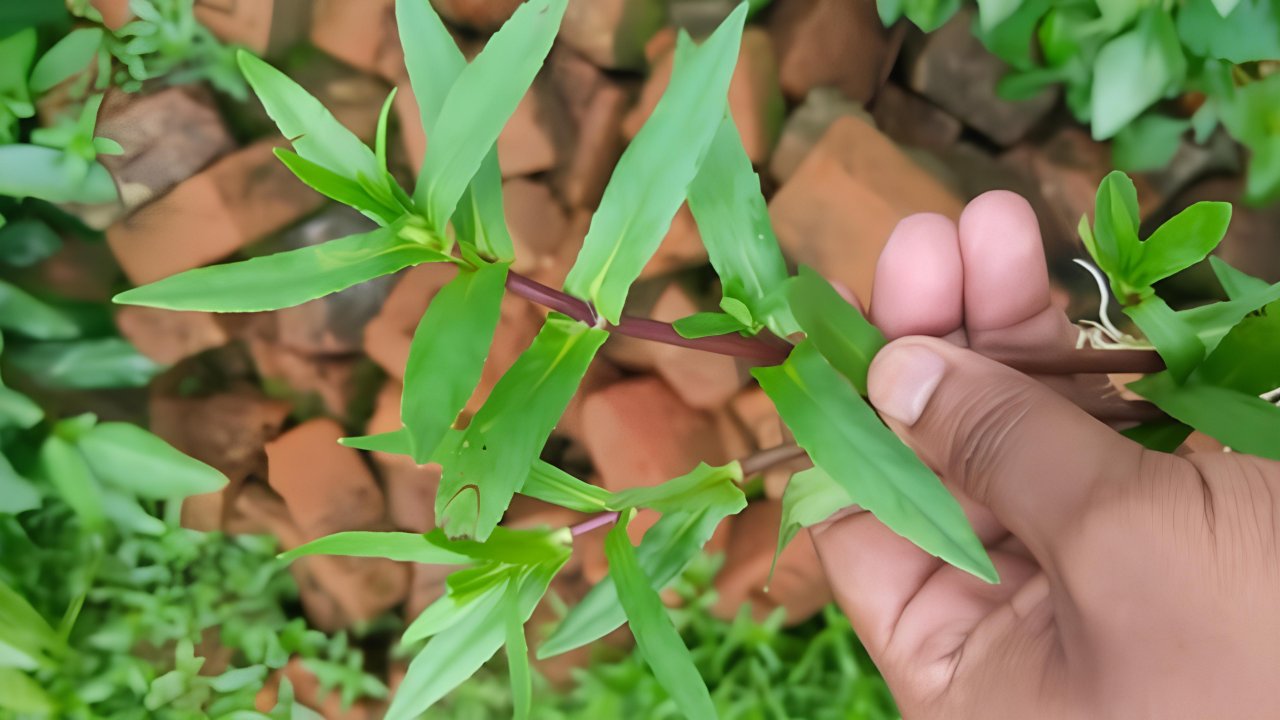 Known as Buffalo spinach or Marsh herb, Hilamochika grows in wetlands of South and Southeast Asia. It has long been used in regional cuisines and traditional healing practices.
This semi-aquatic plant is valued for its potential role in supporting health. Traditional uses include managing skin concerns, metabolic conditions, inflammation, and other ailments through natural herbal approaches.
Hilamochika represents the connection between diet and medicine in Ayurveda. Its leaves are consumed as vegetables while its medicinal properties continue to attract scientific and ethnobotanical research.
This article explores Hilamochika’s botanical identity, Ayurvedic properties, traditional remedies, chemical compounds, health applications, and modern research findings, providing a complete overview of this remarkable medicinal plant.
Botanical Identity and Scientific Classification
To truly understand the therapeutic potential of any plant, one must first understand its botanical roots. Hilamochika belongs to one of the largest and most diverse families of flowering plants.
Scientific Classification:
- Kingdom: Plantae
- Division: Magnoliophyta
- Class: Magnoliopsida
- Order: Asterales
- Family: Asteraceae (The daisy or sunflower family, known for its complex composite flower heads and diverse secondary metabolites)
- Genus: Enhydra
- Species: Enhydra fluctuans Loureiro
Botanical Name: Enhydra fluctuans
Synonyms: In the scientific community, taxonomy is constantly evolving, and plants are often reclassified based on new morphological or genetic evidence.
Hilamochika has historically been known by other botanical names, including Enydra anagallis Gardner and Meyera fluctuans (Lour.) Spreng.
These synonyms are frequently encountered in older pharmacological literature and historical texts.
Vernacular Names
The widespread distribution of Enhydra fluctuans across Asia and Africa is reflected in the sheer number of local names it possesses.
These names often provide clues about the plant’s habitat, physical appearance, or local uses.
- Sanskrit Name: Hilamochika (Also known as Bhrami, Shankhadhara, Aachari, Matsyakshi, and Jalabrahmi)
- English Name: Buffalo spinach, Marsh herb
- Hindi Name: Harkuch, Haruch, Matsayaakshi
- Bengali Name: Helencha shaka, Hilancha shaka, Hingcha, Hinche, Hincha (The suffix “shaka” in Bengali denotes a green leafy vegetable, highlighting its culinary importance)
- Assamese Name: Helech
- Oriya Name: Hidimicha
- Indonesian Name: Godobos
- Thai Name: Phak bung ruem
- Chinese Name: Zhao ju
- Vietnamese Name: Câyraungổ, Rau ngổ, Ngổtrâu, Ngổđất, Ngổhương
- Morphology and Habitat
Morphology and Physical Characteristics
Enhydra fluctuans is a prostrate, spreading, semi-aquatic herb. The term “prostrate” means it grows flat along the ground, while “semi-aquatic” indicates its preference for growing in or very close to water.
- Stem: The stem grows up to 30 to 60 centimeters in length. It is distinctly fleshy (succulent), hairy (pubescent), and heavily branched. A key morphological feature is its ability to root at the lower nodes (the joints on the stem where leaves emerge), allowing it to rapidly colonize new areas.
- Leaves: The leaves are sessile (meaning they lack a stalk or petiole) and are attached directly to the stem. They are linear-oblong in shape, typically measuring 3 to 5 centimeters in length, and feature distinct serrate (toothed) margins.
- Flowers: The flowering heads are unique in that they are without stalks (sessile). The individual flowers are small, presenting in white or greenish-white colors, typical of the Asteraceae family.
- Fruits: The fruit of Hilamochika is an achene—a small, dry, one-seeded fruit that does not open at maturity. These achenes are enclosed by rigid receptacle-scales, which provide them with a protective armor.
Habitat: As a semi-aquatic plant, Hilamochika thrives in watery environments.
It is predominantly found growing along the banks of roadside canals, in marshy wastelands, waterlogged fields, and the shallow edges of ponds and lakes.
Distribution: Geographically, Buffalo spinach is found commonly in Bangladesh, Malaysia, China, South East Asia, and Tropical Africa.
In India, its distribution is heavily concentrated in the North-Eastern region, where the climate and abundant water bodies provide the perfect ecological niche, with the state of Assam being a major hub for its growth and consumption.
Ayurvedic Pharmacology and Effect on Tridoshas
In Ayurveda, a plant’s medicinal value is not judged solely by its chemical composition, but by its Rasa (taste), Guna (properties), Virya (potency), Vipaka (post-digestive effect), and Prabhava (special action).
Furthermore, its ability to balance the Tridoshas (Vata, Pitta, and Kapha—the three fundamental bio-energies of the body) determines its therapeutic applications.
Medicinal Qualities of Hilamochika:
- Sara (Laxative/Motility Promoting): Hilamochika is classified as Sara. This means it promotes the movement of substances through the body’s channels (Srotas). It encourages peristalsis in the digestive tract, acting as a mild and safe laxative, and helps in clearing out accumulated metabolic waste (Ama) from the body.
- Potency (Virya) – Sheeta (Cold): The plant is cold in nature. This is a crucial property that dictates its use in conditions characterized by excessive heat in the body.
- Ruchya (Taste Improving): Interestingly, despite being a therapeutic herb, it improves the sense of taste and digestion. This makes it an excellent dietary inclusion for individuals suffering from anorexia or sluggish digestion.
Effect on Tridoshas: Hilamochika specifically balances Kapha and Pitta doshas.
- Pitta represents fire and is responsible for metabolism, digestion, and body heat. Because Hilamochika is Sheeta (cold), it effectively pacifies aggravated Pitta, thereby reducing burning sensations, inflammation, and skin eruptions.
- Kapha represents earth and water, governing structure and lubrication. Excess Kapha leads to mucous buildup, swelling, and sluggishness. The Sara (laxative and channel-clearing) property of Hilamochika helps to dry out excess Kapha and mobilize it out of the body.
Classical Categorization and Sanskrit Synonyms
Hilamochika holds a respected place in classical Ayurvedic texts, known as Nighantus (lexicons of medicinal plants).
Its inclusion across different categories by different Acharyas (ancient physicians) shows its versatile application.
- Bhavaprakasha Nighantu: Categorized under Shaka Varga (the chapter dealing with edible vegetables and herbs). This highlights its primary role as a dietary therapeutic.
- Kaiyadeva Nighantu: Categorized under Aushadhi Varga (the chapter dealing with potent medicinal drugs).
- Raja Nighantu: Categorized under Parpatadi Varga.
Sanskrit Synonyms and Their Meanings:
- Hilamochika: The primary classical name.
- Matsyakshi: Translates to “Fish-eyed.” This likely refers to the glossy, shiny appearance of the leaves, resembling the eyes of a fish, or its natural habitat in water.
- Jalabrahmi: “Water Brahmi.” Brahmi is a title given in Ayurveda to herbs that are highly beneficial for the brain and nervous system. The prefix Jala (water) denotes its aquatic nature.
- Bhrami: Another variant indicating its brain-tonic properties.
- Shankhadhara: “Holder of the conch shell.” This is a descriptive morphological name, likely referring to the shape of the flower heads or the way the leaves curl.
- Aachari: This term relates to movement or wandering, perfectly describing the prostrate, spreading, creeping nature of the plant’s stems.
(Note on Controversy: In Ayurvedic botany, there is sometimes a nomenclature controversy. The Sanskrit synonym “Matsyakshi” is also shared by two other completely different plants: Alternanthera sessilis (Ponnanganni) and Black nightshade (Solanum nigrum). This overlap occurs because ancient scholars often categorized plants based on morphological similarities or shared therapeutic actions rather than strict genetic taxonomy. However, based on habitat and specific textual descriptions, Enhydra fluctuans is widely accepted as the true Jalabrahmi/Hilamochika).
Nutritional Profile and Dietary Uses
Beyond its medicinal prowess, Hilamochika is a highly nutritious supplementary food source. In regions like Bengal and Assam, it is a beloved culinary ingredient.
Culinary Use: The young, tender shoots and leaves of the plant are harvested and cooked as a vegetable (shak). It is often sautéed with mustard oil, garlic, and spices, or cooked with fish, which is a staple in the region.
Nutritional Benefits:
- Protein: Unlike many leafy greens that are mostly water and fiber, Hilamochika is noted as a good source of plant-based protein, making it an excellent dietary addition for vegetarians.
- β-Carotene (Beta-Carotene): The plant is incredibly rich in β-carotene, a red-orange pigment found in plants. In the human body, β-carotene is converted into Vitamin A (retinol), which is vital for healthy vision, immune system function, and skin health. The presence of β-carotene also explains, in part, its efficacy in treating skin diseases.
Therapeutic Uses and Benefits
According to Ayurvedic classics and traditional folklore, Hilamochika is a versatile healer. The primary part used is the Whole Plant (leaves, stems, and tender shoots).
It is officially indicated in the treatment of:
- Shotha (Swelling and Inflammation): Due to its cold potency and Kapha-pacifying nature, it reduces edema and fluid retention.
- Kushta (Skin Diseases): Ayurveda considers skin diseases to be a manifestation of imbalanced blood (Rakta dhatu) and aggravated Pitta/Kapha. Hilamochika purifies the blood and cools the body, treating conditions like eczema, psoriasis, and dermatitis.
- Vrana (Wounds): Its antimicrobial and anti-inflammatory properties help in quick wound healing and prevent sepsis.
- Diabetes (Prameha): It helps regulate blood sugar levels.
- Kidney Stones (Ashmari): It acts as a diuretic, helping to flush out urinary calculi.
- Burning Sensation (Daha): Its cold nature instantly soothes burning sensations in the body, whether on the skin or in the urinary tract.
- Inflammation: Systemic inflammation is addressed through its channel-clearing (Sara) properties.
Traditional and Folk Remedies
The true value of Hilamochika is best observed in the grassroots traditional practices of rural India, particularly among indigenous communities. These time-tested remedies highlight the plant’s raw healing power:
- For Skin Diseases: The fresh juice extracted from the whole plant is given orally. This acts as a systemic blood purifier, detoxifying the body from within to treat stubborn skin eruptions.
- To Normalize Liver Functions: A traditional decoction is made by boiling the plant in rice gruel water (kanji). This liquid is then mixed with a pinch of salt and a few drops of mustard oil and consumed. The rice gruel acts as a soothing base, while the herb stimulates liver enzymes and promotes hepatic detoxification.
- For Constipation: Because of its Sara (laxative) property, the whole plant, either cooked as a vegetable or consumed as a mild decoction, is used to promote bowel movements and clear the digestive tract without causing cramping.
- For Pimples and Acne: The aerial parts of the plant (stems and leaves) are finely crushed into a paste. This paste is applied topically over active pimples. Its anti-inflammatory and antimicrobial actions reduce redness, prevent scarring, and dry out the acne.
- For Diabetes (Ethnobotanical remedy from Manipur): The Meitei-pangal community in the Thoubal district of Manipur has a highly specific traditional practice. They cut the plant into precise pieces at the nodes (the joints of the stem) and boil them in water. The resulting extract is consumed regularly to lower and manage blood sugar levels.
- For Kidney Stones: The leaves are boiled in water, and the strained liquid is mixed with a little sugar. This sweetened decoction is consumed as a diuretic to help dissolve and expel kidney stones, reducing the painful burning sensation during urination.
- As a Demulcent in Gonorrhea: Gonorrhea often causes painful, burning urination and discharge. The leaf juice of Hilamochika is consumed by mixing it with cow’s milk or goat’s milk. The milk acts as a cooling, soothing demulcent (creating a soothing film over mucous membranes), while the plant’s antimicrobial properties fight the infection.
- As a Cooling Head Pack: In cases of severe headaches, heatstroke, or scalp inflammation, a thick paste made from the leaves is applied directly to the head. Its Sheeta virya (cold potency) provides a profound cooling effect, soothing the nervous system and reducing cranial heat.
Chemical Constituents: The Science Behind the Magic
The therapeutic actions of Hilamochika are not merely folklore; they are deeply rooted in its complex phytochemistry. Modern analytical techniques have isolated a wide array of bioactive compounds from Enhydra fluctuans:
- Terpenoids and Lactones: The plant is rich in sesquiterpene lactones, germacranolide, enhydrin, fluctuanin, and fluctuandin. It also contains a number of diterpenoid acids and their isovalerate and angelate derivatives. Sesquiterpene lactones are well-known in pharmacology for their potent anti-inflammatory and anti-cancer properties.
- Phytosterols: It contains cholesterol, sitosterol, stigmasterol, and myricyl alcohol. Plant sterols (like sitosterol and stigmasterol) are structurally similar to human cholesterol. They help lower bad cholesterol (LDL) in the human body and possess strong anti-inflammatory and antioxidant properties.
- Triterpenes: Kaurol is a notable triterpene found in the plant.
- Saponins: These glycosides have a foaming characteristic and are known for their immune-boosting, antimicrobial, and mild laxative properties (explaining the Sara effect mentioned in Ayurveda).
- Glucosides: Plant sugars bound to other functional groups, often playing a role in the plant’s defense mechanism and offering therapeutic benefits.
- Plant Hormones: Interestingly, Hilamochika contains gibberellins A9 and A13. While primarily plant growth regulators, their presence in the human diet has been linked to various metabolic regulatory effects.
Pharmacological Activities
When the chemical constituents listed above interact with human physiology, they produce a broad spectrum of pharmacological activities, many of which have been validated in modern laboratory settings:
- Anticancer Activity: The sesquiterpene lactones (like enhydrin and fluctuanin) have shown cytotoxic effects against various cancer cell lines. They induce apoptosis (programmed cell death) in malignant cells without harming healthy cells.
- Antioxidant Activity: The presence of phytosterols and flavonoids allows the plant to scavenge free radicals (reactive oxygen species). This prevents oxidative stress, which is the root cause of aging, chronic inflammation, and degenerative diseases.
- Anti-diabetic Activity: The plant’s ability to lower blood sugar has been confirmed pharmacologically. It is believed to enhance insulin sensitivity and promote the peripheral utilization of glucose, validating the traditional use by the Meitei-pangal community.
- Anti-inflammatory and Analgesic: The germacranolides and stigmasterols inhibit the pathways of inflammation (such as the COX-2 enzyme pathway), reducing swelling and providing pain relief.
- Antimicrobial Activity: The saponins and terpenoids are effective against a range of human pathogens, including bacteria and fungi, making it useful for wound care and treating infections like gonorrhea.
- Anti-diarrheal: Contrary to its laxative use in constipation, in prepared specific doses, it can reduce intestinal spasms and fluid secretion, treating diarrhea.
- Hepatoprotective: It protects the liver cells (hepatocytes) from damage caused by toxins, drugs, or alcohol, supporting the traditional remedy of using it with rice gruel for liver health.
- CNS Depressant and Neuropharmacological Effects: True to its name Jalabrahmi, it has a calming effect on the central nervous system. It reduces anxiety, acts as a mild sedative, and may improve cognitive functions.
- Thrombolytic Activity: It helps in breaking down blood clots, reducing the risk of deep vein thrombosis and stroke.
Modern Research and Validation
To bridge the gap between ancient wisdom and modern evidence-based medicine, several research studies have been conducted on Enhydra fluctuans.
A landmark research study was conducted to evaluate the phytochemical and biological properties of the methanolic extracts of Enhydra fluctuans Lour. Methanol is a highly efficient solvent that extracts a wide range of both polar and non-polar compounds.
The results of this study were highly promising, proving that the plant possesses significant antioxidant, anthelmintic, and thrombolytic activities.
- Antioxidant validation: Means it can be developed into nutraceuticals for preventing oxidative stress.
- Anthelmintic validation: Proves it can paralyze and kill intestinal worms (helminths), suggesting a traditional use for deworming that may not have been explicitly recorded in the primary Ayurvedic texts but exists in folk medicine.
- Thrombolytic validation: Confirms its ability to dissolve clots, opening doors for its use in cardiovascular supportive therapies.
Integration into Classical Ayurvedic Formulations
While consuming the whole plant as a vegetable or simple juice is highly effective, Ayurvedic pharmacists (Bhaishajyas) have also incorporated Hilamochika into complex, multi-herb formulations to enhance its bioavailability and target specific diseases.
Trikantaka Ghritam: This is a famous classical Ayurvedic medicine prepared in a ghee (clarified butter) base. Hilamochika is one of the key ingredients in this formulation.
- Uses: It is used in the treatment of Urinary Tract Infections (UTIs), diabetes (Prameha), and urinary calculi (Ashmari).
- Preparatory Procedure (Snehakarma): Trikantaka Ghritam is also used in Snehakarma, which is a preparatory procedure for Panchakarma (the five detoxification therapies of Ayurveda). In Snehakarma, the patient is given medicated ghee internally over several days to saturate the body tissues with lipids, which then helps in mobilizing and expelling deep-seated toxins (Ama) from the body. The inclusion of Hilamochika in this ghee ensures that the liver and urinary systems are protected and toned during this intensive detox process.
Safety, Drug Interactions, and Contraindications
Despite being a natural product, it is crucial to understand how Hilamochika interacts with other forms of medical treatment.
Interaction with Homeopathic Medicine: Yes, Hilamochika can be safely used while taking homeopathic medicine. The principles of homeopathy and Ayurveda do not contradict each other at a chemical level, and this product does not react negatively with homeopathic remedies.
Interaction with Dietary Supplements: Yes. Generally, Hilamochika goes well with most dietary supplements, including multivitamin tablets, Omega-3 fatty acids, and mineral supplements.
In fact, because it is a natural food source itself, it acts synergistically with supplements.
However, as a general rule of thumb, if you are taking multiple products per day, it is always best to space them out and consult your healthcare provider for a personalized opinion.
Interaction with Western (Allopathic) Medicines: Caution is advised here. You must seek your doctor’s advice if you are taking this product along with other western (allopathic/modern) medicines.
Some Ayurvedic herbs possess potent active compounds that can interact with modern pharmaceuticals.
- Example: Because Hilamochika has anti-diabetic properties, taking it alongside prescription insulin or oral hypoglycemic drugs (like Metformin) could cause blood sugar levels to drop too low (hypoglycemia).
- Example: Its thrombolytic (blood-thinning) action could amplify the effects of blood thinners like Warfarin or Aspirin.
The Golden Rule of Co-administration: If both Ayurvedic and allopathic medicines are advised together by your healthcare practitioners, then it is best to take the Allopathic medicine first, wait for at least 30 minutes to allow it to absorb, and then take the Ayurvedic medicine.
This prevents any physical or chemical interaction in the stomach and ensures both medicines work at their optimal capacity.
Hilamochika (Enhydra fluctuans) is a shining example of nature’s dual-purpose design—serving as both a nourishing food and a powerful medicine. Its rich profile of sesquiterpene lactones, phytosterols, and saponins provides a scientific backbone to its ancient Ayurvedic reputation as a cold, laxative, and Pitta-Kapha pacifying herb.
(Disclaimer: This article is for educational and informational purposes only. It is not intended to be a substitute for professional medical advice, diagnosis, or treatment. Always consult a qualified Ayurvedic practitioner or healthcare provider before starting any herbal regimen, especially if you are pregnant, nursing, or on existing medications.)
References:
- Rahmatullah, M., et al. (2012) – A survey of medicinal plants used by the Garo and Khasi tribes of Mymensingh district, Bangladesh. (1)
- Panda, S. K., et al. (2018) – A comparative study on the nutritional and phytochemical analysis of some semi-aquatic edible plants of Odisha. (2)
- Singh, P. K., & Khan, S. I. (2016) – Ethnomedicinal plants used by the Meitei community of Manipur for the treatment of diabetes.(3)
- Alam, M. A., et al. (2014) – Antidiabetic and antioxidant effects of Enhydra fluctuans in alloxan-induced diabetic rats.
- Bhavaprakasha Nighantu (Dr. K.C. Chunekar Edition)(5)
- Raja Nighantu (Indradev Tripathi Edition)(6)
- Kaiyadeva Nighantu (Vaidya Bapalal Edition)(7)
- The Ayurvedic Formulary of India (AFI), Part I (Containing Trikantaka Ghritam)(8)
- Plants of the World Online (Kew Royal Botanic Gardens) – The global standard for plant taxonomy.(9)