Rock Candy (Mishri, Khadi Sakhar): Uses, Benefits, Risks

Crystallized rock sugar, known as Sita in Ayurveda, has been used for thousands of years in traditional Indian medicine. The term Sita signifies its white color. It is valued not just for its sweet taste but also for its therapeutic properties.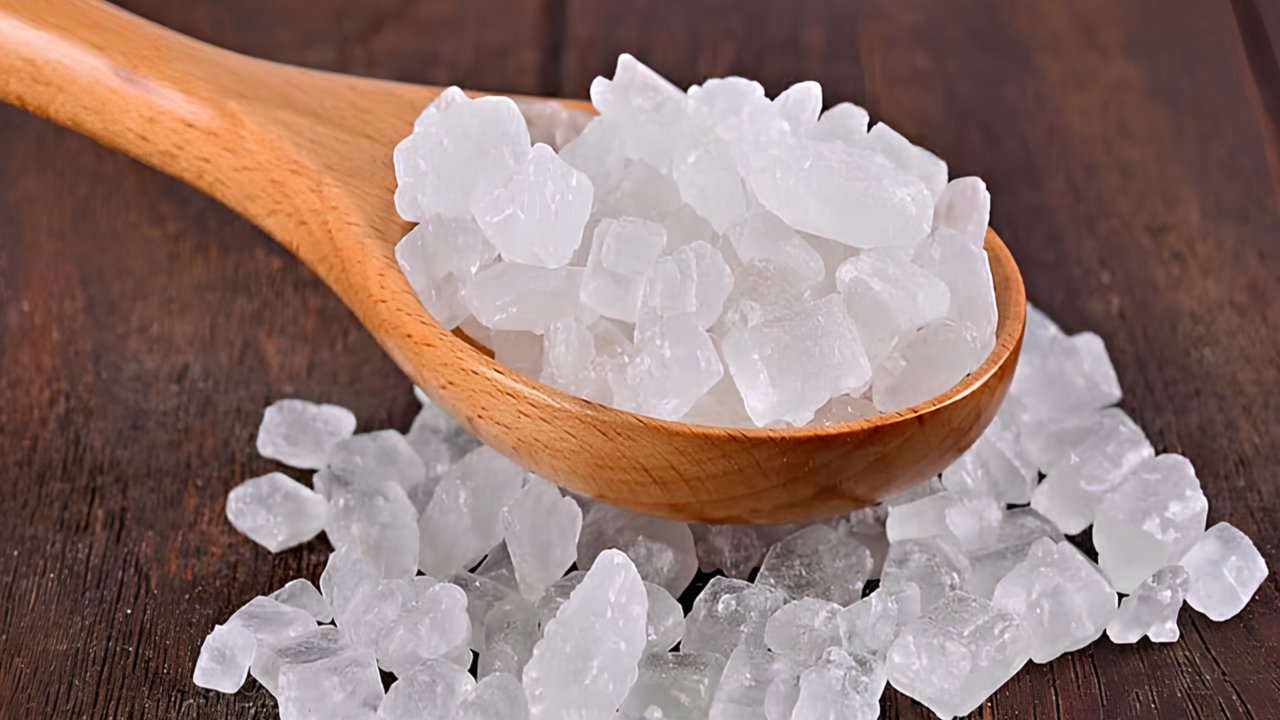
Crystallized rock sugar is a key ingredient in Chyawanprash, a renowned Ayurvedic formulation known for promoting longevity and vitality. It is also commonly used in herbal preparations like Sitopaladi Churna and Talisadi Churna, which are effective in relieving respiratory issues such as cough and asthma. Its cooling, soothing properties make it ideal for balancing the body’s internal heat.
Crystallized Rock Sugar: Traditional Names Across India
Crystallized rock sugar, commonly known as rock sugar or sugar candy in English, is a traditional sweetener widely used in Indian households and Ayurvedic medicine.
In Ayurveda, it is known for its cooling, soothing properties and is used in numerous formulations like Chyawanprash, Sitopaladi Churna, and Talisadi Churna.
Apart from its health benefits, this sweet crystalline form of sugar holds cultural and culinary significance across various regions of India.
It is known by different names in Indian languages:
- In Hindi, it is called Mishri—a term commonly used across North India.
- In Sanskrit, the classical language of Ayurveda, it is referred to as Sita, Khanda Sharkara, or Sharkara. The word Sita denotes its white color.
- In Kannada, the regional language of Karnataka, it is known as Kallu Sakkare.
- In Tamil, it is called Kalkandu, a term also used in many traditional South Indian sweets.
- In Telugu, it goes by the name Kallu Sakkarai or Kallu Sakkare.
- In Malayalam, spoken in Kerala, it is referred to as Kalkandam.
- In Marathi, it is called Mishri or Khadisakhar.
- In Gujarati, Mishri is also the commonly used term.
- In Punjabi, Mishri is widely recognized and used.
- In Bengali, the name is Misri, similar in pronunciation and spelling.
- In Urdu, it is also known as Mishri (مِشری).
- In Odia (Oriya), the term Misri is used.
Despite regional variations in name and pronunciation, the uses and benefits of rock sugar remain consistent throughout India.
It is often offered to guests, used in rituals, or simply enjoyed as a natural sweetener. Its versatility and healing properties have kept it relevant through centuries, making it a cherished element in both traditional kitchens and Ayurvedic practices.
Ayurvedic Qualities of Mishri (Crystallized Sugar)
In Ayurveda, Mishri (crystallized sugar) is more than just a sweetener—it is considered a healing substance with cooling and restorative properties. It is widely used in Ayurvedic formulations for both its taste and therapeutic benefits.
Key Ayurvedic Properties of Mishri:
-
Madhura (Sweet in Taste): Mishri is classified as Madhura, which means sweet. According to Ayurveda, sweet-tasting substances nourish the body, calm the mind, and balance Vata and Pitta doshas.
-
Ruchya (Improves Taste): It enhances appetite and stimulates taste, making it especially useful for individuals with reduced desire to eat or those recovering from illness.
-
Asrahrut (Helps in Bleeding Disorders): Mishri is beneficial in managing conditions like nasal bleeding (epistaxis), heavy menstrual bleeding (menorrhagia), and disorders such as ulcerative colitis, where it helps soothe internal inflammation and bleeding.
-
Dahahrut (Relieves Burning Sensation): Known as a natural coolant, Mishri helps reduce internal heat and burning sensations. It is particularly helpful in conditions aggravated by Pitta dosha, such as acidity, heatstroke, and burning eyes or skin.
Because of these properties, Mishri is often used in classical Ayurvedic preparations like Sitopaladi Churna and Talisadi Churna, and it is also consumed alone or with herbs to enhance both flavor and medicinal value.
Effect of Mishri (Crystallized Sugar) on Tridosha
In Ayurveda, the balance of the three doshas—Vata, Pitta, and Kapha—is essential for maintaining overall health. Mishri, with its natural properties, plays a crucial role in balancing these doshas.
Impact on Tridosha:
1. Vata-Pittahrut (Balances Vata and Pitta Doshas)
Mishri, being sweet in taste, has a calming effect on both Vata and Pitta doshas. The sweet taste directly helps to balance the Vata dosha, which is associated with dryness, coldness, and instability, while it also soothes the Pitta dosha, which is linked to heat and acidity.
Additionally, Mishri’s natural cooling properties help reduce Pitta, making it an ideal remedy for conditions aggravated by excess heat.
2. Kapha Dosha
While Mishri is predominantly balancing for Vata and Pitta, it may slightly increase the Kapha dosha. However, this effect is minimal, especially when consumed in moderation. Kapha is the dosha related to earth and water, and its excess can lead to congestion, weight gain, and sluggishness.
Mishri, with its sweet and cooling properties, is thus an excellent choice for balancing Vata and Pitta doshas, while having a mild, manageable effect on Kapha. It serves as an effective tool in Ayurvedic health practices, particularly for those dealing with excess heat or dryness in the body.
Nutrition Information of Rock Sugar (Mishri)
Crystallized rock sugar, also known as Mishri or Khadi Sakhar, is a natural sweetener often used in Ayurvedic remedies and culinary dishes. While it provides a quick energy boost, it is important to understand its nutritional profile.
Nutrition Facts for 1 Teaspoon (15 grams) of Rock Sugar:
- Calories: 60 kcal
- Protein: 0 grams
- Fat: 0 grams
- Carbohydrates: 15 grams
- Fiber: 0 grams
- Sugar: 15 grams
While rock sugar is an excellent source of quick energy due to its carbohydrate content, it does not provide significant amounts of vitamins, minerals, or fiber. It primarily acts as a source of simple sugars, which the body rapidly absorbs.
Ayurvedic Benefits of Mishri (Crystallized Sugar)
Mishri, also known as Khadi Sakhar or crystallized sugar, holds a revered place in Ayurveda not only as a natural sweetener but also as a therapeutic substance with wide-ranging health benefits.
Rich in Madhura rasa (sweet taste) and known for its cooling and nourishing properties, Mishri is used in various health conditions.
Key Indications and Benefits:
- Murcha (Fainting, Dehydration, Hypoglycemia): Mishri quickly replenishes blood sugar levels, making it effective in episodes of fainting, weakness, or hypoglycemia. It provides instant energy and revives consciousness.
- Chardi (Vomiting): In cases of severe vomiting or nausea, a small piece of Khadi Sakhar kept in the mouth and slowly sucked can help settle the stomach and stop vomiting.
- Jwara (Fever): Due to its cooling nature (Susheeta), Mishri helps reduce body temperature and provides energy through its rich carbohydrate content. It prevents weakness and keeps the body nourished during fevers.
Additional Ayurvedic Properties:
- Susheeta (Natural Coolant): Mishri helps balance excess Pitta dosha and cools the body internally.
- Shukra Karini (Aphrodisiac): Its sweet taste and nourishing quality enhance vitality and reproductive health. In Ayurveda, sweet-tasting substances are known to support all Dhatus (tissues), especially Shukra Dhatu (reproductive tissue).
As per Raja Nighantu (Classical Ayurvedic Text)
Raja Nighantu, an ancient Ayurvedic materia medica, lists several important benefits of crystallized sugar:
- Chakshushya – Improves eyesight
- Chardi – Useful in vomiting
- Kushta – Beneficial in skin disorders
- Vrana – Helps heal ulcers and wounds
- Kapha Shwasa – Relieves breathing difficulty with phlegm
- Hikka – Useful in treating hiccups
- Pittasra – Effective in bleeding disorders
- Doshanut – Acts as a natural detoxifier by balancing the doshas
Mishri, while simple in appearance, is a potent substance with numerous health benefits recognized in classical Ayurvedic literature. Whether used as part of a daily diet or in therapeutic formulations, its value goes far beyond sweetness.
Jaggery (Gur) vs. Mishri: A Comparison
Both Jaggery (Gur) and Mishri are considered cooling agents in Ayurveda, and both help balance Vata and Pitta doshas while increasing Kapha dosha. However, there are distinct differences between the two:
1. Digestibility
Mishri is lighter and easier to digest compared to Jaggery. This makes Mishri a gentler option for those with sensitive digestion.
2. Weight Gain
Mishri contributes less to weight gain than Jaggery. While both are sweeteners, Mishri is less likely to cause the weight gain often associated with Jaggery.
3. Impact on Cough and Cold
Mishri is less likely to worsen cough or cold symptoms compared to Jaggery, which can sometimes exacerbate these conditions. This is primarily due to the lightness quality of Mishri.
Both Jaggery and Mishri have their unique benefits, but Mishri is often preferred for those looking for a lighter, less impactful sweetener, particularly when managing conditions like cough or digestion issues.
Top 10 Health Benefits of Rock Sugar (Mishri)
Crystallized rock sugar, also known as Mishri or Khadi Sakhar, is not just a natural sweetener but also a powerhouse of health benefits.
In Ayurveda, it has been used for thousands of years to treat various conditions and maintain balance in the body. Here are 10 health benefits of Mishri that make it more than just a sugar substitute:
1. Boosts Energy Levels
Mishri is a quick source of natural energy. The carbohydrates in rock sugar are easily absorbed by the body, providing an instant energy boost, especially helpful for those recovering from illness or fatigue.
2. Aids in Digestion
Mishri is often consumed after meals to promote digestion. It helps in the secretion of digestive enzymes, reducing bloating and promoting better nutrient absorption.
3. Soothes Throat and Cough
Mishri has natural cooling properties that help soothe the throat and reduce irritation caused by cough or cold. It is often used in Ayurvedic preparations like Sitopaladi Churna to treat respiratory issues.
4. Relieves Nausea and Vomiting
When experiencing nausea or vomiting, keeping a small piece of Mishri in the mouth can help relieve these symptoms. It is a common practice to suck on Khadi Sakhar during episodes of vomiting to calm the stomach.
5. Reduces Fever
As a natural coolant (Susheeta), Mishri helps bring down body temperature during fever. Its soothing properties also keep the body nourished and energized during illness.
6. Improves Blood Circulation
Mishri is beneficial for improving blood circulation and is particularly useful in managing conditions such as anemia, where low blood sugar levels can cause weakness and dizziness.
7. Treats Bleeding Disorders
According to Ayurveda, Mishri is effective in treating conditions like nosebleeds, heavy menstrual flow, and internal bleeding due to its Asrahrut property, which helps in stabilizing blood flow.
8. Natural Aphrodisiac
Mishri is considered a natural aphrodisiac (Shukra Karini) due to its nourishing effect on reproductive tissues (Shukra Dhatu). It supports vitality, libido, and sexual health.
9. Promotes Skin Health
Mishri helps in healing skin disorders and wounds. It has antimicrobial properties that make it useful in treating cuts, ulcers, and even certain types of skin conditions like eczema.
10. Balances Vata and Pitta Doshas
Being sweet and cooling, Mishri is particularly effective in balancing the Vata and Pitta doshas. It reduces the effects of excess heat, dryness, and acidity, promoting overall harmony in the body.
Note: While Mishri offers various health benefits, it should be consumed in moderation, especially for individuals with diabetes or those managing their sugar intake. It is best used as part of an Ayurvedic regimen or in specific health-conscious recipes.
Potential Risks of Rock Sugar (Mishri)
While rock sugar (Mishri) offers several health benefits, it should be consumed with caution due to the following potential risks:
- High Sugar Content: Mishri is rich in simple sugars, which can cause rapid spikes in blood sugar levels, making it risky for individuals with diabetes or those managing blood sugar control.
- Weight Gain: Overconsumption of Mishri can lead to an increase in calorie intake, contributing to weight gain and obesity when not balanced with physical activity.
- Dental Health Concerns: Like any sugary substance, excessive consumption of Mishri can lead to tooth decay and cavities, especially if proper oral hygiene is not maintained.
- Excessive Kapha Dosha: Although Mishri balances Vata and Pitta, it may increase Kapha dosha when consumed in large quantities, potentially leading to conditions like congestion, sluggish digestion, and excessive mucus production.
- Blood Pressure Impact: Consuming too much sugar, including Mishri, may contribute to high blood pressure over time, especially in individuals prone to cardiovascular issues.
It’s best to use Mishri in moderation, particularly for those with underlying health conditions. Always consult a healthcare provider before making significant dietary changes.
How to Use Khadi Sakhar (Rock Sugar) in Your Diet
Khadi Sakhar (rock sugar) is a versatile and natural sweetener that can be easily incorporated into your daily diet. Here are some simple ways to use it:
1. Add to Herbal Teas
- Add a small piece of Khadi Sakhar to herbal teas like ginger, tulsi, or chamomile for natural sweetness and a soothing effect on the throat.
2. Mix in Warm Water
- Dissolve a small piece in warm water and drink it first thing in the morning for a natural energy boost and to aid digestion.
3. Use in Ayurvedic Remedies
- Include Khadi Sakhar in Ayurvedic preparations like Sitopaladi Churna or Talisadi Churna to treat respiratory conditions like cough or cold.
4. Sweeten Smoothies or Milk
- Blend Khadi Sakhar into smoothies or warm milk as a natural alternative to refined sugar. It complements the flavor and provides a gentle energy boost.
5. Add to Desserts
- Use Khadi Sakhar in place of regular sugar in traditional Indian desserts like kheer, halwa, or laddu for a healthier option.
6. In Baking
- Use a small amount of Khadi Sakhar as a natural sweetener in cakes, cookies, or other baked goods for a milder, healthier sweetness.
7. Mix with Ghee for a Traditional Remedy
- In Ayurveda, a combination of Khadi Sakhar and ghee is often used to balance the body’s energy and enhance digestion.
Precautions
While Khadi Sakhar offers numerous benefits, it should still be consumed in moderation, especially for individuals managing blood sugar levels or those with diabetes.
Home remedies using Khadi Sakhar
Home remedies using Khadi Sakhar (Crystallized Sugar or Mishri) for common health issues:
1. Sore Throat Relief
Ingredients:
- 1 small piece of Mishri (5 grams)
- 1/4 teaspoon of ginger powder
- 1/2 teaspoon of honey
Method:
- Dissolve the piece of Mishri in warm water.
- Add ginger powder and honey to the mixture.
- Sip the solution slowly to soothe the sore throat and reduce inflammation.
Why it works: Mishri helps balance Vata dosha and provides soothing relief, while ginger has anti-inflammatory properties, and honey acts as a natural antibacterial agent.
2. Cold and Cough Remedy (Kapha and Vata Dosha)
Ingredients:
- 5 grams of Mishri
- 1/2 teaspoon of black pepper powder
- 1/4 teaspoon of turmeric powder
Method:
- Take a piece of Mishri and place it in the mouth.
- Sip warm water with black pepper and turmeric added.
- Continue sipping slowly for relief from cold and cough.
Why it works: Mishri soothes the throat and reduces irritation, while black pepper and turmeric have antimicrobial properties that help clear the respiratory passages and reduce mucus buildup.
3. For Indigestion:
Ingredients:
- 1 piece of Mishri
- 1/4 teaspoon of cumin powder
- A pinch of salt
Method:
- Dissolve Mishri in warm water.
- Add cumin powder and a pinch of salt.
- Drink this mixture after meals to aid digestion and prevent bloating.
Why it works: Mishri helps soothe the digestive system, and cumin aids in the secretion of digestive enzymes, which help in breaking down food effectively.
4. For Nausea and Vomiting:
Ingredients:
- 5 grams of Mishri
- 1/2 teaspoon of fennel seeds (saunf)
Method:
- Suck on a piece of Mishri.
- Simultaneously, chew a small amount of fennel seeds.
Why it works: Mishri calms the stomach, while fennel seeds have carminative properties that help reduce nausea and bloating, promoting better digestion.
5. Boosting Immunity and Energy:
Ingredients:
- 1 teaspoon of Mishri
- 1/4 teaspoon of turmeric powder
- 1/2 teaspoon of ghee (clarified butter)
Method:
- Mix Mishri, turmeric, and ghee in warm milk or water.
- Drink this mixture before bedtime to boost immunity and energy levels.
Why it works: Mishri provides natural sugars for quick energy, while turmeric boosts immunity and ghee provides nourishment, helping the body stay strong and balanced.
6. Relieving Dry Skin (Moisturizer)
Ingredients:
- 1 teaspoon of Mishri
- 1 tablespoon of rose water
Method:
- Mix Mishri with rose water until dissolved.
- Apply the mixture onto dry skin and massage gently.
- Leave it on for 10-15 minutes, then rinse with lukewarm water.
Why it works: Mishri, being a natural humectant, helps retain moisture in the skin, while rose water has a cooling and hydrating effect.
7. Respiratory Health (For Cough and Congestion)
Ingredients:
- 5 grams of Mishri
- 1/2 teaspoon of tulsi (holy basil) powder or crushed fresh tulsi leaves
Method:
- Dissolve Mishri in warm water.
- Add tulsi powder and drink it slowly.
Why it works: Mishri helps soothe the throat, and tulsi has antimicrobial properties, making it effective in clearing respiratory congestion and promoting lung health.
8. For Healthy Hair (Scalp Treatment)
Ingredients:
- 1 teaspoon of Mishri
- 1 tablespoon of aloe vera gel
Method:
- Mix Mishri with aloe vera gel until smooth.
- Massage this mixture into your scalp and leave it on for 30 minutes.
- Rinse thoroughly with lukewarm water.
Why it works: Mishri helps to hydrate the scalp, while aloe vera promotes healthy hair growth and helps balance scalp conditions.
These remedies are easy to prepare and can be used to manage common health issues naturally. Always remember to consume Mishri in moderation, especially if you have underlying health conditions such as diabetes.
(FAQs) About Khadi Sakhar (Mishri)
1. What is Khadi Sakhar (Mishri)?
Khadi Sakhar (also known as Mishri) is crystallized rock sugar commonly used in Ayurvedic remedies and as a natural sweetener in various culinary dishes. It is made by crystallizing sugar from sugarcane or palm sap.
2. What are the health benefits of Khadi Sakhar?
Khadi Sakhar has several health benefits, including:
- Boosting energy levels by providing a quick source of carbohydrates.
- Soothing the throat and helping with dry cough and irritation.
- Promoting digestion and helping with nausea or vomiting.
- Reducing fever due to its natural cooling properties.
- Supporting skin health and healing wounds.
- Balancing Vata and Pitta doshas in Ayurvedic medicine.
3. How can Khadi Sakhar help with dry cough?
Crystallized sugar balances the Vata dosha, which is responsible for dry coughs. Sucking on a small piece of Khadi Sakhar helps soothe the throat, reduce irritation, and promote the formation of sputum, which helps expel mucus.
4. Is Khadi Sakhar safe for diabetics?
Khadi Sakhar, like regular sugar, is high in simple carbohydrates, which can increase blood sugar levels. It should be consumed in moderation by individuals with diabetes or anyone managing their blood sugar levels. It is always recommended to consult a healthcare provider before using it regularly.
5. Can Khadi Sakhar be used in cooking?
Yes, Khadi Sakhar can be used as a natural sweetener in various dishes, including:
- Desserts like kheer, halwa, and laddu.
- Herbal teas or warm milk.
- Smoothies for added sweetness.
- Ayurvedic syrups and remedies.
6. What is the difference between Khadi Sakhar and regular sugar?
Khadi Sakhar is crystallized rock sugar and is less processed than regular refined sugar. It has a milder, gentler sweetness and is often used in Ayurvedic medicine. It also provides a cooling effect, unlike regular sugar, which is more stimulating.
7. How can I use Khadi Sakhar in Ayurvedic remedies?
Khadi Sakhar is often included in Ayurvedic preparations to balance the doshas and support overall health. It is commonly used in:
- Cough syrups to soothe the throat.
- Digestive aids for better absorption and to calm Vata dosha.
- Detoxifying tonics and herbal formulations.
8. How should Khadi Sakhar be stored?
Khadi Sakhar should be stored in an airtight container in a cool, dry place to prevent moisture and contamination. Proper storage will help maintain its quality and shelf life.
9. Can Khadi Sakhar help with indigestion?
Yes, Khadi Sakhar can help with indigestion by promoting the secretion of digestive enzymes. It is often combined with herbs like cumin and ginger to support digestion and reduce bloating or discomfort.
10. Is Khadi Sakhar suitable for children?
Khadi Sakhar can be safely consumed by children in small amounts. It is often used to soothe sore throats or coughs in children. However, like any sugar, it should be given in moderation.
11. Can Khadi Sakhar help with skin issues?
Yes, Mishri can be used externally as well. It has moisturizing properties and can be mixed with ingredients like rose water or aloe vera to hydrate dry skin and promote healing. Some also use it to treat minor cuts or skin irritation.
12. Can I use Khadi Sakhar for weight loss?
While Khadi Sakhar provides a quick source of energy, it is still a form of sugar. Consuming it in excess may contribute to weight gain. It should be consumed in moderation as part of a balanced diet if you are trying to manage your weight.
13. How much Khadi Sakhar should I consume daily?
Moderation is key when using Khadi Sakhar. About 5-10 grams per day is generally safe for most people. However, this can vary depending on individual health conditions, so it is always best to consult a healthcare provider for personalized advice.
14. What is the shelf life of Khadi Sakhar?
Khadi Sakhar has a long shelf life when stored in an airtight container in a cool, dry place. It can typically last for up to 1-2 years if stored properly.
15. Can Khadi Sakhar be used to treat bleeding disorders?
In Ayurveda, Khadi Sakhar is believed to be beneficial for treating bleeding disorders like heavy menstrual periods or nosebleeds. It helps balance the Asrahrut (blood flow), supporting the body’s ability to manage internal bleeding.
Khadi Sakhar (Mishri) is a versatile and natural sweetener with numerous health benefits. Rooted in Ayurvedic tradition, it helps balance the body’s doshas, supports digestive health, soothes the throat, and provides a quick source of energy.