Top 10 Ayurvedic Medicine for Nightfall (Swapna Dosh) and Price

For many men—especially during their teenage years and early adulthood—waking up after a nocturnal seminal release can be a confusing or even distressing experience. Commonly known as nightfall or wet dreams, this natural occurrence is referred to in medical terms as a nocturnal emission, and in Ayurveda, it’s known as Swapna Dosh or sometimes linked to what’s called Dhat Syndrome. From a modern medical perspective, occasional episodes are considered completely normal—a part of the body’s natural physiological processes. But Ayurveda offers a deeper, more holistic viewpoint.
It suggests that when these episodes become frequent or excessive, they may point to an underlying imbalance in the body that can gradually affect one’s vitality and overall well-being.
In this article, we’ll explore the Ayurvedic understanding of Swapna Dosh in depth. We’ll look at its root causes through the lens of the three doshas, examine both physical and emotional symptoms, and outline a holistic approach to healing.
This includes diet and lifestyle recommendations, time-tested herbal remedies, and therapeutic practices designed not just to manage symptoms but to bring the body, mind, and spirit back into balance—supporting long-term health from within.
What is Swapna Dosh?
In Ayurveda, Swapna Dosh refers to involuntary semen discharge during sleep, often with erotic dreams. “Swapna” means dream, and “Dosh” means imbalance—signaling that nightfall is viewed as a symptom of inner energetic disturbance, not a disease itself.
Modern medicine sees occasional nightfall as normal, especially in adolescence. However, Ayurveda views even weekly occurrences as a potential concern, based on one’s health, habits, and constitution. It reflects deeper imbalances rather than being merely a natural bodily function.
Semen, or Shukra Dhatu, is considered the body’s most refined tissue in Ayurveda. It is the final product of digestion and transformation, linked to strength, immunity, intellect, and spiritual energy—making its involuntary loss a matter of serious concern.
Frequent nightfall indicates depletion of vital energy in Ayurvedic thought. Treatment focuses on balancing doshas, improving diet, lifestyle, and mental well-being. The goal is to preserve Shukra Dhatu and restore harmony in body, mind, and overall vitality.
Doshic Imbalance Responsible for Swapna Dosh
Among the three doshas, Vata is most closely linked to Swapna Dosh. Vata governs all bodily movement, including nerve impulses, circulation, and elimination. It’s composed of the air and space elements, and its energy is light, dry, and quick—traits that can easily become unbalanced in the modern lifestyle.
A specific sub-dosha of Vata, called Apana Vayu, plays a key role here. Apana Vayu governs downward and outward movements in the body—such as urination, bowel movements, menstruation, and ejaculation. When Apana becomes disturbed, often due to stress, irregular routines, poor diet, or overstimulation, it can lead to an involuntary release of semen during sleep.
This imbalance may also weaken the Majja Dhatu—the tissue that corresponds to the nervous system—making it harder for the body to regulate and control sexual reflexes.
While Vata is often the main dosha involved, imbalances in the other two doshas can also contribute:
- Pitta Dosha – When Pitta, the fire element, is elevated, it can increase internal heat and stimulate excessive sexual desire. This mental and physical agitation may lead to erotic dreams and emissions during sleep.
- Kapha Dosha – Though less commonly involved, Kapha imbalance can lead to stagnation or heaviness in the reproductive system. When paired with disturbed Vata, this can cause a buildup of semen that the body then tries to eliminate involuntarily.
Causes & Risk Factors of Frequent Nightfall
Understanding the root causes of Swapna Dosh is essential for effective treatment. In Ayurveda, it’s not seen as a random occurrence but the result of underlying imbalances—particularly of Vata dosha.
These imbalances may stem from a mix of mental, physical, dietary, and lifestyle factors. Let’s explore each of these in detail.
Mental and Emotional Causes
Here are the key mental and emotional factors that may contribute to the condition.
1. Stress, Anxiety, and Overthinking: A constantly racing mind is a classic sign of aggravated Vata. Mental restlessness directly impacts Apana Vayu, the sub-dosha that governs downward movements like ejaculation. When the mind is unsettled, it can disturb Apana’s natural flow, leading to involuntary emissions during sleep.
2. Excessive Sexual Stimulation: Frequent exposure to pornography, erotic content, or sexual conversations—especially before bedtime—overstimulates both the mind and reproductive system. This fills the subconscious with sexual imagery, making erotic dreams and nightfall more likely.
3. Unfulfilled Sexual Desires & Early Sexual Experiences: When natural sexual urges are consistently suppressed, or if one has had early, confusing, or anxious sexual experiences, the psychological tension can manifest during sleep. This inner conflict often emerges as dreams that lead to emissions.
4. Guilt and Psychological Distress: Feelings of guilt or shame surrounding masturbation or nightfall itself can fuel a cycle of anxiety. This emotional stress aggravates Vata further, making the problem more frequent and difficult to manage.
Dietary and Lifestyle Causes
The following are key dietary and lifestyle factors that may contribute to this condition.
1. Unwholesome Diet: A diet high in spicy, fried, oily, or overly rich foods can disturb both Pitta and Kapha. This generates internal heat (Agni) and Ama (toxins), irritating the nervous and reproductive systems.
Foods like red meat, alcohol, caffeine, and late-night milk are particularly noted in Ayurveda as aggravating factors for Swapna Dosh.
2. Sedentary Lifestyle: Lack of physical activity leads to sluggish circulation and stagnant energy. With nowhere else to go, this unspent energy may express itself through involuntary nocturnal emissions.
3. Irregular Sleep Patterns: Late nights, inconsistent bedtimes, and poor sleep hygiene disrupt the body’s natural rhythms—another domain ruled by Vata. Disrupted circadian rhythms and poor sleep quality affect hormone regulation and can contribute to frequent nightfall.
4. Substance Abuse: The use of alcohol, tobacco, or recreational drugs weakens the nervous system over time. These substances impair the body’s ability to control its own regulatory processes, including the retention of semen.
Physical and Physiological Causes
The points below highlight the physical and physiological factors that may lead to this condition.
1. Weakened Genital Nerves and Muscles: Frequent masturbation or physical strain can weaken the nerves and muscles of the pelvic area. This makes it more difficult for the body to retain semen, especially during the deep relaxation of sleep.
2. Hormonal Changes (Especially During Adolescence): A natural rise in testosterone during puberty increases both semen production and sexual desire. For teenagers and young adults, this hormonal surge is a common and natural trigger for nocturnal emissions—but it can still become excessive if not managed through proper lifestyle balance.
3. Congested Prostate Gland: When the prostate becomes congested with accumulated semen—often due to infrequent ejaculation or other factors—the body may trigger nightfall as a way to release the pressure.
4. General Physical Weakness or Illness: Chronic fatigue, illness, or post-illness recovery can weaken the entire system, including the reproductive tissue (Shukra Dhatu). This weakness reduces the body’s ability to retain its vital fluids and may lead to involuntary emissions.
Signs and Symptoms for (Nightfall) Swapna Dosh
Occasional nightfall may not be a cause for concern. However, when it becomes frequent, it can begin to affect both physical health and mental well-being.
Ayurveda teaches that symptoms are the body’s way of signaling imbalance. While one sign alone might not indicate a problem, a combination of the following could suggest that Swapna Dosh is taking a toll on your system.
Physical Symptoms
The following are common physical symptoms associated with this condition.
- Chronic Fatigue and Exhaustion: Persistent tiredness, even after rest, is a key sign. The body continuously uses energy to regenerate Shukra Dhatu, leading to overall depletion when nightfall is frequent.
- Joint and Muscular Pain: Dull aches, especially in the lower back and knees, are common signs of aggravated Vata dosha—the dosha most involved in Swapna Dosh.
- Digestive Issues: Indigestion, gas, constipation, and bloating often accompany Vata imbalances, particularly when Apana Vayu is disturbed.
- Pain or Heaviness in the Testicles: A dull or sharp pain in the testicles or pelvic area can indicate nervous fatigue or congestion in the reproductive organs.
- Weight Loss and Sunken Eyes: In more severe or prolonged cases, the chronic loss of reproductive fluid can lead to physical wasting, a pale appearance, and dark circles under the eyes.
- Hair Fall and Weak Nails: Shukra Dhatu nourishes all the body’s tissues. When it is weakened, symptoms like thinning hair, brittle nails, and dry skin may appear.
Mental and Emotional Symptoms
The following symptoms reflect the mental and emotional effects of this condition.
- Anxiety, Guilt, and Irritability: Emotional distress is both a cause and a symptom. Feelings of shame or guilt about nightfall can trigger more anxiety, aggravating Vata further and creating a vicious cycle.
- Lack of Concentration and Memory Loss: According to Ayurveda, the mind’s stability and clarity depend on the nourishment of the deeper tissues (Dhatus), especially Shukra. Its depletion can directly affect focus, learning, and memory.
- Low Self-Confidence: The combination of physical weakness and psychological stigma may erode self-esteem, leading to social withdrawal or performance anxiety.
Top 10 Ayurvedic Medicines for Nightfall
Here’s an overview of the 10 Ayurvedic medicines commonly used to address nightfall (Swapna Dosh), including their benefits, with usage guidelines:
1. Baidyanath Swapn Doshhari Tablet
An Ayurvedic formulation designed to manage frequent nightfall and improve male reproductive health naturally. Combines potent herbs with rejuvenating properties.
- Ingredients: Ashwagandha, Shatavari, Safed Musli, Vidarikand, and others.
- Benefits: Helps manage frequent nightfall, supports male reproductive health.
- Usage: Take 1-2 tablets twice daily with warm water after meals as directed.
- Price: ₹150-₹200 for 40 tablets.
2. NF Cure and Vital M-40 Capsules
A powerful herbal capsule for reducing nightfall frequency and boosting overall vitality. Formulated with traditional Ayurvedic herbs.
- Ingredients: Ashwagandha, Shilajit, Safed Musli, and herbal extracts.
- Benefits: Reduces nightfall frequency, improves stamina and vitality.
- Usage: Follow Ayurvedic practitioner’s dosage recommendations.
- Price: ₹300-₹400 for 60 capsules.
3. No Fall Capsules
An Ayurvedic remedy to prevent sperm discharge during sleep and enhance energy levels. Made with natural herbs.
- Ingredients: Ashwagandha, Gokshura, Safed Musli, Shilajit.
- Benefits: Prevents nightfall, increases energy and vitality.
- Usage: Take as per Ayurvedic guidance, typically 1-2 capsules daily.
- Price: ₹250-₹350 for 60 capsules.
4. Paramveda Health Ayurvedic Capsule
Ayurvedic capsules formulated to address nightfall and nocturnal emissions with herbal extracts.
- Ingredients: Ashwagandha, Shatavari, Gokshura, and other herbs.
- Benefits: Controls nightfall, strengthens reproductive health.
- Usage: Follow dosage as per Ayurvedic practitioner’s advice.
- Price: ₹350-₹450 for 60 capsules.
5. Nightfall Stopper
Made from pure Ayurvedic ingredients aimed at controlling nightfall naturally.
- Ingredients: Ashwagandha, Shilajit, Safed Musli, and herbal extracts.
- Benefits: Controls nightfall, improves sexual health.
- Usage: Take as directed by Ayurvedic practitioner, usually 1-2 capsules daily.
- Price: ₹300-₹400 for 60 capsules.
6. Himalaya Tentex Forte Tablet
Herbal supplement that enhances sexual function, boosts libido, and improves stamina.
- Ingredients: Shilajit, Ashwagandha, Kapikacchu (Mucuna pruriens).
- Benefits: Enhances sexual performance, stamina, and libido.
- Usage: Two tablets twice daily for 30-45 days, then one tablet twice daily.
- Price: ₹500-₹600 for 60 tablets.
7. Baidyanath Shilajeet
A natural adaptogen that rejuvenates the body and enhances sexual health.
- Ingredients: Pure Shilajeet extract.
- Benefits: Acts as an adaptogen, improves sexual function and vitality.
- Usage: As per Ayurvedic practitioner’s guidance.
- Price: ₹250-₹350 for 20 grams.
8. Dabur Ashwagandha Churna
Traditional Ashwagandha powder to reduce stress, improve sexual health, and boost vitality.
- Ingredients: Pure Ashwagandha root powder.
- Benefits: Reduces stress, enhances sexual function and energy.
- Usage: ¼ to ½ teaspoon twice daily with milk.
- Price: ₹100-₹150 for 100 grams.
9. Patanjali Divya Ashwagandha Churna
Herbal powder for reducing stress and improving vitality naturally.
- Ingredients: Pure Ashwagandha root powder.
- Benefits: Reduces stress, enhances vitality.
- Usage: Follow Ayurvedic practitioner’s dosage recommendations.
- Price: ₹90-₹130 for 100 grams.
10. Baidyanath Isabgol (Psyllium Husk) Powder
Natural fiber supplement that improves digestion and supports overall health.
- Ingredients: Pure Psyllium Husk.
- Benefits: Improves digestion, supports gut health.
- Usage: As per packaging instructions, typically 1-2 teaspoons with water.
- Price: ₹50-₹80 for 100 grams.
Note: Prices may vary depending on the seller and location. Always consult an Ayurvedic practitioner before starting any treatment to ensure safety and correct dosage.
The Ayurvedic Solution for (Nightfall) Swapna Dosh
Ayurvedic treatment for Swapna Dosh is not a quick fix but a gradual, systematic journey toward restoring balance. It requires patience, consistency, and a holistic approach that addresses diet, lifestyle, and mental well-being.
Dietary Modifications (Ahar)
The ancient Ayurvedic text Charaka Samhita teaches that without proper diet, medicine is of little use, and with proper diet, medicine is rarely needed. Thus, diet forms the foundation of healing.
1. Favor Vata-Pacifying Foods:
Choose foods that are warm, moist, slightly oily, and nourishing, including:
- Grains: Cooked oats, rice porridge, whole wheat
- Legumes: Moong dal (split yellow gram), which is light and easy to digest
- Vegetables: Bottle gourd (lauki), pumpkin, zucchini, carrots, and asparagus—grounding and nourishing choices
- Fruits: Sweet, ripe options like mangoes, bananas, grapes, and avocados
- Dairy: Warm milk with a pinch of nutmeg or cardamom is calming; ghee (clarified butter) is excellent for pacifying Vata
2. Foods to Avoid:
Limit foods that are dry, cold, light, and rough—qualities that aggravate Vata. These include:
- Heavy, difficult-to-digest foods such as fried items, processed meats, rich cheeses, and paneer
- Gas-forming foods like rajma, chickpeas, and raw vegetables in excess
- Spicy and stimulating substances, including caffeine, alcohol, and very spicy foods
3. Specific Beneficial Foods:
- Coriander Seeds: A powder of dried coriander seeds mixed with rock candy (mishri), taken twice daily, helps cool the body and reduce anxiety-related nightfall
- Amla (Indian Gooseberry): A powerful rejuvenator; amla juice with honey strengthens the reproductive system and combats fatigue
- Pomegranate: The peel, dried and powdered with honey, or the fresh fruit, is a renowned tonic for reproductive health
- Water Chestnut (Singhada): Believed to increase semen viscosity, helping prevent involuntary leakage
Lifestyle Adjustments and Daily Routine (Vihar)
A disciplined daily routine is essential to pacify Vata dosha effectively.
1. Regular Exercise: Engage in moderate, grounding exercise for at least 45 minutes daily. Brisk walking, swimming, and light weight training are ideal. Avoid over-exertion, which may aggravate Vata.
2. Yoga and Pranayama: Certain yoga postures support the pelvic floor and nervous system:
- Vajrasana (Thunderbolt Pose) aids digestion when practiced after meals
- Sarvangasana (Shoulder Stand) helps regulate Apana Vayu
- Paschimottanasana (Seated Forward Bend) calms the mind and stretches the back
- Pranayama: Alternate Nostril Breathing (Nadi Shodhana) is highly effective for balancing the mind and calming Vata
3. Meditation and Stress Management: Daily meditation, even for 15–20 minutes, is crucial to calm the restless mind and break the cycle of anxious thoughts that lead to erotic dreams
4. Proper Sleep Hygiene:
- Eat a light dinner 2–3 hours before bedtime
- Take a warm shower before bed to induce calmness
- Avoid phones, TV, and erotic material at least one hour before sleep; instead, listen to soothing music or read spiritual literature
- Aim to sleep by 10 PM, during the Kapha period, which supports deep and stable rest
Herbal and Medicinal Remedies (Dravyaguna)
Ayurveda offers a rich pharmacopeia of herbs that strengthen the nervous system, nourish reproductive tissues, and balance hormones.
- Ashwagandha (Withania somnifera): The premier rejuvenating herb for Vata; reduces stress and anxiety, improves sexual function, and builds overall strength and stamina
- Shilajit: A mineral-rich adaptogen that boosts energy, vitality, and helps reduce nightfall frequency by strengthening the body
- Triphala: A combination of Amalaki, Bibhitaki, and Haritaki; essential for detoxification, it cleanses the digestive tract, enhances nutrient absorption, and reduces Ama—the root cause of many imbalances
- Gokshura (Tribulus terrestris): Benefits the urinary and reproductive systems, balances Pitta, and acts as a diuretic, potentially easing prostate congestion
Classical Formulations:
- Chandraprabha Vati: A classic Ayurvedic remedy effective for nightfall, premature ejaculation, and urinary issues, offering warming and strengthening effects
- Kushta Qalai: A Unani (Greco-Arabic) medicine adopted into Ayurveda; purified tin ash known for strong astringent and retentive properties, helping to retain semen
Important: Use of these herbs, especially potent formulations, should always be under the guidance of a qualified Ayurvedic practitioner who can tailor dosage and combinations to your unique constitution (Prakriti) and current imbalance (Vikriti).
Ayurvedic Nightfall Medicines (Swapna Dosh) Research Paper
| No. | Medicine / Herb | Key Benefits | Reference (Study / Source) | Link |
|---|---|---|---|---|
| 1 | Ashwagandha (Withania somnifera) |
Boosts testosterone, semen quality, reduces stress and anxiety | Wankhede et al., 2015 – RCT on oligospermic men | PMID: 24371462 |
| Continued | Improves libido and sexual function | Cureus Journal, 2023 – RCT in healthy men | PMID: 40582043 | |
| 2 | Shilajit (Purified Asphaltum) |
Raises testosterone, improves stamina, acts as rejuvenator | Pandit et al., 2016 – RCT in middle-aged men | PMID: 26395129 |
| Continued | Repairs testicular damage (animal model) | Biomed Pharmacother, 2024 | PMID: 39121783 | |
| 3 | Safed Musli (Chlorophytum borivilianum) |
Increases libido, sperm count, sexual stamina (animal study) | Thakur et al., 2015 – Rats study on aphrodisiac effects | PMID: 26952773 |
| 4 | Brahmi + Jatamansi | Reduces anxiety, improves sleep, calms overactive mind | Stough et al., 2001 – Brahmi for cognition & anxiety | PMID: 11448567 |
| Continued | Jatamansi as a sedative and neuroprotective | Journal of Herbal Medicine – Review | View Study | |
| 5 | Chandraprabha Vati | Treats urinary/reproductive issues, reduces semen loss | Bhaishajya Ratnavali – Classical Ayurvedic text | IJAM Review |
Advanced Ayurvedic Therapies and When to Seek Help
For persistent or severe cases of Swapna Dosh, clinical Ayurveda offers specialized therapies, along with clear guidance on when professional intervention is necessary.
Panchakarma and Detoxification Therapies
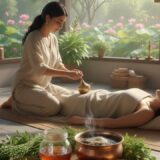
Panchakarma is Ayurveda’s profound detoxification and rejuvenation protocol. Under the care of a trained therapist, treatments such as Shirodhara—the continuous pouring of medicated oil on the forehead—are exceptionally effective for pacifying Vata, calming the mind, and relieving insomnia and anxiety associated with Swapna Dosh.
Other therapies like Abhyanga (therapeutic oil massage) and Basti (medicated enema) specifically target Vata stabilization, helping restore balance and vitality.
Debunking Common Myths
Clearing misconceptions around Swapna Dosh can alleviate unnecessary guilt and anxiety:
- Myth 1: It only affects young men who masturbate regularly.
Fact: It can affect men of various ages and backgrounds. - Myth 2: Nightfall is a rare and untreatable problem.
Fact: It is common and highly treatable with Ayurvedic approaches. - Myth 3: It causes permanent erectile dysfunction.
Fact: It is a symptom of imbalance, not a direct cause of erectile problems, and is often reversible. - Myth 4: Occasional nightfall is a serious disease.
Fact: Ayurveda distinguishes between occasional, normal nightfall and frequent, pathological conditions.
When to Consult an Ayurvedic Doctor
Professional guidance should be sought if you experience:
- Frequency: Nightfall episodes occurring more than twice a week
- Severe Symptoms: Chronic fatigue, joint pain, or difficulty concentrating that disrupt daily life
- Lack of Improvement: No noticeable progress after sincere lifestyle and dietary changes over several weeks
- Psychological Distress: Significant anxiety, depression, or loss of self-confidence related to the condition
An Ayurvedic practitioner will conduct a thorough assessment, including pulse diagnosis (Nadi Pariksha), observation, and evaluation of your physical and mental state.
This detailed consultation helps identify your unique doshic imbalance and enables the creation of a personalized treatment plan.
FAQ’s
1. What is nightfall or swapna dosh?
Nightfall, also known as Swapna Dosh in Ayurveda, refers to involuntary ejaculation during sleep, commonly in men. It is a natural phenomenon but can become concerning when it occurs frequently, leading to fatigue, stress, or sexual weakness.
2. Is nightfall a disease?
No, nightfall is not classified as a disease. It is a physiological response, especially common during puberty. However, when it becomes excessive or affects daily life, it may indicate an underlying imbalance in the body or lifestyle.
3. What causes frequent nightfall?
Common causes include:
- Excessive sexual thoughts or content exposure
- Hormonal imbalance
- Weak pelvic muscles or nervous system
- Stress or anxiety
- Irregular sleep patterns
4. Are Ayurvedic medicines effective for treating nightfall?
Yes. Ayurvedic formulations can help balance the body’s doshas, strengthen the nervous system, and reduce sexual anxiety. Herbs like Ashwagandha, Shilajit, Kaunch Beej, and Brahmi are often used in nightfall treatments.
5. Are there any side effects of nightfall medicines?
Pure Ayurvedic or herbal medicines usually have minimal side effects when taken as prescribed. However, users should avoid self-medication and ensure the products are from certified sources to avoid adulterated or chemically loaded alternatives.
6. How long does it take for the medicine to show results?
Results may vary by individual. Most people notice improvement within 2–4 weeks of consistent use, along with lifestyle modifications. Chronic or severe cases may require 8–12 weeks for noticeable recovery.
7. Can nightfall be permanently cured?
Yes, in many cases, nightfall can be significantly reduced or even eliminated with proper treatment, balanced lifestyle, and mental calmness. A combination of medicines, diet, exercise, and meditation is usually most effective.
8. What lifestyle changes help reduce nightfall?
Lifestyle changes needed
- Follow a balanced, satvik diet
- Avoid spicy, oily, or junk foods
- Practice yoga and pelvic floor strengthening exercises
- Reduce exposure to adult content
- Sleep early and maintain a fixed schedule
9. Can teenagers take nightfall medicine?
Yes, but with proper medical guidance. Teenagers should avoid chemical-heavy medicines and opt for natural or Ayurvedic options under supervision. The focus should also be on emotional support and education.
10. Where can I buy genuine nightfall (Swapna Dosh) medicine online?
Look for certified Ayurvedic brands with GMP and ISO certification. Only purchase from trusted online platforms or the official websites of the brand. Be cautious of counterfeit or unverified products.
Swapna Dosh, though distressing, is not a life sentence. From an Ayurvedic perspective, it signals that the body’s energies—especially the light, mobile, and delicate Vata dosha—are out of harmony. The path to healing is not suppression or fear, but a return to rhythm, nourishment, and mindfulness.