
16 Types Of Ayurvedic Treatments In Kerala That Really Works

Imagine a tranquil place where fragrant medicated oils fill the air, rustling palm trees induce deep relaxation, and ancient healing traditions are practiced with clinical precision. Welcome to Kerala, the true birthplace of Ayurveda.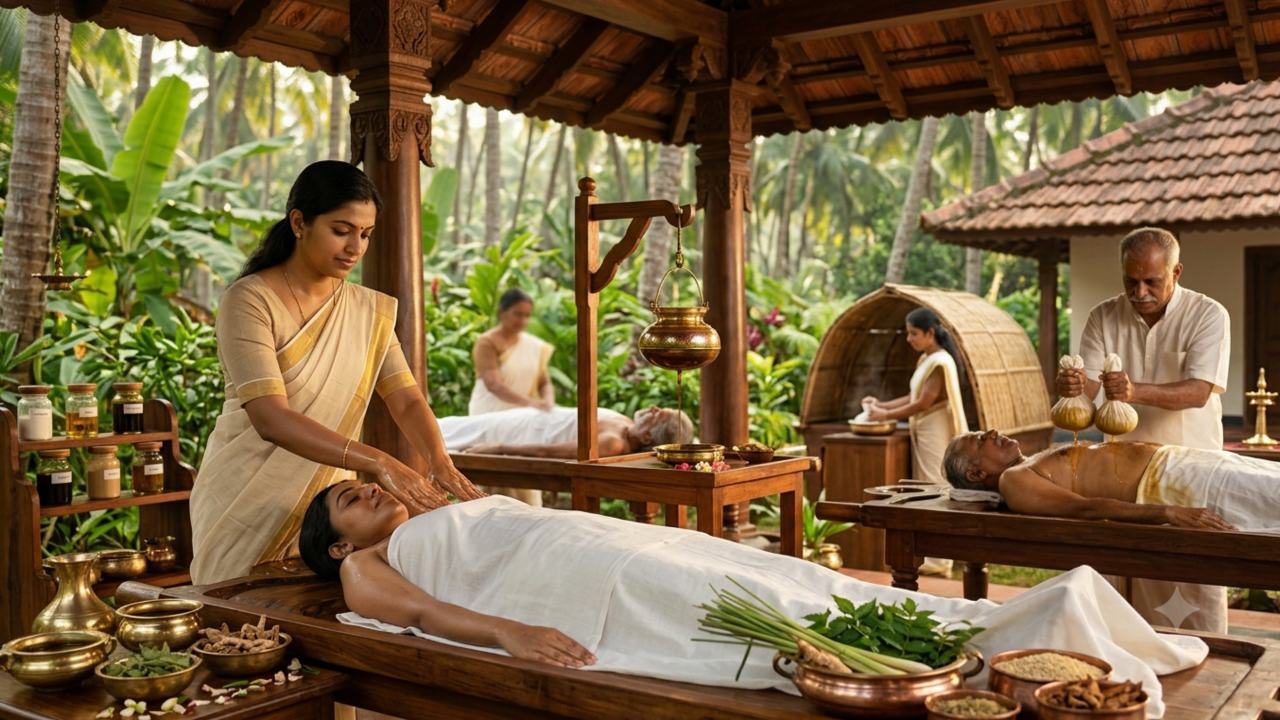 Global Ayurvedic spas are common, but true transformation happens in Kerala. Here, Ayurveda is never a mere weekend luxury; it remains a profound science of life perfected carefully over five thousand years.
Countless treatments exist, leaving many unsure which options genuinely deliver clinical results. Whether you battle chronic back pain, severe stress, autoimmune issues, or seek deep detoxification, authentic therapies offer profound, lasting healing benefits.
Experienced practitioners customize every single therapy to match your unique biological constitution. Embarking on this traditional healing journey in Kerala restores total physical harmony, revitalizing your mind, body, and spirit completely.
Why Kerala? The Gold Standard of Ayurvedic Healing
Before diving into the specific treatments, it is crucial to understand why Kerala is the epicenter of this healing science. The effectiveness of these treatments relies heavily on the environment in which they are performed.
- The Monsoon Magic (Karkidakam): Kerala’s monsoon season (June to August) is considered the absolute best time for Ayurvedic treatments. During this time, the atmosphere is dust-free, the pores of the human body open up due to the high humidity, and the body is highly receptive to herbal oils and medicines.
- Unmatched Herbal Wealth: The Western Ghats bordering Kerala house thousands of endemic medicinal plants. The herbs used in Kerala are fresh, potent, and locally sourced, making the medicated oils (Thailam) and decoctions (Kashayam) incredibly powerful.
- The Ashtavaidya Tradition: Kerala is home to the Ashtavaidyas—traditional Brahmin families who have preserved the ancient Ayurvedic texts and treatment protocols for generations. Their lineage ensures that the treatments are not diluted but practiced in their purest forms.
The Core Philosophy: Why These Treatments “Really Work”
Modern medicine often focuses on suppressing symptoms. The types of Ayurvedic treatments in Kerala that really work take a different approach. They focus on root-cause resolution.
Ayurveda operates on the concept of the three Doshas: Vata (air and space), Pitta (fire and water), and Kapha (earth and water). Illness occurs when these doshas are imbalanced due to poor diet, stress, or environmental factors.
The treatments listed below are designed to flush out accumulated toxins (Ama), reset the digestive fire (Agni), and bring the doshas back into harmony.
Here are the top 16 Ayurvedic treatments in Kerala that have been clinically proven to yield tangible, long-lasting results.
Panchakarma: The Ultimate Detoxification and Rejuvenation
When people ask about Ayurvedic treatments that work, Panchakarma is the undisputed king. It is not a single treatment but a five-step therapeutic process designed to deeply cleanse the body of toxins.
Note: True Panchakarma takes anywhere from 14 to 28 days. It requires strict preparation and post-treatment care.
1. Vamana (Therapeutic Emesis)
- Best for: Kapha-dominant disorders, asthma, chronic sinusitis, obesity, and skin diseases.
- How it works: Vamana is controlled vomiting induced using herbal decoctions and emetic medicines. It specifically targets excess Kapha dosha accumulated in the respiratory tract and upper stomach.
- Why it really works: By forcefully expelling mucus and toxins from the lungs and stomach, Vamana provides instant relief from breathing issues and drastically improves metabolic rate. Patients often report feeling incredibly light and clear-headed post-treatment.
2. Virechana (Purgation Therapy)
- Best for: Pitta-dominant disorders, liver issues, skin conditions (psoriasis, eczema), acidity, and migraine.
- How it works: Virechana involves the oral administration of herbal laxatives to cleanse the small intestine, liver, gallbladder, and sweat glands.
- Why it really works: It neutralizes excess heat and acidity in the body. For chronic skin diseases that do not respond to topical creams, Virechana works from the inside out, purifying the blood and liver to eradicate the root cause of skin breakouts.
3. Nasya (Nasal Administration)
- Best for: Migraines, sinusitis, cervical spondylosis, hair loss, and neurological conditions.
- How it works: Herbal oils, juices, or powders are instilled into the nasal passages. The nose is considered the “doorway to the brain” in Ayurveda.
- Why it really works: Nasya directly targets the Shiro Marma (vital points of the head). It clears blocked sinuses, reduces intracranial pressure, and nourishes the cranial nerves. It is highly effective for chronic tension headaches and improving cognitive function.
4. Basti (Medicated Enema Therapy)
- Best for: Vata-dominant disorders, chronic constipation, lower back pain, sciatica, arthritis, and neurological disorders like paralysis.
- How it works: Basti is considered the most powerful of the Panchakarma therapies. Herbal decoctions, oils, milk, or ghee are introduced into the rectum.
- Why it really works: Ayurveda states that Vayu (air) is the primary controller of the body, and its seat is the colon. Basti directly pacifies Vata dosha. For conditions like irritable bowel syndrome (IBS) or slipped discs, Basti delivers medicine exactly where it is needed, bypassing the digestive acids of the stomach. It is often called “Ardha Chikitsa” (half of all Ayurvedic treatments) due to its unparalleled efficacy.
5. Raktamokshana (Bloodletting)
- Best for: Varicose veins, severe acne, gout, and inflammatory conditions.
- How it works: Though rarely practiced in its traditional form (using leeches or surgical scratches) due to modern safety regulations, modified versions using syringes or localized blood-letting are still used in Kerala for specific blood-purification needs.
- Why it really works: It instantly removes toxic, stagnant blood from the affected area, providing rapid relief from inflammation and pain.
Signature Kerala Massages & External Therapies
While Panchakarma focuses on internal cleansing, Kerala is famous for its unique external therapies that use specialized oils and techniques to treat musculoskeletal and neurological issues.
6. Abhyanga (Synchronized Full-Body Massage)
- Best for: General fatigue, stress, muscle stiffness, and poor blood circulation.
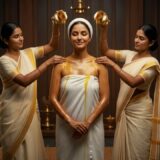
- How it works: Two therapists massage the body using warm, medicated herbal oils in a synchronized, rhythmic motion. The strokes are specifically designed to move towards the heart.
- Why it really works: Abhyanga is not just a relaxing massage; it is a mechanical way to push stagnant lymphatic fluid and improve blood circulation. The herbal oils are chosen based on your Prakriti (body type) and are absorbed transdermally to lubricate joints, soften tissues, and calm the nervous system.
7. Shirodhara (Steady Stream of Oil on the Forehead)
- Best for: Insomnia, severe anxiety, depression, hypertension, and neurological disorders.
- How it works: Warm, medicated oil, buttermilk, or herbal decoctions are poured in a continuous, rhythmic stream onto the forehead (specifically the third eye region) from a specific height using a clay pot.
- Why it really works: Shirodhara induces a profound state of altered consciousness. The rhythmic pouring stimulates the pituitary gland and hypothalamus, instantly down-regulating the sympathetic nervous system (fight or flight) and activating the parasympathetic nervous system (rest and digest). It is arguably the most effective natural treatment for chronic insomnia and panic disorders.
8. Pizhichil (Sarvanga Dhara / Oil Bath)
- Best for: Rheumatoid arthritis, osteoarthritis, paralysis, muscular dystrophy, and extreme nervous exhaustion.
- How it works: Pizhichil combines Abhyanga with Dhara. Warm medicated oil is continuously poured all over the body while two therapists massage the body simultaneously. It feels like a warm oil bath.
- Why it really works: This is a highly intensive therapy. The continuous saturation of warm oil forces the herbs deep into the tissues (Dhatus). It is incredibly effective for rebuilding damaged muscle tissue and restoring mobility in stiff, painful joints.
- Best for: Muscular wasting, severe joint pain, emaciation, multiple sclerosis, and post-paralysis rehabilitation.
- How it works: A highly specialized treatment where cooked Navara rice (a medicinal red rice native to Kerala) is tied into small cotton boluses (pouches). These pouches are dipped in warm medicated milk and a herbal decoction, then massaged vigorously over the body.
- Why it really works: Navara rice is incredibly nourishing. Combined with milk and herbs, this treatment acts as a potent Brimhana (nourishing) therapy. It literally feeds the muscles and tissues from the outside in, making it the go-to treatment for patients suffering from muscle atrophy or severe neurological weakness.
10. Udvartana (Dry Herbal Powder Massage)
- Best for: Obesity, cellulite, lethargy, and Kapha imbalances.
- How it works: Unlike other oil-based massages, Udvartana uses dry, rough herbal powders (often containing triphala, horse gram, and turmeric) rubbed vigorously upward against the hair follicles.
- Why it really works: This treatment generates intense friction, which opens pores, removes subcutaneous fat, and improves lymphatic drainage. It is a highly effective, non-invasive treatment for weight loss and reducing cellulite, especially when combined with a Kapha-reducing diet.
Specialized Localized Treatments (Keraliya Panchakarma)
Kerala Ayurveda has developed highly targeted treatments for specific problem areas. These are particularly effective for modern, lifestyle-induced ailments.
11. Kati Basti (Lower Back Therapy)
- Best for: Slip disc, sciatica, lumbar spondylosis, and chronic lower back pain.
- How it works: A dough dam made of black gram flour is placed on the lower back, creating a well. Warm, medicated oil is poured into this well and kept there for a specific duration.
- Why it really works: The oil creates a localized sauna effect on the lumbar vertebrae and surrounding muscles. It reduces inflammation, herniated disc swelling, and nerve compression. For millions suffering from desk-job-induced back pain, Kati Basti offers a surgical alternative that truly works.
12. Greeva Basti (Neck Therapy)
- Best for: Cervical spondylosis, frozen shoulder, tech-neck, and tension headaches.
- How it works: Similar to Kati Basti, but the dough dam is placed on the nape of the neck (cervical region) and filled with hot medicated oil.
- Why it really works: It directly targets the cervical vertebrae. The heat and herbal oil penetrate deep into the tight neck muscles, relieving spasms and pinched nerves. It is highly recommended for IT professionals and those who look at screens all day.
13. Janu Basti (Knee Therapy)
- Best for: Osteoarthritis of the knee, runner’s knee, and ligament tears.
- How it works: The dough ring is placed around the knee joint and filled with hot oil.
- Why it really works: The knee is a complex joint with limited blood supply. Janu Basti forces lubrication into the joint space, regenerates cartilage, and strengthens the ligaments. It is a lifeline for elderly patients looking to avoid knee replacement surgery.
14. Netra Tarpana (Eye Therapy)
- Best for: Dry eye syndrome, glaucoma (early stages), diabetic retinopathy, and strained eyes.
- How it works: A dough dam is built around the eyes, and pure, medicated ghee is poured into the well, allowing the eyes to bathe in the fat.
- Why it really works: The eyes are governed by Pitta dosha (fire). Ghee is cooling and nourishing. Netra Tarpana completely hydrates the optic nerve and cornea. In the digital age, where screen time causes chronic dry eye, this treatment provides miraculous relief.
Rejuvenation and Anti-Aging Therapies (Rasayana)
Ayurveda places a massive emphasis on Rasayana—the science of longevity. Once the body is cleansed via Panchakarma, Rasayana therapies are used to rebuild the cells and halt the aging process.
15. Kayakalpa Chikitsa
- Best for: Anti-aging, immune modulation, and cellular regeneration.
- How it works: This is a comprehensive, months-long program that combines specific Panchakarma protocols, herbal medicines (like Chyawanprash and Rasa preparations), diet, and Yoga.
- Why it really works: Kayakalpa literally means “transformation of the body.” It targets the seven tissues (plasma, blood, muscle, fat, bone, marrow, reproductive tissue) and restores their youthful vitality. It is highly sought after by those looking to reverse the physical signs of aging.
16. Tharpanam and Lepanam for Skin
- Best for: Psoriasis, eczema, vitiligo, and premature aging of the skin.
- How it works: Tharpanam involves pouring medicated liquids over the affected area, while Lepanam involves applying thick herbal pastes to the skin.
- Why it really works: Unlike chemical creams that only address the epidermis, Ayurvedic pastes contain herbs like Neem, Manjistha, and Turmeric that purify the blood and alter the immune response, effectively stopping autoimmune skin conditions at their source.
How to Ensure Your Kerala Ayurvedic Treatment Really Works
Finding an Ayurvedic center in Kerala is easy; finding the right one requires discernment. To experience the true efficacy of these treatments, you must follow these rules:
- Choose an Authentic Center: Avoid “Ayurvedic massage parlors” disguised as spas. Look for NABH-accredited hospitals or traditional Ayurvedic retreats staffed by qualified BAMS (Bachelor of Ayurvedic Medicine and Surgery) doctors.
- Commit to the Duration: A 3-day “Panchakarma package” is a marketing myth. To see real results for chronic issues, you need a minimum of 14 to 21 days.
- Strict Diet (Pathya): Ayurveda says that if you take the best medicine but eat the wrong food, the medicine becomes poison. During your treatment, you will be given a strict, easily digestible diet (usually vegetarian, without spices, onions, or garlic). Follow it absolutely.
- Rest is Mandatory: During treatment, your body is actively flushing out toxins. You must rest, avoid air conditioning (as it closes the pores), and avoid intense physical or mental stress.
- Post-Treatment Care: The weeks after you leave Kerala are crucial. You must continue the prescribed herbal medicines and diet to allow the body to lock in the new state of balance.
What to Expect: The Kerala Ayurvedic Experience
When you arrive at an authentic Ayurvedic center in Kerala, the process is highly systematic:
- Consultation: The Vaidya (doctor) will check your pulse (Nadi Pariksha), tongue, eyes, and ask detailed questions about your digestion, sleep, and mental state to determine your exact Prakriti and Vikriti (imbalance).
- Preparation (Purvakarma): You won’t jump straight into Panchakarma. You will undergo Snehana (internal and external oleation) and Swedana (fomentation/sweating) for 3 to 7 days to liquefy the toxins and bring them to the digestive tract.
- The Main Treatment: The specific Panchakarma or localized therapy is administered.
- Post-Treatment (Samsarjana Karma): A gradual reintroduction of foods to kindle your digestive fire back to normal strength.
The types of Ayurvedic treatments in Kerala that really work are not quick fixes; they are immersive, transformative processes. Whether it is the deep cleansing of Panchakarma, the neurological reset of Shirodhara, the targeted pain relief of Kati Basti, or the nourishing power of Navarakizhi, these therapies have withstood the test of time because they work in harmony with human biology.
FAQ’s
1. What are the most effective Ayurvedic treatments in Kerala?
Some of the most popular Ayurvedic treatments in Kerala include Panchakarma, Abhyanga, Shirodhara, Pizhichil, Njavarakizhi, Kati Vasti, and Nasya. The appropriate treatment depends on your health concerns, body constitution (Prakriti), and the recommendation of a qualified Ayurvedic practitioner.
2. Does Ayurveda really work for health and wellness?
Ayurveda can be beneficial for certain health and wellness goals, particularly relaxation, stress management, lifestyle support, and some chronic conditions when used appropriately. Results vary from person to person, so treatments should be selected and supervised by a qualified practitioner.
3. Why is Kerala famous for Ayurvedic treatments?
Kerala is well known for its long-standing Ayurvedic tradition, trained practitioners, herbal medicines, and specialized treatment centres. The state’s climate and established Ayurvedic institutions have also contributed to its reputation as a destination for Ayurvedic wellness.
4. What is Panchakarma treatment in Kerala?
Panchakarma is a traditional Ayurvedic cleansing and therapeutic approach consisting of several procedures selected according to an individual’s condition. It may involve therapies such as Vamana, Virechana, Basti, Nasya, and therapeutic procedures under professional supervision. It should not be undertaken without an appropriate medical assessment.
5. Is Abhyanga one of the best Ayurvedic treatments in Kerala?
Yes. Abhyanga is a traditional Ayurvedic oil massage that uses warm herbal oils and specific massage techniques. It is commonly used for relaxation, supporting circulation, relieving muscle tension, and promoting general wellbeing.
6. What is Shirodhara used for?
Shirodhara involves gently pouring a continuous stream of warm oil or another suitable liquid over the forehead. It is traditionally used to promote relaxation and is often included in Ayurvedic wellness programmes focused on stress and mental calmness.
7. Which Ayurvedic treatment in Kerala is best for joint and muscle problems?
Treatments such as Kati Vasti, Janu Vasti, Abhyanga, Pizhichil, and Njavarakizhi are commonly offered for musculoskeletal concerns. The right therapy depends on the individual’s symptoms and underlying condition, so consultation with an Ayurvedic physician is recommended.
8. What is Pizhichil Ayurvedic treatment?
Pizhichil is a traditional Kerala Ayurvedic therapy in which warm medicated oil is gently poured over the body while the person receives a coordinated massage. It is commonly offered as a rejuvenating and relaxing therapy.
9. What is Njavarakizhi treatment?
Njavarakizhi, also known as Shashtika Shali Pinda Sweda, uses small boluses containing cooked medicinal rice and herbal preparations. The warm boluses are applied to the body as part of a traditional Ayurvedic therapy programme.
10. How long do Ayurvedic treatments in Kerala take to show results?
The time needed to notice changes varies according to the treatment, individual health, lifestyle, and the condition being addressed. Some people experience relaxation after a single session, while structured Ayurvedic programmes may take several days or weeks.
11. How many days should I stay in Kerala for Ayurvedic treatment?
The duration depends on your treatment goals. Short wellness programmes may last 3–7 days, while traditional therapeutic programmes, including Panchakarma-based programmes, can require 1–3 weeks or longer following an individual assessment.
12. How do I choose the right Ayurvedic treatment in Kerala?
Start with a consultation with a qualified Ayurvedic practitioner rather than choosing a treatment solely based on online recommendations. Ask about the practitioner’s qualifications, treatment plan, medicines or oils being used, expected benefits, possible risks, and the recommended duration.
13. Are Ayurvedic treatments in Kerala safe?
Many Ayurvedic therapies are generally well tolerated when provided by qualified professionals, but they are not risk-free. Certain herbal medicines can interact with conventional medicines or contain harmful contaminants. Always disclose your medical history and current medicines to your practitioner.
14. Can tourists get authentic Ayurvedic treatment in Kerala?
Yes. Kerala has many Ayurvedic hospitals, clinics, resorts, and wellness centres serving visitors. For a more reliable experience, look for qualified practitioners, transparent treatment plans, appropriate hygiene standards, and facilities with recognized credentials.
15. What should I look for in a genuine Ayurvedic treatment centre in Kerala?
Choose a centre with qualified Ayurvedic doctors, trained therapists, hygienic facilities, clear treatment protocols, quality-controlled medicines, and proper consultation procedures. Avoid centres that promise guaranteed cures for serious diseases or claim that every condition can be treated through Ayurveda alone.
16. What is the difference between an Ayurvedic massage and Ayurvedic treatment?
An Ayurvedic massage, such as Abhyanga, is a specific therapy that may be used for relaxation and wellness. Ayurvedic treatment can involve a broader, individualized programme that may include therapies, diet, lifestyle recommendations, herbal preparations, and other traditional approaches.
17. Can Ayurveda be combined with modern medical treatment?
In some cases, Ayurveda and conventional medical care can be used alongside each other, but this should be coordinated carefully. Tell both your Ayurvedic practitioner and medical doctor about all treatments and medicines you are using to reduce the risk of interactions.
18. Which Ayurvedic treatments in Kerala are best for relaxation and stress relief?
Abhyanga, Shirodhara, Pizhichil, and selected Swedana therapies are commonly used in Kerala wellness centres for relaxation and stress management. Your practitioner can recommend a suitable combination based on your needs.
19. Is Kerala Ayurveda suitable for everyone?
Not necessarily. Age, pregnancy, existing medical conditions, medications, allergies, and overall health can affect whether a particular therapy is appropriate. A qualified practitioner should assess you before beginning an intensive Ayurvedic programme.
20. What are the benefits of taking Ayurvedic treatment in Kerala?
Kerala offers access to a well-established Ayurvedic tradition and a wide range of therapies and wellness programmes. Depending on the treatment, potential benefits may include relaxation, improved well-being, support for healthy lifestyle habits, and relief from certain symptoms. Individual results can vary.
References
- World Health Organization. WHO Benchmarks for the Practice of Ayurveda. World Health Organization, 2022. WHO
- World Health Organization. WHO Benchmarks for the Training of Ayurveda. World Health Organization, 2022. WHO
- World Health Organization. WHO International Standard Terminologies on Ayurveda. World Health Organization, 2023. WHO
- National Center for Complementary and Integrative Health (NCCIH), National Institutes of Health. Ayurvedic Medicine: In Depth. NCCIH. NCCIH
- Kerala Tourism, Government of Kerala. Ayurveda. Department of Tourism, Government of Kerala. Kerala Tourism
- Kerala Tourism, Government of Kerala. Monsoon in Kerala. Department of Tourism, Government of Kerala. Kerala Tourism
- Deshmukh, A., Choudhary, R., Ahmad, S., Reddy, G. D., Rao, M. R., Srikanth, N., & Acharya, R. Effectiveness and safety of Ayurvedic intervention in essential hypertension: A systematic review with meta-analysis. PubMed, 2025. PubMed
- National Center for Complementary and Integrative Health (NCCIH), National Institutes of Health. Ayurvedic Medicine: Science, Safety, and Evidence. NCCIH. NCCIH
- World Health Organization. Traditional Medicine. World Health Organization. WHO
- World Health Organization. Traditional, Complementary and Integrative Medicine. World Health Organization. WHO












I am from Canada would like to get some information about the ayurvedic treatments and the relevant fees. Planning to come there after the covid19 is over may be next year. I would like to get a estimate of an all inclusive package. I have diabetes and BP but both are controlled by meds. Also please let me know how long I have to stay there to get a good treatment and rejuvenate. I am 78 and in good health otherwise.
thank you
looking forward for your response.
thank you kindly.
As the world is developing in technology day by day we are moving away from nature. We have depleted nature’s every gift, polluted the environment with deforestation. Nature is reacting on us in the form of natural calamities and certain diseases.
With the constantly changing lifestyle of man, new health problems are emerging forcing man to look towards alternative medicine for cure. In spite of the fact that medical sciences have made great advancements, there are still certain aspects that are left unanswered by them.
The history of Ayurveda goes back thousands of years. The primary goal of Ayurveda has been twofold — promotion of health and managing the disease.