
7 Ayurvedic Home Remedies for Toenail Fungus: What May Help?

Thickened, yellow, or crumbling toenails bring silent embarrassment, hiding feet away in closed shoes. Medically termed onychomycosis, this common condition frustrates millions seeking relief from persistent fungal infections without unwanted hassle. 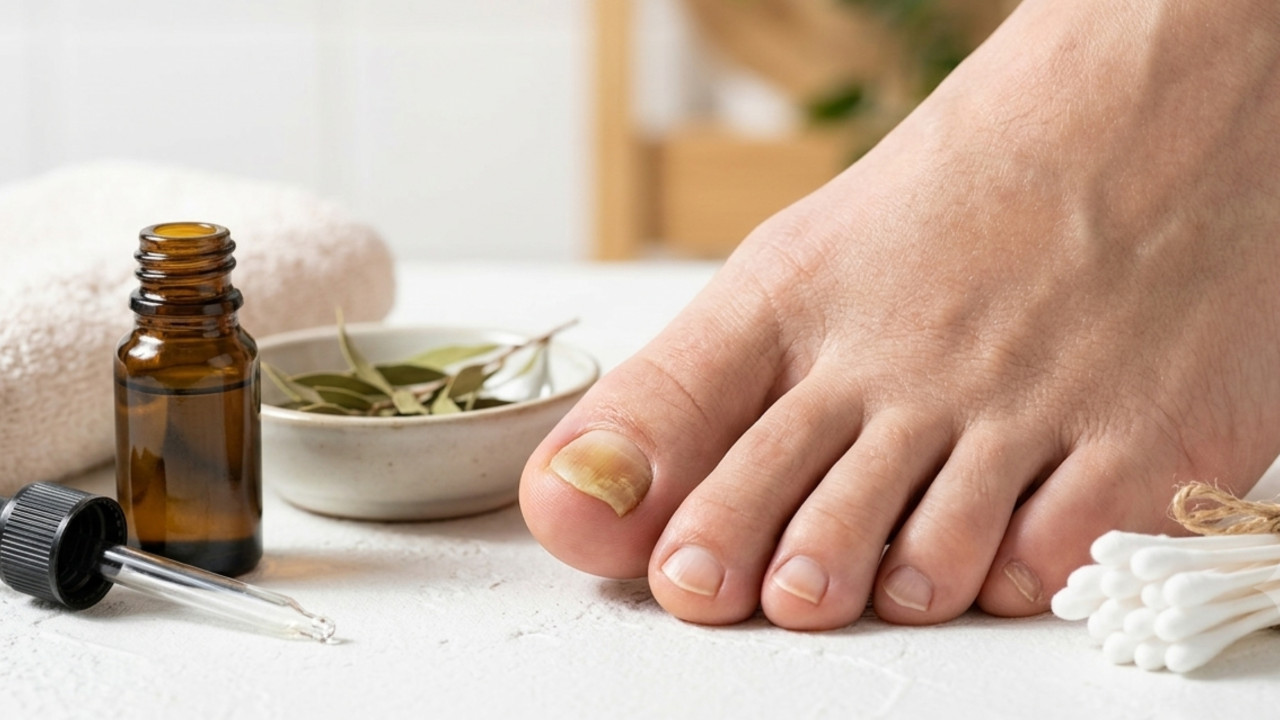 Modern treatments often rely on expensive prescription drugs or risky lasers carrying side effects like liver toxicity. Consequently, countless people scour the internet seeking reliable home remedies to clear infections safely.
Viewing toenail fungus through a five-thousand-year-old Ayurvedic lens changes everything. Instead of merely masking surface symptoms, this ancient wisdom helps us address the root systemic causes driving stubborn fungal growth.
This guide explores Ayurveda’s perspective on nail imbalances and reveals seven powerful natural home remedies. Harness these potent antifungal herbs to restore clear, healthy toenails and boost your daily confidence.
The Ayurvedic Perspective: Why Does Toenail Fungus Happen?
Western medicine blames toenail fungus solely on microscopic dermatophytes thriving in damp environments, but Ayurveda digs deeper to ask why your body hosts them.
Health relies on balancing the three doshas: Vata, Pitta, and Kapha. According to ancient texts like Bhavaprakasha, your nails (Nakha) are a byproduct of bone tissue (Asthi Dhatu) and directly reflect your digestive fire (Agni) and blood purity (Rakta Dhatu).
The Kapha-Ama Connection
Toenail fungus fundamentally stems from a Kapha imbalance. Kapha brings heavy, damp, slow, and cold qualities to the body through poor diet, inactivity, or humid climates. Because fungus thrives on dampness and stagnation, it mirrors these exact traits.
When your digestive fire weakens, food goes un-metabolized, producing a toxic, sticky substance called Ama. This toxin travels through the bloodstream and settles in the extremities.
When Ama meets aggravated Kapha in your toenails, it builds an ideal breeding ground for fungus. Any accompanying redness, swelling, or itching signals a secondary Pitta imbalance causing inflammation.
The Two-Step Ayurvedic Solution
- Shodhana (Cleansing): Eliminate circulating toxins (Ama) from your system while actively targeting and clearing the fungal spores.
- Shamana (Balancing): Pacify the Kapha dosha to dry up the damp, stagnant environment that allows the infection to survive and spread.
The 7 Best Ayurvedic Home Remedies for Toenail Fungus
The following 7 remedies have been selected because they satisfy both modern scientific scrutiny and ancient Ayurvedic principles. They work to penetrate the nail barrier, destroy the fungus, and restore balance to the affected tissues.
1. Neem (Nimba): The Ultimate Ayurvedic Antifungal
If there is one “hero” herb in Ayurveda for skin and nail issues, it is Neem. Known as Sarva Roga Nivarini (the curer of all ailments), every part of the Neem tree—leaves, bark, oil—possesses incredible medicinal properties.
The Science & Ayurveda: Neem contains an active compound called gedunin, which has been proven in modern studies to destroy dermatophytes. In Ayurveda, Neem is classified as Tikta (bitter) and Kashaya (astringent). Bitter and astringent tastes are the exact opposites of the sweet, heavy qualities of Kapha. Neem literally dries out the fungal environment and purifies the blood (Rakta shodhaka).
How to Use Neem for Toenail Fungus:
- The Neem Oil Method: Purchase 100% pure, cold-pressed Neem oil. Because Neem oil is very thick and potent, mix 4-5 drops with 1 teaspoon of organic coconut oil (which also has antifungal caprylic acid).
- Application: After filing the nail down slightly, apply the oil mixture directly to the nail, pushing it under the edges. Leave it on overnight.
- The Neem Paste: Alternatively, boil a handful of fresh Neem leaves in water until the water reduces by half. Strain the water and use it as a concentrated foot soak, or crush the boiled leaves into a paste and apply them directly to the nail for 30 minutes before rinsing.
2. Turmeric (Haridra): The Golden Healer
Turmeric needs no introduction. It is one of the most researched medicinal plants on earth, revered in Ayurveda as a powerful blood purifier and anti-inflammatory.
The Science & Ayurveda: The active compound in turmeric is curcumin. Studies show curcumin disrupts the cell membranes of fungal strains, effectively killing them. Ayurvedically, turmeric is Tikta (bitter), Katu (pungent), and Ruksha (dry). It pacifies Kapha, reduces the Pitta-driven inflammation (redness/swelling), andscrubs away Ama.
How to Use Turmeric for Toenail Fungus:
- The Anti-Fungal Paste: Mix 1 tablespoon of high-quality, organic turmeric powder with enough water or neem oil to create a thick paste.
- Application: Apply this paste generously over the infected toe. Wrap it with a breathable medical gauze and leave it on for 1 to 2 hours.
- Warning: Turmeric will temporarily stain your skin and nails a bright yellow. Do not worry; this is harmless and will wash off after a few days.
3. Apple Cider Vinegar (The “Sour” Terrain Shifter)
While not native to India, Apple Cider Vinegar (ACV) fits perfectly into the Ayurvedic framework of using taste (Rasa) to heal.
The Science & Ayurveda: ACV is rich in acetic acid. Fungi require an alkaline (basic) environment to thrive. ACV acidifies the skin and nail, making it impossible for the fungus to survive. In Ayurveda, the sour taste (Amla rasa) stimulates Agni (digestive fire). While we are applying it externally, its acidic nature acts as a powerful Pachana (digestive) agent, essentially “digesting” or breaking down the thick, dead Kapha-heavy nail tissue so other remedies can penetrate deeper.
How to Use ACV for Toenail Fungus:
- The Kapha-Pacifying Soak: Do not use plain vinegar, as it can be too harsh. Mix 1 cup of raw, unfiltered ACV (with “the mother”) into a basin of warm water.
- Soak: Soak your feet for 15-20 minutes daily.
- Crucial Step: You must dry your feet completely afterward. Fungi love moisture. Use a hair dryer on a cool setting to ensure no water remains between the toes or under the nail.
4. Garlic (Lashuna): The Toxin Burner
Garlic is a powerful kitchen medicine, known in Ayurveda as Lashuna. It is pungent, heating, and highly penetrating.
The Science & Ayurveda: When you crush garlic, it releases allicin. Modern mycology has proven that allicin is highly lethal to a wide variety of fungal pathogens. Ayurvedically, garlic is Ushna virya (heating potency). It burns away Ama (toxins) and aggressively pacifies the heavy, cold, sluggish qualities of Kapha. It improves local blood circulation, bringing immune cells directly to the site of the infection.
How to Use Garlic for Toenail Fungus:
- The Allicin Oil: Crush 4-5 cloves of fresh garlic and let them sit for 10 minutes (this is required for the allicin to form).
- Infuse: Place the crushed garlic in a small jar and cover it with 2 tablespoons of olive oil or sesame oil. Let it sit in a cool, dark place for 24 to 48 hours.
- Application: Strain the oil. Apply 2-3 drops of this garlic-infused oil to the infected nail daily.
- Note: Applying raw garlic directly to the skin can cause chemical burns. Always infuse it in oil first.
5. Tea Tree Oil: The Modern “Tikta” Essential Oil
Tea tree oil is native to Australia, but its chemical profile makes it an excellent addition to an Ayurvedic protocol.
The Science & Ayurveda: Tea tree oil contains terpinen-4-ol, which has been shown in clinical trials to be as effective as some prescription antifungals. In Ayurvedic terms, tea tree oil is intensely Tikta (bitter) and light. Bitter herbs and oils are the primary tools used to destroy Kapha imbalances on the skin. It is drying, light, and penetrating—the exact opposite of the heavy, damp qualities of a fungal infection.
How to Use Tea Tree Oil for Toenail Fungus:
- The Carrier Blend: Never apply essential oils directly to the skin. Mix 4 to 5 drops of pure tea tree oil with 1 teaspoon of a cooling carrier oil like coconut oil.
- Application: Rub the mixture deeply into the nail, paying special attention to the cuticle (where the new nail grows) and the underside of the nail tip. Do this morning and night.
6. Castor Oil (Eranda Taila): The Deep Penetrator
Castor oil is a staple in Ayurvedic medicine, used for everything from joint pain to digestive issues. It is known as Eranda Taila.
The Science & Ayurveda: Castor oil contains ricinoleic acid, which prevents the growth of bacteria, yeasts, and molds. But its real superpower in treating toenail fungus is its molecular structure. Castor oil has a very low molecular weight, meaning it is highly lipophilic (fat-loving) and can penetrate the dense keratin of the toenail much better than water-based treatments. Ayurvedically, it is Sneha (unctuous), but when used externally to balance foot health, it softens the hard Kapha-dominant nail tissue, allowing other bitter/tikta remedies to reach the root of the fungus.
How to Use Castor Oil for Toenail Fungus:
- The Softening Protocol: Before bed, soak a cotton ball in pure, cold-pressed castor oil.
- Application: Place the cotton ball over the infected toe and wrap it securely with medical tape or a bandage. Leave it on overnight.
- The Synergy: In the morning, remove the bandage. Because the nail is now softened, use a nail file to gently scrape away the dead, fungal debris. This exposes the fresh fungus underneath to your daytime remedies (like Neem or Tea Tree oil).
7. Triphala Foot Soak: The Ancient Detoxifier
Triphala translates to “three fruits” (Amalaki, Bibhitaki, and Haritaki). It is the most famous Ayurvedic formulation, revered for its ability to gently detoxify the body.
The Science & Ayurveda: Triphala is Tridoshic, meaning it balances all three doshas. It is a powerful Shodhana (cleansing) agent. Haritaki, one of the fruits, is specifically known for its antifungal and antibacterial properties. While usually taken internally, using Triphala as a foot soak pulls out heat (Pitta), reduces swelling, and cleanses the Marma (energy) points of the feet, drawing out localized Ama.
How to Use Triphala for Toenail Fungus:
- The Soak: Boil 2 tablespoons of organic Triphala powder in 4 cups of water for 5 minutes.
- Cool and Soak: Let the water cool until it is warm, then strain out the powder. Soak your feet in this decoction for 20 minutes.
- Frequency: Use this soak 3 to 4 times a week, alternating it with your ACV soaks.
Healing from the Inside Out: Ayurvedic Diet for Nail Fungus
In Ayurveda, applying topical remedies is only half the battle. If you continue to eat a diet that provokes Kapha and creates Ama, the fungus will keep returning, no matter how much Neem you put on your toes. To truly cure nail fungus naturally, you must adjust your diet.
1. Foods to Avoid (Kapha-Aggravating)
These foods are heavy, sweet, damp, and cold. They create the exact internal environment that fungi love:
- Refined Sugars: Fungi feed entirely on sugar. Cut out sweets, sodas, and baked goods.
- Excessive Dairy: Milk, cheese, and heavy creams are highly Kapha-provoking and create mucus/toxins.
- Yeast and Fermented Foods: Bread, pastries, beer, and excessive vinegar can feed yeast and fungal colonies.
- Cold/Heavy Foods: Ice cream, iced drinks, and deep-fried foods slow down Agni (digestive fire).
2. Foods to Embrace (Kapha-Pacifying)
These foods are light, warm, dry, and stimulating. They stoke your digestive fire and help burn away Ama:
- Bitter Greens: Kale, spinach, arugula, and dandelion greens. Bitter taste (Tikta rasa) is the most antifungal taste in Ayurveda.
- Warming Spices: Turmeric, ginger, black pepper, cinnamon, and cumin. Cook with these daily to boost Agni.
- Light Grains: Quinoa, millet, and barley (avoid heavy wheat).
- Legumes: Mung beans (the easiest bean to digest in Ayurveda) and lentils.
3. The Golden Ayurvedic Drink
Every morning, 20 minutes before eating, drink a glass of warm water with a squeeze of fresh lemon juice and a pinch of turmeric. This simple act stokes your digestive fire, helps flush out overnight toxins from the liver, and creates an internal environment where fungus cannot survive.
Ayurvedic Lifestyle (Vihara): Keeping the Fungus at Bay
Ayurveda places equal importance on lifestyle (Vihara) as it does on diet and herbs. Toenail fungus thrives on stagnation. To combat it, you must introduce movement and dryness.
1. Daily Foot Massage (Padabhyanga)
In Ayurveda, the feet contain vital Marma points connected to the entire body. A daily foot massage with herbal oils not only improves circulation (bringing immune cells to fight the fungus) but also grounds the nervous system.
- How to do it: Before bed, massage your feet (including the nails and cuticles) with warm sesame or coconut oil for 5-10 minutes. Focus on circular motions around the infected nail to break up stagnant lymph fluid.
2. Protect Your Agni (Digestive Fire)
Do not overeat. Ayurveda states that eating beyond your capacity is the number one cause of Ama. Eat until you are 75% full, and sip warm ginger water throughout the day to keep your digestion robust.
3. Footwear as Medicine
- Breathability: Avoid plastic or synthetic shoes. Wear leather, canvas, or mesh to allow air to flow, reducing the Kapha dampness around your toes.
- Ditch the Dampness: Never wear damp socks. Change them mid-day if your feet sweat.
- Go Barefoot (Safely): Let your feet breathe by walking barefoot in your home. However, when using public showers or pools, always wear sandals to avoid picking up new fungal spores.
What DOESN’T Work: Debunking Dangerous Myths
When exploring how to get rid of toenail fungus, you must avoid extreme, harmful methods that disrupt the body’s natural intelligence.
- Bleach Soaks: In Ayurveda, introducing harsh, toxic chemicals like bleach to the skin severely aggravates Pitta dosha, causing chemical burns, blistering, and destroying the healthy bacteria that protect your skin. It does not cure the root cause.
- Urine Therapy: An old myth suggests urinating on your feet cures fungus. Ayurveda views urine (Mutra) as a waste product containing excess Ama. Applying it to an already infected area will only worsen the toxicity.
- Ignoring the Digestion: Using all the topical remedies in the world will fail if you are eating a high-sugar, high-dairy diet. You cannot out-oil a bad diet.
When to Seek Help from a Vaidya (Doctor)
Ayurvedic home remedies are incredibly powerful for mild to moderate cases of toenail fungus. However, you must seek professional medical care (from an Ayurvedic Vaidya, Podiatrist, or Medical Doctor) if:
- You are Diabetic: In diabetics, minor foot infections can quickly become severe ulcers due to poor circulation. Diabetics should never self-treat foot issues.
- Cellulitis Sets In: If the redness, swelling, and pain spread beyond the toe up the foot, this is a bacterial infection (cellulitis) that requires immediate antibiotics.
- There is Pus or a Foul Odor: This indicates a deep-seated infection that has become septic.
- No Improvement After 3 Months: If you have strictly followed the internal diet, lifestyle changes, and topical remedies for three months with zero improvement, the infection may be too deep for topical treatments alone. A doctor may need to prescribe oral antifungals or debride (remove) the nail.
The Final Verdict on Toenail Fungus
Toenail fungus burrows deep under a thick keratin shield, making it notoriously stubborn. Consistency is your ultimate weapon here, as skipping a single day lets the Kapha imbalance regroup.
The seven home remedies covered—Neem, Turmeric, Apple Cider Vinegar, Garlic, Tea Tree Oil, Castor Oil, and Triphala—are scientifically validated, potent tools rooted in ancient wisdom.
By softening the nail with Castor oil, eliminating spores with Neem and Tea Tree, drawing out toxins with Triphala, and pacifying internal Kapha, you change your body’s terrain so fungus cannot survive.
Because toenails grow only about 1 mm a month, expect 6 to 12 months for a completely clear nail to emerge. This holistic approach cures the infection while boosting your digestion, skin clarity, and overall vitality.
FAQ’s
1. What are the best Ayurvedic home remedies for toenail fungus?
Commonly discussed Ayurvedic and natural approaches include keeping the feet clean and dry, using ingredients such as neem or turmeric in traditional preparations, and maintaining good nail hygiene. However, there is limited clinical evidence that these remedies can cure toenail fungus. They are best considered supportive measures rather than replacements for proven antifungal treatment.
2. Can neem help with toenail fungus?
Neem is traditionally valued in Ayurveda for its antimicrobial properties. Some people use neem-based preparations as part of their foot-care routine. However, strong clinical evidence showing that neem alone can cure toenail fungus is lacking. If you use a neem product, stop if it causes irritation and avoid applying it to broken skin.
3. Is turmeric effective for toenail fungus?
Turmeric and its active compound curcumin have been studied for antimicrobial and anti-inflammatory properties. However, evidence that applying turmeric directly to an infected toenail cures onychomycosis is limited. Turmeric should therefore be viewed as a traditional supportive remedy, not a clinically established cure.
4. Can tea tree oil treat toenail fungus naturally?
Tea tree oil has demonstrated antifungal activity and is often promoted as a natural treatment for nail fungus. However, studies in people have been small, and dermatologists note that more research is needed to determine how effective and safe it is for toenail fungus.
5. Does keeping toenails dry help get rid of fungus?
Keeping feet and toenails clean and dry can help reduce the warm, moist conditions in which fungi thrive. Dry your feet thoroughly after bathing, change damp socks, and choose breathable footwear. These habits can support treatment and may help reduce the risk of recurrence, but they do not necessarily eliminate an established nail infection.
6. Can trimming and filing infected toenails help?
Regularly trimming and carefully thinning thickened nails can reduce pressure and may help topical antifungal treatments reach affected areas. However, filing alone does not remove all the fungus because the infection can exist within the nail and tissue underneath it.
7. Can Ayurvedic remedies completely cure toenail fungus?
There is not enough high-quality clinical evidence to say that Ayurvedic home remedies can completely cure toenail fungus. Toenail fungus, also called onychomycosis, can take months to improve because toenails grow slowly. Depending on the severity and type of infection, healthcare professionals may recommend topical or oral antifungal medicines.
8. How long does it take for toenail fungus to go away naturally?
Toenails grow slowly, so even when treatment works, a healthy-looking nail can take many months to grow out. The exact timeline varies according to the extent of infection and the treatment used. A big toenail may take a year or longer to appear completely clear after the infection has been treated.
9. Are home remedies for toenail fungus safe for everyone?
Not necessarily. Natural ingredients can still cause skin irritation or allergic reactions, and some people need prompt medical treatment for fungal nail infections. People with diabetes, poor circulation, or a weakened immune system should be particularly cautious and discuss suspected toenail fungus with a healthcare professional.
10. How can I tell if my toenail really has fungus?
Typical signs include a thickened, yellowish or brownish nail, brittleness, crumbling, changes in shape, or separation from the nail bed. However, nail injury, psoriasis, and other conditions can look similar. A healthcare professional may examine the nail and, when necessary, test a nail clipping or scraping to confirm the diagnosis.
11. When should I see a doctor for toenail fungus?
Consider medical evaluation if the nail becomes painful, the infection is spreading, several nails are affected, or home care is not improving the problem. Medical advice is especially important if you have diabetes, poor circulation, or a weakened immune system. Accurate diagnosis matters because not every discolored or thickened toenail is caused by fungus.
12. What is the most effective treatment for toenail fungus?
Treatment depends on the severity of the infection and the type of fungus involved. Healthcare professionals may recommend prescription topical antifungals or oral antifungal medicines. Because different nail conditions can resemble fungal infections, confirming the diagnosis can help ensure the appropriate treatment is chosen.
Tackling toenail fungus the Ayurvedic way teaches us that true healing requires patience and consistency, as healthy nails grow back slowly over six to twelve months. By clearing internal toxins (Ama), balancing the Kapha dosha, and utilizing potent natural remedies like neem, tea tree oil, and turmeric, you address the root cause rather than just masking surface symptoms.
Disclaimer: This information is for educational purposes and does not constitute medical advice. Always consult a qualified healthcare provider or Ayurvedic practitioner before starting new herbal treatments.
References
- Gupta, A. K., Stec, N., Summerbell, R. C., Shear, N. H., Piguet, V., Tosti, A., & Piraccini, B. M. Onychomycosis: A Review. Journal of the European Academy of Dermatology and Venereology. PubMed
- American Academy of Dermatology Association. Nail Fungus: Diagnosis and Treatment. American Academy of Dermatology Association. American Academy of Dermatology Association
- Frazier, W. T., Santiago-Delgado, Z. M., & Stupka, K. C. Onychomycosis: Rapid Evidence Review. American Family Physician. American Family Physician
- National Health Service. Fungal Nail Infection. NHS. NHS
- American Academy of Dermatology Association. Nail Fungus: Causes. American Academy of Dermatology Association. American Academy of Dermatology Association
- American Academy of Dermatology Association. Nail Fungus: Signs and Symptoms. American Academy of Dermatology Association. American Academy of Dermatology Association
- Gupta, A. K., & et al. Recent Advances in Therapies for Onychomycosis and Its Management. F1000Research. PubMed Central
- Carson, C. F., Hammer, K. A., & Riley, T. V. Melaleuca alternifolia (Tea Tree) Oil: A Review of Antimicrobial and Other Medicinal Properties. Clinical Microbiology Reviews. PubMed Central
- National Center for Complementary and Integrative Health. Turmeric: Usefulness and Safety. National Institutes of Health. NCCIH
- Caplan, A. S., Gold, J. A. W., Smith, D. J., & Ely, J. W. Diagnosis and Management of Tinea Infections. American Family Physician. American Family Physician
- National Center for Complementary and Integrative Health. Herbs at a Glance. National Institutes of Health. NCCIH
- World Health Organization. WHO Global Report on Traditional and Complementary Medicine. World Health Organization. World Health Organization























There are a handful of clear methods that people can use to prevent catching a toenail fungus infection. In this article you have explained very well.