Ayurvedic Treatment For Pimple: Causes, Herbs, Home Remedies

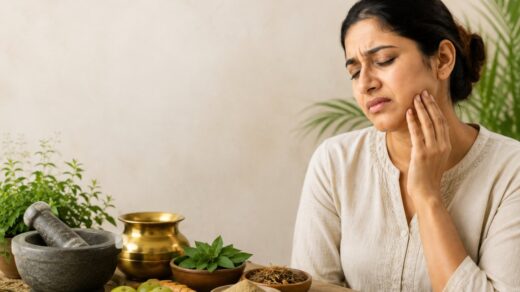
Pimples are closely linked to hormonal imbalances and overall skin health. They commonly appear during adolescence due to the surge of hormones, but can also affect adults due to stress, poor diet, or lifestyle habits. Ayurveda offers effective treatments that address both of these root causes, not just by targeting the external symptoms, but by working on internal imbalances that trigger breakouts. 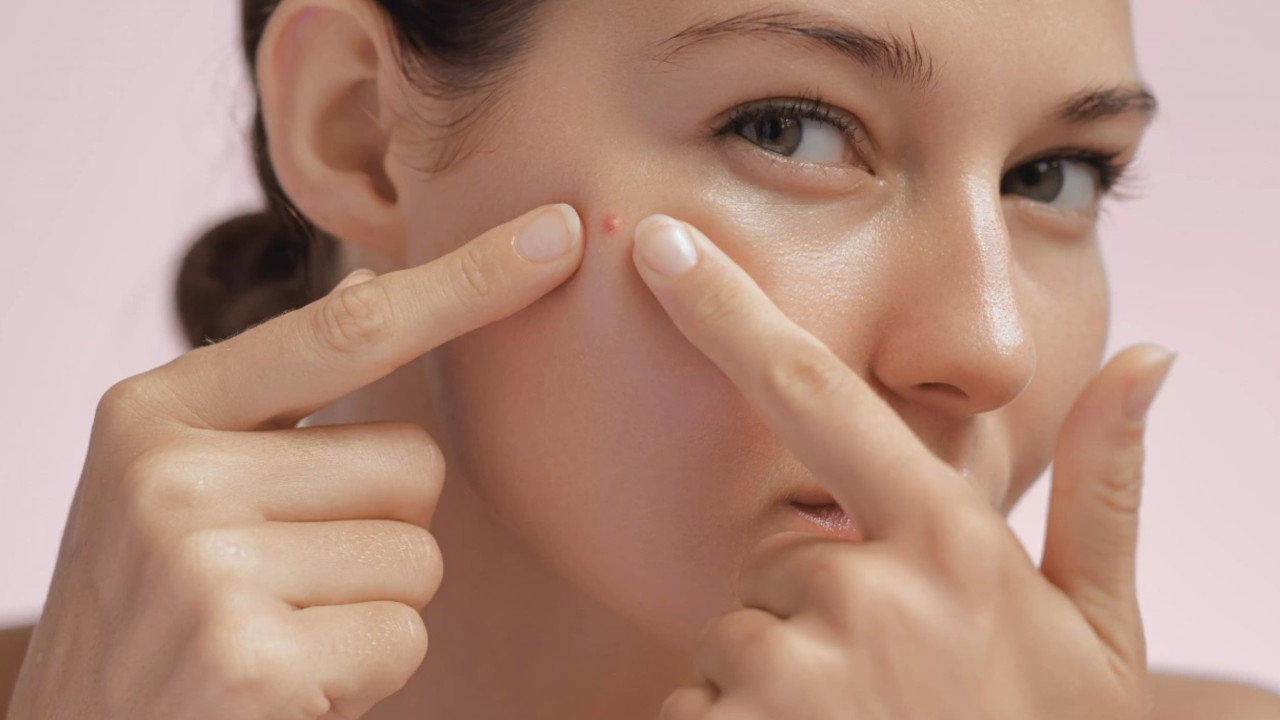 In Ayurvedic texts, pimples are called Youvana Pidaka—Youvana means youth, and Pidaka refers to skin eruptions. This name reflects the condition’s prevalence during the youthful years, when hormonal fluctuations are most intense.
Other Ayurvedic names for this condition include:
- Tarunya Pidaka – similar in meaning to Youvana Pidaka
- Mukha Dooshika – indicating blemishes that diminish facial beauty
- Padmini Kantaka – describing the thorn-like appearance of acne
Many teenagers seek quick remedies using creams, soaps, ointments, or herbal pastes. However, these solutions often overlook the underlying issues, such as:
- Accumulated toxins in the blood
- Metabolic waste buildup
- Hormonal imbalances
- Stress
- Poor skin health
Ayurvedic treatments aim to purify the blood, balance hormones, and restore overall wellness, offering a holistic and long-term approach to managing pimples.
Acne in Ayurveda (Youvana Pidaka)
In Ayurvedic understanding, acne (referred to as Youvana Pidaka) originates from the imbalance of Vata and Pitta doshas. The previously mentioned causative factors—such as unhealthy diet, stress, and hormonal changes—provoke these doshas, leading to the vitiation of Rakta Dhatu (blood) and Mamsa Dhatu (muscle tissue).
This imbalance causes localized inflammation and irritation in areas like the face, neck, chest, and back. The result is the appearance of multiple small, elevated lesions—commonly known as pimples.
If the vitiated doshas and blood impurities are not treated, they continue to aggravate the condition and affect deeper layers of the skin.
Features of Acne According to Ayurveda
1. Initial Stage
Acne typically presents as small, reddish-black or pink eruptions. These are usually non-itchy, non-burning, and non-painful in the beginning. These early-stage lesions are often ignored, as they may appear mild and self-limiting.
2. Progression
If left untreated or if the underlying causes persist, the condition can worsen. The pimples may become:
- Itchy and painful
- Filled with pus or fluid
- Inflamed and more widespread
This progression reflects deeper doshic imbalance and the formation of toxins in the system.
3. Severe Cases
In more advanced stages, additional symptoms may include:
- Fever
- Skin discoloration
- Deep, cystic lesions
Such complications may indicate systemic involvement and often require internal purification therapies.
4. Aggravating Factors
Common behaviors such as frequent use of harsh cosmetics, scratching or pricking the pimples with nails, and exposure to irritants can significantly worsen the condition.
These factors are often observed in clinical practice. These actions can damage the skin barrier, leading to secondary infections and scarring
Causes of Acne According to Ayurveda
In Ayurveda, Youvana Pidaka (acne) is considered a result of imbalances in the doshas—primarily Pitta and Kapha—along with the accumulation of toxins (Ama) in the blood. The following factors are identified as common causes of acne:
- Excessive Intake of Fried and Junk Food: These foods aggravate Kapha and Pitta doshas, leading to the vitiation of blood (Rakta Dushti) and the formation of acne.
- Staying Awake Late at Night: Irregular sleep patterns disturb the body’s natural rhythm and stress metabolism, resulting in toxin buildup and skin issues.
- Overuse of Cosmetics: Frequent or improper use of cosmetics can clog pores and directly impact the health of facial skin, aggravating acne.
- Mental Stress and Anxiety: Psychological stress disrupts metabolic functions and weakens digestion, contributing to the accumulation of internal toxins.
- Hormonal Changes During Adolescence: This natural phase of life brings significant hormonal shifts, which are often linked to increased Pitta activity and sebum production, triggering breakouts.
- Excess Consumption of Non-Vegetarian Foods: Heavy, protein-rich diets can increase Pitta and Ama, leading to heat and impurity buildup in the blood.
Causes of Acne According to Modern Science
From a modern medical perspective, acne is primarily caused when hair follicles become clogged with oil (sebum), dead skin cells, and bacteria. Key contributing factors include:
- Excess Sebum Production: Overactive sebaceous glands produce too much oil, leading to clogged pores.
- Abnormal Shedding of Skin Cells: Irregular shedding of dead skin can block hair follicles and promote acne formation.
- Bacterial Growth: Bacteria, particularly Propionibacterium acnes, can proliferate in clogged pores and trigger inflammation.
- Hormonal Imbalance: Hormonal fluctuations during puberty, menstruation, pregnancy, or due to certain medications (e.g., corticosteroids or androgens) can increase oil production and lead to acne.
- Genetics: A family history of acne can predispose individuals to similar skin issues.
Tips and Treatment Principles in Ayurveda for Pimples
Ayurveda emphasizes a holistic approach in managing pimples (Youvana Pidaka), focusing on detoxification, balancing doshas, and supporting healthy skin function from within. Here are some practical tips and treatment principles:
- Frequent Washing with Lukewarm Water: Gently wash the face with lukewarm water three to four times a day to remove excess oil, dirt, and sweat.
This helps keep the pores clean and prevents bacterial buildup without stripping the skin’s natural balance. - Use of Blood-Purifying and Detoxifying Herbs: Herbs with astringent and bitter tastes are especially effective. Astringents help reduce excess oil (sebum), while bitter herbs like neem, turmeric, and manjistha have antibacterial and anti-inflammatory properties that cleanse and heal acne-prone skin.
- Application of Complexion-Enhancing Herbs and Pastes: Natural remedies such as turmeric, sandalwood paste, and fuller’s earth (multani mitti) can be applied externally. These support skin clarity, reduce inflammation, and improve overall complexion and texture.
- Use of Cooling and Mind-Calming Remedies: Pitta-dominant acne benefits greatly from internal cooling agents like aloe vera, coriander, and amla, as well as stress-reducing practices such as meditation or Brahmi-based formulations. Keeping the mind calm helps regulate hormonal activity and supports better skin health.
- Hormonal Balance Therapies: Acne is linked to hormonal imbalances (common during puberty, menstruation, or stress); specific Ayurvedic formulations like Shatavari, Ashoka, or Guduchi are used to restore equilibrium.
Balancing hormones not only addresses the root cause but also prevents frequent recurrence of breakouts.
Herbs Used in Ayurvedic Treatment of Acne
Ayurveda uses a variety of herbs to address the root causes of acne, including blood impurities, excess oil production, inflammation, hormonal imbalance, and stress. Below is a list of commonly used herbs, along with their benefits:
- Nimba (Neem): A renowned blood purifier that helps prevent the further spread and worsening of skin conditions. Its antibacterial and detoxifying properties make it essential in acne treatment.
- Haridra (Turmeric): Reduces oiliness, brightens the complexion, and has strong anti-inflammatory and antibacterial effects. Also supports faster healing of acne lesions.
- Daruharidra (Berberis aristata): Fades acne scars and improves skin radiance. Its bitter properties help detoxify the blood.
- Sariva (Hemidesmus indicus): Acts as a natural coolant and blood purifier, enhances complexion, and soothes inflammation. It is particularly helpful in managing Pitta-related skin issues.
- Chandana (Sandalwood): Calms and soothes irritated skin while reducing redness and inflammation.
Often used as a paste for external application. - Rakta Chandana (Red Sandalwood): Improves blood circulation and purifies the blood. Also promotes even skin tone and reduces pigmentation.
- Jatiphala (Nutmeg): Helps fade acne scars and blemishes when applied as a paste. Its mildly astringent quality supports skin tightening.
- Usheera (Vetiver): A natural coolant and stress-reliever that supports healthy skin by calming the nervous system. Also purifies the blood and relieves heat-related skin issues.
- Manjishta (Rubia cordifolia): A powerful blood purifier that improves circulation and promotes clear skin.
Especially useful in chronic and recurring acne. - Amalaki (Indian Gooseberry / Amla): Nourishes both blood and skin tissues, rich in vitamin C and antioxidants. Supports skin rejuvenation and immune function.
- Khadira (Acacia catechu): A well-known blood purifier with antimicrobial properties. Helps control oil secretion and heals inflamed skin.
- Draksha (Raisins / Vitis vinifera): Acts as a coolant and promotes healthy blood flow and detoxification.
Also supports skin hydration and reduces oxidative stress. - Shatavari, Ashwagandha, Ashoka: These adaptogenic herbs are used to balance hormones, particularly in cases where acne is caused by hormonal imbalances (e.g., puberty, PCOS, menstruation). They help regulate endocrine function and reduce stress-related breakouts.
Ayurvedic Medicines for Acne
Ayurveda addresses acne not just as a superficial skin issue but as a reflection of internal imbalance—particularly involving Pitta and Kapha doshas, blood impurities, digestive health, and sometimes hormonal fluctuations. The following oral and external medicines aim to purify the system, calm inflammation, and restore skin health from the inside out.
Oral Ayurvedic Medicines
- Kaishora Guggulu: Balances Vata and Pitta doshas; helpful in chronic inflammation, wound healing, and skin disorders. It detoxifies the blood and supports healthy joints and skin, making it a multi-purpose remedy for systemic cleansing.
- Triphala Guggulu: Helps dry up excess sebum, clear blocked channels (srotas), and reduce inflammation.
Combines the digestive benefits of Triphala with the anti-inflammatory action of Guggulu, promoting overall detox. - Arogya Vardhini Vati: Strengthens liver function, improves digestion, and balances Pitta. A healthy liver is essential in clearing skin toxins and regulating hormonal balance.
- Mahamanjishtadi Kashaya: A bitter decoction excellent for cleansing the blood and removing deep-seated toxins. Especially effective in treating long-standing or recurring acne and improving skin tone.
- Panchanimba Choorna: A potent antimicrobial and detoxifying powder that fights skin infections and purifies the system. Often used when acne is aggravated by bacterial or fungal infections.
- Triphaladi Kashaya: Cleanses the body internally and helps regulate metabolism and elimination.
Also reduces oil secretion and helps prevent future acne flare-ups. - Avipathi Choorna: Cools down aggravated Pitta dosha, especially when acne is linked to excess heat, sun exposure, or spicy food. Also improves bowel movements, reducing internal toxin buildup (ama).
- Sarivadyasava: A traditional liquid preparation used for purifying the blood and treating heat-related skin issues. Contains cooling and soothing herbs that help reduce inflammation and pigmentation.
- Khadirarishta: One of the most commonly prescribed medicines for various skin disorders, including acne, eczema, and dermatitis. It purifies the blood, enhances digestion, and reduces skin eruptions.
- Usheerasava: A natural coolant that relieves internal heat and supports blood purification. Often used when acne is accompanied by burning sensations, heat intolerance, or restlessness.
- Chandanasava: Useful in managing oily skin conditions by balancing sebum production and soothing irritated skin. Its aromatic herbs also support the nervous system and help reduce stress-induced acne.
- Aravindasava: Acts as a gentle blood tonic, especially suitable for adolescents with tender constitutions.
It nourishes skin tissues, aids digestion, and promotes clarity and brightness of complexion.
External Applications
- Kumkumadi Tailam (Saffron Herbal Oil): Enhances skin tone, reduces acne scars, and improves overall complexion. Regular nighttime application helps in rejuvenating dull or pigmented skin and aids scar fading.
- Nalpamaradi Tailam (Bark Extract Oil): Combines four types of Ficus bark with turmeric and other herbs; excellent for inflammation and pigmentation. It is ideal for both acne treatment and post-acne discoloration.
- Mukhadooshikari Lepam (Anti-Acne Herbal Paste): Specially formulated to treat acne, reduce excess oil, and detoxify the facial skin. Its regular use prevents blackheads, whiteheads, and future breakouts by maintaining skin balance.
Panchakarma for Acne
In severe or chronic cases of acne, especially when associated with deep-rooted toxins, hormonal imbalances, or stubborn skin eruptions, Ayurveda recommends Panchakarma therapies for long-lasting relief.
These therapies aim to cleanse the body at a deeper level by eliminating accumulated doshas (bio-energies) and ama (toxins).
1. Vamana (Therapeutic Emesis)
This treatment involves the controlled induction of vomiting to expel excess Kapha dosha from the body.
Vamana is particularly beneficial when acne is associated with oily skin, whiteheads, and mucous-related imbalances. It helps in decongesting the channels and purifying the upper digestive tract and skin.
2. Virechana (Purgation Therapy)
A mild to moderate purgation process that targets Pitta dosha, which is often responsible for inflammation, redness, and burning sensations in acne.
Virechana purifies the blood and liver, enhances digestion, and clears heat from the system, making it ideal for treating acne with red, inflamed, or pus-filled eruptions.
Both therapies are preceded by preparatory steps like Snehana (internal and external oleation) and Swedana (sudation or steam therapy), and followed by a specific diet and lifestyle regimen to stabilize the system.
Note: Panchakarma treatments should always be done under the supervision of a qualified Ayurvedic physician after proper diagnosis.
Diet and Lifestyle Habits for Clear Skin
- Lukewarm Water Intake: Drinking lukewarm water throughout the day helps flush out toxins and maintain hydration. It aids in digestion, prevents constipation, and promotes better skin health by supporting the elimination of waste.
- Intake of Easily Digestible Food: Choose light, simple foods like soups, khichdi, and steamed vegetables that are easy on the digestive system. Heavy, processed foods can lead to toxins (ama) in the body, which may aggravate acne. Easy-to-digest foods allow for better absorption of nutrients and improved metabolism.
- Raw Vegetables (Carrot, Cucumber, etc.): Raw vegetables are rich in water content, fiber, and antioxidants that help hydrate and detoxify the skin. Carrots and cucumbers are cooling for the body, promote digestion, and provide skin-healthy vitamins like Vitamin A.
- Fruits like Guava, Apple, Pear, etc.: Fresh, seasonal fruits like guava, apples, and pears provide essential vitamins, antioxidants, and hydration for the skin. They help improve digestion, balance hormones, and contribute to a healthy, glowing complexion.
- Sleeping for at Least 6-7 Hours at Night: Quality sleep is essential for skin regeneration and hormone balance. Adequate rest helps the body repair and rejuvenate skin cells, reducing the occurrence of breakouts.
- Anti-Stress Techniques like Pranayama: Regular practice of pranayama (breathing exercises) helps reduce stress, which is often a trigger for acne. Stress increases Pitta, leading to more acne flare-ups, so calming the mind with pranayama reduces internal heat and promotes overall well-being.
- Exposure to Bright Sunlight: Moderate exposure to sunlight helps the body produce Vitamin D, which plays a role in skin health. However, excessive sun exposure should be avoided, as it can lead to skin irritation or pigmentation. A brief daily exposure (10-15 minutes) is sufficient for Vitamin D synthesis.
Unwholesome Diet and Habits to Avoid for Clear Skin
- Excess Spices that Increase Pitta: Spicy, pungent foods can exacerbate Pitta dosha, leading to inflammation, redness, and increased oil secretion. Limit the consumption of hot, spicy, or fried foods, especially during acne flare-ups, to avoid aggravating the skin.
- Excess Sun Exposure: Prolonged exposure to the sun can dehydrate the skin, worsen pigmentation, and lead to sunburns, which may trigger acne. Always use a natural sunscreen or wear a hat when going out for long periods in direct sunlight.
- Pricking or Touching the Acne Area Repeatedly: Picking or squeezing pimples can cause infection, increase inflammation, and leave scars. Resist the urge to touch or prick acne; instead, treat it with soothing Ayurvedic oils or creams.
- Sleeping with Makeup On: Sleeping with makeup clogs the pores, leading to the buildup of dirt, oil, and bacteria, which worsens acne. Always remove makeup thoroughly before bed to allow your skin to breathe and regenerate overnight.
By following these wholesome habits and avoiding unwholesome practices, you can create a nurturing environment for your skin, supporting its natural healing processes. Would you like suggestions for specific anti-stress or Ayurvedic diet plans to enhance your skincare routine?
Ayurvedic Home Remedies for Acne
Ayurvedic remedies focus on utilizing natural ingredients to soothe inflammation, purify the blood, and promote healing from within. Here are some effective home remedies to treat acne and improve skin health:
1. Guava, Mango, and Pomegranate Leaf Paste
Prepare a fine paste by crushing the tender leaves of guava, mango, and pomegranate. Apply this paste over acne lesions regularly. This remedy is especially beneficial for those with oily skin. The antimicrobial properties of these leaves help reduce acne spots, control excess oil, and enhance the natural glow of the face.
2. Ixora Flowers and Rose Petals Paste
Crush red ixora flowers and rose petals, then mix with a pinch of turmeric to create a smooth paste. Apply this paste to the acne scars and affected areas. This natural paste helps lighten dark spots caused by acne, while turmeric works to reduce inflammation and prevent further breakouts. The combination soothes the skin and accelerates healing.
3. Lemon Peel Ash with Buttermilk
After extracting juice from the lemon, dry the outer peel and make it into a fine ash. Mix this ash with a little buttermilk and apply to the acne-affected area. Applying this mixture for 10-12 days helps reduce acne lesions, thanks to lemon’s astringent properties and buttermilk’s cooling effects. It also helps control excess oil and improve skin texture.
4. Neem and Turmeric Paste for Cystic Acne
For cystic acne or local skin infections, apply a paste made from fresh neem leaves and turmeric. Neem is well-known for its antibacterial and anti-inflammatory properties, while turmeric helps to reduce swelling and redness. This remedy is especially effective in calming irritated skin and speeding up healing.
These Ayurvedic home remedies can help reduce acne naturally, without harsh chemicals. They aim to balance the skin, soothe inflammation, and promote healing. For best results, consistency is key, along with a balanced diet and healthy lifestyle.
FAQ’s
1. What causes pimples according to Ayurveda?
In Ayurveda, pimples (Yuvan Pidika) are primarily caused by an imbalance in the doshas, especially Pitta. Excess heat and toxins in the blood (rakta dushti) lead to inflammation and breakouts.
2. How does Ayurveda treat pimples?
Ayurveda focuses on balancing the doshas, detoxifying the body, improving digestion, and using herbal formulations both internally and externally.
3. Which Ayurvedic herbs are used to treat pimples?
Common herbs include:
- Neem (antibacterial and blood purifier)
- Turmeric (anti-inflammatory)
- Manjistha (blood purifier)
- Aloe Vera (cooling and soothing)
4. Are there any Ayurvedic home remedies for pimples?
Yes. Popular remedies include:
- Applying a paste of neem and turmeric
- Drinking warm water with turmeric
- Face packs with sandalwood, multani mitti (Fuller’s earth), or rose water
5. Can diet affect acne in Ayurveda?
Absolutely. Ayurveda emphasizes avoiding oily, spicy, and junk foods, and instead recommends a Pitta-pacifying diet: more cooling, fresh foods like cucumber, coconut water, and leafy greens.
6. Is Ayurvedic treatment safe for all skin types?
Generally, yes, but it’s best to consult an Ayurvedic practitioner to get personalized treatment based on your prakriti (body constitution).
7. How long does it take to see results with Ayurvedic treatment?
Ayurveda works gradually. Visible improvement may take 2–6 weeks, depending on the severity and consistency of treatment.
8. Are there any side effects of Ayurvedic medicines?
When prescribed correctly and taken as directed, Ayurvedic remedies usually have minimal side effects, especially compared to conventional drugs. However, self-medication is discouraged.
9. Does Ayurveda recommend detox or Panchakarma for pimples?
Yes. In chronic or severe cases, Panchakarma therapies like Virechana (therapeutic purgation) may be recommended to cleanse the body of excess Pitta.
10. Can Ayurveda cure acne permanently?
Ayurveda aims to treat the root cause and can offer long-term relief, but maintaining a proper lifestyle and diet is key to preventing recurrence.
Ayurveda offers a holistic and natural approach to treating pimples by addressing the root causes rather than just the symptoms. By understanding your dosha imbalance, using time-tested herbs, and adopting simple home remedies, you can achieve clear, healthy skin.