Haldi Face (Turmeric) Pack for Glowing Skin: Benefits & Uses

For nearly 4,000 years, turmeric has been a cornerstone of traditional medicine, cultural rituals, and culinary excellence. Known as “Haldi” in Hindi, “Holud” in Bengali, “Manjal” in Malayalam, “Halda” in Sindhi, “Halad” in Marathi, and “Lidar” in Kashmiri, this golden root is deeply woven into the fabric of South Asian culture. 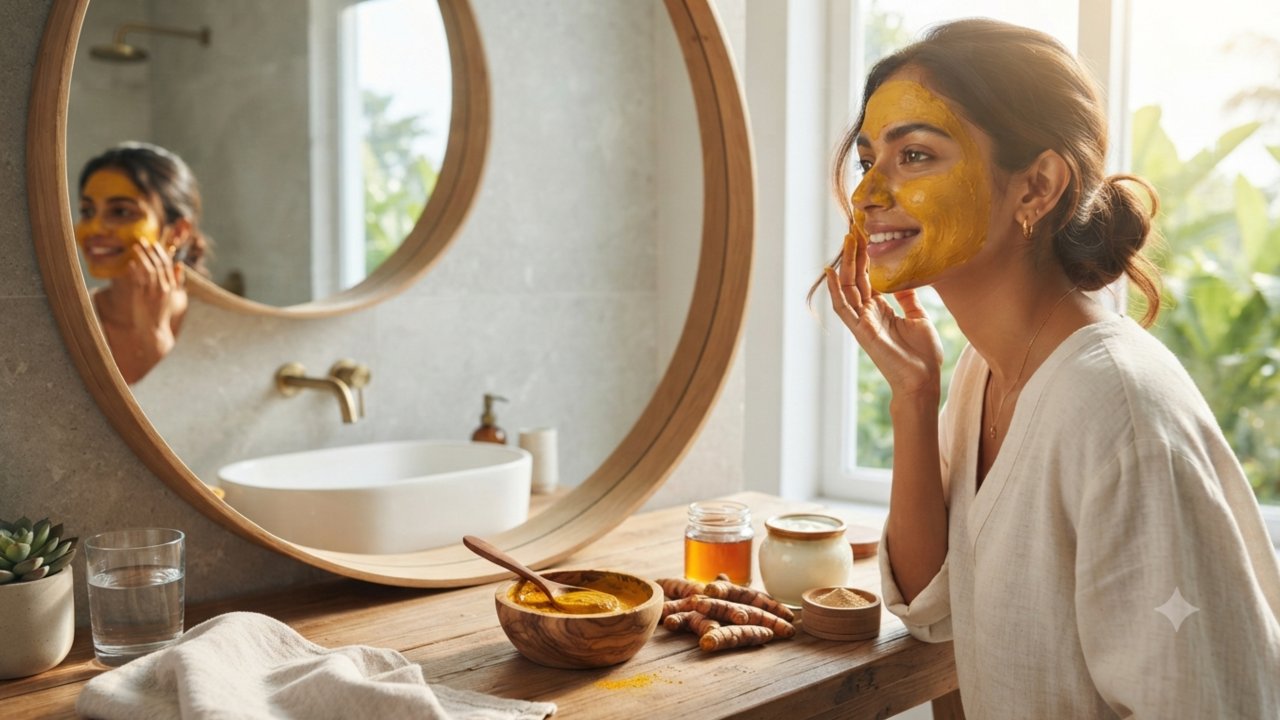 Most famously, the Indian “Haldi ceremony” involves applying a turmeric paste to the bride and groom before marriage, symbolizing purity, blessings, good fortune, and a radiant glowing complexion.
Turmeric is a staple in Indian cuisine, adding a rich yellow color, earthy flavor, and warmth to curries, rice dishes, and many traditional recipes enjoyed worldwide.
Beyond cooking, turmeric is valued for skincare. It may help support acne care, dryness, excess oil balance, aging concerns, stretch marks, burns, and unwanted facial hair naturally.
Turmeric can be used internally and externally to support health and skin wellness. Homemade turmeric face packs are popular Ayurvedic remedies for achieving naturally glowing skin.
This guide explores turmeric benefits, the science behind its skin-supporting properties, and effective DIY turmeric face packs to help achieve healthy, clear, and radiant skin.
What is Turmeric?
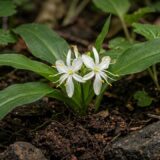
Turmeric is a flowering plant belonging to the ginger family, Zingiberaceae. The familiar golden spice comes from its rhizomes, which are boiled, dried, and finely ground.
Turmeric is widely used in Indian cooking to add flavor and a vibrant yellow color to dishes. It is also valued worldwide for its remarkable medicinal properties.
The primary active compound in turmeric is curcumin, a powerful antioxidant and anti-inflammatory agent. Although present in small amounts, it provides most of turmeric’s health benefits.
Besides curcumin, turmeric contains volatile oils, vitamins C and E, and essential minerals. These nutrients help nourish the body while supporting healthy skin and overall wellness.
Turmeric promotes digestive health, protects cells from oxidative damage, and may offer anticancer properties. It is especially popular in skincare for improving complexion and natural skin glow.
The Science: What Can Turmeric Do to the Skin?
Although turmeric is usually consumed internally for systemic health, its topical application can yield astonishing results for the complexion. Here is a detailed look at what your skin receives every time you apply a turmeric face pack:
1. A Powerful Antiseptic and Antibacterial Agent.
Turmeric is traditionally valued for its antiseptic and antibacterial properties. When applied to skin, it may help cleanse impurities, support hygiene, and maintain a healthier-looking complexion.
The purifying qualities of turmeric make it a popular Ayurvedic skincare ingredient. It is commonly used to support minor skin concerns and protect against environmental impurities.
By helping maintain skin cleanliness and balance, turmeric may contribute to a fresher appearance. Its natural compounds support a radiant complexion by reducing factors linked to dull-looking skin.
2. A Natural Anti-Acne Agent.
Acne often develops due to excess sebum, dead skin buildup, and Cutibacterium acnes bacteria. These factors can contribute to clogged pores, inflammation, and visible breakouts.
Turmeric’s antibacterial and anti-inflammatory properties make it a popular skincare ingredient for acne-prone skin. It may help calm redness, swelling, and support clearer-looking skin.
Unlike harsh treatments, turmeric-based remedies are traditionally used to support skin balance while maintaining natural moisture. They may be especially suitable for surface-related breakouts.
3. Ideal for Lightning Stains
Dark circles, hyperpigmentation, melasma, and sunspots are common skin concerns. Excess melanin production often contributes to uneven skin tone and visible dark patches on the face.
Turmeric contains curcumin, which may help regulate melanin-related processes by influencing tyrosinase activity. This makes it a popular ingredient in natural brightening skincare remedies.
Regular use of turmeric-based skincare may support a more even complexion by reducing the appearance of dark spots and improving skin radiance over time.
4. An Excellent Natural Exfoliant
Raw turmeric powder has a naturally fine, slightly coarse texture that works as a gentle exfoliant. When mixed with liquids, it helps remove surface impurities and dead skin cells.
Turmeric exfoliation reveals fresher-looking skin by gently polishing the outer layer. Compared with harsh scrubs, it provides a milder approach that supports smoother skin texture.
A turmeric mask may also support mature skin by combining gentle exfoliation with antioxidant benefits. It helps improve skin appearance without the harsh effects of abrasive scrubs.
5. An Ancient Remedy for Facial Hair
Turmeric has a long traditional history in facial skincare for managing unwanted hair. When used as a mask, it is believed to support smoother, softer-looking skin.
Combined with ingredients like binding flours, turmeric paste is traditionally used to help weaken the appearance of facial hair over time through regular skincare routines.
Unlike waxing or chemical treatments, turmeric is not an instant hair removal method. Consistent use may help reduce the appearance of fine facial hair on areas like the upper lip and chin.
6. Indicated for Regulating Oily Skin
Turmeric is a popular skincare ingredient for oily skin concerns. Its natural properties may help balance excess oil production while supporting a fresh, healthy-looking complexion.
The astringent qualities of turmeric can help regulate sebaceous gland activity, maintaining moisture balance without making skin appear overly greasy or increasing the risk of breakouts.
Regular use of turmeric-based face packs may support smoother-looking skin by managing oiliness and helping maintain a cleaner, more balanced appearance naturally.
How to Use Turmeric on the Face for Glowing Skin: 8 Top Remedies
The beauty of natural skincare is that you can tailor your ingredients to your specific skin concerns. Below are eight highly effective recipes and methods to incorporate turmeric into your beauty routine.
1. Detoxifying Infusion of Turmeric (Inner Glow)
Glowing skin begins from within, and a healthy body reflects on the face. Turmeric tea helps cleanse the system, supporting clearer skin by reducing dullness, pimples, and rashes.
Combining turmeric with ginger creates a powerful detoxifying infusion. Regular consumption may support liver and kidney function while helping reduce impurities, inflammation, and common skin concerns.
Prepare turmeric tea by simmering turmeric powder and ginger in water, then add black pepper and honey. Warm turmeric milk is another soothing bedtime drink for skin wellness.
2. Turmeric and Egg White Mask for Acne
Pimples are a common skin concern among teenagers and adults, often appearing unexpectedly and affecting confidence. They may occur due to hormones, genetics, environment, diet, and oily skin.
Turmeric combined with egg white and lemon juice can help support acne-prone skin. This natural combination helps manage excess oil, tighten pores, and promote healthier-looking skin.
Egg white contains proteins and enzymes that help absorb excess oil and refine pores, while lemon juice provides vitamin C and natural antibacterial properties for skincare.
- How to make it: Beat one egg white until frothy. Add half a teaspoon of turmeric powder and a few drops of lemon juice. Apply this mixture to a clean face, focusing on the T-zone and active breakouts. Leave it on for 15 minutes until it dries and tightens, then wash off with lukewarm water. Do not skip trying this mask if you are battling stubborn acne.
3. Milk and Turmeric Rejuvenating Bath
A turmeric bath supports overall skin health by rejuvenating the body, softening rough patches, and creating a natural radiant glow. It is inspired by ancient beauty rituals.
Inspired by Cleopatra’s famous milk baths, this Haldi-infused bath combines the benefits of turmeric with nourishing ingredients to refresh the skin and promote relaxation naturally.
This simple bath requires milk, turmeric powder, and chamomile flowers. Milk provides gentle exfoliation, turmeric supports skin wellness, and chamomile helps soothe the skin and mind.
- How to use it: Add half a cup of full-fat milk, two tablespoons of turmeric, and a handful of chamomile flowers (or a few chamomile tea bags) to your warm bathwater. Soak in it for 20 to 30 minutes. Give this a chance; you will not regret the silky-smooth feeling of your skin afterward.
4. Homemade Gentle Turmeric Scrub
Exfoliation is essential for removing impurities trapped in pores and maintaining healthy skin. Regular exfoliation, based on skin type, helps improve texture without causing unnecessary dryness or irritation.
Many natural scrubs use sugar or salt, but they may feel harsh on sensitive or dry skin. Gentle alternatives are better for maintaining skin moisture and balance.
This turmeric scrub combines Haldi, chickpea flour (Besan), and milk or rose water. Besan gently exfoliates while binding turmeric, creating an effective and skin-friendly remedy.
- How to use it: Mix one tablespoon of chickpea flour, half a teaspoon of turmeric, and enough milk or rose water to form a thick paste. Gently massage this paste onto your damp face in circular motions for two minutes. Let it sit for another 10 minutes before rinsing. It is ideal for sensitive or dry skin, leaving the complexion polished and bright.
5. Turmeric Trick to Remove Facial Hair
Facial hair is a common concern for many women, often appearing around the upper lip, sideburns, and chin. It can affect confidence and requires gentle care.
Traditional Indian skincare uses turmeric with milk and wheat flour or chickpea flour as a natural remedy. This mixture forms a paste that helps remove unwanted facial hair.
As the turmeric paste dries, it adheres to fine hairs and can be gently rubbed away. This traditional method offers a natural alternative to chemical treatments and waxing.
- How to use it: Mix one tablespoon of whole wheat flour, a pinch of turmeric, and a few drops of milk to form a stiff dough. Apply it to the areas with unwanted hair in the opposite direction of hair growth. Let it dry completely (about 15-20 minutes). Once dry, rub the dough off vigorously in the direction of hair growth. With constant applications, you will notice the hair becoming finer and sparser.
6. Turmeric Paste to Lighten the Skin and Spots
Sun exposure, unsuitable beauty products, acne scars, and minor burns can contribute to hyperpigmentation and dark spots. These concerns often make the skin appear uneven and dull.
Turmeric can be used in a homemade spot-lightening paste to support a more even skin tone. With regular care, it may help improve the appearance of dark areas.
Combining turmeric with aloe vera, papaya, and lemon juice creates a nourishing skincare blend. Aloe hydrates, papaya gently exfoliates, and turmeric supports brighter-looking, healthier skin.
- How to use it: Mash a tablespoon of ripe papaya, add a teaspoon of fresh aloe vera gel, a pinch of turmeric, and a tiny drop of lemon juice. Apply this pack specifically to the dark spots or over the entire face. Leave it on for 20 minutes before washing it off. Note: Because lemon juice can make the skin photosensitive, always use this mask in the evening and apply sunscreen the next day.
7. Rejuvenating Turmeric and Yogurt Mask
After 30 or 40, skin naturally loses collagen and elasticity, leading to wrinkles and fine lines. Preventive skincare in earlier years can help maintain youthful-looking skin.
Nourishing, hydrating, sun protection, and regular exfoliation support healthy skin. Turmeric-based masks with natural ingredients offer a gentle approach to improving skin texture and appearance.
A turmeric mask with yogurt and honey provides skin benefits. Yogurt’s lactic acid helps exfoliate, while honey attracts moisture, helping skin appear smoother and more hydrated.
- How to use it: Mix one tablespoon of yogurt, one teaspoon of honey, and half a teaspoon of turmeric. Apply a thick layer to the face and neck. Leave it on for 20 minutes. Do not let this pass; the changes in your skin’s texture and radiance will be remarkable with weekly use.
8. Overnight Turmeric Anti-Wrinkle Cream
This intensive skincare treatment helps improve skin smoothness, hydration, and the appearance of wrinkles over time. Regular use may support a softer and more youthful-looking complexion.
The recipe combines Vaseline, honey, egg yolk, and olive oil. Vaseline locks in moisture, while natural ingredients provide nourishing properties that support healthy, radiant skin.
When combined with turmeric’s antioxidant properties, olive oil, and egg yolk vitamins, this overnight treatment creates a deeply moisturizing blend for mature skin care routines.
- How to make it: Melt two tablespoons of Vaseline in a double boiler (bain-marie). Once melted, remove from heat and let it cool slightly before adding one teaspoon of olive oil, one teaspoon of honey, one egg yolk, and a generous pinch of turmeric. Stir vigorously until the mixture emulsifies and takes on a creamy, pale-yellow body. Store this cream in a clean glass jar and keep it in the fridge so it maintains its firm texture.
- How to use it: Apply a thin layer of this cream on your entire face (or body) half an hour before going to bed. Leave it on overnight. In the morning, remove the remains with warm water and a gentle cleanser. Vaseline is very good for the face when used this way, as an overnight mask, because it forces the turmeric and oils deep into the epidermal layers.
A Crucial Note: The “Staining” Factor
Whenever discussing turmeric for the skin, it is vital to address the elephant in the room: turmeric stains. Regular culinary turmeric can leave a temporary yellow tint on lighter skin tones. However, there are two easy ways to avoid walking around looking like a Minion:
- Use Kasturi Haldi (Wild Turmeric): In Ayurvedic skincare, Kasturi Haldi (Curcuma aromatica) is preferred over regular turmeric (Curcuma longa). Kasturi Haldi does not stain the skin and has even more potent fragrance and skin-brightening properties.
- The Lemon/Wash-off Trick: If you are using regular kitchen turmeric, ensure you mix it with enough liquid (milk, yogurt, or aloe vera). When washing it off, use a gentle, oil-based cleanser or wipe your face with a cotton pad dipped in milk or a tiny drop of lemon juice before washing with water. This lifts the yellow pigment instantly.
Always perform a patch test on your jawline or inner arm 24 hours before applying a new turmeric mixture to your face to ensure you do not have an allergic reaction.
Other Uses of Turmeric
Now that you know the incredible properties of turmeric and what it can do for your skin, let us discover some other fascinating ways to utilize this golden spice.
1. Uses in Ayurvedic Medicine
Ayurveda, an ancient natural healing system, widely recognizes turmeric as a balancing herb. It has been traditionally used for wellness, supporting the body through various natural remedies.
In Ayurvedic practices, turmeric is used for respiratory support, joint comfort, blood purification, and wound care due to its anti-inflammatory, antifungal, and cleansing properties.
Turmeric is believed to help balance the three doshas—Vata, Pitta, and Kapha. It is especially valued in Ayurveda for supporting Kapha and Pitta balance naturally.
2. Uses in the Kitchen
Turmeric can be easily added to your daily diet through flavorful recipes. Popular options include curries, golden milk, rice dishes, roasted vegetables, and healthy salads.
When using turmeric in cooking, combine it with healthy fats like olive or coconut oil and black pepper to improve curcumin absorption and maximize its benefits.
Curcumin, turmeric’s active compound, is fat-soluble and not easily absorbed alone. Pairing turmeric with the right ingredients helps support better utilization by the body.
Research References on Haldi Face Pack (Turmeric) for Glowing Skin
| Category | Ingredient / Compound | Traditional Ayurvedic Use | Research / Evidence | Source URL |
|---|---|---|---|---|
| Anti-inflammatory Skin Support | Turmeric / Curcumin | Used as Haridra in Ayurveda to support skin balance, healing, and reduction of inflammation. | Curcumin demonstrates anti-inflammatory activity by regulating inflammatory pathways and oxidative stress responses. | Link |
| Antioxidant Protection | Curcumin & Turmeric Polyphenols | Traditionally considered a rejuvenating herb that supports skin vitality and natural radiance. | Research shows antioxidant properties that help protect cells from oxidative damage caused by free radicals. | Link |
| Acne-Prone Skin Support | Turmeric / Curcumin | Traditionally applied in Ayurveda to support clear skin and calm irritation. | Curcumin’s antimicrobial and anti-inflammatory properties may help support acne-prone skin management. | Link |
| Skin Brightening & Even Tone | Turmeric + Natural Ingredients | Haldi face packs are traditionally used for improving complexion and enhancing skin glow. | Antioxidant compounds in turmeric may help protect skin from environmental stress and support healthy appearance. | Link |
| Gentle Exfoliation | Turmeric + Besan (Chickpea Flour) | Besan and turmeric combinations are traditionally used in Ayurvedic skincare rituals. | Physical exfoliation ingredients like chickpea flour may help remove surface impurities and improve skin texture. | Link |
| Hydration & Skin Nourishment | Turmeric + Honey + Yogurt | Used traditionally to nourish skin and maintain softness and moisture balance. | Honey acts as a humectant, while yogurt contains lactic acid that supports gentle exfoliation. | Link |
| Ayurvedic Skin Rejuvenation | Haridra (Turmeric) | Considered a traditional Ayurvedic herb for skin purification, balance, and complexion support. | Studies highlight turmeric’s bioactive compounds for antioxidant and inflammation-supporting effects. | Link |
Haldi Face Pack (Turmeric Skincare) is traditionally valued in Ayurveda as a natural beauty remedy for supporting clear, radiant, and healthy-looking skin.
Modern research highlights the role of turmeric’s active compound curcumin, which provides antioxidant and anti-inflammatory properties.
When combined with ingredients like honey, yogurt, aloe vera, and besan, turmeric face packs are commonly used to nourish skin, improve texture, and enhance a natural glow
Proper Storage of Turmeric
Turmeric powder or root should be stored carefully to preserve its aroma, flavor, and curcumin content. Proper storage helps maintain its quality and effectiveness over time.
Store turmeric in an airtight glass container to prevent moisture exposure. Keep it away from sunlight, heat, and humidity by placing it in a cool, dry location.
Avoid storing turmeric near stoves or dishwashers, as heat and moisture can reduce its freshness. A protected spice rack is ideal for maintaining long-lasting quality.
Turmeric is not just a trend; it is a timeless botanical treasure that has proven its worth over millennia. From a simple detoxifying drink to a potent anti-wrinkle cream, Haldi offers a versatile, natural, and highly effective solution for almost every skin woe.