Ayurvedic Massage Types & It’s Health Benefits

Modern life pushes our bodies and minds to the limit through constant stress and digital overload. Seeking relief, many abandon temporary pharmaceutical fixes for ancient healing systems like Ayurveda.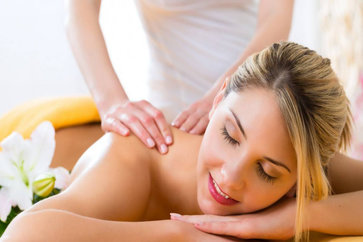 Originating in India five thousand years ago, Ayurveda emphasizes natural restoration. At the core of its therapeutic practice lies Abhyanga, an intentional and profoundly healing traditional massage art.
Abhyanga transcends basic spa treatments meant for fleeting relaxation. This sacred discipline cleanses internal toxins, balances vital energy fields, and actively promotes lasting, deep physical health and longevity.
Unlike Western massage styles focused strictly on muscle manipulation, this method treats human beings holistically using specialized herbal oils and rhythmic strokes to harmonize body, mind, and spirit.
Understanding Doshas and the Ayurvedic Philosophy of Touch
To understand Ayurvedic massage, one must first understand the Ayurvedic concept of the Doshas. According to Ayurveda, the universe is composed of five elements: Ether (Space), Air, Fire, Water, and Earth. These elements combine within the human body to form three primary life forces, or Doshas:
- Vata (Ether + Air): Governs all movement in the body and mind. When out of balance, it manifests as anxiety, dry skin, joint pain, and insomnia.
- Pitta (Fire + Water): Governs transformation, digestion, and metabolism. An imbalance leads to inflammation, anger, skin rashes, and acid reflux.
- Kapha (Water + Earth): Governs structure, stability, and lubrication. Imbalance presents as lethargy, weight gain, congestion, and water retention.
Every individual has a unique, inherent combination of these doshas (known as Prakriti). Ayurvedic massage is highly individualized; the type of oil used, the pressure applied, and the specific massage technique are all determined by the patient’s dominant dosha and their current state of imbalance (Vikriti).
Furthermore, Ayurveda recognizes that touch (Sparsha) is a fundamental human need. Therapeutic touch calms the nervous system, stimulates the release of oxytocin, and breaks down physical and energetic barriers.
Exploring the Types of Ayurvedic Massage
Ayurveda boasts a vast pharmacopeia of massage techniques, each designed for specific therapeutic outcomes. Here are the most prominent types:
1. Abhyanga (The Classic Synchronized Oil Massage)
Abhyanga is the foundational full-body oil massage of Ayurveda. It typically involves one or two therapists using synchronized, rhythmic strokes to apply warm, herb-infused oil to the entire body, including the scalp and feet.
- The Technique: The strokes are generally long, sweeping, and designed to move toward the heart to support venous return. The pressure is adjusted based on the dosha—light and soothing for Vata, moderate for Pitta, and deep and vigorous for Kapha.
- Best For: General wellness, daily self-care routines (self-Abhyanga), Vata imbalances (dryness, anxiety), and promoting deep sleep.
2. Shirodhara (The Third Eye Oil Pouring)
Perhaps the most famous Ayurvedic therapy globally, Shirodhara translates to “Shiro” (head) and “Dhara” (flow). It involves the continuous, rhythmic pouring of warm, medicated oil (or sometimes herbal decoctions, milk, or buttermilk) over the forehead, specifically targeting the “third eye” (Ajna chakra).
- The Technique: The patient lies on a specialized wooden table while a suspended vessel with a thin, steady stream of liquid oscillates back and forth across the forehead for 30 to 45 minutes. It is almost always preceded by a soothing head and neck massage.
- Best For: Severe anxiety, insomnia, chronic headaches, migraines, neurological conditions, and calming an overactive Pitta mind.
3. Udvartana (Herbal Powder Massage)
Unlike other Ayurvedic massages that rely on oil, Udvartana is a deep, stimulating massage using dry or slightly moistened herbal powders.
- The Technique: The powders (often containing grains like chickpea flour, and herbs like Triphala, turmeric, and sandalwood) are vigorously rubbed into the skin in an upward direction, opposite to the natural hair growth. This creates friction, generating heat and exfoliating the skin.
- Best For: Weight management, breaking down subcutaneous fat, cellulite reduction, Kapha imbalances, and improving skin texture.
4. Pinda Swedana (Bolus Bag Massage)
Also known as Elakizhi (when using leaves) or Navara Kizhi (when using a special type of medicinal rice), this massage combines heat therapy with deep tissue manipulation.
- The Technique: Fresh herbs, leaves, or rice are tied into small, poultice-like bundles (boluses). These bundles are dipped in hot medicated oil and rhythmically pounded and pressed against the body. The heat opens the pores, allowing the medicinal properties of the herbs to penetrate deep into the tissues.
- Best For: Musculoskeletal disorders, arthritis, frozen shoulder, sciatica, muscle spasms, and extreme Vata imbalances causing joint stiffness.
5. Marma Massage (Energy Point Therapy)
Marma points are vital energy junctions in the body, similar to acupuncture points in Traditional Chinese Medicine. There are 107 primary marma points where veins, arteries, tendons, bones, and joints intersect.
- The Technique: The practitioner uses specific, focused pressure—sometimes circular, sometimes stationary—on these marma points. The pressure can be very light or moderately deep, held for several seconds to release trapped energy.
- Best For: Clearing energetic blockages, emotional release, improving organ function, boosting immunity, and rehabilitation after injury or surgery.
6. Garshana (Dry Silk Glove Massage)
Garshana is a stimulating, dry body massage performed without oil.
- The Technique: The practitioner wears raw silk gloves (or uses dry loofahs) and rubs the skin briskly. This creates static electricity, which is believed to have a stimulating effect on the nervous system and lymphatic drainage.
- Best For: Lymphatic drainage, reducing cellulite, exfoliation, and energizing a sluggish Kapha constitution. It is often performed right before an oil massage to enhance oil absorption.
7. Padabhyanga (Ayurvedic Foot Massage)
In Ayurveda, the feet are considered the “root” of the human body. Padabhyanga is a deeply relaxing massage focusing exclusively on the feet and lower legs, often utilizing a specialized bronze bowl called a Kansa Vati.
- The Technique: Warm oil is applied, and the practitioner uses a combination of hand strokes and the Kansa bowl to massage the soles of the feet.
- Best For: Grounding excess Vata energy, inducing sleep, relieving tired, aching legs, and surprisingly, improving eye health (due to the nerve connections between the feet and the eyes via the optic nerve).
8. Prenatal Ayurvedic Massage (Pregnancy Massage)
Ayurveda has a highly specialized branch dealing with pregnancy (Kaumara Bhritya). Prenatal massage is adapted to be incredibly gentle, focusing on easing the physical and emotional toll of carrying a child.
- The Technique: Only specific, safe oils are used. The massage avoids deep pressure on the abdomen and focuses on the lower back, hips, and legs to alleviate swelling and joint pain.
- Best For: Reducing pregnancy-related back pain, easing anxiety, minimizing edema (swelling), and preparing the pelvic region for a smoother labor.
9. Vishesh (Deep Tissue Ayurvedic Massage)
Vishesh is a deeper, more focused variation of Abhyanga.
- The Technique: It utilizes friction and deep, sustained pressure to break up Ama (toxins) that have lodged deep within the muscle tissue and joints. The strokes are slower and more concentrated on areas of chronic tension.
- Best For: Chronic muscle knots, athletic recovery, deep-seated stiffness, and releasing long-held physical trauma.
The Alchemy of Oils and Herbs
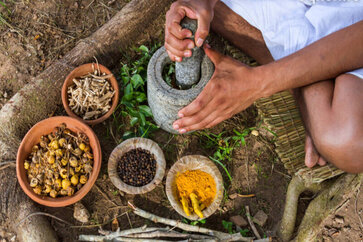
A crucial element that separates Ayurvedic massage from Western modalities is the alchemy of the oils. In Ayurveda, oil is not just a lubricant; it is a carrier of medicine. The base oils and herbal infusions are chosen based on the dosha:
- For Vata: Warming, heavy, grounding oils like Sesame oil, infused with calming herbs like Ashwagandha or Bala.
- For Pitta: Cooling, soothing oils like Coconut oil, Sunflower oil, or Olive oil, infused with anti-inflammatory herbs like Brahmi, Sandalwood, or Aloe Vera.
- For Kapha: Stimulating, heating, lighter oils like Mustard oil or Safflower oil, infused with warming herbs like Turmeric, Ginger, or Punarnava to kickstart lymphatic flow.
Through a process called Sneha (which translates to both “oil” and “love”), the oil literally merges with the body’s tissues, delivering potent phytochemicals directly into the bloodstream.
The Profound Health Benefits of Ayurvedic Massage
The benefits of Ayurvedic massage extend far beyond the temporary relief of a tight muscle. Because it addresses the body’s foundational systems, its effects are systemic and long-lasting.
Physical Health Benefits
1. Deep Cellular Detoxification: Ayurveda operates on the concept of Ama—toxic residue that accumulates in the body due to poor diet, stress, and environmental pollutants.
Ama lodges itself in the fat tissues and joints. The heat and friction of Ayurvedic massage, particularly when combined with herbal oils, literally melt this fat, liquefying the toxins so they can be transported to the digestive tract for elimination.
This is why massage is the primary preparatory step in Panchakarma, Ayurveda’s ultimate detoxification program.
2. Enhanced Circulation and Lymphatic Drainage: The rhythmic, toward-the-heart strokes of Abhyanga act as a powerful pump for the venous and lymphatic systems.
This prevents blood and lymph from pooling in the extremities. Improved lymphatic flow means the body can more efficiently fight off infections, filter out cellular waste, and reduce water retention and edema.
3. Joint Health and Pain Relief: Conditions like osteoarthritis, rheumatoid arthritis, and general joint stiffness are often rooted in Vata imbalance and a lack of synovial fluid.
The heavy, warm oils used in Abhyanga and Pinda Swedana provide essential lubrication to the joints (Shleshaka Kapha). The heat reduces inflammation, while the manipulation breaks up adhesions, providing immense relief from chronic pain conditions like sciatica and frozen shoulder.
4. Radiant, Youthful Skin: The skin is the largest organ of the body and a primary indicator of internal health. Ayurvedic massage acts as an intense exfoliation and nourishment protocol.
The friction removes dead skin cells, while the transdermal absorption of oils rich in Vitamin E, antioxidants, and essential fatty acids restores the skin’s lipid barrier. This results in skin that is soft, supple, and naturally glowing, effectively delaying the signs of aging.
5. Improved Digestion and Metabolism: Massaging the abdomen in a specific, clockwise direction directly stimulates the digestive tract (Annavaha Srotas).
It helps to clear blockages, improve peristalsis, and kindle Agni (the digestive fire). For those suffering from constipation, bloating, or irritable bowel syndrome (IBS), targeted abdominal massage can be profoundly therapeutic.
Furthermore, Udvartana directly targets the Meda Dhatu (fat tissue), improving metabolic function and aiding in healthy weight management.
Mental and Emotional Health Benefits
1. Nervous System Regulation and Stress Relief: Modern science explains that the rhythmic, continuous stroking of Ayurvedic massage stimulates the mechanoreceptors under the skin.
This sends signals to the brain to activate the parasympathetic nervous system (the “rest and digest” mode) and downregulate the sympathetic nervous system (the “fight or flight” mode).
This leads to a massive reduction in cortisol (the stress hormone) and adrenaline.
2. Relief from Anxiety and Depression: Shirodhara, in particular, has been the subject of numerous clinical studies regarding mental health.
The continuous pouring of oil on the forehead is believed to stimulate the vagus nerve, instantly inducing a meditative state.
It effectively silences the overactive “chatter” of the mind, providing profound relief from generalized anxiety disorder, panic attacks, and mild to moderate depression.
3. Better, Deeper Sleep: Insomnia is a modern epidemic, often caused by an overstimulated nervous system and excess Vata energy.
A nightly self-Abhyanga, particularly focusing on the scalp and feet, grounds the energy. The warm oil relaxes the muscles, while the psychological comfort of self-touch prepares the brain for deep, restorative REM sleep.
Many find it more effective than pharmaceutical sleep aids over time.
4. Enhanced Cognitive Function and Focus: By clearing Ama from the head and neck region, and by utilizing specific brain-boosting herbs like Brahmi and Shankhpushpi in the oils, Ayurvedic head massages improve blood flow to the brain. This enhances memory, increases concentration, and clears brain fog.
Spiritual and Energetic Benefits
1. Balancing the Chakras and Nadis: Ayurveda and Yoga share the understanding that the body is woven through with Nadis (energy channels) and centered around Chakras (energy vortices).
Physical tension, emotional trauma, and stress cause these channels to become blocked. Marma massage and Abhyanga act to sweep away these blockages, allowing Prana (vital life force energy) to flow freely, resulting in a feeling of profound vitality and lightness.
2. Emotional Release: It is a well-documented phenomenon in bodywork that unprocessed emotions become trapped in the physical tissues (often referred to as “body memory”).
The deep, intentional nature of Ayurvedic massage, particularly around the chest, abdomen, and hips, can trigger the release of suppressed grief, anger, or fear. While this can occasionally be intense, it leads to immense emotional clarity and liberation.
3. Grounding and Mind-Body Connection: In our highly digital, head-centric lives, many people are entirely disconnected from their physical bodies.
The sensory-rich experience of Ayurvedic massage—the smell of the herbs, the warmth of the oil, the firmness of the touch—forces the mind back into the present moment.
It is a somatic meditation that grounds the individual, fostering a deep, loving relationship with one’s own body.
What to Expect During an Ayurvedic Massage Session
If you are new to Ayurveda, a traditional massage session will likely differ from your standard spa experience.
Ayurvedic massage sessions differ significantly from standard spa visits by focusing on your unique dosha and holistic purification through specialized herbal oils and intentional techniques.
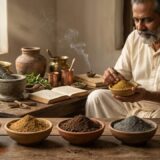
- Initial Assessment: The practitioner evaluates your pulse, tongue, digestion, and stress levels to determine your dosha and choose a custom-blended herbal oil.
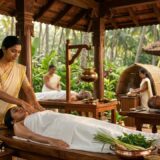
- Environment: Sessions occur in a warm, dimly lit room using a traditional wooden table to ensure muscles stay completely relaxed during the treatment.
- Stroke Technique: Therapists use continuous, flowing, and often synchronized symmetrical strokes that create a hypnotic effect to quiet the mind.
- Steam Integration: Following the massage, a Swedana steam box session induces sweating to drive medicinal oils deep into tissues and release toxins.
- Post-Treatment Care: Clients are advised to wait a few hours before showering to maximize the deep dermal absorption of the herbal oils.
Contraindications and Precautions
While Ayurvedic massage is incredibly safe and beneficial, it is not suitable for everyone in every situation. You should avoid or heavily modify Ayurvedic massage under the following conditions:
- Acute Fever or Infection: Massage increases circulation, which can spread an acute infection or worsen a fever.
- Open Wounds or Rashes: Oils and friction can irritate broken skin or spread bacterial infections.
- Immediately After Surgery: You must wait until the healing process is well underway and you have clearance from a physician.
- Severe Osteoporosis: Deep tissue techniques like Vishesh or Pinda Swedana could cause fractures.
- Pregnancy Complications: While prenatal massage is wonderful, it must be performed by a specialist. Certain Marma points can induce labor.
- Overfull Stomach: You should not receive a full-body massage directly after a heavy meal, as it diverts blood away from digestion.
The Power of Self-Massage (Self-Abhyanga)
Daily self-massage, or Self-Abhyanga, empowers you to practice self-care as an essential pillar of the Ayurvedic routine known as Dinacharya. Dedicating just ten to fifteen minutes each morning before showering transforms your daily wellness and cultivates a profound sense of self-love.
- Oil Preparation: Warm your chosen herbal oil gently before application to enhance absorption and soothe your nervous system.
- Application Order: Start by massaging your scalp, then systematically work your way down through your limbs, torso, and feet.
- Routine Benefits: This grounding practice sets a calm tone for the day, shields your skin from environmental stressors, and keeps joints fully lubricated.
Ayurvedic massage is much more than a physical manipulation of soft tissue; it is a dialogue between the healer, the recipient, and the elemental forces of nature. Whether you are battling the physical manifestations of stress through chronic pain and insomnia, seeking to detoxify your body from the inside out, or simply yearning for a deeper connection to your own spiritual essence, there is an Ayurvedic massage technique tailored exactly for your needs.
References
- World Health Organization. WHO Global Traditional Medicine Centre. World Health Organization. WHO Global Traditional Medicine Centre
- World Health Organization. Traditional, Complementary and Integrative Medicine. World Health Organization. WHO – Traditional, Complementary and Integrative Medicine
- National Center for Complementary and Integrative Health. Ayurvedic Medicine: In Depth. U.S. National Institutes of Health. NCCIH – Ayurvedic Medicine
- National Center for Complementary and Integrative Health. Massage Therapy: What You Need To Know. U.S. National Institutes of Health. NCCIH – Massage Therapy
- National Center for Complementary and Integrative Health. Complementary, Alternative, or Integrative Health: What’s in a Name? U.S. National Institutes of Health. NCCIH
- National Library of Medicine. Feasibility and Pilot Efficacy Testing of Integrated Yoga and Shirodhara (Ayurvedic Oil-Dripping) Intervention on Clinical Symptoms, Cognitive Functions and Sleep Quality of Adults with Anxiety Disorder. PubMed. PubMed
- Uebaba, K., Xu, F. H., Hattori, K., et al. Psychoneuroimmunologic Effects of Ayurvedic Oil-Dripping Treatment. PubMed, U.S. National Library of Medicine. PubMed
- National Library of Medicine. Ayurvedic Therapy (Shirodhara) for Insomnia: A Case Series. PubMed. PubMed