Trikantaka Ghritam: Herbal Ghee Benefits, Uses, Dosage & Side Effects

Ayurveda emphasizes holistic treatment by targeting disease root causes rather than just masking symptoms. It restores balance among the bodily humors and rejuvenates affected tissues for lasting health and vitality.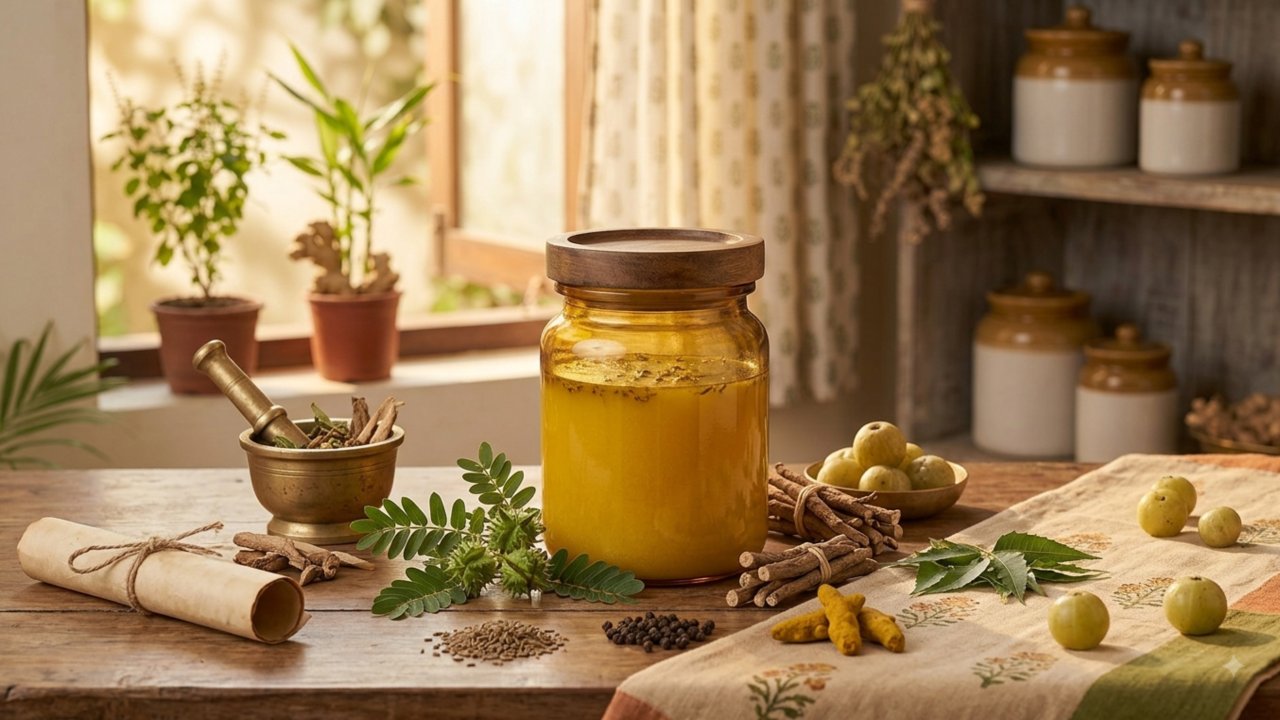 Medicated ghees, known as Ghritams, hold a place of paramount importance within Ayurveda’s vast pharmacopeia. These specialized formulations deliver therapeutic herbs deep into body tissues for maximum healing efficacy.
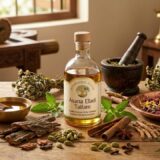
Trikantaka Ghritam, also called Traikandaka Ghritam, is a highly revered Ayurvedic herbal ghee. It is primarily formulated to treat disorders of the urinary system and maintain proper fluid balance.
This herbal remedy works effectively as a standalone medicine for urinary ailments. Additionally, it serves as an essential preparatory procedure, known as Snehakarma, prior to performing Panchakarma detoxification therapies.
What is Trikantaka Ghritam ( The Medicated Ghee)
In Ayurveda, the urinary system is governed by Mutravaha Srotas. When blocked or inflamed by toxic accumulation, improper diet, or lifestyle errors, these channels trigger painful, debilitating urinary conditions.
Trikantaka Ghritam is an Ayurvedic formulation specifically crafted to cleanse, heal, and protect these urinary pathways. Its primary herb, Trikantaka (commonly known as Gokshura), lends its name to this remedy.
Pure ghee serves as the herbal medicine’s essential base. In Ayurvedic pharmacology, ghee effectively carries active plant compounds deep into body tissues and through the body’s finest microscopic channels.
Ghee possesses sweet, cooling, and unctuous properties. These inherent qualities make it ideal for counteracting the uncomfortable dryness, intense heat, and physical roughness that typically characterize painful urinary disorders.
By combining potent botanical extracts with nourishing clarified butter, this therapeutic Ghritam restores systemic balance. It effectively soothes inflammation, restores smooth flow, and supports overall urinary tract health.
Trikantaka Ghritam Benefits
The therapeutic efficacy of Trikantaka Ghritam is vast, primarily centering around the genitourinary tract, but extending to metabolic and systemic health as well.
1. Trikantaka Ghritam Benefits
The therapeutic efficacy of Trikantaka Ghritam is vast, primarily centering around the genitourinary tract while extending to metabolic and systemic health.
2. Treatment of Urinary Tract Infections (UTIs)
UTIs in Ayurveda are closely correlated with Mutrakrichra (painful urination), characterized by burning sensations, passage difficulty, and frequent urges. Trikantaka Ghritam pacifies localized heat and inflammation in the urinary tract. Its constituent herbs offer natural antimicrobial and anti-inflammatory properties, while the ghee base soothes irritated mucous linings in the bladder and urethra.
3. Management of Diabetes (Prameha)
In Ayurveda, diabetes is classified as Prameha, a metabolic condition marked by excessive, turbid urination. Primarily driven by a Kapha imbalance, it eventually involves all three Doshas. Trikantaka Ghritam aids early-stage diabetes and prediabetes by correcting metabolic fire (Agni), reducing urinary frequency, and protecting kidney health from diabetic complications.
4. Expulsion of Urinary Calculi (Ashmari)
Kidney and bladder stones are known as Ashmari in Ayurvedic medicine. The formulation’s primary herbs—particularly Gokshura and Shilajatu—act as natural lithotriptics that help break down stones. They assist in fragmenting calculi, relaxing ureteric muscles to ease passage, and increasing urine volume to flush out stones naturally.
5. Relief from Renal Colic and Painful Urination
Beyond breaking down stones, Trikantaka Ghritam acts as an effective antispasmodic and analgesic. It calms severe flank pain, abdominal colic, and acute spasms caused by urinary gravel or stone movement, ensuring a smoother and less painful clearance.
6. Management of Hematuria (Blood in Urine)
Aggravated Pitta can irritate the delicate lining of the urinary tract, causing minor bleeding. The cooling (Sheeta virya) and healing qualities of the herbal ghee repair internal tissue damage, reduce vascular inflammation, and help stop blood leakage into the urine.
7. Alleviation of Dysuria and Retention
This formulation helps clear functional blockages in the urinary channels (Mutravaha Srotas). By relaxing the bladder neck and ureteric muscles, it relieves urinary hesitancy, incomplete bladder emptying, and dribbling.
8. Pacification of Vata and Pitta Imbalances
Trikantaka Ghritam directly counteracts excess Vata (which causes sharp pain, dryness, and obstruction) and excess Pitta (which triggers burning sensations, heat, and inflammation) throughout the genitourinary tract.
9. Support for Male Reproductive and Prostate Health
Due to key ingredients like Gokshura and Shatavari, this Ghritam serves as a tonic for the male reproductive system. It soothes inflammation associated with prostatitis, reduces benign prostate swelling, and supports healthy seminal fluid production.
Trikantaka Ghritam Ingredients (Contents)
The strength of any Ayurvedic medicine lies in its ingredients. Trikantaka Ghritam is a complex formulation featuring a master blend of roots, fruits, and minerals. Here is a detailed look at the components and their individual roles:
The Base:
- Ghee (768 ml): Acts as the carrier (Yogavahi). It nourishes the reproductive tissues (Shukra Dhatu) and urinary tissues (Majja and Meda Dhatus).
- Milk (768 ml): Milk is added during the preparation to provide a cooling effect and to enhance the nourishing (Brimhana) properties of the ghee.
The Hero Ingredient:
- Trikantaka – Tribulus terrestris – Fruit (768 g): The heaviest ingredient in the decoction. Gokshura is a powerful diuretic, aphrodisiac, and lithotriptic. It tones the urinary bladder and relieves dysuria.
The Decoction (Kwatha) Base:
- Water for decoction (12.288 liters), boiled and reduced to (3.072 liters): The massive quantity of Gokshura is boiled down to a concentrated liquid, ensuring a highly potent extract.
The Herbal Paste (Kalka) Ingredients (9.140 grams each): These equal parts of herbs are ground into a fine paste and added to the ghee.
- Ela – Cardamom (Eletteria cardamomum) – Seeds: Adds a pleasant aroma and flavor. Cardamom is excellent for soothing the bladder, acting as a mild diuretic, and balancing Vata and Kapha.
- Purified Shilajatu: A mineral pitch rich in fulvic acid. Shilajatu is a rejuvenator (Rasayana) that specifically targets the genitourinary tract. It enhances kidney function, helps dissolve stones, and provides essential trace minerals.
- Shilabheda – Aerva lanata – Rhizome: The name translates to “that which breaks stones.” It is a classic Ayurvedic herb used specifically for urinary calculi and painful urination.
- Yashtimadhu – Glycyrrhiza glabra – Root (Licorice): A powerful anti-inflammatory herb. It soothes the inflamed mucous membranes of the urinary tract and provides a protective coating.
- Shatavari – Asparagus racemosus – Root: A premier rejuvenator for the female reproductive system and a soothing diuretic. It balances Pitta and Vata, providing cooling relief to the urinary tract.
- Darbha – Desmostachya bipinnata – Root: A sacred grass in Ayurveda, its roots are traditionally used to stop bleeding (Stambhana) and are highly effective in treating conditions like hematuria (blood in the urine).
- Ambu – Pavonia odorata – Root: Another excellent cooling herb used to treat urinary infections, burning micturition, and to promote the healthy flow of urine.
- Shaundi – Piper longum – Fruit (Long Pepper): A bioavailability enhancer. It ensures the active compounds of the other herbs are effectively absorbed in the gut. It also helps clear respiratory channels, which are often linked to urinary health in Ayurveda.
- Vasuka – Adhatoda zeylanica – Plant (Malabar Nut): Primarily a respiratory herb, it is included here for its ability to balance Kapha, reduce swelling, and clear systemic toxins that might affect the urinary tract.
- Vasiraka – Piper cubeba – Root (Cubeb): Highly specific for genitourinary health. Cubeb is traditionally used to treat gonorrhea, urethritis, and leukorrhea due to its antibacterial and anti-inflammatory actions.
- Kasha – Saccharum spontaneum – Root (Kans grass): The roots of this grass are a well-known Ayurvedic diuretic. They help cool the body and promote the smooth passage of urine.
- Ikshumoola – Root of sugar cane (Saccharum officinale): Sugarcane root is sweet, cooling, and hydrating. It helps in replenishing fluids lost during excessive urination or diabetes.
- Matsyakshika – Enhydra fluctuans – Plant: An aquatic herb used in traditional medicine for its cooling, diuretic, and anti-inflammatory properties, particularly effective in burning urination.
Method of Preparation (Pharmaceutical Process)
The preparation of Trikantaka Ghritam follows strict classical Ayurvedic pharmaceutical guidelines to ensure the final product is potent, safe, and therapeutically active. The process involves three primary steps:
- Preparation of the Decoction (Kwatha): A coarse powder of Gokshura (Tribulus terrestris – 768 g) is added to 12.288 liters of water. This mixture is boiled until the water volume reduces to one-fourth of its original quantity, which is 3.072 liters. The liquid is then filtered to obtain a clear, concentrated herbal decoction.
- Preparation of the Herbal Paste (Kalka): All the remaining ingredients from Ela to Matsyakshika (each 9.140 grams) are finely ground and mixed with a sufficient quantity of water to form a smooth, thick paste.
- The Cooking Process (Sneha Paka Vidhi): Murchita ghee (specially processed and purified ghee – 768 ml) is taken in a wide-bottomed heavy vessel and heated gently. The herbal paste (Kalka) is added to this ghee and stirred continuously to prevent burning. Next, the filtered decoction and milk (768 ml) are slowly poured into the vessel. The mixture is continuously stirred on a moderate flame.
- Final Consistency Check: Heating is stopped only when specific signs of proper cooking are observed: the subsidence of froth, the complete evaporation of moisture content (no water remaining), and the crucial “Varti” test. When a small amount of the paste is rolled between the fingers, it should form a Varti (a wick-like stick) that does not break or release moisture.
- Packaging: Once cooled, the medicated ghee is packed in airtight glass or food-grade HDPE containers to prevent oxidation and moisture absorption.
Trikantaka Ghritam Dosage
Because Trikantaka Ghritam is a highly concentrated herbal fat, its dosage must be carefully calibrated based on the patient’s age, digestive capacity (Agni), severity of the disease, and whether it is being used for direct treatment or Panchakarma preparation.
As a General Medicine:
- Dose: Quarter to half teaspoon (approx. 1.25 to 2.5 ml).
- Frequency: Usually once or twice a day.
- Timing: It is best taken on an empty stomach, usually about 15 to 30 minutes before food. Taking it before food ensures maximum absorption in the upper gastrointestinal tract.
- Administration Vehicle (Anupana): It is usually administered with warm water. Warm water helps melt the ghee and aids in its rapid digestion and absorption.
- Advanced Anupana: For more severe urinary conditions, Ayurvedic doctors often prescribe it to be taken with Laghupanchamoola Kwatha (a decoction made of five specific roots known for urinary health). This creates a synergistic effect, dramatically enhancing the medicine’s efficacy.
For Panchakarma Preparation (Snehakarma):
When used for internal oleation prior to detoxification, the dose is not static. It starts with a small amount (e.g., 1 teaspoon) and is increased day by day until the patient exhibits signs of proper oleation (Samyak Snigdha Lakshana).
These signs include oiliness of the skin, softened stools, and a feeling of heaviness. The exact dose depends entirely on the disease status and the clinical judgement of the attending Ayurvedic doctor.
How To Use: Interactions with Other Medicines
Integrating traditional Ayurvedic medicine with modern healthcare requires careful timing and professional guidance. Here is how Trikantaka Ghritam interacts with other systems of medicine:
With Western (Allopathic/Modern) Medicines
- Seek your doctor’s advice if you are taking this product along with other Western medicines.
Some Ayurvedic herbs can interact with modern medicines. For example, if a patient is taking modern diuretics or blood sugar-lowering drugs for diabetes, Trikantaka Ghritam might potentiate their effects, leading to excessively low blood sugar or dehydration.
- The Golden Rule of Timing: If both Ayurvedic and allopathic medicines are advised together, it is best to take the allopathic medicine first. Wait for 30 minutes to allow the modern drug to absorb, and then, after a further gap of 15 – 30 minutes, take the Ayurvedic medicine (or as strictly directed by the physician).
With Homeopathic Medicine
- Yes, this product can generally be used while taking Homeopathic medicine.
Homeopathic remedies are highly diluted and work on an energetic level, whereas Ayurvedic ghees work on a physical, biochemical, and tissue level.
This product does not chemically react with homeopathic medicine. However, maintaining a gap of 20 to 30 minutes between the two is still considered good practice.
- With Dietary Supplements
Yes. Generally, this product goes well with most dietary supplements like multivitamin tablets, Omega 3 fatty acids, calcium, or probiotics.
Because it is a fat-based medicine, it may even help in the absorption of fat-soluble vitamins (like Vitamin D, E, A, and K) from your supplements.
However, if you are taking multiple products per day, please consult your doctor for an opinion to avoid digestive overload.
Pathya (Diet and Lifestyle Rules During Treatment)
In Ayurveda, taking the medicine is only 50% of the cure; the other 50% depends on what the patient eats and does (Pathya). Trikantaka Ghritam requires strict dietary adherence to work effectively.
Foods to Strictly Avoid:
- Hot and Spicy Items: Chillies, green peppers, and strong spices. These aggravate Pitta (heat) in the body, counteracting the cooling effect of the ghee and worsening the burning sensation in the urine.
- Sour Items: Tamarind, sour buttermilk, vinegar, and excessive citrus fruits. Sour tastes increase acidity and can irritate the urinary tract.
- Pungent Roots: Garlic is generally avoided during urinary treatments as it is considered too heating and stimulating for the pelvic region.
- Specific Legumes: Horse gram (Kulthi) is strictly avoided. While good for kidney stones in some contexts, in the context of taking medicated ghee, it can cause digestive distress and aggravate Vata.
- Asafoetida (Hing): Though excellent for digestion, Hing is too heating and pungent for patients undergoing treatment for urinary inflammation.
Lifestyle Rules:
- Body Movements: Heavy physical exercises, running, jumping, and lifting heavy weights are to be avoided. The body is in a state of internal oleation (saturation with ghee), and excessive movement can disturb the downward-moving Apana Vayu.
- Sexual Activity: Sex should be subject to medical advice only. In many cases of acute urinary infection or prostate issues, abstaining from sexual activity is recommended to allow the pelvic muscles and urinary tract to heal without friction or exertion.
- Meal Timings: Delay in meal times is to be strictly avoided. Irregular eating habits ruin the digestive fire, leading to the formation of Ama (toxins), which will further block the urinary channels.
Highly Recommended Addition:
- It will be highly beneficial to drink a cup of milk boiled with the fruits of Gokshura (Tribulus terrestris) after the evening meal. This acts as a synergistic booster, enhancing the diuretic and soothing effects of the Trikantaka Ghritam taken earlier in the day.
Trikantaka Ghritam Side Effects and Precautions
Trikantaka Ghritam is a time-tested classical medicine. There are no known major side effects with this medicine when used in the recommended doses under medical supervision. However, because of its nature and composition, certain precautions must be observed:
Risk of Self-Medication
Self-medication with this medicine is strongly discouraged. Because it is a potent Snehana (oleating) medicine, taking it without assessing one’s digestive capacity can lead to the formation of toxic byproducts in the gut.
Precautions for Specific Conditions
- Diabetes: Even though Trikantaka Ghritam is used to treat diabetes, it is prepared in a base of milk and ghee. Patients with uncontrolled diabetes or high lipid profiles must take this only under strict medical supervision.
- High Cholesterol and Heart Diseases: As it contains a high quantity of saturated fats (ghee), patients with a history of hyperlipidemia, atherosclerosis, or recent cardiac issues should exercise extreme caution. The doctor may prescribe a lower dose or suggest an alternative.
- High Blood Pressure (Hypertension): While the herbs themselves do not raise BP, the heavy, fatty nature of the medicine requires a strong digestive fire to process. If digestion is sluggish, it can create systemic heaviness, indirectly stressing the cardiovascular system.
Side Effects of Overdose
If taken in very high doses, the following side effects may occur:
- Diarrhea: Ghee is a natural laxative. An overdose will trigger Drava Mala (liquid stools) as the body attempts to expel the excess fat.
- Indigestion: Symptoms like nausea, heaviness in the abdomen, belching, and loss of appetite will manifest if the liver and digestive fire cannot handle the fat load.
- Kapha Aggravation: Excessive use can lead to excessive mucus production, lethargy, and a feeling of coldness in the body.
Trikantaka Ghritam synthesizes potent herbs like Gokshura, Shilajatu, Yashtimadhu, and Shatavari within a therapeutic ghee base. This formulation penetrates deep into body tissues to soothe inflammation, break down kidney stones, and clear urinary blockages. Ultimately, it provides a comprehensive Ayurvedic solution for UTIs, kidney stones, and diabetic urinary complications.
FAQ’s
1. What is Trikantaka Ghritam?
Trikantaka Ghritam is a traditional Ayurvedic herbal ghee made with ghee, milk, Trikantaka and other herbs. It is traditionally used for urinary and kidney-related conditions.
2. What are the benefits of Trikantaka Ghritam?
Traditionally, Trikantaka Ghritam is used to support urinary health and is associated with conditions such as painful urination, urinary stones and other urinary disorders.
3. What is Trikantaka Ghritam used for?
It is traditionally used for urinary complaints, including painful or difficult urination and conditions associated with urinary stones.
4. Does Trikantaka Ghritam help with kidney stones?
Trikantaka Ghritam is traditionally used for Ashmari (urinary stones). However, there is limited clinical evidence showing that the complete formulation can dissolve kidney stones.
5. What are the ingredients in Trikantaka Ghritam?
The traditional formulation contains ghee, milk, Trikantaka and several herbs, including Shilajatu, Yashtimadhu, Shatavari, Ela, Pippali and other botanical ingredients.
6. What is the dosage of Trikantaka Ghritam?
The appropriate dosage depends on the formulation, purpose of use and individual health condition. It is best to take it according to the advice of a qualified Ayurvedic practitioner.
7. When should Trikantaka Ghritam be taken?
The timing can vary depending on the intended use and individual digestive capacity. Follow the dosage and timing recommended by your Ayurvedic practitioner.
8. Can Trikantaka Ghritam be taken daily?
Daily use should be based on professional advice. It is a concentrated medicated ghee and may not be suitable for everyone.
9. What are the side effects of Trikantaka Ghritam?
Safety data for the complete formulation are limited. Taking excessive amounts may cause digestive discomfort, heaviness, nausea or loose stools.
10. Who should avoid Trikantaka Ghritam?
People with medical conditions, allergies to its ingredients, digestive problems, or those taking prescription medicines should consult a healthcare professional before using it. Pregnant or breastfeeding individuals should also seek professional advice.
11. Can Trikantaka Ghritam be taken with other medicines?
Possible interactions depend on the ingredients and other medicines being used. Consult a healthcare professional before combining it with prescription medicines.
12. Is Trikantaka Ghritam safe for diabetes?
Although Ayurveda traditionally associates the formulation with Prameha, it should not replace prescribed diabetes treatment. People with diabetes should use it only under professional guidance.
13. Is Trikantaka Ghritam a herbal ghee?
Yes. Trikantaka Ghritam is a traditional Ayurvedic herbal ghee (medicated ghee) prepared by processing herbs with ghee and other ingredients.
14. What is the difference between Trikantaka Ghritam and regular ghee?
Regular ghee is clarified butter used mainly as food, while Trikantaka Ghritam is a medicated Ayurvedic preparation containing herbs and is intended for therapeutic use.
15. Can Trikantaka Ghritam be used for urinary tract infections?
It is traditionally used for certain urinary disorders, but it should not replace appropriate diagnosis and treatment for a UTI. Symptoms such as fever, severe pain or blood in the urine require medical evaluation.
16. How long does Trikantaka Ghritam take to work?
There is no scientifically established timeframe. The response may vary depending on the condition, formulation, dosage and individual.
17. Can I take Trikantaka Ghritam without consulting a doctor?
Self-medication is not recommended. A qualified Ayurvedic practitioner can determine whether it is appropriate and advise on the correct dose and duration.
Disclaimer: This article is for educational and informational purposes only. It is not intended to be a substitute for professional medical advice, diagnosis, or treatment. Always seek the advice of your physician or other qualified health provider with any questions you may have regarding a medical condition or before starting any new dietary supplement or medicine.
References
- Nishteswar K, Vidyanath R. Sahasrayogam: A Popular Book on Keraliya Tradition of Ayurvedic Treatment. Ghrita Prakarana, Trikantaka Ghrita, No. 22, p. 77. Chowkhamba Sanskrit Series Office. Sahasrayogam
- Planet Ayurveda. Trikantaka Ghrita – Benefits, Usage, Indications and Dosage. Planet Ayurveda. Planet Ayurveda
- International Journal of Pharmaceutical Research and Applications. A Conceptual Study on Effect of Traikantaka Ghrita in Mutrashmari. International Journal of Pharmaceutical Research and Applications. Research Article
- Hussain A, Saeed A. Hazardous or Advantageous: Uncovering the Roles of Heavy Metals and Humic Substances in Shilajit (Phyto-mineral) with Emphasis on Heavy Metals Toxicity and Their Detoxification Mechanisms. Biological Trace Element Research. PubMed
- Kamgar E, Zembrzuska J, Zembrzuski W, et al. Quantifying of thallium in Shilajit and its supplements to unveil the potential risk of consumption of this popular traditional medicine. BMC Chemistry. 2025;19:20. PubMed
- Samandarian S, Soltani R, Hajhashemi V, et al. Efficacy of an Oral Solution Containing Five Herbal Extracts in the Treatment of Urolithiasis: A Randomized, Single-blind, Placebo-controlled Clinical Trial. Journal of Research in Pharmacy Practice. 2024. PubMed
- Royal Botanic Gardens, Kew. Tribulus terrestris L. Plants of the World Online. Kew – Plants of the World Online
- Royal Botanic Gardens, Kew. Elettaria cardamomum (L.) Maton. Plants of the World Online. Kew – Plants of the World Online
- Royal Botanic Gardens, Kew. Aerva lanata (L.) Juss. ex Schult. Plants of the World Online. Kew – Plants of the World Online
- Royal Botanic Gardens, Kew. Glycyrrhiza glabra L. Plants of the World Online. Kew – Plants of the World Online
- Royal Botanic Gardens, Kew. Asparagus racemosus Willd. Plants of the World Online. Kew – Plants of the World Online
- Royal Botanic Gardens, Kew. Desmostachya bipinnata (L.) Stapf. Plants of the World Online. Kew – Plants of the World Online
- Royal Botanic Gardens, Kew. Piper longum L. Plants of the World Online. Kew – Plants of the World Online
- Royal Botanic Gardens, Kew. Piper cubeba L.f. Plants of the World Online. Kew – Plants of the World Online
- Royal Botanic Gardens, Kew. Saccharum spontaneum L. Plants of the World Online. Kew – Plants of the World Online
- Royal Botanic Gardens, Kew. Enhydra fluctuans Lour. Plants of the World Online. Kew – Plants of the World Online