Bakuchi Benefits: Ayurvedic Uses, Skin Remedies, Properties & More

Bakuchi (Psoralea corylifolia) holds a special place in Ayurvedic tradition as a trusted skin restorer. For generations, people have turned to this plant to tackle stubborn skin issues, finding natural relief where conventional treatments often fall short.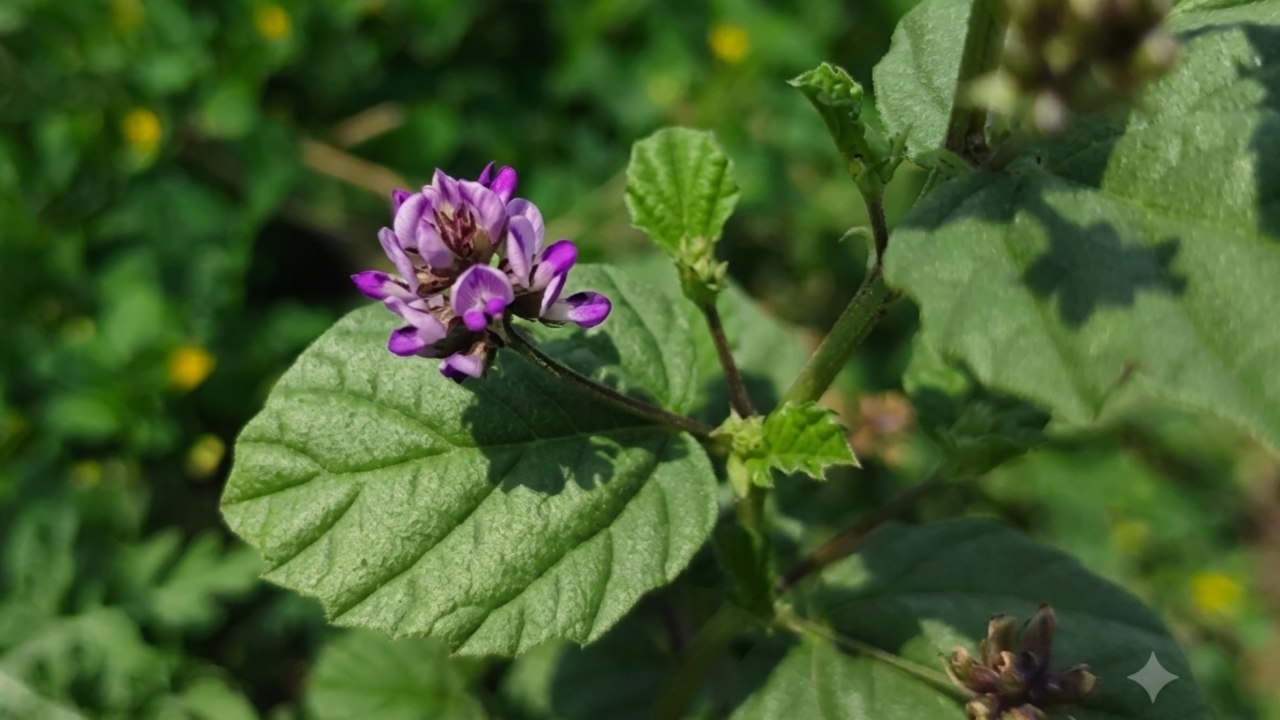 Its biggest claim to fame is helping with condition like vitiligo. By encouraging the skin to produce its natural pigment again, Bakuchi works to bring back an even skin tone and restore a healthy, natural glow.
Beyond skin care, this plant does impressive work on the inside. It helps fire up your digestion, clears up respiratory discomfort, and even supports balanced blood sugar levels, making it a true all-around wellness boost.
On top of all that, Bakuchi doubles as a natural rejuvenator. Rich in protective antioxidants, it helps keep cells feeling youthful and energized, serving as a gentle, time-tested ally for your overall vitality.
Botanical Profile and Habitat of Psoralea corylifolia
Understanding Bakuchi’s biological roots reveals exactly why it packs such a powerful medicinal punch.
- Botanical Name: Psoralea corylifolia (also known as Cullen corylifolium)
- Plant Family: Fabaceae (the legume or pea family), specifically the Faboideae sub-family
- Ayurvedic Lineage: Categorized under the Aparajita Upakula
This hardy, erect annual herb naturally thrives in the warm, dry plains of India. To develop its active, skin-healing compounds, the plant requires well-drained sandy or loamy soil and plenty of direct sunlight.
Because it is so highly sought after as a natural treatment for vitiligo, Bakuchi has moved well beyond wild harvesting—it is now heavily cultivated across tropical and subtropical regions globally, including parts of Africa and China.
Vernacular Names and Regional Significance
Bakuchi’s deep roots in traditional medicine are reflected in the many names it holds across India’s regional languages:
In classical Sanskrit texts, terms like Kushthaghni (“destroyer of skin diseases”) and Somaraji (“moon-like shine”) reflect how early healers categorized the herb’s specific therapeutic effects.
The Deep Meaning Behind Sanskrit Synonyms
In Ayurveda, a herb’s Sanskrit synonyms are not just alternative names; they are concise descriptors of the plant’s physical characteristics, pharmacological actions, and therapeutic capabilities. The classical texts have assigned several profound synonyms to Bakuchi:
Classical Categorization in Ancient Ayurvedic Texts
Ayurvedic classics group Bakuchi based on taste, therapeutic action, and systemic impact:
- Charaka Samhita (Tikta Skandha): Grouped among key bitter (Tikta) herbs. This category excels at purifying the blood (Raktashodhana), clearing skin conditions, calming inflammation, and balancing Pitta and Kapha.
- Sushruta Samhita: While not listed in Sushruta’s core primary groupings, later surgical commentators frequently referenced Bakuchi to support skin recovery, tissue healing, and post-procedural repigmentation.
- Bhava Prakasha Nighantu (Haritakyadi Varga): Placed in a class of potent, multi-purpose botanicals known for strengthening digestion, clearing toxins (Ama), and combating microbial infections.
Ayurvedic Pharmacology: Rasa, Guna, Veerya, Vipaka, and Dosha Karma
To understand how Bakuchi works inside the human body, we must look at its Dravyaguna (pharmacological properties):
Therapeutic Indications: Diseases Treated by Bakuchi
Based on its pharmacological profile, classical Ayurvedic texts indicate Bakuchi for a wide array of conditions:
- Switra: Vitiligo / Leucoderma (its most famous application).
- Kushta: All chronic skin diseases, including psoriasis, eczema, and tinea infections.
- Meha: Urinary tract disorders, diabetes, and conditions involving excessive urination.
- Jwara: Intermittent and chronic fevers, especially those linked to Kapha-Vata imbalance.
- Krmi: Worm infestations, including intestinal helminths and pinworms.
- Swasa: Dyspnoea, asthma, and restrictive lung diseases.
- Kasa: Chronic cough and bronchitis.
- Visa: Low-grade toxicity in the blood or gastrointestinal tract.
- Kandu: Intense itching, often associated with allergic dermatitis or dry skin.
Bhojana Kutuhalam: A Classical Perspective on Seeds vs. Fruits
The Bhojana Kutuhalam is a classic Ayurvedic text that provides unique dietary and medicinal insights. It offers a fascinating, nuanced breakdown of Bakuchi, specifically differentiating between the white variety of the seed and the fruit itself.
On the White Variety of Bakuchi (Seeds): The text warns that the white variety is highly Rooksha (dry) and naturally aggravates both Pitta and Vata doshas. It is Guru (heavy) for digestion.
While bitter in taste, it is considered unwholesome (Apathya) for individuals suffering from abdominal disorders.
Improper use can lead to the development of Grahani (irritable bowel syndrome or malabsorption syndrome) and Arshas (hemorrhoids) due to its severe drying effect on the lower GI tract.
Specific Properties of Psoralea Seeds:
- Vishtambhahrut: Relieves severe constipation and abdominal gaseous distension.
- Ruchya: Improves taste perception, highly useful in anorexia nervosa or loss of appetite.
- Sara: Promotes the natural, unobstructed movement of body fluids and wastes through the channels (Srotas).
- Shleshmahara: Effectively liquefies and balances Kapha dosha.
- Asrapittanut: Highly useful in bleeding disorders, particularly where there is a pitta imbalance causing blood to ooze.
- Hrudya: Acts as a cardiac tonic, nourishing and strengthening the heart muscle.
- Shwasahara: Useful in dyspnoea, asthma, bronchitis, and chronic respiratory disorders by clearing Kapha from the lungs.
- Kushtaghna: Potent efficacy against all skin diseases.
- Mehahara: Helps regulate blood sugar and treats urinary disorders.
- Jwarahara: Reduces chronic fevers.
- Krumipranut: Expels intestinal worms.
Specific Properties of Bakuchi Fruit:
- Pittala: The fruit notably increases Pitta dosha.
- Kushtahara: Like the seed, it is highly effective in skin diseases.
- Kaphanilahara: Pacifies Kapha and Vata doshas.
- Katu: Possesses a strong pungent taste.
- Keshya: Remarkably improves hair quality, texture, and natural lustre.
- Tvachya: Deeply nourishes and heals the skin.
- Krumihara: Relieves worm infestations.
- Shwasahara & Kasahara: Effective against respiratory distress and cough.
- Shothahara: Reduces systemic inflammation and edema.
- Amahara: Relieves Ama (the state of indigestion at the stomach level and defective tissue metabolism).
- Pandunut: Useful in treating anemia by aiding in the proper absorption of nutrients.
- Medha: Improves intelligence, memory, and cognitive functions.
- Ayushkama: Possesses anti-aging and rejuvenative (Rasayana) properties when used correctly.
Chemical Constituents: The Modern Scientific Backbone
The profound effects of Bakuchi described in Ayurveda are now heavily supported by modern phytochemistry. The seeds are a treasure trove of bioactive compounds:
- Psoralen: The most famous constituent. It is a furocoumarin that sensitizes human skin to UVA light. This forms the basis of modern PUVA (Psoralen + UVA) therapy for vitiligo and psoriasis. It stimulates melanocytes to produce melanin.
- Isopsoralen: An isomer of psoralen, working synergistically to promote pigmentation and provide anti-inflammatory effects.
- Bavachalcone: A potent chalcone with strong anti-bacterial, anti-fungal, and anti-oxidant properties. It helps in wound healing and preventing secondary infections in skin lesions.
- 4″, 5″ Dehydroisopsoralidin: A specialized coumarin derivative contributing to the herb’s overall pharmacological matrix.
- Methyl 4-hydroxybenzoate: An ester known for its preservative and strong antimicrobial properties, which explains Bakuchi’s efficacy in purifying blood and treating Kushta.
- Psoralidin: A highly researched compound known for its anti-osteoporotic, anti-cancer, and estrogenic activities. It plays a role in bone health and cellular regeneration.
- Corylin: A prenylated flavonoid that exhibits significant anti-inflammatory, anti-diabetic, and hepatoprotective (liver-protecting) activities.
Varieties of Bakuchi: Shweta and Krishna Avalguja
Classical Ayurvedic texts and traditional practitioners recognize two main varieties of Bakuchi based on the color of the seeds:
1. Shweta Avalguja (White Bakuchi): The seeds of this variety are lighter in color. As mentioned in the Bhojana Kutuhalam, this variety is dryer, heavier, and more aggravating to Pitta and Vata.
Interestingly, it is classified as Medya (a brain tonic/nootropic), suggesting its specific use lies in cognitive enhancement and nervous system strengthening rather than aggressive skin treatment.
2. Krishna Avalguja (Black Bakuchi): This is the most commonly used variety in clinical practice. The dark, blackish seeds are the standard choice for treating Switra (vitiligo), Kushta (skin diseases), and respiratory issues.
The dark color is often associated with higher concentrations of psoralen and bavachalcone.
Detailed Morphology of the Bakuchi Plant
To correctly identify Psoralea corylifolia in the wild or in cultivation, one must understand its physical morphology:
- Habit: It is an erect, sturdy annual herb that can grow up to 60-120 cm in height. The trunk and straight branches are strong, elastic, and slightly hairy when young.
- Leaves: The leaves are alternate, simple, and generally ovate or elliptic. A key identifying feature is that the leaves are covered with numerous small, black dots (glands) that contain the essential oils and resins responsible for the plant’s aroma and medicinal properties.
- Inflorescence: The plant bears axillary racemes (unbranched, elongated flower clusters) that typically contain 10 to 30 flowers.
- Flowers: The flowers are small but visually striking, displaying a bluish-purple or pale purple coloration, characteristic of the Fabaceae family.
- Fruit: The fruit is a small, blackish, glabrous (hairless), ovoid, or kidney-shaped legume. It is a one-seeded indehiscent pod, meaning it does not naturally split open to release the seed when ripe.
- Seeds: The seeds are smooth, small, and firmly adhere to the inner pericarp (wall of the fruit). They are dark black with the characteristic white streaks (Sasilekha) and emit an agreeable, slightly aromatic, yet pungent odor when crushed.
Sthanika Karma: The Systemic Action of Bakuchi
Bakuchi’s localized and systemic actions (Sthanika Karma) reach across multiple organ systems (Srotas), working both topically and internally to clear disease pathways:
External Applications
- Skin & Wounds (Twacha): Acts as a potent antimicrobial and antifungal agent. It cleanses chronic, non-healing wounds, accelerates tissue regeneration, and serves as the primary treatment for major (Mahakushta) and minor (Kshudra Kushta) skin conditions.
- Hair Care (Keshya): Penetrates the scalp to nourish hair follicles, promoting thick, dark, and lustrous growth.
Internal Actions System-by-System
- Nervous System (Majjavaha Srotas): Functions as a Medhya (brain tonic), strengthening nerve conduction and alleviating numbness or tingling caused by Vata imbalances.
- Digestive System (Annavaha Srotas): Kindles the digestive fire (Agni), expels intestinal parasites (Krimighna), and encourages natural bowel clearance (Anulomana). It effectively treats loss of appetite, chronic constipation, and worm infestations.
- Circulatory System (Raktavaha Srotas): Serves as a strong blood purifier (Raktashodhaka). It improves peripheral circulation and uses its dry quality to drain tissue fluid in cases of edema.
- Respiratory System (Pranavaha Srotas): Clears Kapha accumulation from the lungs, acts as an expectorant, and dilates the bronchioles to ease chronic cough, bronchitis, and asthma.
- Excretory System (Mutravaha Srotas): Supports pancreatic function and urinary health, aiding in the management of diabetes (Prameha) and regulating fluid balance.
- Reproductive System (Shukravaha Srotas): Acts as a warming aphrodisiac, supporting reproductive vitality, libido, and sperm health.
Top Ayurvedic Medicines Formulated with Bakuchi
Because of its intense potency, Bakuchi is rarely used entirely on its own internally. It is skillfully combined with other herbs to mitigate its side effects (like Pitta aggravation) and enhance its therapeutic efficacy.
Its immense skin-benefiting quality makes it an essential ingredient in numerous traditional and proprietary Ayurvedic medicines:
- Avalgujadi Lepam: A specialized herbal paste used exclusively for external application. It is the go-to formulation in Ayurvedic dermatology for the localized treatment of Leucoderma. It usually contains Bakuchi combined with soothing herbs to prevent skin burns.
- Pancha Nimba Churna: A complex powder formulation where Bakuchi is mixed with five types of Neem (Nimba) and other bitter herbs. It is highly effective in non-healing wounds, psoriasis, and deeply rooted skin infections due to its synergistic blood-purifying and antimicrobial actions.
- Mahamanjistadi Kashayam: One of the most famous herbal decoctions in Ayurveda. While Manjistha is the primary herb, Bakuchi plays a crucial supporting role. It is used as a broad-spectrum treatment for skin diseases and acts as a powerful, systemic blood-purifying medicine.
- Somaraji Oil: A medicated oil prepared by boiling Bakuchi and other skin-friendly herbs in a sesame or coconut oil base. It is highly soothing and is used for external application in eczema, dermatitis, and dry, itchy skin conditions.
- Khadirarishta: A highly popular fermented liquid preparation (Arishta). Though Khadira (Acacia catechu) is the main ingredient, Bakuchi is included to enhance the formula’s ability to purify the blood and eradicate stubborn skin diseases from their root cause.
Modern Proprietary Example:
- Patanjali Divya Bakuchi Churna: Manufactured by Patanjali Ayurved Limited, this is a widely accessible pure powder formulation of Bakuchi seeds, used primarily for skin ailments and digestive issues under guided supervision.
Bakuchi Oil (Babchi Oil): The Ultimate Elixir for Skin and Hair
Bakuchi oil, commercially and traditionally known as Babchi oil, is the most popular way this herb is utilized globally. Extracted by cold-pressing or traditional Taila Pak Vidhi (boiling seeds in a base oil), it is a thick, dark, aromatic oil.
Uses for Vitiligo: Babchi oil is applied topically to treat vitiligo patches. The psoralen in the oil sensitizes the skin to sunlight.
When the oil is applied and the skin is subsequently exposed to mild morning sunlight (a natural form of PUVA therapy), it stimulates the dormant melanocytes to produce melanin, gradually repigmenting the white patches.
Note: This must be done with extreme caution to avoid severe sunburn.
Uses for Hair: Babchi oil is a miracle worker for scalp health.
- Premature Graying: It naturally darkens the hair by stimulating melanin production at the hair root.
- Scalp Psoriasis: Its anti-inflammatory properties soothe the scaly, red patches on the scalp.
- Dry Scalp & Dandruff: The oil’s nourishing and antimicrobial properties hydrate a dry, flaky scalp and fight the fungal infections that cause dandruff.
Part Used, Dosage Guidelines, and Anupana
Part Used: The primary part of the plant used in medicine is the Seed. Occasionally, the fruit and leaves are used, but the seed contains the highest concentration of active furocoumarins.
Dosage: Because Bakuchi is highly potent and can be toxic in large doses, the classical dosage must be strictly adhered to:
- Seed Powder (Churna): 1 to 3 grams per day.
- This should always be taken in divided doses (e.g., 1 gram twice a day or 1.5 grams twice a day) rather than all at once.
Anupana (Adjuvants): The Anupana (the vehicle or substance taken with the medicine) is crucial for Bakuchi. Because it is dry and hot, it should never be taken with plain water.
- To balance its dryness and Pitta-aggravating nature, it is best taken with warm milk, ghee (clarified butter), or ginger-infused water.
- For skin diseases, it is often administered with Triphala decoction to aid in deep detoxification.
Practical DIY Ayurvedic Remedies Using Bakuchi
Disclaimer: These remedies are for educational purposes. Bakuchi is a potent herb; always consult a qualified Ayurvedic doctor before internal use.
Remedy for Leucoderma (External):
- Take 1 teaspoon of Bakuchi seed powder.
- Mix with equal parts of tamarind (Imli) paste and a little warm water to form a thick paste.
- Apply this paste strictly to the white patches.
- Expose the area to mild morning sunlight for 10-15 minutes.
- Wash off with lukewarm water. Do this every other day. (If redness or blistering occurs, stop immediately and apply coconut oil).
Remedy for Digestive Weakness and Worms (Internal):
- Take 1 gram of fine Bakuchi churna.
- Mix with a pinch of rock salt (Saindhav Lavana) and half a teaspoon of dried ginger powder (Shunthi).
- Consume this with a cup of warm buttermilk after meals. This improves Agni and expels intestinal worms.
Remedy for Premature Graying and Dandruff (Hair Oil):
- Take 50 grams of Bakuchi seeds and 50 grams of Amla (Indian Gooseberry) powder.
- Boil these in 250 ml of pure coconut oil or sesame oil on a low flame until all moisture evaporates and the oil turns dark.
- Strain and store in a glass bottle.
- Massage this oil into the scalp 2-3 times a week, leaving it on for at least an hour before washing.
Remedy for Chronic Cough and Asthma:
- Take 1 gram of Bakuchi powder.
- Mix with 1 teaspoon of honey and a pinch of long pepper powder (Pippali).
- Take this twice a day to clear Kapha from the lungs.
Remedy for Non-Healing Wounds:
- Mix Bakuchi seed powder with a little turmeric powder and sterile ghee to form a thick paste.
- Apply directly to the cleaned wound. Its antimicrobial properties will prevent infection, and its Ropana (healing) properties will promote new tissue growth.
Side Effects, Precautions, and Contraindications
Bakuchi is a double-edged sword. While highly effective, its misuse can lead to significant adverse effects.
- Severe Skin Irritation and Burns: Because of its psoralen content, applying Bakuchi oil or paste and then exposing the skin to strong, direct sunlight can cause severe blistering, painful burns, and hyperpigmentation (the skin turning dark brown or black rather than normal skin color). Sun exposure must be strictly controlled (early morning sun only).
- Gastrointestinal Distress: As warned in the Bhojana Kutuhalam, taking Bakuchi internally on an empty stomach or in high doses can cause severe stomach pain, nausea, vomiting, diarrhea, and gastritis due to its sharp Katu (pungent) nature and Pitta-aggravating properties.
- Hepatotoxicity (Liver Toxicity): Prolonged, unsupervised internal use of Bakuchi in high doses can burden the liver. It is strictly contraindicated for patients with pre-existing liver conditions like hepatitis or cirrhosis.
- Pregnancy and Lactation: Bakuchi is absolutely contraindicated during pregnancy. Its hot potency and uterine-stimulating actions can trigger uterine contractions, potentially leading to miscarriage. It should also be avoided by nursing mothers.
- Pitta-Dominant Individuals: People who naturally have a high Pitta constitution (prone to acidity, redness, anger, loose stools, and skin rashes) should use Bakuchi very cautiously, and preferably only for external application, as it will severely aggravate their Pitta.
- Kidney Issues: Due to the excretion of its active compounds through the kidneys, individuals with renal impairment should avoid internal consumption.
Drug Interactions: Allopathy, Homeopathy, and Supplements
When integrating traditional herbs with modern medicine or alternative systems, understanding interactions is vital for patient safety.
1. Can Bakuchi be used while taking Homeopathic medicine?
Yes. Bakuchi does not react negatively with homeopathic medicines. Homeopathy operates on the principle of “like cures like” using highly diluted substances, while Ayurveda works through gross physical pharmacology.
There is no known chemical clash between the two systems. However, it is generally good practice to leave a gap of 20-30 minutes between taking the two.
2. Can Bakuchi be continued while taking dietary supplements?
Yes, generally. Bakuchi goes well with most dietary supplements like multivitamin tablets, Omega-3 fatty acids, and mineral supplements.
However, caution is advised if taking high-dose Vitamin D or calcium supplements specifically for skin conditions, as the combination might be too taxing on the liver over time.
If you are taking multiple products per day, it is always best to consult your healthcare provider for a tailored opinion.
Interaction with Western (Allopathic/Modern) Medicines
Seek your doctor’s advice strictly. This is the most critical interaction warning.
- Photosensitizing Drugs: If you are taking allopathic drugs that cause sun sensitivity (like certain antibiotics—tetracyclines, fluoroquinolones, or NSAIDs like ibuprofen), combining them with internal Bakuchi can exponentially increase your risk of severe sunburn.
- Immunosuppressants: Patients taking immunosuppressants for severe psoriasis or vitiligo (like methotrexate or cyclosporine) should not take Bakuchi without explicit medical supervision, as Bakuchi stimulates the immune system and could counteract the drugs.
- Liver-Metabolized Drugs: Bakuchi affects cytochrome P450 enzymes in the liver, which means it can alter the blood levels of many modern pharmaceuticals (like statins, blood thinners, and anti-diabetics).
The Golden Rule of Combining Allopathy and Ayurveda
If both Ayurvedic and allopathic medicines are advised together by your doctor, it is best to take the Allopathic medicine first, wait for a minimum of 30 to 45 minutes, and then take the Ayurvedic medicine.
This prevents any direct chemical interaction in the stomach and allows the body to absorb each system of medicine separately.
Bakuchi (Psoralea corylifolia) stands as an Ayurvedic powerhouse. Validated by ancient classics and modern science alike, it remains the gold standard for vitiligo and complex skin disorders. Beyond dermatological care, this potent Rasayana purifies the blood, boosts digestion, combats parasites, eases respiration, and promotes hair growth.
References
- Chen, L., Chen, S., Sun, P., et al. Psoralea corylifolia L.: A Comprehensive Review of Its Botany, Traditional Uses, Phytochemistry, Pharmacology, Toxicology, Quality Control and Pharmacokinetics. Chinese Medicine, 2023. PubMed
- Bai, Y., et al. A Review of Psoralea corylifolia L.: A Valuable Plant with Profound Biological Significance. 2025. PubMed
- Wang, Y., et al. Psoralea corylifolia L.: Ethnobotanical, Biological, and Chemical Aspects: A Review. Phytotherapy Research, 2018. PubMed
- Chopra, B., Dhingra, A. K., & Dhar, K. L. Psoralea corylifolia L. (Buguchi) – Folklore to Modern Evidence: Review. Fitoterapia, 2013. PubMed
- Royal Botanic Gardens, Kew. Cullen corylifolium (L.) Medik. Plants of the World Online. Royal Botanic Gardens, Kew. Plants of the World Online
- Phytochemical and Pharmacological Aspects of Psoralen – A Bioactive Furanocoumarin from Psoralea corylifolia Linn. 2023. PubMed
- Safety Evaluation and Risk Control Measures of Psoralea corylifolia. 2018. PubMed
- Jiang, M., et al. Psoralen Induces Hepatotoxicity by Covalently Binding to Glutathione-S-Transferases and the Hepatic Cytochrome P450. Phytomedicine, 2022. PubMed
- Systematic Review of Herb-Induced Liver Injury. 2019. PubMed