Constipation Relief: Ayurvedic Home Remedies That Help

Experiencing constipation goes far beyond being a simple daily inconvenience, frequently acting as a clear warning sign of a deeper disruption within your body’s vital energetic flow and natural rhythm. While modern medicine categorizes the issue strictly by infrequent bowel movements, difficulty passing stool, or overly dry textures, traditional healing looks deeper to view it as a primary imbalance in the body’s governing air energy.
When your inner digestive fire weakens, and internal air channels become restricted or blocked, the colon progressively loses its moisture, effectively halting the smooth, effortless movement of natural waste.
Exploring this widespread health challenge through the combined lens of modern medical understanding and time-tested Ayurvedic wisdom unlocks deeply effective, natural remedies designed to bring you immediate comfort alongside gentle, long-lasting relief.
What is Constipation? An Ayurvedic Perspective
Constipation brings infrequent bowel movements, dry stools, and uncomfortable bloating, serving as a widespread digestive hurdle that disrupts daily life and leaves you feeling completely sluggish and heavy.
Traditional medical science typically defines this issue as having fewer than three weekly bowel movements, focusing mostly on surface-level physical symptoms rather than investigating the actual root cause.
Ayurveda views the colon as the primary seat of Vata, where dry, cold, and light air elements take over when stress, irregular routines, or poor food choices aggravate your natural balance.
This elemental imbalance robs the large intestine of vital internal fluids and healthy oils, slowing down normal muscle contractions and turning everyday digestion into a frustrating, stubborn challenge.
The Causes: Vata Aggravation and Modern Triggers
Grasping the underlying triggers of constipation is crucial for long-term prevention, operating on the foundational principle that like increases like. Consuming dry, processed snacks and maintaining a fast-paced, hectic routine directly amplifies internal dryness throughout the entire colon.
- Fiber and Oil Deficiency: Modern meals frequently lack the necessary dietary bulk and healthy lubricating fats required for smooth elimination, which drastically increases the aggravating dry quality inside your gut.
- Insufficient Hydration: Without adequate water intake, the colon aggressively pulls every drop of moisture from waste, whereas traditional practices recommend sipping warm water to properly hydrate tissues and dissolve metabolic toxins.
- Vata-Aggravating Foods: Excessive intake of specific mineral supplements or astringent foods like raw salads and unripe fruits can heighten internal dryness and significantly disrupt normal digestive processes.
- Weakened Intestinal Tone: Reduced physical vitality and imbalances in the body’s vital downward-moving energy can impair the natural muscle contractions required for effortless, complete waste elimination.
- Stress and Anxiety: High stress triggers a powerful fight-or-flight response that diverts essential energy away from your digestive tract, causing intestinal muscles to tense up and abruptly halt progress.
- Suppressed Natural Urges: Repeatedly ignoring or holding back the body’s natural elimination signals disrupts the delicate neurological coordination required for regular, comfortable, and healthy bowel movements.
Symptoms and Warning Signs
Recognizing the warning signs of constipation goes beyond noting infrequent trips to the bathroom, as trapped waste often triggers widespread bodily distress like persistent bloating, excessive gas, and noticeable lethargy.
While minor flare-ups are usually easy to manage at home, traditional wisdom cautions that severe, untreated blockages allow metabolic toxins to build up, potentially re-entering the bloodstream and creating broader health complications.
-
Severe Abdominal Pain: Experiencing sharp cramps or a rigid, board-like abdomen is a major warning sign that could point to a dangerous intestinal blockage requiring urgent care.
-
Bloody or Black Stools: Finding blood in your stool or noticing a tarry, dark black color indicates internal bleeding somewhere along the gastrointestinal tract and demands immediate professional medical evaluation.
-
Vomiting or High Fever: Accompanied fever or persistent vomiting strongly suggests an underlying infection, severe inflammation, or a physical obstruction that cannot be resolved with home remedies alone.
-
Breathing Difficulties or Dizziness: Feeling dizzy or experiencing shortness of breath implies that severe abdominal pressure is impacting your diaphragm or causing acute physical distress, necessitating prompt medical attention.
Ayurvedic Home Remedies for Immediate Relief
The following remedies are derived from the “Grandmother’s advice” tradition and Ayurvedic texts. They focus on lubricating the channel, softening the stool, and stimulating Agni (digestive fire).
1. Warm Milk with Ghee (The Ultimate Vata Pacifier)
While warm milk is recommended, adding Ghee (clarified butter) is the secret Ayurvedic weapon.
- The Remedy: Drink a glass of warm milk before bedtime. To this, add 1 to 2 teaspoons of pure cow’s ghee.
- Why it works: Ghee is a Rasayana (rejuvenator) and acts as an internal lubricant. It coats the intestinal lining, moisturizes the dry Vata, and facilitates the smooth passage of stool.
- Advice: The next day, do not eat a lot of “garbage” (heavy, processed foods). Stick to simple, warm foods like soup and bread to allow the gut to reset.
2. Triphala: The Sacred Three Fruits
Triphala has been used in India for centuries. It is not just a laxative; it is a tonic for the digestive system.
- The Remedy: Take 1/2 to 1 teaspoon of Triphala powder with warm water before bed. You can take this every day, even if you do not have constipation, as it balances all three Doshas.
- Why it works: Triphala combines three fruits: Amalaki (cooling), Bibhitaki (reducing excess mucus), and Haritaki (the potent laxative that destroys Ama). It combines the properties of a lubricating laxative and a purgative laxative. It improves colon fitness and acts as an evacuation without causing pain or displeasure. It is safe for long-term use and has no side effects.
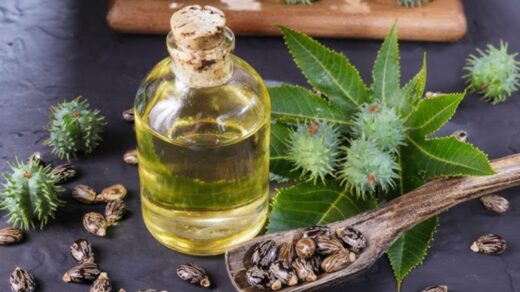
3. Castor Oil (Eranda Taila)
If you are experiencing chronic, stubborn constipation, castor oil is the most powerful stimulant.
- The Remedy: Add two tablespoons of castor oil to warm milk (ginger tea or almond milk can also mask the taste) and drink.
- Why it works: In Ayurveda, Castor oil is hot and Ushna (heating). It penetrates the deep tissues (Dhatus) and scrubs out the toxins. It is a strong purgative.
- Precaution: Doing this should probably be done on a day off, as it works fast. Do not use this long-term.
4. Fruits: Nature’s Laxatives
Eat lots of fruit. In general, fruits are beneficial in the treatment of constipation, but choose them wisely according to their qualities.
- Best Fruits: Apples (with skin), oranges, guavas, grapes, and plums are great. Specifically, Ripe Bananas (contrary to some myths) and Figs are excellent for Vata types when they are fully ripe.
- Fruit to Avoid: Avoid unripe bananas and jackfruit if you have dry stools, as they can be astringent and clogging.
- Bale Fruit (Wood Apple): Bale fruit is the best laxative of all fruits in Ayurveda. It cleans and tones up the intestines and relieves constipation. The pulp of the ripe fruit is considered a specific cure for chronic Vibandha.
5. Honey with Warm Water
Honey is considered Yogavahi—a substance that carries the medicinal properties of other herbs into the tissues.
- The Remedy: Add a little honey to a glass of warm water (not boiling, as hot water destroys honey’s enzymes) and drink once in the morning and once at night.
- Why it works: Honey is slightly sheeta (cooling) but acts as a mild laxative (Anulomana). It helps soften the stool and is gentle on the stomach.
6. Isabgol (Psyllium Husk)
- The Remedy: Mix 3 tablespoons of Isabgol (psyllium husk) in water, milk, or juice and drink it before going to bed.
- Why it works: Isabgol is a filler that absorbs water and turns into a gel-like substance. It increases bulk (Guru) and softens the stool. The next morning, you see the difference. It is excellent for balancing both Vata (hardness) and Pitta (looseness).
7. Lemon Water
- The Remedy: Take a lemon or two, squeeze its juice into hot water, and keep drinking it. Do not add sugar or salt.
- Why it works: The sour taste (Amla rasa) stimulates the digestive fire (Agni) and flushes the system. It is particularly good for Kapha-type constipation (sluggish, mucus-heavy).
8. Asafoetida (Hing) and Digestive Spices
- The Remedy: While cooking, use asafoetida, cumin powder (Jeera), turmeric powder (Haldi), and coriander (Dhania).
- Why it works: Asafoetida is the premier anti-flatulent and digestive stimulant in Ayurveda. It ignites Agni and reduces gas. Cumin and coriander improve digestion and cooling, respectively. Making food easy to digest prevents the formation of Ama.
9. Warm Water: The Elixir of Life
- The Remedy: Drink 7 to 8 glasses of warm water throughout the day.
- Why it works: Cold water freezes the Agni (digestive fire) and shocks the system. Warm water moves the small intestines, dissolves fat, and leads to regular stools. It helps melt the Ama (toxins) blocking the channels.
Natural Ways & Holistic Therapies
1. Yoga: Asanas for Apana Vayu
Yoga has many postures that can be beneficial for constipation. The poses squeeze the body parts in a way to relieve tension and make the digestive organs work more efficiently.
- Vajrasana (Thunderbolt Pose): This is the only pose that can be done immediately after eating. It increases blood flow to the stomach and aids digestion.
- Pavanamuktasana (Wind-Relieving Pose): This pose directly compresses the colon and helps release trapped gas.
- Ardha Matsyendrasana (Half Spinal Twist): This massages the abdominal organs and stimulates the intestines. In many cases, constipation is caused by stress and mental stress. Yoga helps activate the parasympathetic nervous system, calming the mind and allowing the Apana Vayu to flow downward.
2. Acupressure (Marma Therapy)
Acupressure can also be helpful in constipation by pressing on certain Marma points (energy points) that help in curing constipation.
- The Point: The point on the hand between the thumb and index finger (Aditi point) is often used. However, for specific Vata relief, points around the ankle and the center of the sole of the foot are beneficial.
- Method: Press these points for 3 to 5 minutes each day at each point to stimulate the large intestine meridian.
3. Naturopathy: Mud and Water
- Mud Therapy: Mud is usually applied to the stomach, which removes body heat and toxins. It also stimulates the excretory system by drawing out impurities.
- Cold Water Abdomen Pack: Placing a cold, wet cloth on the abdomen can stimulate peristalsis in cases of sluggish digestion.
Precaution & Care (Dinacharya for Digestion)
Integrating traditional daily routines into your life helps maintain healthy digestion and regular elimination, grounding your body’s natural rhythms.
- Regulate Your Morning Routine: Aligning with your body’s natural circadian rhythm by answering the morning call during Vata hours encourages effortless elimination and prevents rushed habits.
- Practice Mindful Eating: Eating only when truly hungry and avoiding constant snacking protects your digestive fire, while packing fresh, wholesome meals prevents sluggishness.
- Choose Balanced, Fresh Foods: Nourishing your body with fiber-rich whole grains, fresh produce, and freshly prepared meals avoids the buildup of internal toxins caused by eating leftovers.
- Prioritize Proper Hydration: Drinking ample water throughout the day, while avoiding ice-cold beverages during meals, ensures your digestive tract remains properly lubricated and hydrated.
- Include Wholesome Fruits and Vegetables: Incorporating plenty of fresh fruits and properly cooked vegetables supports gentle gut motility, tailoring your vegetable intake to match your digestive strength.
- Honor Natural Bodily Urges: Never ignore or suppress the body’s natural signals for elimination, as respecting these daily cues keeps your internal energy flowing smoothly.
- Engage in Regular Movement: Committing to physical activity like a brisk daily walk actively stimulates colon function while helping to release accumulated stress.
FAQ’s
1. What are the best Ayurvedic herbs for immediate relief from constipation?
Triphala is widely considered the gold standard in Ayurveda for gentle, non-habit-forming overnight relief. Other powerful herbs like Haritaki and Senna (used in moderation) also help stimulate colon motility and naturally soften hard stools.
2. How does drinking warm water help alleviate constipation in Ayurveda?
Sipping warm water throughout the day acts as an internal cleanser that pacifies the Vata dosha. It helps melt accumulated Ama (toxins), hydrates dry intestinal tissues, and encourages the colon’s natural wave-like contractions.
3. Can consuming ghee really help improve regular bowel movements?
Yes, pure cow’s ghee is a cornerstone of Ayurvedic gut health because it provides essential lubrication for the gastrointestinal tract. Taking a small spoonful of warm ghee with warm water or milk at bedtime nourishes the colon walls and eases elimination.
4. Why does Ayurveda strongly advise against ice-cold foods and beverages?
Ice-cold items shock the digestive tract and dampen your Agni (digestive fire). This heavy, cold quality stalls proper breakdown of food, increases Vata dosha, and directly contributes to gut sluggishness and uncomfortable bloating.
5. How does daily routine (Dinacharya) impact your digestive health?
Establishing a consistent daily schedule aligns your body with its natural circadian rhythm. Answering the morning elimination call during early Vata hours prevents rushed habits and trains your colon to function smoothly and predictably.
6. What role does Vata dosha play when you experience constipation?
Ayurveda views the colon as the primary seat of Vata (air and ether elements). When stress, irregular habits, or dry foods aggravate Vata, it dries out intestinal fluids, halts normal peristalsis, and makes elimination difficult.
7. Why is eating fiber-rich and oily foods crucial for smooth digestion?
Modern diets often lack the physical bulk and healthy lubricating fats necessary for effortless waste removal. Incorporating fiber-rich whole grains and healthy fats counteracts the dry (Ruksha) qualities that cause stools to harden.
8. How does emotional stress and anxiety affect your bowel movements?
The gut acts as our second brain. High anxiety triggers a fight-or-flight response that diverts vital energy away from the digestive tract, causing intestinal muscles to tense up and abruptly halt regular bowel activity.
9. Why is suppressing the natural urge to go considered dangerous in Ayurveda?
Ignoring or holding back your body’s elimination signals disrupts the neurological coordination between your brain and the downward-moving energy (Apana Vayu), which is a primary root cause of chronic Vata disorders.
10. When should you stop relying on home remedies and seek medical attention?
You should consult a doctor immediately if constipation is accompanied by severe abdominal pain, a rigid board-like abdomen, bloody or black tarry stools, persistent vomiting, high fever, or sudden shortness of breath.
Constipation is a signal that your Vata is out of balance and your Agni is low. By utilizing these Ayurvedic home remedies—ranging from the simple glass of warm milk with ghee to the potent Triphala—you can find immediate relief and long-term balance. These remedies work not just to clear the bowel but to detoxify the body and rejuvenate the system.
References
- National Institute of Diabetes and Digestive and Kidney Diseases (NIDDK), National Institutes of Health. Symptoms & Causes of Constipation. NIDDK. NIDDK – Constipation: Symptoms & Causes
- National Institute of Diabetes and Digestive and Kidney Diseases (NIDDK), National Institutes of Health. Treatment for Constipation. NIDDK. NIDDK – Treatment for Constipation
- National Institute of Diabetes and Digestive and Kidney Diseases (NIDDK), National Institutes of Health. Eating, Diet, & Nutrition for Constipation. NIDDK. NIDDK – Diet & Nutrition for Constipation
- MedlinePlus, U.S. National Library of Medicine. Psyllium. MedlinePlus Drug Information. MedlinePlus – Psyllium
- MedlinePlus, U.S. National Library of Medicine. Constipation. MedlinePlus Medical Encyclopedia. MedlinePlus – Constipation
- National Center for Complementary and Integrative Health (NCCIH), National Institutes of Health. Ayurvedic Medicine: In Depth. NCCIH. NCCIH – Ayurvedic Medicine
- National Center for Complementary and Integrative Health (NCCIH), National Institutes of Health. Dietary and Herbal Supplements. NCCIH. NCCIH – Dietary & Herbal Supplements
- National Center for Complementary and Integrative Health (NCCIH), National Institutes of Health. Herbs at a Glance. NCCIH. NCCIH – Herbs at a Glance
- National Institute of Diabetes and Digestive and Kidney Diseases (NIDDK), National Institutes of Health. Definition & Facts for Constipation. NIDDK. NIDDK – Definition & Facts