Menopause: How Ayurveda Can Support Your Body Naturally

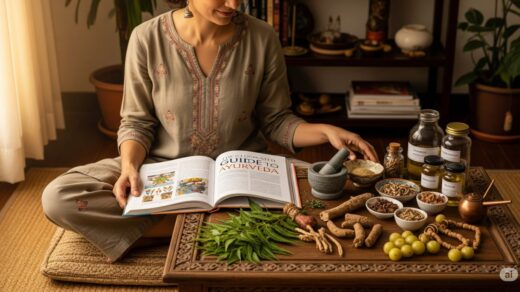
For millions of women, menopause can mean sleepless nights, hot flushes, mood changes, and feeling disconnected from their bodies. Modern medicine often focuses on managing symptoms through hormonal approaches.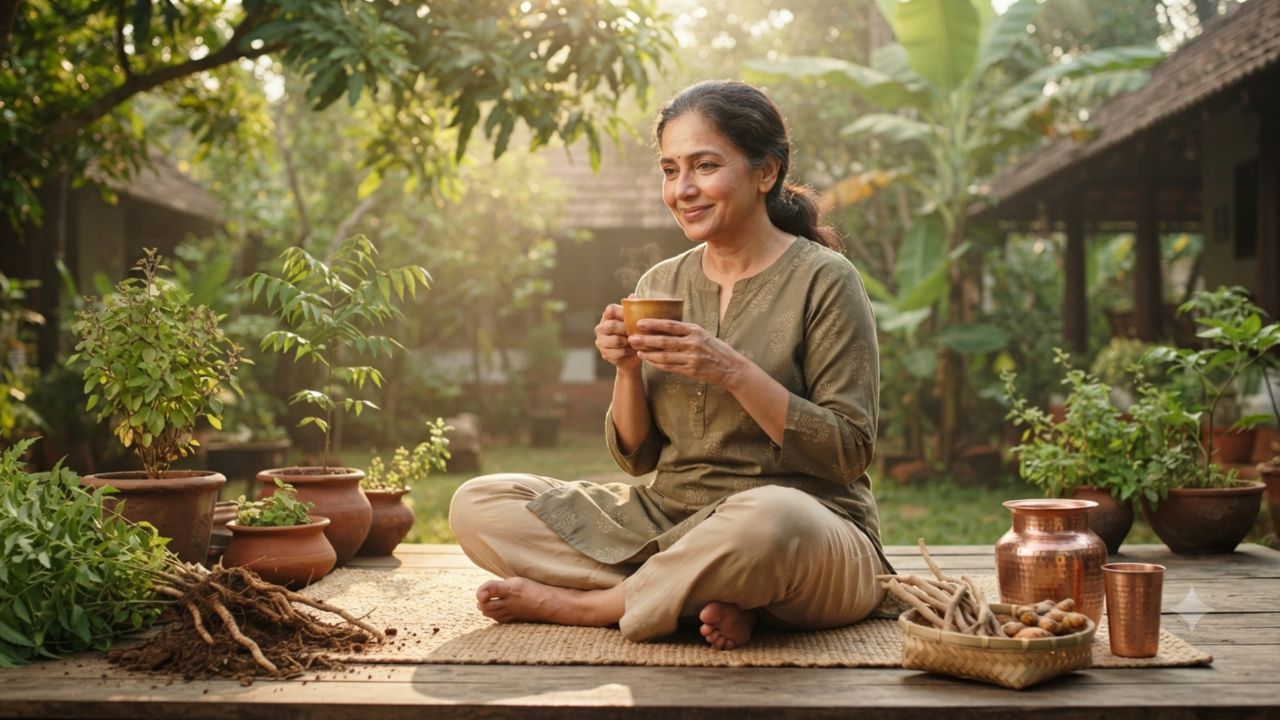 But what if menopause is not a problem to fix, but a natural transition deserving understanding, acceptance, and care? Ayurveda offers a different perspective, viewing menopause as a meaningful life stage.
According to Ayurveda, menopause marks the transition from the Pitta-dominant reproductive years to the Vata-dominant later years. Understanding this shift can help women support themselves through changing needs.
With mindful lifestyle choices, nourishing food, daily routines, appropriate Ayurvedic practices, and emotional self-care, menopause can become a more balanced experience. This guide explores practical ways to support wellbeing.
The Ayurvedic Understanding of Menopause
Menopause is more than the end of your menstrual cycle. It is a natural turning point in a woman’s life—a time when the body, hormones, emotions, and even your daily needs begin to change.
Ayurveda has a beautiful way of looking at this transition. Instead of seeing menopause as a problem or a disease, it considers it a natural stage of life and focuses on helping the body adapt to these changes with greater balance and awareness.
According to Ayurveda, our lives move through three main stages, each influenced by one of the three doshas: Kapha, Pitta, and Vata.
1. Childhood: The Kapha Stage
Childhood, generally up to the age of 16–20, is considered the Kapha stage of life. Kapha is made up of the elements earth and water.
It is connected with growth, nourishment, strength, development, and building the tissues of the body. This is why children naturally need plenty of nourishment, rest, and care as they grow.
2. Adulthood: The Pitta Stage
From around the age of 20 to 50, we enter the Pitta stage of life. Pitta is associated with fire and water. It governs digestion, metabolism, transformation, and the energy needed for an active reproductive life.
Menstruation, fertility, pregnancy, work, family responsibilities, and many of the demands of adulthood are all part of this stage.
3. Later Years: The Vata Stage
After around the age of 50, Vata becomes the dominant influence. Vata is made up of air and space and is associated with movement, creativity, change, and wisdom.
However, Vata also has qualities of dryness, lightness, and instability. As we move into this stage of life, these qualities can become more noticeable in the body.
Menopause: The Bridge Between Pitta and Vata
Menopause sits right between these two stages of life. It is a transition from the active, reproductive Pitta years into the Vata stage.
This is why Ayurveda places particular importance on supporting the body during this time. The goal is not to stop the changes that are happening, but to help the body move through them as smoothly and comfortably as possible.
From an Ayurvedic perspective, maintaining a healthy balance of Vata and Pitta becomes especially important.
Supporting digestion (Agni) and preventing the accumulation of toxins (Ama) are also traditionally considered important during this stage.
What Do Menopausal Symptoms Mean in Ayurveda?
Every woman’s experience of menopause is different. Some women may barely notice the transition, while others experience hot flushes, disturbed sleep, mood changes, dryness, weight changes, or joint discomfort.
Ayurveda views these experiences through the qualities of the doshas.
1. When Pitta Is Elevated
If Pitta becomes excessive, you may notice symptoms such as:
- Hot flushes
- Night sweats
- Feeling overheated
- Redness
- Irritability
- Increased sensitivity or intensity
These symptoms are traditionally associated with Pitta’s fiery and heating qualities.
2. When Vata Is Elevated
As menopause progresses, Vata can become more prominent. This may be reflected in:
- Anxiety or restlessness
- Difficulty sleeping
- Dry skin
- Joint discomfort
- Palpitations
- Forgetfulness
- Feeling unsettled or emotionally sensitive
These experiences are traditionally linked with Vata’s qualities of movement, dryness, and change.
3. When Kapha Is Elevated
Some women may also experience signs associated with increased Kapha, such as:
- Weight gain
- Sluggishness
- Water retention
- Feeling heavy or tired
- Reduced motivation
From an Ayurvedic perspective, these symptoms may be influenced by diet, activity levels, lifestyle, and an individual’s unique constitution.
4. Life After Menopause: Supporting Vata
Once menopause is complete, a woman enters what Ayurveda considers the Vata stage of life.
This does not mean that every woman will experience the same changes. Your individual constitution, or Prakruti, continues to influence your health and wellbeing. However, Vata naturally becomes more prominent as we age.
This is why Ayurveda traditionally emphasizes practices that are grounding, nourishing, warming, and supportive during the later years of life.
Taking care of Vata may become particularly important for maintaining comfortable digestion, healthy movement, good sleep, and overall wellbeing as the body changes with age.
Why Preparing for Menopause Early Matters
Ideally, preparing for menopause doesn’t begin when your periods become irregular. It starts much earlier, with the everyday choices you make throughout your life.
1. A Whole-Life Approach to Women’s Health
Ayurveda takes a whole-life approach to women’s wellbeing, beginning with menarche—the first menstrual cycle during puberty. The way we eat, sleep, move, manage stress, and care for ourselves can influence how we experience different stages of life.
But if you are already approaching or going through menopause, don’t worry. It is never too late to start.
Small, consistent changes can help you feel more supported, comfortable, and confident during this transition.
2. Embracing Menopause as a New Chapter
Menopause doesn’t have to be something you fear or simply “get through.” It can be an opportunity to slow down, listen to your body, and give yourself the care you may have spent years giving to others.
3. Supporting Your Changing Needs
From an Ayurvedic perspective, menopause is a time to work with your body’s changing needs rather than against them.
Nourishing food, regular movement, restful sleep, stress management, and simple self-care practices can help you approach this stage with greater awareness and confidence.
The following guidelines explore simple Ayurvedic practices to support your body through menopause and help make this transition a more balanced, comfortable, and empowering chapter of your life.
The Foundational Practices for Menopausal Balance
One of Ayurveda’s most important principles during menopause is maintaining a regular daily routine. Since Vata is associated with movement and change, irregular meals, poor sleep, and a constantly busy schedule can leave you feeling more restless and unsettled.
A simple, consistent routine can help you feel more grounded and supported.
1. A Simple Daily Routine
- Morning: Wake at a consistent time, drink warm water, and give yourself time to use the bathroom. Follow with gentle yoga, stretching, breathing exercises, or a walk.
- Midday: Make lunch your main meal and eat slowly, without rushing.
- Afternoon: Focus on work or creative activities, but take regular breaks and avoid pushing through fatigue.
- Evening: Enjoy a light, nourishing dinner and gradually reduce screen time and stimulation.
- Night: Create a calming bedtime ritual with a warm bath, foot soak, or gentle self-massage (Abhyanga). Aim for a regular bedtime and sufficient sleep.
2. Make Time for Rest
Menopause is a time to listen to your body rather than constantly push through tiredness. Make space for relaxation, meditation, yoga nidra, mindfulness, or simply a few quiet minutes to breathe.
Gentle yoga and breathing practices such as Nadi Shodhana (alternate-nostril breathing) and Sheetali (cooling breath) may also be incorporated under appropriate guidance.
Most importantly, don’t aim for perfection. Consistency is more important than following a routine perfectly. A balanced rhythm of nourishing food, restful sleep, gentle movement, and relaxation can help you feel more grounded during this important transition.
Balance Vata – The Art of Nourishing the Nervous System
During menopause, your body is becoming drier, lighter, and colder (Vata qualities). Therefore, your diet must counteract these qualities. Here is how to balance Vata through food:
What to Eat (The Vata-Pacifying Diet)
During menopause, you should eat lots of warm, fresh, nutritious yet easy-to-digest food which is neither excessively drying, heating nor pungent (spicy). Think soups, stews, casseroles, and one-pot meals.
- Grains: Favor the sweet taste of whole grains like basmati rice, oats (cooked), and wheat (if tolerated). Avoid dry grains like millet, buckwheat, and dry crackers.
- Proteins: Mung beans (the king of Ayurvedic legumes), lentils (cooked well with spices), tofu, and organic chicken or turkey (in small amounts). Red meat is heavy and should be limited.
- Vegetables: While it is recommended to include more vegetables into your diet, select those that do not increase Vata. Root vegetables are your best friend—sweet potatoes, carrots, beets, parsnips, radishes (cooked). Cooked asparagus, green beans, and pumpkin are fine. Avoid raw vegetables (salads are very Vata-provoking), broccoli, cabbage, cauliflower, and Brussels sprouts unless well-cooked with oil and spices.
- Fruits: Well-ripened, sweet, and juicy fruits like bananas, avocados, mangoes, papayas, and stewed apples/pears. Avoid unripe, sour, or dry fruits (like cranberries or unripe bananas).
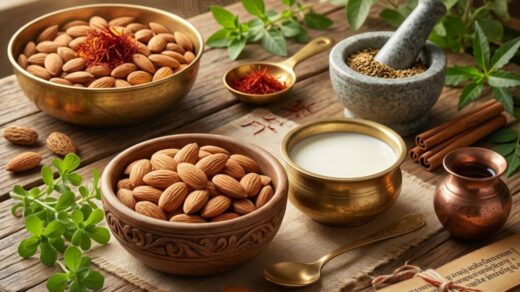
- Fats (Crucial!): This is non-negotiable. Vata needs lubrication. Consume quality fats from ghee (clarified butter), avocado, coconut oil, olive oil, and soaked nuts (almonds, walnuts).
- Spices: Cook with spices that aid digestion, such as ginger, cumin, fennel, coriander, saffron, and turmeric. These are both soothing and digestive. Avoid excess chili, cayenne, and dry ginger powder (fresh is better).
What to Avoid
- Avoid processed and canned food (high in preservatives and salt, both Vata-aggravating).
- Limit the intake of dry, cold, frozen, fermented or re-heated foods, refined sugar, and red meat to a bare minimum.
- Also, reduce coffee and alcohol as much as possible, since both increase Vata due to their drying and stimulating nature. A glass of warm mulled wine with spices is fine from time to time, but instead of coffee, we recommend you begin exploring the world of herbal teas – you will be astonished how amazing some of them taste.
Special Menopausal Foods (Phytoestrogens)
You can include foods that are rich in natural phytoestrogens (plant estrogens) which help ease the hormonal rollercoaster.
These include soy (tofu, tempeh, miso), lentils, flaxseeds (linseed), sesame seeds, and fenugreek.
Enjoy a teaspoon of ground flaxseed on your oatmeal or a cup of warm sesame milk (sesame seeds blended with warm milk and a pinch of nutmeg) before bed.
Eating Habits for Better Digestion
- At mealtimes, create a calm atmosphere. No phones, no arguments, no TV. Concentrate on your food and chew well.
- Eat only when you’re hungry (not out of boredom or stress) and aim to have your main meal at noon when digestive power is strongest.
- Your dinner should be light and taken early in the evening (by 7 PM).
- Staying hydrated is particularly important, either by drinking room temperature water (warm water is even better) or gently spiced, relaxing herbal teas. Tulsi (holy basil) and ginger are generally good for most people. Avoid ice-cold water—it extinguishes digestive fire.
The Emotional Diet
There is nothing that drives imbalances more than stress due to anger, resentment or irritations from the past. Now is the time to let go of intensely-fuelled ambitions, over-work, and perfectionism.
These fiery emotions directly aggravate Pitta, worsening hot flushes. Practice forgiveness—not for others, but for your own nervous system.
Exercise Smartly – Movement as Medicine
The days of high-intensity interval training (HIIT), marathons, and intense spinning classes are likely over for you during menopause.
High-intensity workouts increase Vata as well as Pitta dosha. They are drying, heating, and exhausting to the nervous system—the exact opposite of what you need.
You should definitely avoid them—no matter whether it is a Hot Yoga or Ashtanga Yoga class or Zumba sessions.
The Ideal Menopausal Exercise Regimen
Regular, mild-to-moderate-intensity exercise is ideal. The keywords are sustained, grounding, and cooling.
- Brisk walking in nature: 20-40 minutes daily. Walk on grass or dirt if possible (grounding/earthing), not just concrete.
- Yoga: Focus on restorative, grounding, and cooling poses. Avoid rapid Sun Salutations. Instead, hold poses like Balasana (Child’s Pose), Supta Baddha Konasana (Reclining Bound Angle Pose), Viparita Karani (Legs Up the Wall), and gentle twists. Avoid heated yoga rooms.
- Swimming: Excellent. The water is cooling for Pitta and the rhythmic motion is calming for Vata.
- Gentle weightlifting: Note that gentle weightlifting can support your bone density and muscle strength and is therefore recommended. Use light weights with high repetitions, or use your own body weight (squats, lunges). Avoid straining or holding your breath.
- Tai Chi or Qi Gong: These are phenomenal for balancing Vata—slow, mindful, flowing movements.
Timing: Work out early in the morning whenever possible (6-8 AM) when the air is fresh and calm. But if that is not an option, include exercises into your evening routine that relax your nervous system, like walking, Yin Yoga, or Tai Chi. Never exercise after 8 PM as it can disrupt sleep.
Make Peace with the Past – The Emotional Detox
This is perhaps the most profound and overlooked aspect of the Ayurvedic approach to menopause. Physical symptoms are often the body’s way of expressing emotional toxins (a type of Ama).
Making peace with the past and accepting the present may be one of the most important elements of your transition.
Positivity and acceptance are essential, as unprocessed emotions may exacerbate menopausal symptoms such as hot flushes, mood swings, and irritability.
Why does this happen? During our reproductive years (Pitta stage), we have the fire and energy to suppress emotions—we keep busy with careers, children, and social obligations.
But as that fire wanes and Vata rises, the container of the mind becomes less stable, and old, unprocessed grief, anger, and resentment bubble to the surface.
So take time to make peace with yourself and all those who you have crossed paths with. This might involve:
- Writing a forgiveness letter (you don’t have to send it).
- Journaling about past hurts and then ritually burning the paper.
- Therapy or counseling with a practitioner who understands perimenopause.
- Meditation on loving-kindness (Metta Bhavana) – sending wishes of peace to yourself, then to others.
Also, consider that the purpose of your life might require some adjusting at this stage. After caring for your family (children, aging parents, spouse), it is now time to focus more on your individual needs and give yourself the care that you so much deserve.
You have accumulated so much wisdom over the course of your life. Consider sharing your knowledge and life experiences with others.
Adding value to other people’s lives and receiving their acknowledgements will not only boost your confidence but also nurture you deeply.
Become a mentor, a grandmother figure in your community, a volunteer. This shift from “doing” to “being” is the spiritual gift of menopause.
Self-Massage (Abhyanga) – The Ultimate Act of Self-Love
If you do nothing else on this list, do this. One of the best ways a woman can show self-love and care is via massaging herself with warm medicated oils.
Not only does the practice of self-massage nurture dry skin (a classic Vata symptom), it is also one of the most effective ways for calming Vata, easing anxious feelings, and helping with uncomfortable joints.
How to do Abhyanga for Menopause:
- Choose your oil: The best oils for menopausal women are Ksheerabala oil (excellent for Vata and sleep) and Ashwagandha oil (warming and grounding for joint pain). If you cannot find these, plain organic sesame oil (warming) or coconut oil (cooling for hot flushes) mixed with a few drops of lavender or sandalwood essential oil works well.
- Warm the oil: Place the oil bottle in a cup of hot water for a few minutes.
- Technique: Sit on an old towel in a warm bathroom (no drafts). Apply oil generously to your entire body, starting from the head (scalp), then face, ears, neck, arms, chest, abdomen, back, legs, and feet. Use long strokes on the long bones and circular strokes on the joints.
- Pressure: Be firm but loving. Spend extra time on dry areas (elbows, knees, heels) and on the feet.
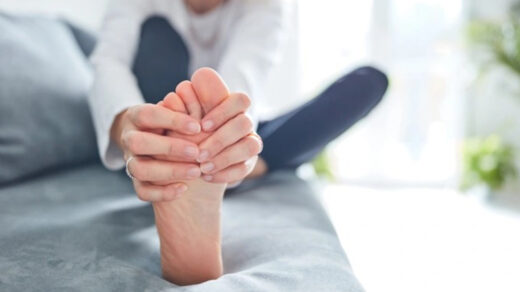
- Ksheerabala or Chandanadi oil massaged onto the feet before bed can work wonders if you suffer from insomnia. Massage the oil into the soles and between the toes, then put on cotton socks.
- After massage: Let the oil soak in for 10-15 minutes. Then take a warm (not hot) bath or shower. Do not use soap all over—just on the “creases” (armpits, groin). The oil film left on the skin will continue to nourish you all day.
Do this daily if possible, or at least 3-4 times per week. It is a moving meditation and a profound act of self-care.
Use Herbs and Supplements – Nature’s Pharmacy
Several Ayurvedic herbs can assist in easing negative symptoms of menopause. However, since each woman’s experience of menopause is different, it is best to consult an Ayurvedic physician who can prescribe the right herbs for your specific symptoms and constitution. That said, here are the most well-known and effective herbs:
The Top 5 Ayurvedic Herbs for Menopause Relief
Menopause is a natural transition, but the shifts in hormones can leave you feeling drained, overheated, and stressed. Ayurveda offers a holistic way to balance your body using nutrient-rich, restorative herbs. Here are five of the best herbs to support your body and mind during menopause:
1. Ashwagandha (Withania somnifera) — The Stress Buster
Known as the “strength of a stallion,” Ashwagandha is a renowned adaptogen that calms the nervous system, lowers stress-inducing cortisol, and supports thyroid and adrenal function.
- Best for: Anxiety, fatigue, brain fog, and low libido.
2. Shatavari (Asparagus racemosus) — The Ultimate Female Tonic
Often called the “queen of herbs,” Shatavari is cooling and deeply hydrating. Packed with natural phytoestrogens, it helps soothe internal heat and restores moisture to the body.
- Best for: Hot flashes, vaginal dryness, irritability, and low sex drive.
3. Guduchi (Tinospora cordifolia) — The Anti-Inflammatory Shield
Also referred to as “Amrita” (the nectar of immortality), Guduchi is a powerful blood purifier. It helps cool internal inflammation, making it ideal if menopause is causing joint aches or skin flare-ups.
- Best for: Joint pain, skin issues, immune support, and liver health.
4. Licorice Root (Yashtimadhu) — The Adrenal Rebuilder
Sweet and cooling, Licorice root supports adrenal health and acts as a natural anti-inflammatory to fight physical and mental exhaustion.
- Best for: Chronic fatigue, hot flashes, and dry throat.
- Caution: Avoid high doses if you experience high blood pressure or water retention.
5. Turmeric (Curcuma longa) — The Daily Essential
While popular for general wellness, turmeric plays a critical role during menopause by reducing systemic inflammation, boosting digestion, and aiding liver detoxification.
- Best for: Joint stiffness, sluggish metabolism, and overall inflammation.
Bonus Gentle Supports:
- Chamomile Tea: Promotes relaxation and restful sleep.
- Aloe Vera Juice: Cools the digestive tract and improves absorption.
- Triphala: A traditional, non-habit-forming herbal blend to relieve constipation.
A Quick Reminder: Choose organic, high-quality herbs from trusted brands. It’s best to introduce one herb at a time at a lower dosage. For a personalized routine tailored to your unique dosha (constitution), consult a qualified Ayurvedic practitioner.
A Sample Menopause-Balancing Day
Here is what a typical day might look like when you integrate all these principles:
- 6:00 AM: Wake up. Scrape tongue (removes Ama). Drink warm water with fresh ginger.
- 6:30 AM: 15 minutes of Nadi Shodhana (alternate nostril breathing) followed by 10 minutes of meditation.
- 7:00 AM: Abhyanga self-massage with warm Ksheerabala oil, then a warm shower.
- 7:30 AM: Light breakfast – cooked oatmeal with ground flaxseed, cinnamon, and a teaspoon of ghee.
- 8:30 AM: 20-minute brisk walk in a park.
- 12:00 PM: Main meal – Kitchari (basmati rice and mung dal) with sautéed zucchini and carrots, spiced with turmeric, cumin, and fennel. Small side of cooked beets.
- 1:00 PM: Rest for 10 minutes (lying down with eyes closed, not sleeping).
- 3:00 PM: Tulsi-ginger tea. A handful of soaked almonds.
- 5:30 PM: Gentle yoga – 20 minutes of floor poses (legs up the wall, child’s pose, reclining twist).
- 6:30 PM: Light dinner – Vegetable soup with a dollop of ghee. Small bowl of stewed apples with a pinch of nutmeg.
- 8:00 PM: Warm foot massage with Chandanadi oil. Read a book (no screens).
- 9:30 PM: Cup of warm spiced milk (turmeric, cardamom, a pinch of ashwagandha).
- 10:00 PM: Bed. Lights out.
Menopause is not the end of your vitality; it is the beginning of a new kind of power—the power of wisdom, discernment, and deep self-knowledge. The Ayurvedic approach does not promise to stop menopause or turn back time. Instead, it offers you a roadmap to navigate this transition with grace, health, and even joy.
References
- “The 2022 Hormone Therapy Position Statement of The North American Menopause Society” Advisory Panel. The 2022 hormone therapy position statement of The North American Menopause Society. Menopause. 2022;29(7):767-794. PubMed
- National Institute for Health and Care Excellence. Menopause: Identification and Management. NICE Guideline NG23. Updated 2026. Full Guideline – NICE
- Patibandla S, Gallagher JJ, Patibandla L, et al. Ayurvedic Herbal Medicines: A Literature Review of Their Applications in Female Reproductive Health. Cureus. 2024;16(2):e55240. PubMed | Full Article – PMC
- Mahajan S, Avad P, Langade J. Efficacy and Safety of Shatavari (Asparagus racemosus) Root Extract for Perimenopause: Randomized, Double-Blind, Placebo-Controlled Study. Int J Womens Health. 2025;17:4057-4073. PubMed | Full Article – PMC
- Ademola J, Ajgaonkar A, Debnath T, et al. Efficacy and safety of Shatavari root extract (Asparagus racemosus) for menopausal symptoms: a randomized, double-blind, three-arm, placebo-controlled study. Front Reprod Health. 2025;7:1654503. PubMed | Full Article – PMC
- Yadav P, Yadav S, Vedururu SS, Kumari G. A Standardized Asparagus Racemosus Root Extract Improves Hormonal Balance and Menstrual Health and Reduces Vasomotor Symptoms in Perimenopausal Women: A Randomized, Double-Blind, Placebo-Controlled Study. J Integr Med. 2025;44(8):754-764. PubMed
- Cramer H, Peng W, Lauche R. Yoga for menopausal symptoms: A systematic review and meta-analysis. Maturitas. 2018;109:13-25. PubMed
- Wang H, Liu Y, Kwok JYY, et al. The effectiveness of yoga on menopausal symptoms: A systematic review and meta-analysis of randomized controlled trials. Int J Nurs Stud. 2025;161:104928. PubMed
- Fausto DY, Martins JBB, Machado AC, et al. What is the evidence for the effect of physical exercise on bone health in menopausal women? An umbrella systematic review. Climacteric. 2023;26(6):550-559. PubMed
- Shojaa M, von Stengel S, Kohl M, Schoene D, Kemmler W. Effects of dynamic resistance exercise on bone mineral density in postmenopausal women: a systematic review and meta-analysis with special emphasis on exercise parameters. Osteoporos Int. 2020;31(8):1427-1444. PubMed | Full Article – PMC
- Wang Z, et al. Comparative efficacy of different resistance training protocols on bone mineral density in postmenopausal women: A systematic review and network meta-analysis. Front Physiol. 2023;14:1105303. PubMed | Full Article – PMC
- Lopresti AL, Smith SJ, Malvi H, Kodgule R. An investigation into the stress-relieving and pharmacological actions of an ashwagandha extract: a randomized, double-blind, placebo-controlled study. Medicine (Baltimore). 2019;98(37):e17186. PubMed | Full Article – PMC
- National Center for Complementary and Integrative Health. Ashwagandha: Usefulness and Safety. NCCIH. Full Article – NCCIH
- National Center for Complementary and Integrative Health. Licorice Root: Usefulness and Safety. NCCIH. Full Article – NCCIH
- National Center for Complementary and Integrative Health. Turmeric: Usefulness and Safety. NCCIH. Full Article – NCCIH
- Posadzki P, Ernst E. The safety of Ayurvedic medicine—a systematic review of randomized controlled trials. J Clin Pharm Ther. 2013;38(2):1-9. PubMed
- National Center for Complementary and Integrative Health. Menopausal Symptoms and Complementary Health Approaches: What the Science Says. NCCIH. Full Article – NCCIH
- World Health Organization. Menopause. World Health Organization. Full Article – WHO