
Natural Home Remedies & Ayurvedic Treatment for Miscarriage

A miscarriage is more than a medical event. It brings physical pain, emotional loss, and a sudden change in the body, leaving many women needing time, rest, and compassionate support to recover. Although medical care ensures the body heals safely, recovery does not always end when the bleeding stops. Hormonal changes, nutrient loss, and emotional grief can continue affecting daily life for weeks.
Ayurveda believes a miscarriage deserves the same care as childbirth. It recognizes that the reproductive system, blood, and vital energy need gentle nourishment and dedicated healing during this sensitive period.
Ignoring proper recovery may weaken the body over time. Women may experience ongoing fatigue, hormonal imbalance, emotional distress, or difficulties with reproductive health if healing is rushed or incomplete.
With nourishing foods, herbal remedies, rest, and calming daily practices, Ayurveda supports complete recovery. Its holistic approach helps rebuild strength, restore balance, and prepare the body for a healthy future.
Disclaimer: This article is for educational purposes only. Ayurvedic care should be used as a complementary approach alongside standard medical care. If you are experiencing heavy bleeding, fever, or severe pain, seek immediate emergency medical attention.
Understanding Miscarriage Through the Ayurvedic Lens
Ayurveda explains that a healthy pregnancy depends on the balance of Shukra, Artava, and Apana Vayu. Together, these vital forces support conception, nourish the growing fetus, and maintain pregnancy.
Apana Vayu, the downward-moving energy in the pelvic region, controls menstruation, ovulation, childbirth, and elimination. During pregnancy, it helps hold the fetus safely within the uterus until delivery.
According to Ayurveda, a miscarriage disturbs Apana Vayu and may also involve an imbalance of Pitta or Kapha. This disruption affects the body’s natural rhythms and weakens reproductive health.
After pregnancy loss, the uterus is left with an empty space that increases Vata. This imbalance may contribute to cramping, anxiety, restlessness, emotional emptiness, and the need for gentle healing.
Therefore, the entire foundation of Ayurvedic miscarriage recovery is based on three principles:
- Pacify Vata: Warmth, oil, and grounding routines to fill the empty space and calm the nervous system.
- Cleanse and Rebuild Rakta (Blood): Clear out any stagnant blood while replenishing iron and nutrients.
- Nourish Artava and Shukra: Rebuild the deepest tissues of the reproductive system.
The Concept of Prasuta Paricharya (Post-Miscarriage Care)
In Ayurveda, postpartum care is known as Sutika Paricharya. Classical texts explain that women recovering from a miscarriage should receive the same dedicated care as those recovering after childbirth.
Many Ayurvedic scholars believe miscarriage recovery may require even greater attention. Unlike childbirth, pregnancy loss happens suddenly, leaving the body and mind to cope with unexpected physical and emotional changes.
The hormonal shift after a miscarriage is often abrupt, and there is no lactation to support the body’s natural adjustment. This makes proper nourishment, rest, and emotional care especially important during recovery.
Traditionally, Ayurvedic recovery continues for about 42 days. This six-week period allows the uterus to heal, hormones to stabilize, strength to return, and the body to regain its natural balance.
Phase 1: Immediate Physical Recovery (Days 1 to 7)
The immediate goal in Ayurveda during the first week is Stambhana (stopping bleeding) and Shoola-prashamana (relieving pain), followed by gentle Shodhana (clearing out remaining impurities).
1. The Diet: Liquid Warmth
The digestive fire (Agni) is incredibly weak after the trauma of a miscarriage. Eating heavy, solid foods will create Ama (toxins). The diet must be warm, liquid, and easily digestible.
- Peya (Thin Rice Water): Boil white basmati rice in a large amount of water with a pinch of salt, cumin, and a tiny bit of ghee. Drink the broth. This provides instant energy, hydrates, and is exceedingly easy to digest.
- Yusha (Lentil Broth): A thin soup made from yellow or red lentils (moong dal), cooked with turmeric, cumin, and coriander. This provides protein without taxing the gut.
- Avoid: Cold drinks, raw salads, dairy (except a little ghee), sugar, caffeine, and fried foods.
2. Herbal Support for Bleeding and Cramping
- Ashoka (Saraca asoca): The bark of the Ashoka tree is the supreme Ayurvedic herb for the female reproductive tract. “Ashoka” literally means “without sorrow.” It is a powerful astringent that helps stop excessive bleeding, tones the uterine lining, and relieves pelvic congestion. It is usually taken as a decoction (Kwath).
- Dashamoola: A blend of ten roots, this is the ultimate formula for pacifying Vata and reducing pain. It specifically targets the lower back, pelvis, and abdomen. Taking Dashamoola tea or tablets helps calm the spasms of Apana Vayu.
- Lodhra (Symplocos racemosa): Another excellent herb for stopping bleeding and reducing inflammation in the uterus.
3. Rest and Warmth
- Keep the abdomen and lower back covered and warm at all times. A hot water bottle can be placed on the lower abdomen to soothe cramping and encourage Apana Vayu to flow downward, clearing out stagnant blood.
- Absolute bed rest is mandated in Ayurveda during this phase. No standing for long periods, no lifting, no household chores.
Phase 2: Nourishing and Rebuilding (Weeks 2 to 4)
Once the acute bleeding has stopped and the initial shock has worn off, the focus shifts to Brimhana (nourishing and building). The body has lost blood and vital reproductive tissue; now it must be rebuilt.
1. The Diet: Introducing Ghee and Build-Up Foods
This is the time to introduce heavier, more nourishing foods to rebuild Rakta dhatu (blood tissue).
- The Magic of Ghee: Clarified butter is considered the ultimate Brimhana (building) food in Ayurveda. It pacifies Vata, lubricates the tissues, carries the properties of herbs deep into the cells, and kindles Agni without aggravating Pitta. Cook with it, add it to rice, or take a teaspoon warm with milk.
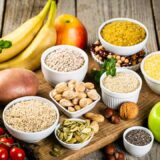
- Iron-Rich Foods: Cooked spinach, beets, pomegranate, black sesame seeds, and dates. Ayurveda notes that iron must be processed with heat and fats (like ghee) to be properly absorbed and to avoid aggravating the digestion.
- Proteins: Warm, spiced milk (if dairy is tolerated), soft cheeses (paneer), mung dal, and well-cooked meats (like chicken or bone broth) for non-vegetarians. Meat soups (Mamsa Rasa) are highly praised in Ayurvedic texts for rebuilding tissue after blood loss.
2. Herbs for Rebuilding Tissue
- Shatavari (Asparagus racemosus): Translating to “she who possesses a hundred husbands,” Shatavari is the premier female tonic. It is a cooling, nourishing herb that rebuilds the reproductive tract, balances estrogen, and promotes the production of healthy cervical mucus and ovum. It can be taken in milk or as a powder.
- Amalaki (Emblica officinalis): Indian Gooseberry is one of the highest natural sources of Vitamin C. It helps the body absorb iron, supports liver function (crucial for hormone processing), and gently cleanses the blood without causing depletion.
- Punarnava (Boerhavia diffusa): This herb is excellent for reducing any lingering water retention or swelling while supporting the kidneys and reproductive organs.
3. Abhyanga (Self-Massage with Oil)
Massage is critical to pacify Vata. The friction of warm oil on the skin grounds the nervous system and pushes Vata out of the tissues.
- Use warm Sesame Oil (if you feel cold and depleted) or Bala Oil (a highly nourishing Ayurvedic oil made from a strengthening herb).
- Massage the entire body with long, upward strokes toward the heart for 15-20 minutes before a warm shower.
- Note: Avoid massaging the lower abdomen directly if there is still any tenderness or spotting; focus on the limbs, back, and head.
Phase 3: Emotional and Spiritual Healing (Ongoing)
Ayurveda teaches that the mind and body are deeply connected. After a miscarriage, emotional grief and physical recovery happen together, making both aspects equally important during the healing process.
The sudden hormonal changes following pregnancy loss may contribute to anxiety, sadness, mental fatigue, and difficulty concentrating. These emotional and physical changes can make everyday activities feel more challenging.
According to Ayurveda, a rise in Vata after miscarriage may increase feelings of fear, restlessness, and emotional instability. Calming this imbalance is considered an essential part of restoring overall well-being.
Ayurvedic healing focuses on restoring Sattva, the state of clarity, peace, and emotional balance. Through nourishing routines and gentle care, it helps support both mental resilience and physical recovery.
1. Nervous System Tonics (Medhya Rasayanas)
- Brahmi (Bacopa monnieri): Excellent for calming an overactive mind, reducing anxiety, and promoting restful sleep.
- Jatamansi (Nardostachys jatamansi): A close relative of Valerian, this herb is highly prized in Ayurveda for deep emotional trauma, grief, and insomnia. It grounds Prana Vayu (the energy in the head and chest) down into the body.
- Ashwagandha (Withania somnifera): If there is profound exhaustion, adrenal fatigue, and a feeling of being unable to cope, Ashwagandha provides strength and resilience.
2. Shirodhara and Nasya
If you have access to an Ayurvedic practitioner, Shirodhara (the continuous pouring of warm oil over the forehead) is profoundly healing for miscarriage grief.
It directly calms the hypothalamus and pituitary gland, resetting the hormonal axis. At home, Nasya (nasal oil application) can be done daily.
Applying 2-3 drops of warm Anu Thailam or plain sesame oil into each nostril bridges the gap between the brain and the body, soothing the mind and clearing grief that often gets “stuck” in the chest and head.
3. Pranayama and Meditation
- Nadi Shodhana (Alternate Nostril Breathing): This is the most balancing pranayama for the nervous system. It synchronizes the left and right hemispheres of the brain, reduces anxiety, and gently brings the body out of “fight or flight” mode. Practice for 5-10 minutes twice a day.
- Guided Yoga Nidra: Also known as yogic sleep, this practice allows the body to rest deeply while the mind remains slightly aware. It is incredibly reparative for trauma.
- Journaling and Ritual: Ayurveda recognizes the need to process loss. Creating a small ritual—such as writing a letter to the spirit of the baby, planting a tree, or sitting in nature—can help move stagnant emotional energy.
Specialized Ayurvedic Therapies for the Womb
As a woman moves into the second month of recovery and her strength returns, specific Ayurvedic therapies can be employed to ensure the uterus is entirely clear, scar-free, and optimally prepared for future pregnancies.
1. Yoni Pichu
Yoni refers to the female genital tract, and Pichu means a swab or cotton pad.
In this therapy, a sterile cotton swab soaked in warm, medicated oil (like Bala oil, Ashoka oil, or Panchatikta Ghrita) is placed inside the vaginal canal for a few hours or overnight.
- Benefits: The oil is directly absorbed by the vaginal and cervical mucosa. It soothes localized Vata, heals micro-tears, reduces internal inflammation, and helps clear any remaining stagnant Artava (blood). It is highly recommended for women who have undergone D&C (Dilation and Curettage) procedures, as it helps prevent scar tissue adhesions (Asherman’s syndrome).
2. Yoni Steam (Yoni Swedana)
Warning: Yoni steaming should NEVER be done while actively bleeding or within the first two weeks of a miscarriage. Doing so can cause dangerous hemorrhage.
Once bleeding has completely stopped and the uterus has begun to heal (usually around week 3 or 4), gentle yoni steaming can be introduced.
Sitting over a pot of warm water infused with herbs like Triphala, Rose, Lavender, or Dashamoola brings gentle heat and moisture to the pelvic floor.
It softens the tissues, encourages the release of stagnant gas and old blood, and revitalizes the local immune system.
3. Uttara Basti (Medicated Uterine Enema)
Uttara Basti is the crown jewel of Ayurvedic gynecological treatments. Unlike a regular enema, which goes into the colon, a Uttara Basti is administered via a specialized catheter directly into the uterine cavity.
This must only be performed by a highly trained Ayurvedic doctor. It involves instilling small amounts of medicated ghee or oil (like Panchatikta Ghrita or Bala Taila) into the uterus.
- Benefits: It acts as an internal Pichu. It strips away dead tissue, promotes cellular regeneration of the endometrial lining, prevents adhesions, and utterly rejuvenates the Artava Vaha Srotas (reproductive channels). For women who have suffered recurrent miscarriages, a course of Uttara Basti is often recommended before trying to conceive again.
Panchakarma: To Detox or Not to Detox?
A common question arises: Should a woman undergo Panchakarma (Ayurvedic detoxification) after a miscarriage?
The answer is a resounding no in the immediate aftermath. Panchakarma involves therapies like Vamana (therapeutic vomiting), Virechana (purgation), and strong Bastis (enemas) that actively push doshas out of the body.
Because a miscarriage already severely depletes the body’s Ojas (immunity and vitality), performing aggressive detoxification will cause further harm, leading to deep exhaustion and hormonal collapse.
However, later—usually 3 to 6 months after the miscarriage, once the woman has fully rebuilt her blood, weight, and strength—a mild Panchakarma might be suggested.
This is done to clear any residual Ama (toxins) or excess Pitta (inflammation) that may have caused the initial miscarriage, preparing a perfectly clean slate for the next pregnancy.
Lifestyle Rules (Vihara) During Recovery
Ayurveda places immense importance on lifestyle during the recovery period. Breaking these rules can invite Vata back into the body, derailing the healing process.
- Protect Against Cold: Avoid cold winds, air conditioning, and walking barefoot on cold floors. Do not drink cold water or eat cold foods. Cold constricts blood vessels and traps Vata in the pelvis.
- Avoid Heavy Lifting: Do not lift anything heavier than a few pounds. The pelvic floor and uterine ligaments are highly vulnerable right now.
- Abstain from Sex: Ayurveda strictly forbids sexual intercourse for at least 45 days to 2 months after a miscarriage. The uterus is an open wound; introducing semen (which has its own Prana and Dosha) can cause infections and disrupt the delicate healing of Artava.
- Limit Screen Time: The blue light and rapid information intake from phones and TVs severely aggravate Prana Vayu and Sadhaka Pitta, worsening anxiety and insomnia.
- Avoid Daytime Sleeping: While rest is required, sleeping heavily during the day (except for a short 20-minute nap) increases Kapha and Tamas, leading to heaviness, depression, and sluggish metabolism. Rest by lying down or reading, but try to stay awake during the daylight hours.
- Gentle Movement: Strenuous exercise, running, and jumping are strictly prohibited. Once bleeding stops, gentle, slow walking in nature is encouraged to keep Apana Vayu moving gently without causing exertion.
Yoga for Miscarriage Recovery
Yoga, when practiced gently, can help reconnect a woman to her body after the trauma of loss. However, standard vinyasa or power yoga is entirely inappropriate during this time.
The focus must be on restorative poses that open the hips gently, release stored emotional trauma from the pelvic floor, and soothe the nervous system.
- Supta Baddha Konasana (Reclined Bound Angle Pose): Lie back on a pile of pillows, bringing the soles of the feet together and letting the knees fall open. This is the ultimate pose for opening the pelvis, releasing Apana Vayu tension, and allowing the breath to move into the lower belly and uterus.
- Balasana (Child’s Pose): Kneeling with the forehead on the floor, arms stretched forward or by the sides. This pose turns the attention inward, promotes a feeling of safety and fetal protection, and gently stretches the lower back.
- Viparita Karani (Legs Up the Wall): This mild inversion helps reduce pelvic swelling and promotes the return of venous blood to the heart without requiring exertion. Contraindicated if bleeding is still active.
- Apanasana (Knees to Chest): Gently hugging the knees into the chest massages the abdominal organs and lower back, releasing trapped gas and soothing cramping.
Hold these poses for several minutes, breathing deeply into the belly. If tears come, allow them. Ayurveda recognizes that unshed grief can become physically lodged in the tissues.
Preparing for Future Fertility: The Ayurvedic View
One of the greatest anxieties after a miscarriage is whether it will happen again. Ayurveda advises against rushing into another pregnancy immediately.
Just as a farmer does not plant a new seed in depleted, unturned soil, a woman should not try to conceive until her Rakta (blood) and Artava (reproductive tissue) are fully replenished.
Ayurveda generally recommends waiting at least three menstrual cycles before trying to conceive again. This allows the endometrial lining to build up fresh, healthy tissue three times, ensuring a strong “soil” for the next embryo.
Pre-Conception Care (Garbhadhan Vidhi)
Ayurveda has a highly detailed pre-conception protocol called Garbhadhan, which ideally lasts for three to six months before attempting pregnancy.
- Purification of Both Partners: Miscarriage is rarely viewed as solely the woman’s issue. Ayurveda treats both partners. The man’s Shukra (semen) must also be pure and healthy. Both partners may undergo a mild detox and are put on a nourishing diet.
- Deep Nourishment (Rasayana): The woman will continue taking Shatavari, Ashoka, and iron-rich foods to ensure her reproductive tract is pristine.
- Uttara Basti: As mentioned, a series of 3 to 6 Uttara Bastis may be performed in the month leading up to conception to perfectly lubricate and prepare the uterus.
- Timing: Ayurveda emphasizes conceiving during the woman’s fertile window (roughly days 12-16 of the cycle), but only when both partners are in a joyful, relaxed, and Sattvic (pure) state of mind. Stress and grief are actively avoided during this time.
A Final Note on Self-Compassion
In the modern world, women are often expected to bounce back from a miscarriage in a matter of days. They are told “at least you weren’t further along,” or “you can just try again.” This toxic positivity strips women of the right to mourn.
Ayurveda offers a completely different paradigm. It says: You have just gone through a massive physiological and spiritual event. Your womb is empty, your blood is low, and your spirit is grieving. You must mother yourself now, with the same ferocious tenderness you would have given to that baby.
Recovering from a miscarriage naturally through Ayurveda is not just about taking herbs. It is an initiation into deeper self-care. It is about slowing down, eating warm foods, anointing your body with oil, breathing deeply, and allowing yourself to heal on every level.
By pacifying the Vata caused by the sudden loss, rebuilding the Rakta and Artava that were depleted, and calming the mind with Sattvic practices, Ayurveda does more than just heal the physical body.
It transforms the trauma of a miscarriage into a profound journey of self-healing, ultimately leading to a stronger, healthier, and more resilient body—ready, when the time is right, to hold new life again.
(FAQ)
- What does Ayurveda recommend after a miscarriage?
Ayurveda recommends gentle postpartum-style care after miscarriage, including proper rest, warm nourishing foods, emotional support, Vata-balancing practices, and gradual rebuilding of physical strength. - How long should a woman rest after a miscarriage according to Ayurveda?
Traditional Ayurveda suggests a recovery period similar to postpartum care, often around six weeks, to support healing of the uterus, restoration of strength, and emotional recovery. - Which Ayurvedic herbs are traditionally used after miscarriage recovery?
Ayurvedic herbs such as Ashoka, Shatavari, Amalaki, Lodhra, and Dashamoola are traditionally used to support women’s reproductive health, nourishment, and overall recovery. - Can Ayurveda help with emotional healing after miscarriage?
Ayurveda supports emotional healing through calming practices like meditation, Pranayama, gentle yoga, self-care routines, and nourishing therapies that promote mental peace and stability. - What foods are recommended after miscarriage in Ayurveda?
Ayurveda traditionally recommends warm and easily digestible foods like rice porridge, lentil soups, ghee, cooked vegetables, dates, nuts, and nutrient-rich meals to rebuild energy. - Why does Ayurveda focus on balancing Vata after miscarriage?
According to Ayurveda, miscarriage can disturb Vata, which is associated with movement and the nervous system. Warmth, rest, oil massage, and grounding routines help restore balance. - When can a woman try to conceive again after a miscarriage?
The right time depends on individual physical and emotional recovery. It is important to consult a healthcare professional before planning another pregnancy. - Is Panchakarma recommended immediately after miscarriage?
Ayurveda generally focuses on nourishment and rebuilding strength immediately after miscarriage. Intensive cleansing therapies like Panchakarma should only be considered under expert guidance. - Can Ayurvedic treatment replace medical care after miscarriage?
No. Ayurvedic care should be used as a complementary approach along with medical care. Seek medical attention for heavy bleeding, fever, severe pain, or unusual symptoms. - How can Ayurveda support future fertility after miscarriage?
Ayurveda focuses on restoring nutrition, strengthening reproductive tissues, balancing lifestyle habits, and preparing the body and mind for a healthy future pregnancy.
FAQ,s
1. What does Ayurveda recommend after a miscarriage?
Ayurveda recommends gentle postpartum-style care after miscarriage, including proper rest, warm nourishing foods, emotional support, Vata-balancing practices, and gradual rebuilding of physical strength.
2. How long should a woman rest after a miscarriage according to Ayurveda?
Traditional Ayurveda suggests a recovery period similar to postpartum care, often around six weeks, to support healing of the uterus, restoration of strength, and emotional recovery.
3. Which Ayurvedic herbs are traditionally used after miscarriage recovery?
Ayurvedic herbs such as Ashoka, Shatavari, Amalaki, Lodhra, and Dashamoola are traditionally used to support women’s reproductive health, nourishment, and overall recovery.
4. Can Ayurveda help with emotional healing after miscarriage?
Ayurveda supports emotional healing through calming practices like meditation, Pranayama, gentle yoga, self-care routines, and nourishing therapies that promote mental peace and stability.
5. What foods are recommended after miscarriage in Ayurveda?
Ayurveda traditionally recommends warm and easily digestible foods like rice porridge, lentil soups, ghee, cooked vegetables, dates, nuts, and nutrient-rich meals to rebuild energy.
6. Why does Ayurveda focus on balancing Vata after miscarriage?
According to Ayurveda, miscarriage can disturb Vata, which is associated with movement and the nervous system. Warmth, rest, oil massage, and grounding routines help restore balance.
7. When can a woman try to conceive again after a miscarriage?
The right time depends on individual physical and emotional recovery. It is important to consult a healthcare professional before planning another pregnancy.
8. Is Panchakarma recommended immediately after miscarriage?
Ayurveda generally focuses on nourishment and rebuilding strength immediately after miscarriage. Intensive cleansing therapies like Panchakarma should only be considered under expert guidance.
9. Can Ayurvedic treatment replace medical care after miscarriage?
No. Ayurvedic care should be used as a complementary approach along with medical care. Seek medical attention for heavy bleeding, fever, severe pain, or unusual symptoms.
10. How can Ayurveda support future fertility after miscarriage?
Ayurveda focuses on restoring nutrition, strengthening reproductive tissues, balancing lifestyle habits, and preparing the body and mind for a healthy future pregnancy.
References:
- Charaka Samhita – Classical Ayurvedic text explaining Garbha (embryology), Artava, Shukra, Apana Vayu, Sutika Paricharya (postpartum care), and principles of women’s health. (1)
- Sushruta Samhita – Ancient Ayurvedic surgical and medical text describing pregnancy, miscarriage-related concepts, reproductive anatomy, healing procedures, and women’s health practices. (2)
- Ashtanga Hridayam by Vagbhata – Classical Ayurvedic compendium discussing Doshas, Vata imbalance, Apana Vayu, pregnancy care, postpartum recovery, and Rasayana therapy. (3)
- Kashyapa Samhita – Classical Ayurvedic text focused on Kaumarabhritya (child health), pregnancy, maternal care, and reproductive health principles. (4)
- Bhavaprakasha Nighantu (Dr. K.C. Chunekar Edition) – Ayurvedic materia medica describing herbs such as Ashoka, Shatavari, Amalaki, Lodhra, and their traditional uses. (5)
- Dravyaguna Vijnana by Prof. Priyavrat Sharma – Reference text explaining Ayurvedic herbs, properties, actions, and traditional therapeutic applications. (6)
- The Yoga of Herbs by David Frawley and Vasant Lad – Modern Ayurvedic herbal guide explaining traditional uses of medicinal plants and formulations. (7)
- Textbook of Ayurveda: Fundamental Principles of Management by Vasant Lad – Modern explanation of Doshas, Agni, Ojas, Rasayana, and Ayurvedic healing approaches. (8)
- Ministry of AYUSH, Government of India – Official information on Ayurveda, traditional medicine systems, research initiatives, and healthcare practices. (9)
- World Health Organization (WHO) – Resources on traditional medicine, complementary healthcare, maternal health, and evidence-based healthcare guidance. (10)
- National Center for Complementary and Integrative Health (NCCIH) – Scientific information on complementary approaches, herbal medicine research, and safety considerations. (11)
- American College of Obstetricians and Gynecologists (ACOG) – Clinical guidance on early pregnancy loss, miscarriage management, and recovery recommendations. (12)
- National Institute for Health and Care Excellence (NICE) – Evidence-based guidelines for miscarriage diagnosis, treatment, and follow-up care. (13)
- Journal of Ayurveda and Integrative Medicine (J-AIM) – Peer-reviewed research articles on Ayurveda, medicinal plants, and integrative healthcare. (14)
- PubMed – Medical research database containing studies on miscarriage, women’s health, Ayurveda, herbal medicine, and complementary therapies. (15)























It is a little misleading whether the remedies given, especially to take anwala in the morning, is to prevent miscarriage or help onset it. Please clarify. Thank you.
It’s good to know that you also share these kind of information about miscarriage. These are very useful info and a big help specially to those who suffered from it and want a home remedies. I really appreciate it and I’m looking forward to read more of your articles soon.
Weak sperm and ovem Olso a cause abortion .
It’s nearly impossible to find educated people on this subject, however, you seem like you know what you’re talking about! Thanks
I have been a nurse for ten years and have no child of my own. Do you think God can still bless me with a child?