Ayurvedic Remedies for Hormonal Imbalance in Women

Hormones regulate essential processes like metabolism, mood, and sleep. For women, levels shift through menstruation, pregnancy, and menopause. Imbalances often cause irregular periods, persistent fatigue, weight gain, and acne.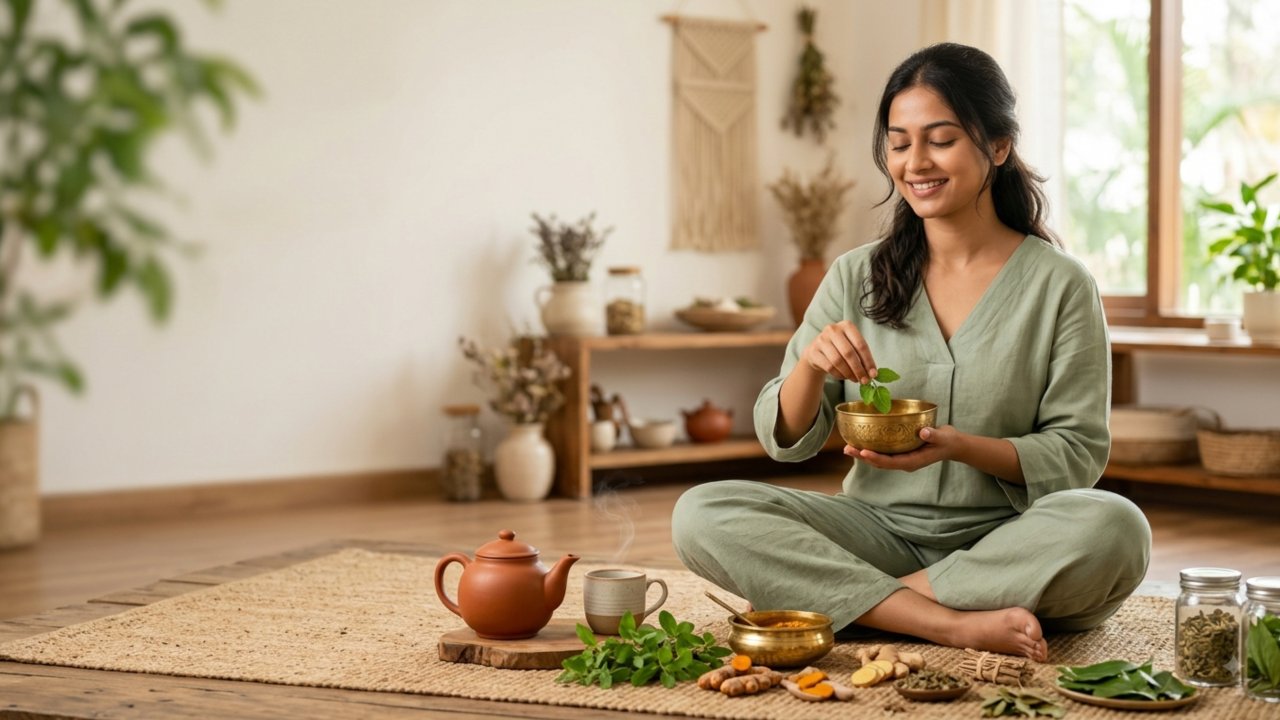 Conventional treatments rely on synthetic hormones or symptom-masking drugs. While these offer temporary relief, they rarely fix underlying causes and frequently introduce unwanted side effects that disrupt natural bodily balance.
Ayurveda views hormones as manifestations of Agni (digestive fire), Doshas (bio-energies), and Aartava Dhatu (reproductive tissue). Healing focuses on root causes rather than simply suppressing uncomfortable physical or mental symptoms.
By combining detoxifying therapies, nourishing foods, herbal remedies, and stress reduction, Ayurveda restores internal equilibrium. This holistic framework effectively manages complex conditions like PCOS, thyroid disorders, and menopause.
The Ayurvedic Perspective on Hormonal Health
To understand how Ayurveda addresses hormonal health, one must first grasp its foundational principles. Ayurveda views the human body as a microcosm of nature governed by three fundamental bio-energies, or Doshas: Vata (air and space), Pitta (fire and water), and Kapha (earth and water).
While every individual possesses a unique inherent constitution (Prakriti), imbalances (Vikriti) occur when these doshas become aggravated or depleted by diet, lifestyle, stress, or environmental factors.
Although ancient Ayurvedic scholars did not explicitly define modern endocrinology, they accurately described endocrine functions through Aartava Dhatu—the female reproductive tissue encompassing the ovaries, uterus, and their regulatory secretions—and Srotas, the subtle micro-channels that transport them.
From an Ayurvedic standpoint, a hormonal imbalance is never a localized issue, but a systemic one driven by two core metabolic concepts:
- Agni (Digestive Fire): Weak or impaired digestion prevents proper food metabolism, generating a toxic, sticky metabolic byproduct known as Ama.
- Ama & Srotas (Toxicity & Channels): Accumulated Ama clogs the Srotas. When the channels transporting vital nutrients to reproductive tissues—or those responsible for waste elimination—become blocked, the endocrine system is starved of nourishment and disrupted by toxicity, resulting in systemic hormonal dysfunction.
Let us look at how the three doshas specifically manifest as hormonal imbalances:
1. Vata Imbalance (The Air Element): Vata governs all movement in the body, including the movement of nerve impulses and the initiation of the menstrual cycle. When Vata is aggravated—often by stress, overwork, travel, cold/dry foods, and irregular routines—it dries up the tissues.
- Symptoms: Irregular periods, scanty periods, painful cramping (spasmodic pain), anxiety, insomnia, dry skin, hair loss, and premature menopause. Vata is the primary dosha involved in the menopausal transition.
2. Pitta Imbalance (The Fire Element): Pitta governs metabolism, transformation, and heat in the body. It is closely related to the blood (Rakta Dhatu). When Pitta is aggravated—by excessive heat, spicy foods, alcohol, competitive environments, and anger—it “cooks” the blood and reproductive tissues.
- Symptoms: Heavy, prolonged menstrual bleeding, intense cramping (inflammatory pain), acne, skin rashes, anger, irritability, hot flashes, and burning sensations. Pitta imbalance is often seen in conditions like endometriosis and heavy menstrual bleeding.
3. Kapha Imbalance (The Earth and Water Elements): Kapha provides structure, lubrication, and stability. When Kapha is aggravated—by heavy, sweet, oily foods, sedentary lifestyles, and damp/cold environments—it leads to excess mucous, fat, and fluid retention.
- Symptoms: Missed or delayed periods, water retention, weight gain, breast tenderness, sluggish digestion, lethargy, and cysts. Kapha imbalance is the primary driver behind Polycystic Ovary Syndrome (PCOS) and fibroids.
The Ayurvedic Herbal Medicine for Hormonal Imbalance in Women
Ayurvedic pharmacology is rich with herbs that possess adaptogenic, trophorestorative (tissue-nourishing), and detoxifying properties.
Unlike synthetic hormones, these herbs work gently to support the body’s innate intelligence. Here are the most potent Ayurvedic remedies for female hormonal health.
1. Shatavari (Asparagus racemosus)
Translated as “she who possesses a hundred husbands,” Shatavari is the quintessential female tonic in Ayurveda. It is a premium Rasayana (rejuvenative) for the female reproductive system.
- Mechanism: Shatavari is a natural phytoestrogen. It nourishes and moistens Aartava Dhatu, making it incredibly effective for Vata-type imbalances (dryness, scanty periods). It supports lactation, balances vaginal pH, and soothes the mucous membranes of the reproductive tract.
- Benefits: Regulates menstrual flow, reduces PMS, enhances fertility, eases menopausal symptoms (especially dryness and hot flashes), and reduces stress.
- Usage: Traditionally taken as a warm milk decoction (mix 1/2 tsp of Shatavari powder in a cup of warm milk with a pinch of cardamom and ghee). It is also available in tablet or capsule form.
2. Ashwagandha (Withania somnifera)
While Shatavari nourishes the tissues, Ashwagandha strengthens them. Known as “Indian Ginseng,” it is a powerful adaptogen.
- Mechanism: Ashwagandha directly impacts the Hypothalamic-Pituitary-Adrenal (HPA) axis. By lowering elevated cortisol (the stress hormone), it prevents cortisol from hijacking the production of progesterone and estrogen. It is highly effective for Vata and Pitta imbalances.
- Benefits: Improves thyroid function (especially hypothyroidism), reduces anxiety and insomnia, enhances libido, and supports adrenal health, which is crucial for postmenopausal women.
- Usage: 1/2 to 1 teaspoon of Ashwagandha root powder taken at night with warm milk, or in capsule form. Note: Ashwagandha is generally avoided during pregnancy.
3. Ashoka (Saraca asoca)
The name Ashoka means “without sorrow.” The bark of this sacred tree is one of the most specific uterine tonics in Ayurveda.
- Mechanism: Ashoka has a profound affinity for the endometrium (the inner lining of the uterus). It stimulates the ovarian tissues and helps to clear congestion in the pelvic region. It is highly astringent and cooling.
- Benefits: It is the go-to herb for heavy, painful, or prolonged menstrual bleeding (Pitta imbalance). It is highly beneficial for managing endometriosis, uterine fibroids, and dysmenorrhea.
- Usage: Usually taken as a decoction (kwath) made from the bark, or in tablet forms like Ashokarishta (a fermented liquid preparation).
4. Lodhra (Symplocos racemosa)
Lodhra is another exceptional herb for the female reproductive tract, particularly known for its astringent and anti-inflammatory properties.
- Mechanism: Lodhra literally means “that which makes the body firm.” It tightens the tissues, reduces excessive discharge, and has a specific action on the ovaries and uterus.
- Benefits: Highly effective for menorrhagia (heavy bleeding), leucorrhea (excessive white discharge), and bleeding disorders. It is frequently used in Ayurvedic protocols for PCOS to help shrink ovarian cysts and regulate androgens.
- Usage: 1/2 tsp of the bark powder mixed with honey or warm water, usually taken twice a day after meals.
5. Guduchi / Giloy (Tinospora cordifolia)
Known as “Amrita” or the divine nectar, Guduchi is one of the most powerful immunomodulators and detoxifiers in Ayurveda.
- Mechanism: Guduchi scrubs the Ama (toxins) out of the body’s channels (Srotas). Because hormonal imbalance is so often linked to toxic buildup, Guduchi acts as a foundational herb that allows other reproductive herbs to work better. It balances all three doshas.
- Benefits: Reduces systemic inflammation (crucial for conditions like endometriosis and PCOS), supports liver function (the liver metabolizes hormones), and calms the nervous system.
- Usage: Can be taken as a powder, juice (satva), or tablet. A decoction of the stem is highly effective.
6. Shatapushpa (Anethum sowa / Dill)
Though often overlooked, Shatapushpa (Indian Dill) is a phenomenal herb for female reproductive health.
- Mechanism: It has a specific action (Prasooti Janana – facilitating childbirth) and works by soothing the smooth muscles of the uterus and regulating the hormonal axis.
- Benefits: Excellent for regulating the menstrual cycle, reducing spasmodic menstrual pain, and increasing breast milk production. It also helps alleviate bloating and digestive issues associated with PMS.
- Usage: The seeds can be boiled in water to make a healing tea, or taken in powdered form.
7. Kanchanar Guggulu
This is not a single herb, but a classical Ayurvedic formulation. It combines the herb Kanchanar (Bauhinia variegata) with Guggulu (Commiphora mukul – a resin) and several other warming, scraping herbs.
- Mechanism: Guggulu has a unique Lekhana (scraping) property. It literally scrapes away excess fat, mucous, and cystic growths. Kanchanar targets the lymphatic system and glandular tissue.
- Benefits: This is the primary Ayurvedic formula used for PCOS, hypothyroidism, uterine fibroids, and goiter. It dissolves cysts, reduces swelling in the lymph nodes, and boosts metabolism.
- Usage: Taken in tablet form, usually 1-2 tablets twice daily with warm water, often prescribed alongside Triphala to aid elimination.
8. Kumari (Aloe Vera)
In Ayurveda, Aloe Vera is referred to as Kumari, meaning “young maiden,” a testament to its rejuvenating effects on the female reproductive system.
- Mechanism: Kumari is a potent Rakta shodhaka (blood purifier) and Anulomana (restores the downward movement of Vata). It stimulates the uterus and ovaries.
- Benefits: Regulates menstruation, purifies the blood (clearing acne associated with hormonal imbalance), and improves digestion. The pulp of the leaf is highly nourishing.
- Usage: 1-2 tablespoons of fresh, pure Aloe Vera gel (ensure the yellow latex/aloe juice is removed, as it is a harsh laxative) taken on an empty stomach with a pinch of turmeric.
Dietary Guidelines (Ahara) – Food as Medicine
In Ayurveda, diet is considered the foremost medicine. You cannot herb your way out of a diet that is continuously destroying your digestive fire and creating toxins.
To balance hormones, a woman must eat in a way that pacifies her specific dosha imbalance, while simultaneously kindling Agni and clearing Ama.
General Rules for Hormonal Health
1. Eat Warm, Cooked Foods: Cold, raw foods (like salads and smoothies) extinguish the digestive fire and aggravate Vata. Opt for warm, well-cooked meals like soups, stews, dals (lentils), and steamed vegetables. Warm food is easier to digest and prevents the formation of Ama.
2. Embrace Healthy Fats: Hormones are literally made from cholesterol and fats. A low-fat diet is a recipe for hormonal disaster. Ayurveda highly praises Ghee (clarified butter). Ghee lubricates the tissues, kindles Agni without aggravating Pitta, and carries the medicinal properties of herbs into the deep tissues. Other good fats include coconut oil, sesame oil (for Vata), and olive oil.
3. Eat According to Your Cycle:
- Follicular Phase (Days 1-14): The body is building the egg and the uterine lining. Eat nourishing, building foods like grains, root vegetables, healthy fats, and high-quality proteins.
- Luteal Phase (Days 15-28): Metabolism speeds up, and Pitta/Vata can increase leading to PMS. Focus on cooling, grounding foods like leafy greens, cucumbers, coconut, and seeds (flax, pumpkin, sunflower).
4. Spice Up Your Life: Ayurvedic spices are not just for flavor; they are medicinal. Cumin, coriander, and fennel seeds (the famous CCF tea) are excellent for flushing out toxins, reducing water retention, and balancing hormones. Turmeric is a powerful anti-inflammatory that supports liver detoxification.
5. Foods to Avoid
- Dairy (for Kapha/Pitta imbalances): While warm, spiced milk is beneficial for Vata, commercial dairy is often homogenized and difficult to digest, creating Ama and aggravating PCOS and endometriosis.
- Refined Sugar and Carbohydrates: Sugar causes insulin spikes. Insulin is a hormone; when it spikes, it disrupts all other hormones, particularly androgens (leading to PCOS). Replace white sugar with jaggery, raw honey (never heated), or maple syrup in moderation.
- Caffeine and Alcohol: Both are highly aggravating to Pitta and Vata. They deplete the adrenal glands, stress the liver (preventing proper hormone metabolism), and disrupt sleep.
- Cold Drinks and Ice Water: Drinking ice water during a meal is like pouring cold water on a fire. It severely impairs digestion and creates Ama.
- Soy Products: Unfermented soy contains phytoestrogens that can mimic estrogen in the body and disrupt the delicate estrogen-progesterone balance, particularly in women with estrogen dominance.
Lifestyle and Daily Routines (Vihara)
Ayurveda states that a disease is caused not just by what you eat, but by how you live. The nervous system and the endocrine system are inextricably linked.
A woman who is constantly rushing, stressed, and sleep-deprived will have hormonal imbalance, regardless of how many herbs she takes.
Dinacharya (Daily Routine)
The body loves predictability. Going to bed and waking up at the same time every day stabilizes the circadian rhythm, which in turn stabilizes cortisol and melatonin.
1. Wake up before sunrise: Waking up in the tranquil, Vata-predominant time of morning (around 5:30-6:00 AM) brings a sense of lightness and clarity to the day.
2. Tongue Scraping and Oil Pulling: Upon waking, scrape the tongue to remove the toxic buildup from the night. Swish warm sesame or coconut oil in the mouth for 5-10 minutes (oil pulling) to draw out toxins and improve oral health, which is linked to gut and hormonal health.
3. Self-Massage (Abhyanga): This is one of the most powerful Ayurvedic practices for women. Massaging warm oil into the skin calms the nervous system, moves lymph, lubricates the joints, and pacifies Vata.
- For Vata: Use warm Sesame Oil.
- For Pitta: Use cooling Coconut Oil.
- For Kapha: Use light, warming Sunflower or Mustard Oil.
- Focus on the abdomen, moving in clockwise circles to aid digestion and pelvic circulation. Leave the oil on for 15-20 minutes before showering.
4. Sleep (Nidra)
Sleep is the ultimate Rasayana (rejuvenator). It is during deep sleep that the body repairs tissues and regulates hormones.
Lack of sleep increases cortisol, ghrelin (hunger hormone), and decreases leptin (satiety hormone), leading to weight gain and insulin resistance.
Aim to be in bed by 10:00 PM, during the Kapha time of night, which promotes deep, heavy sleep.
Yoga and Pranayama
Exercise should be grounding and nourishing, not depleting. High-intensity interval training (HIIT) and extreme cardio severely aggravate Vata and deplete Ojas (vitality), which is detrimental to hormonal health.
1. Yoga Asanas: Focus on poses that open the hips, stretch the pelvic region, and stimulate the reproductive organs.
- Supta Baddha Konasana (Reclined Bound Angle Pose): Opens the pelvic floor, relieves menstrual cramps, and reduces anxiety.
- Balasana (Child’s Pose): Grounding, calms the nervous system, gently compresses the abdomen.
- Malasana (Garland Pose/Yoga Squat): Excellent for pelvic floor health, aids digestion, and improves circulation to the uterus.
- Viparita Karani (Legs Up the Wall): A restorative pose that reduces lower back pain, eases PMS, and calms Vata.
2. Pranayama (Breathwork):
- Nadi Shodhana (Alternate Nostril Breathing): Balances the left and right hemispheres of the brain, brings the nervous system back to a parasympathetic (rest and digest) state, and profoundly impacts the hypothalamus.
- Bhramari (Humming Bee Breath): The vibration of the hum soothes the thyroid gland and is highly effective for anxiety, anger, and insomnia.
Ayurvedic Therapies and Panchakarma
For deep-seated hormonal imbalances, at-home remedies may not be enough. Ayurveda offers a system of detoxification and rejuvenation known as Panchakarma (the five actions).
These therapies should ideally be performed under the supervision of a qualified Ayurvedic practitioner at an Ayurvedic clinic or wellness center.
1. Panchakarma Process
Panchakarma is not just a detox; it is a resetting of the body’s cellular intelligence. It involves three stages:
- Purvakarma (Preparation): The body is prepared through oil therapies (Snehana – internal and external oleation) and sweating (Swedana) to loosen the Ama and bring it from the deep tissues into the digestive tract.
- Pradhankarma (Elimination): The five cleansing actions are performed to expel the toxins. For hormonal imbalance, the most relevant are Virechana (purgation therapy, excellent for Pitta imbalances like heavy bleeding and endometriosis) and Basti (medicated enemas, considered the most powerful treatment for Vata imbalances affecting the lower pelvis).
- Paschatkarma (Rejuvenation): After detox, the body is highly receptive. Rasayana (rejuvenating) herbs like Shatavari and Ashwagandha are given to rebuild the tissues and restore Ojas.
2. Specific Women’s Therapies
- Uttara Basti: This is a highly specialized Ayurvedic procedure where medicated oils or ghees are administered into the uterus via the vaginal canal (similar to a modern douche, but with medicinal intent). It is the crown jewel of Ayurvedic gynecology. Uttara Basti directly cleanses, nourishes, and strengthens the endometrium and ovaries. It is remarkably effective for PCOS, infertility, fibroids, endometriosis, and chronic pelvic inflammatory disease.
- Yoni Pichu: A sterile cotton swab is soaked in warm, medicated oil (like Ashoka or Bala oil) and placed in the vaginal canal for a period of time. This is excellent for treating vaginal dryness (common in menopause), cervical erosion, and local inflammation.
- Shirodhara: Warm, herbal oil is poured in a continuous stream over the forehead (the third eye). While not specifically a gynecological treatment, Shirodhara is unparalleled in its ability to calm the nervous system, lower cortisol, and treat stress-induced hormonal imbalances, hypothalamic amenorrhea, and severe PMS/PMDD.
Targeted Ayurvedic Approaches to Specific Conditions
Because hormonal imbalances present differently based on the underlying dosha imbalance and the specific endocrine gland affected, Ayurveda tailors its approach to the individual diagnosis.
1. Polycystic Ovary Syndrome (PCOS)
PCOS is a complex metabolic and endocrine disorder characterized by insulin resistance, elevated androgens (male hormones), and anovulation.
In Ayurveda, PCOS is primarily a Kapha-Vata disorder. The cysts themselves are seen as a Kapha accumulation (excess mucous and fat), while the irregular periods are a Vata manifestation.
- Focus: Scrape away the cysts (Lekhana), improve insulin sensitivity, and stimulate ovulation.
- Herbs: Kanchanar Guggulu is the primary formula. Triphala to aid digestion and weight loss. Guduchi to clear systemic inflammation. Shatavari to support the reproductive tissues once the cysts are reduced.
- diet: A Kapha-pacifying diet is essential. Avoid dairy, sugar, wheat, and heavy, oily foods. Emphasize bitter greens (kale, dandelion, fenugreek), spices (cinnamon, which is excellent for insulin resistance, black pepper, ginger), and light proteins (mung beans, lentils).
- Lifestyle: Vigorous (but not exhausting) exercise is crucial to combat Kapha sluggishness. Brisk walking, cycling, and dynamic yoga are excellent.
2. Menopause
Menopause is a natural transition, not a disease. However, the cessation of menstruation leads to a dramatic drop in estrogen. Ayurveda views menopause as the transition from the Pitta phase of life (puberty to middle age) to the Vata phase of life (post-menopause). As the body tries to adjust to this drop in moisture and heat, Vata and Pitta become severely aggravated.
- Focus: Nourish and lubricate dry tissues (Vata) while cooling hot flashes (Pitta) and building Ojas (vitality).
- Herbs: Shatavari is the most important herb here. Ashwagandha to support the adrenals and thyroid. Ashoka bark if there is any spotting or heavy bleeding during perimenopause. Brahmi (Bacopa monnieri) to calm anxiety and brain fog.
- diet: Warm, grounding, Vata-pacifying diet rich in healthy fats (ghee, avocados, nuts, seeds). Calcium-rich foods like sesame seeds and leafy greens. Cooling foods for hot flashes (coconut, mint, cucumber, pomegranate).
- Lifestyle: Daily Abhyanga with warm sesame or Bala oil is non-negotiable for menopausal women—it provides the external estrogen-like lubrication the body is lacking. Restorative yoga and adequate sleep are paramount.
3. Premenstrual Syndrome (PMS)
PMS occurs in the luteal phase of the cycle, the week or two before the period. Symptoms vary wildly depending on the dosha:
- Vata-type PMS: Anxiety, insomnia, bloating, constipation, headaches, spaciness. Remedy: Warm oil massage, grounding foods, Ashwagandha, and Valerian root.
- Pitta-type PMS: Anger, irritability, breast tenderness, acne, loose stools, hot flashes before the period. Remedy: Cooling foods (avoid spicy food, alcohol, caffeine), Aloe Vera gel, Shatavari, and Ashoka.
- Kapha-type PMS: Water retention, severe breast swelling, weight gain, cravings for sweets, extreme lethargy, weepiness. Remedy: Kapha diet (light, dry, warm), CCF tea, Trikatu (a warming spice mix), and light exercise.
4. Hypothyroidism
The thyroid gland, located in the throat, is the body’s metabolic engine. Hypothyroidism (underactive thyroid) is predominantly a Kapha disorder, characterized by sluggishness, weight gain, coldness, and dry skin (Kapha/Vata mix).
- Focus: Kindle the digestive fire (Mandagni is the root cause) and scrape away the Kapha accumulation in the throat.
- Herbs: Kanchanar Guggulu is the first line of treatment. Guggulu itself is highly effective for thyroid health. Ashwagandha has been shown in modern studies to significantly improve T3, T4, and TSH levels. Punarnava (Boerhavia diffusa) helps reduce the water retention associated with hypothyroidism.
- Diet: Strictly avoid goitrogenic foods in their raw form (cabbage, cauliflower, broccoli, Brussels sprouts, soy), as they interfere with thyroid function. Cooking these vegetables neutralizes the goitrogens. Emphasize iodine-rich foods (seaweed, fish) and warming spices.
- Lifestyle: Avoid sleeping in during the late morning (Kapha time), as this worsens sluggishness. Sarvangasana (Shoulder Stand) in yoga is highly recommended as it brings fresh blood to the thyroid gland (however, this pose should be avoided during menstruation and pregnancy).
5. Endometriosis
Endometriosis is a condition where tissue similar to the uterine lining grows outside the uterus, causing severe pain, inflammation, and often infertility. This is a classic Pitta-Vata imbalance. The displaced tissue acts as an irritant, causing localized Pitta inflammation, while the pain and irregular bleeding are Vata.
- Focus: Reduce inflammation, stop the abnormal growth, and pacify the spasmodic pain.
- Herbs: Ashoka is the hero herb here for its ability to stop bleeding and heal the endometrium. Guduchi for systemic inflammation. Kanchanar Guggulu to prevent the formation of adhesions and cysts. Shatavari to balance the immune system, which is often hyperactive in endometriosis.
- Diet: A strict anti-inflammatory, Pitta-pacifying diet. Avoid red meat, dairy, gluten, alcohol, and nightshades (tomatoes, peppers, eggplants). Focus on cooling, easily digestible foods.
- Therapies: Uttara Basti can be profoundly healing for endometriosis, directly delivering anti-inflammatory herbs to the pelvic cavity.
The Role of the Mind and Emotions
In Ayurveda, the mind and body are not separate. The concept of Prajnaparadha—translated as “crimes against wisdom” or “mistake of the intellect”—refers to the actions we take even when we know they are harmful. This is the psychological root of most disease.
For women, the emotional body is deeply intertwined with the physical body. The womb (Yoni) is not just a vessel for carrying a child; in Ayurvedic and yogic philosophy, it is the center of a woman’s intuition, creativity, and groundedness.
Unprocessed emotions—particularly grief, fear, and resentment—often get trapped in the pelvic region. Energetically, this stagnation translates into physical stagnation: lack of menstrual flow, cysts, fibroids, and dense tissue.
To truly heal hormonal imbalance, a woman must create space for emotional processing. This can involve:
- Journaling: Writing down thoughts and feelings to move them out of the body.
- Spending time in nature: The earth element (Kapha) is highly grounding and can absorb excess nervous energy (Vata).
- Setting boundaries: Many women are chronic over-givers, which depletes Ojas and aggravates Vata. Learning to say “no” is a profound Ayurvedic act of self-healing.
- Seeking Community: Women’s circles and supportive friendships have been shown to regulate the nervous system and, by extension, hormones.
Patience and the Journey of Healing
One of the greatest challenges women encounter when adopting Ayurveda is expecting immediate results. Modern medicine has conditioned us to expect rapid symptom suppression with a single pill, but Ayurveda follows a fundamentally different path.
Hormonal imbalance does not develop overnight; it stems from years of improper diet, chronic stress, inadequate sleep, and metabolic toxicity. Reversing these deep-seated issues naturally requires time, guided by the Ayurvedic principles of Kala (time) and Krama (gradual progression).
As a general guideline, Ayurveda suggests allowing approximately one month of structured healing for every year a condition has persisted. For example, if irregular periods have been present for three years, achieving lasting balance may require three to four months of consistent practice.
Nonetheless, initial improvements often surface much sooner. Enhanced sleep quality, smoother digestion, reduced anxiety, and a healthier complexion are typically the first indicators that Agni (digestive fire) is strengthening and Ama (toxins) is clearing. Menstrual balance follows as the body restores its natural rhythm.
FAQ’s
1. What is the best Ayurvedic medicine for female hormonal imbalance?
Common Ayurvedic remedies include Shatavari, Ashwagandha, Lodhra, Ashoka, and Gokshura. Formulations like Chandraprabha Vati and Dashmoolarishta are frequently prescribed based on individual Dosha imbalances.
2. How can I balance my hormones naturally using Ayurveda?
Ayurveda focuses on kindling Agni (digestive fire), clearing accumulated Ama (toxins), eating fresh, seasonal foods, maintaining a consistent sleep routine, and incorporating stress-reducing practices like yoga and Pranayama.
3. Which Ayurvedic herbs are most effective for PCOS and irregular periods?
Shatavari helps regulate cycle length, Kanchanar Guggulu aids in reducing ovarian cysts, and Punar nava helps manage fluid retention and metabolic balance associated with PCOS.
4. What are the primary signs of hormonal imbalance according to Ayurveda?
Key indicators include irregular or painful periods, sudden weight fluctuations, persistent acne, hair thinning, chronic fatigue, severe PMS, mood swings, and digestive distress like bloating or slow metabolism.
5. How long does it take for Ayurvedic treatment to fix hormonal imbalances?
As a general rule, Ayurveda estimates roughly one month of treatment for every year the condition has been present. Most women notice subtle improvements in digestion and sleep within 3 to 4 weeks, with cycle regularity following in 3 to 6 months.
6. What is the ideal Ayurvedic diet plan for restoring hormonal health?
Focus on warm, cooked, nutrient-dense foods rich in healthy fats like ghee. Avoid processed sugars, excessive caffeine, cold raw foods, and fried items that impair Agni and form metabolic toxins (Ama).
7. Is Ayurveda safer than synthetic HRT or birth control for hormone balance?
Ayurvedic treatments use natural plant compounds to stimulate the body’s innate hormone regulation rather than introducing synthetic hormones. This approach targets underlying causes with fewer side effects, though treatment plans should be guided by a practitioner.
8. Can Ayurveda treat thyroid-related hormonal weight gain?
Yes. Ayurveda views thyroid dysfunction as a Kapha and Medovaha Srotas (fat tissue) imbalance. Herbs like Kanchanar, Guggulu, and Trikatu help stimulate sluggish metabolism, kindle Agni, and support thyroid function.
9. How does clearing Ama (toxins) help restore hormonal balance?
Ama is a sticky byproduct of poor digestion that clogs body channels (Srotas). Clearing Ama opens these pathways, allowing nutrients to nourish reproductive tissues (Aartava Dhatu) and restoring effective cellular communication.
10. What Ayurvedic remedies stop hormonal acne and hair thinning?
Blood-purifying herbs like Neem, Manjistha, and Guduchi clear internal heat (Pitta) to soothe hormonal acne. For hair thinning, nourishing tonics like Bhrspace, Amla, and Shatavari help build healthy Dhatus (tissues).
Hormonal health is a dynamic rhythm requiring ongoing care. While quick fixes merely mask symptoms, Ayurveda addresses the root causes of endocrine imbalances. By strengthening Agni (digestive fire), clearing Ama (toxins), and nourishing Aartava Dhatu (reproductive tissue), it restores the body’s natural wisdom rather than imposing artificial control.
Disclaimer: This article is for educational purposes only and is not a substitute for professional medical advice, diagnosis, or treatment. Always seek the advice of your physician or other qualified health provider with any questions you may have regarding a medical condition or before starting any new dietary, herbal, or lifestyle regimen, particularly if you are pregnant, nursing, or on prescription medications.
References
- National Center for Complementary and Integrative Health (NCCIH), National Institutes of Health. Ayurvedic Medicine: In Depth. NCCIH. NCCIH
- National Center for Complementary and Integrative Health (NCCIH), National Institutes of Health. Ashwagandha: Usefulness and Safety. NCCIH. NCCIH
- World Health Organization. Polycystic Ovary Syndrome (PCOS). World Health Organization. WHO
- National Institute of Diabetes and Digestive and Kidney Diseases (NIDDK), National Institutes of Health. Hypothyroidism (Underactive Thyroid). NIDDK. NIDDK
- National Institute of Diabetes and Digestive and Kidney Diseases (NIDDK), National Institutes of Health. Thyroid Tests. NIDDK. NIDDK
- American College of Obstetricians and Gynecologists (ACOG). Endometriosis. ACOG. ACOG
- National Institute for Health and Care Excellence (NICE). Menopause: Diagnosis and Management. NICE Guideline NG23. NICE
- Hasheminasab FS, Azimi M, Raeiszadeh M. Therapeutic effects of saffron (Crocus sativus L.) on female reproductive system disorders: A systematic review. Phytotherapy Research. 2024;38(6):2832–2846. PubMed
- Jafari F, Khalilzadeh S, Nejatbakhsh F, et al. Therapeutic effects of garlic (Allium sativum) on female reproductive system: A systematic review. Heliyon. 2023;9(12):e22555. PubMed
- National Center for Complementary and Integrative Health (NCCIH), National Institutes of Health. Safe Use of Complementary Health Products and Practices. NCCIH. NCCIH
- National Center for Complementary and Integrative Health (NCCIH), National Institutes of Health. Dietary and Herbal Supplements. NCCIH. NCCIH
- National Center for Complementary and Integrative Health (NCCIH), National Institutes of Health. Herb-Drug Interactions. NCCIH. NCCIH
- National Library of Medicine. PubMed. U.S. National Library of Medicine, National Institutes of Health. PubMed
- Royal Botanic Gardens, Kew. Asparagus racemosus Willd. Plants of the World Online. Kew – Plants of the World Online
- Royal Botanic Gardens, Kew. Withania somnifera (L.) Dunal. Plants of the World Online. Kew – Plants of the World Online
- Royal Botanic Gardens, Kew. Saraca asoca (Roxb.) Willd. Plants of the World Online. Kew – Plants of the World Online
- Royal Botanic Gardens, Kew. Symplocos racemosa Roxb. Plants of the World Online. Kew – Plants of the World Online
- Royal Botanic Gardens, Kew. Tinospora cordifolia (Willd.) Hook.f. & Thomson. Plants of the World Online. Kew – Plants of the World Online
- Royal Botanic Gardens, Kew. Aloe vera (L.) Burm.f. Plants of the World Online. Kew – Plants of the World Online